
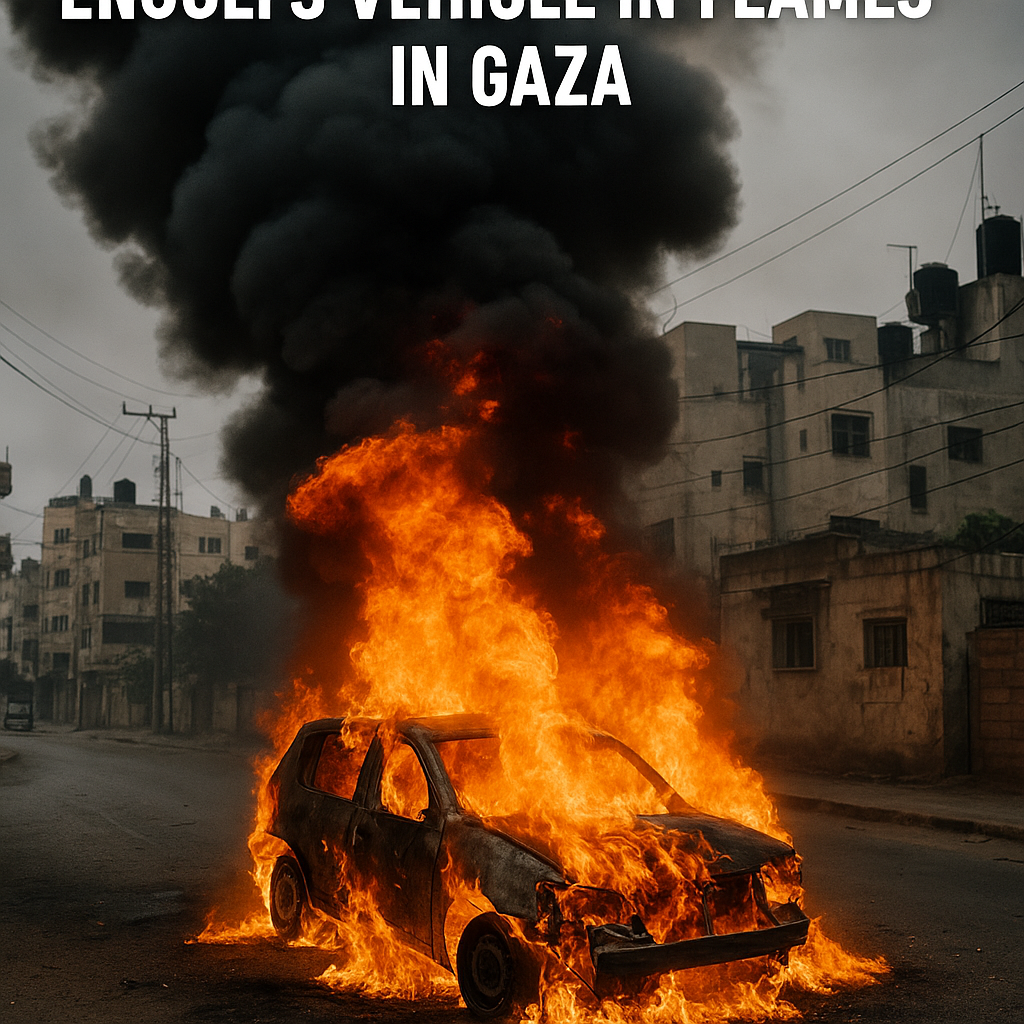
Israeli Drone Strike Engulfs Vehicle in Flames in Gaza

Understanding the Recent Israeli Drone Strike in Gaza
The recent Israeli drone strike that engulfed a vehicle in flames in central Gaza has ignited a mix of reactions and perspectives from around the world. As we delve into this event, it’s essential to consider the broader context, including the ongoing tensions in the region and the implications for civilian safety and international relations.

The Incident: What We Know
On April 4th, 2026, a drone strike attributed to Israeli forces targeted a vehicle in Gaza, resulting in significant destruction and igniting intense debates about the military strategies employed by Israel. Eyewitness reports describe the scene as chaotic, with flames engulfing the vehicle while residents nearby expressed fears about escalating violence. Al Jazeera captured images showing the aftermath of the strike, highlighting the severity of the destruction and the potential civilian impact.


Initial reports indicate that the vehicle may have been linked to militants, but specific details about the target and any casualties remain unclear. This ambiguity has led to varying interpretations of the event. Some sources suggest that the strike was a tactical decision aimed at neutralizing threats, while others raise alarms about the collateral damage often associated with such military operations in densely populated areas.


Perspectives on the Strike
Security Justifications vs. Humanitarian Concerns
The Israeli government’s position tends to emphasize the notion of self-defense against terrorist threats. According to a report from RT, Israeli officials justified the drone strike as part of their ongoing efforts to dismantle militant infrastructures that pose a direct threat to its citizens. They argue that targeted strikes are necessary to maintain security in the region, especially given the history of violence and conflict with groups operating in Gaza.
On the other hand, various humanitarian organizations and critics argue that these actions frequently result in civilian casualties and exacerbate an already dire humanitarian situation in Gaza. Sky News highlighted comments from rights groups warning that the normalized use of drone strikes can lead to increased hostilities and deepen divides. The potential for civilian harm raises urgent ethical questions about military engagement in populated areas, where precision is often traded against risk.
The Broader Context of Israeli-Palestinian Relations
To fully grasp the implications of this drone strike, it’s important to consider it within the larger narrative of Israeli-Palestinian relations. Ongoing tensions, marked by recurring cycles of violence and retaliations, have created a volatile environment. Analysts suggest that such military actions can perpetuate a cycle of retaliation, making diplomatic resolutions increasingly difficult.
Al Jazeera reports that public sentiment in both Israel and Palestine is often shaped by recent events, influencing how each side perceives the other. Many in Gaza view military strikes not only as a direct attack on militant targets but as a broader assault on Palestinian autonomy and rights. Conversely, many Israelis see these operations as necessary to protect themselves from perceived threats.
Uncertainties and Future Implications
While opinions about the military necessity of drone strikes can be polarized, there’s a lack of consensus on the long-term effectiveness of these strategies. Critics argue that they may lead to temporary setbacks for militant groups but do not address the underlying issues that fuel the conflict, such as poverty, statelessness, and lack of access to essential services.
The continuing cycle of violence and suspicion poses broader questions about peace in the region. Will actions like drone strikes lead to a durable solution, or do they simply reinforce existing divisions? The absence of clear communication and dialogue further complicates potential resolutions.
The Role of International Community
As reactions to this drone strike ripple through media outlets and international conversations, the role of global actors remains critical. Calls for accountability and a push for renewed peace efforts are echoed from various quarters. Nations around the world are urged to promote negotiations over hostilities, emphasizing diplomatic avenues instead of military interventions.
Conclusion: A Call for Balanced Perspectives
The Israeli drone strike that engulfed a vehicle in flames in Gaza has further entrenched the complexities of an ongoing conflict, stirring emotions on all sides. While Israel defends its actions as necessary for its security, the humanitarian implications of such strikes cannot be overlooked. Moving forward, it is essential for both local leaders and international stakeholders to engage in meaningful dialogue aimed at addressing the root causes of conflict rather than merely responding to its symptoms.
This incident serves as a reminder of the fragile peace that hangs over the region, with the need for balanced, informed perspectives to ensure that both security and humanitarian concerns are addressed. Understanding the nuances of such military actions may contribute to a more comprehensive approach to peace in the Middle East, one that acknowledges the aspirations and rights of all affected parties.















