Israeli Forces Kill 7 Palestinians in Gaza Within 48 Hours

Israeli Forces Kill 7 Palestinians in Gaza Within 48 Hours

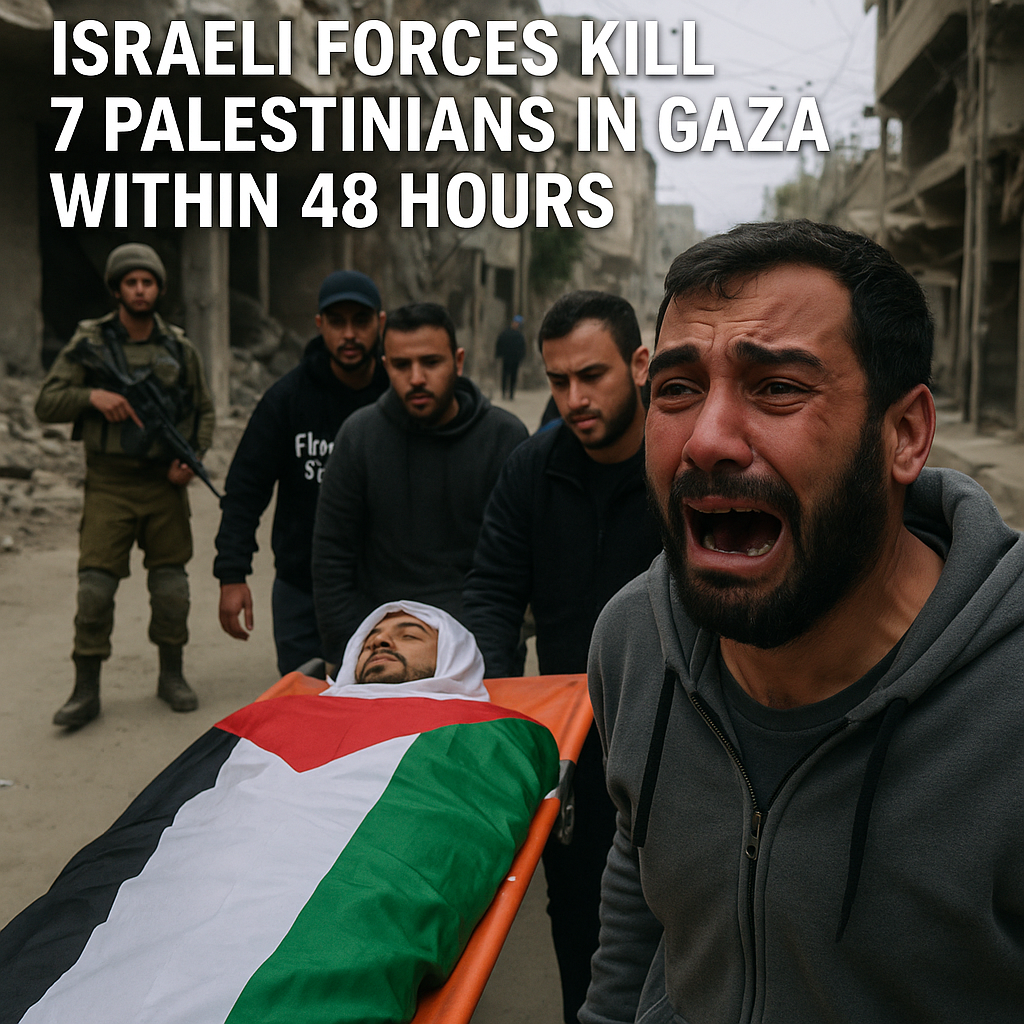
In a recent escalation of violence, Israeli forces have killed seven Palestinians in Gaza over a span of just 48 hours. This incident has reignited discussions about the ongoing conflict between Israel and Palestine, drawing reactions from various corners of the international community.


The Context of the Conflict
The events unfolded amidst a backdrop of heightened tensions in the region. Al Jazeera reported that the Israeli military claimed these operations were part of ongoing counter-terrorism measures aimed at combating threats from militant groups in Gaza, particularly Hamas. The Israeli Defense Forces (IDF) asserted that their actions were necessary to maintain security and prevent potential attacks on Israeli citizens.


Conversely, numerous human rights organizations and local Palestinian authorities have condemned these actions as excessively violent and disproportionate. They argue that the ongoing military operations exacerbate an already dire humanitarian crisis in Gaza, which is facing severe restrictions on movement, scarce resources, and relentless military hostilities. Reports indicate that the recent fatalities included civilians, leading to increased international scrutiny and calls for accountability regarding the rules of engagement followed by Israeli forces.
Eye-Witness Accounts and Reactions
Eyewitness accounts from Gaza describe harrowing scenes, with families mourning the loss of their loved ones. Activists emphasize the need for urgent humanitarian intervention, highlighting the difficult conditions faced by civilians amid military operations. Fatima Hassan, a community leader in Gaza, expressed her frustration, noting that “every day we awaken in fear. The price of this conflict is paid by innocent lives who have nothing to do with political strife.”
From the Israeli perspective, supporters of the military operations argue that the government has a right to protect its citizens from threats posed by militant groups. Yet, the legality and morality of such operations are questioned by various human rights advocates, sparking debates about international law and the obligations of occupying powers in conflict zones.
Diverging Perspectives on Accountability
The divide in perspectives extends beyond immediate reactions. Many international observers are calling for an independent investigation into the recent killings, seeking to clarify the circumstances surrounding these deaths. A report from Sky News noted that while Israel has launched probes into several incidents involving civilian casualties, skepticism remains about the outcomes and transparency of such investigations. Critics often highlight the need for oversight and accountability to ensure that victims’ families receive justice.
On the other hand, pro-Israel commentators argue that the ongoing threat of attacks from Gaza necessitates a robust military response. They believe that addressing what they refer to as “terrorism” requires decisive action. This perspective often reflects a sentiment of self-defense amid ongoing rocket fire from Gaza into Israeli territory, creating a cycle of violence that appears difficult to break.
Humanitarian Implications
The humanitarian implications of such military operations cannot be understated. A significant portion of Gaza’s population is already living under dire conditions due to blockades and past conflicts, leading to food shortages, medical supply deficiencies, and inadequate infrastructure. Red Cross and UN reports highlight the urgent need for increased humanitarian aid, alongside calls for ceasefires to allow the safe delivery of essential resources.
Human rights organizations voice that the repeated cycles of violence not only deepen the humanitarian disaster but also perpetuate the cycle of retaliation, reducing the likelihood of a peaceful resolution. With these points in mind, it becomes apparent that any resolution needs to address not only immediate security concerns but also broader socio-political dynamics that fuel ongoing conflict.
Conclusion: Navigating a Path Forward
The Israeli operations that led to the deaths of seven Palestinians exemplify the complexities inherent in the Israel-Palestine conflict. As both sides continue to assert their narratives, a balanced examination reveals an urgent need for dialogue that transcends immediate conflict. International bodies and local organizations will need to play a crucial role in mediating discussions that seek to address the humanitarian crises while ensuring the safety and security of all citizens involved.
The path forward remains uncertain, requiring cooperation and a commitment to peace from both Israeli and Palestinian leaders, alongside engagement from the international community. Only through collective efforts can there be hope for a resolution that honors the dignity and rights of all individuals affected by this enduring conflict.