
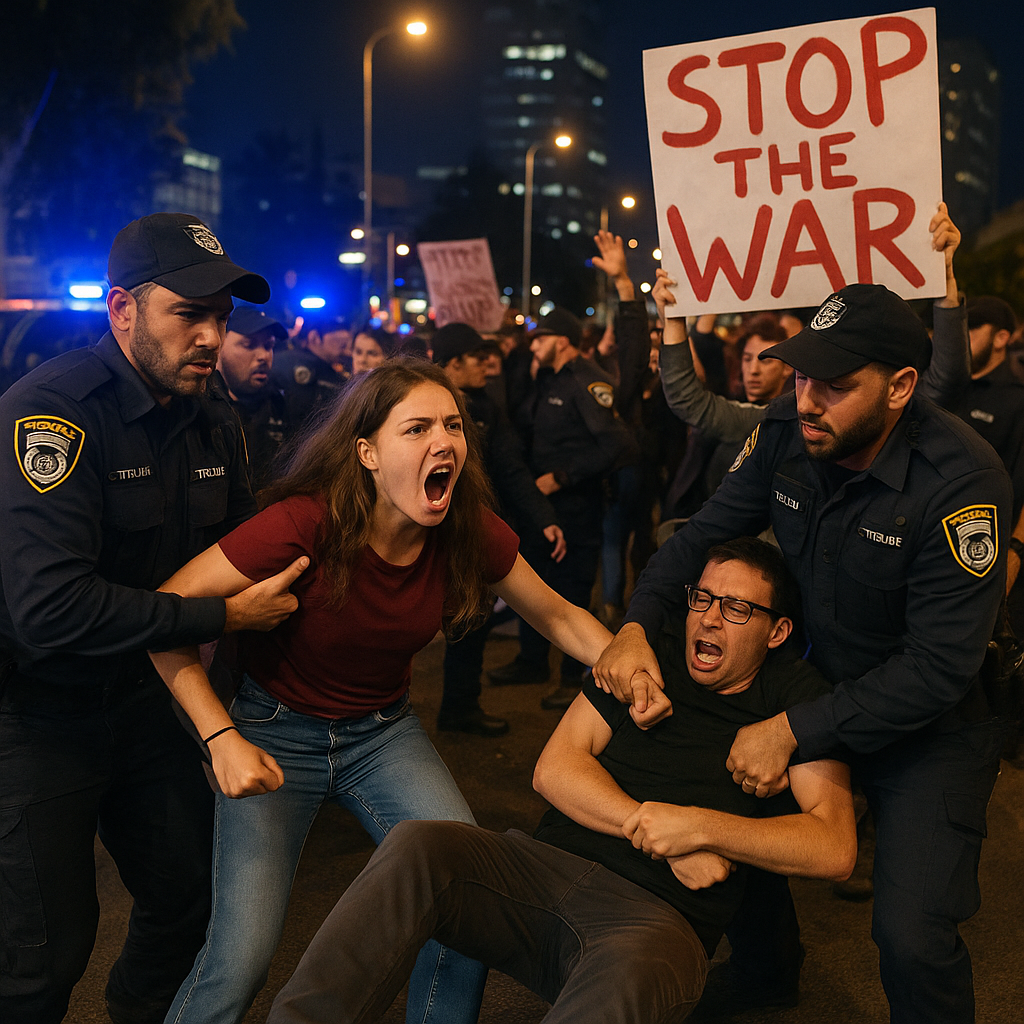
Israeli Police Arrest Antiwar Protesters in Tel Aviv

Israeli Police Arrest Antiwar Protesters in Tel Aviv: The Struggle for Freedom of Expression
In recent weeks, Tel Aviv has become a flashpoint for antiwar protests, culminating in substantial police action against demonstrators. The arrests have sparked widespread debate about freedom of speech, the role of civil society in conflict zones, and the power wielded by state authorities.

Context of the Protests
The backdrop of the Israeli antiwar protests lies in ongoing tensions surrounding military actions and governmental policies. Activists, largely from grassroots organizations, have been vocal in expressing their opposition to government decisions viewed as aggressive or unjust. Recent arrests in Tel Aviv have underscored the tension between state power and civil liberties, raising fundamental questions about the right to dissent in a democratic society.


According to various sources, the demonstrators congregated in several key areas of the city, chanting slogans advocating for peace and an end to violence. Reports indicate that the police employed significant measures to disperse the crowds, resulting in more than a hundred arrests. The Israeli police stated that the arrests were necessary to prevent what they termed “disorderly conduct.” However, critics argue that these actions represent a dangerous encroachment on freedom of expression.


Different Perspectives on the Arrests
1. Law Enforcement’s Viewpoint
From the perspective of law enforcement, maintaining public order is crucial, especially given the volatile political climate surrounding the Israeli-Palestinian conflict. An unnamed police spokesperson emphasized the need to ensure safety, stating, “Our priority is to protect citizens and prevent escalation.” This justification has been echoed in multiple reports by Al Jazeera and other news outlets, where police actions are framed within a narrative of public safety.
2. Activist Reactions
Conversely, activists have decried the police’s response as heavy-handed and repressive. Protesters claim their right to demonstrate peacefully is being undermined. An activist spoke out following the arrests, asserting, “This is not just about our freedom to protest; it’s about standing against militarization and seeking accountability.” This sentiment reflects a broader frustration among various civil rights groups who believe that dissent is becoming increasingly criminalized in Israel.
The Impact on Civil Liberties
The clashes and subsequent arrests have reignited discussions about civil liberties in Israel. Critics argue that the government’s clampdown on protests hampers democratic discourse. This perspective aligns with sentiments expressed in various forums, suggesting that the growing police presence at demonstrations signals a shift toward increased authoritarianism.
In stark contrast, some voices within national discourse maintain that public safety measures are prudent in light of escalating tensions. They warn that unchecked protests could spiral into violence, impacting civilians on both sides of the Israeli-Palestinian divide.
The Role of International Community and Media
The international reaction to these events has been mixed. Some human rights organizations have called for scrutiny of the Israeli government’s actions, urging global leaders to advocate for civil rights within Israel. For instance, reports from the RT network highlight calls from international observers for dialogue and mediation rather than repression, emphasizing that freedoms of speech and assembly are universal rights.
However, the mainstream media coverage tends to focus on immediate events rather than the broader implications for civil society. While activists have taken to social media platforms to raise awareness, the traditional news cycle often prioritizes political narratives, potentially neglecting the voices of demonstrators. This raises critical questions about who gets to frame the discourse around protests and dissent.
Navigating an Uncertain Future
As the protests in Tel Aviv continue, the line between maintaining public order and respecting civil liberties seems to be a tightrope walk for the Israeli government. While there appears to be a strong desire among some community leaders to reduce tensions and foster dialogue, others fear that arrests and aggressive policing tactics may breed resentment and further division.
Meanwhile, critical voices remain vigilant, reminding the world that these protests are about more than immediate political issues; they touch on fundamental human rights. The ongoing situation reflects the complexities inherent in balancing state authority with individual freedoms, especially in a region marked by long-standing conflict.
—
In conclusion, the narrative surrounding the arrests of antiwar protesters in Tel Aviv is layered and multifaceted, encapsulating the struggle for civil liberties in a politically charged environment. As both sides navigate the intricate dynamics of protest, policing, and speech, it remains essential to engage in open dialogue that honors the need for peace while striving to uphold democratic values. The calls for change resonate beyond borders, reflecting a universal desire for justice and accountability.















