
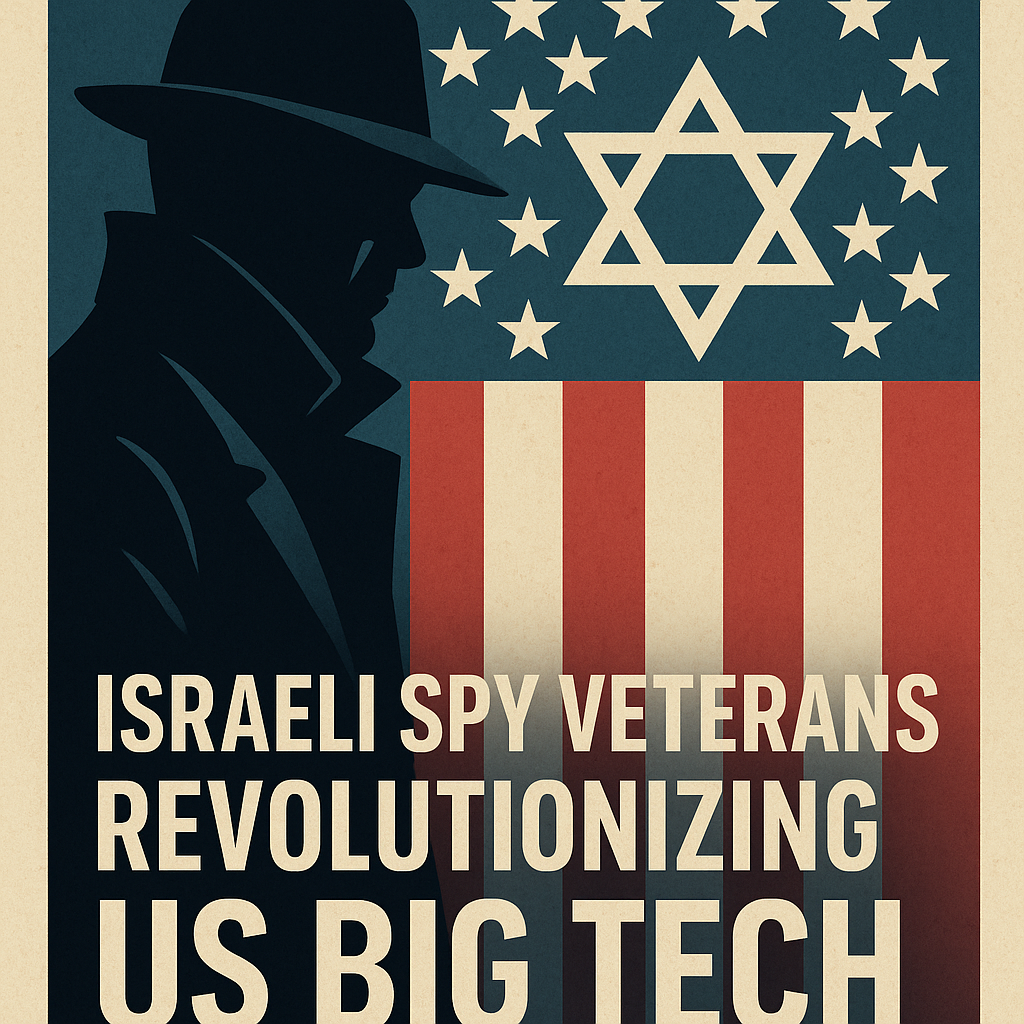
Israeli Spy Veterans Revolutionizing US Big Tech

Israeli Spy Veterans Revolutionizing US Big Tech
The influence of Israeli spy veterans in US Big Tech is a phenomenon that has garnered significant attention, reflecting the intertwining of national security and technological innovation. With backgrounds in military intelligence, these veterans are leveraging their experience to address complex challenges facing the tech industry, from cybersecurity to artificial intelligence.

The Transition from Military to Silicon Valley
Many Israeli spy veterans have made a seamless transition into the world of technology after their military service, particularly through units like Unit 8200, Israel’s elite intelligence corps. This unit is known for cultivating skills in cybersecurity, data analysis, and cutting-edge technologies. According to reports, veterans from this unit have co-founded numerous successful startups in the US, bringing with them a wealth of knowledge that combines rigorous military training and innovative tech focus.


Unique Skill Set and Problem-Solving Abilities
What sets these veterans apart is their advanced skill set in identifying and mitigating threats. As highlighted in a recent Al Jazeera article, this experience enables them to approach problems with a unique perspective. Their focus often aligns with the pressing needs of the tech industry, especially in creating robust cybersecurity solutions.


– Cybersecurity: Many Israeli veterans are well-versed in defensive tactics which help them design better protection mechanisms for apps and platforms. This has become increasingly vital as data breaches and cyber threats escalate.
– Artificial Intelligence: The intelligence community’s experience in data analysis translates effectively into AI development, making these veterans valuable assets for companies investing in intelligent systems.
The skills learned in military settings are proving essential in a tech landscape characterized by rapid change and constant threat evolution.
A Complex Relationship Between Innovation and Ethics
However, the integration of military veterans into the tech sphere isn’t without its criticisms. Some critics argue that the military background of these veterans can bring inherent biases, particularly related to surveillance and privacy. According to various sources, there are growing concerns about the potential for increased surveillance measures being adopted by tech companies influenced by military-practice ideologies.
While some proponents argue that leveraging military-grade technologies in civilian life can lead to safer digital environments, others caution about the ethical implications. The challenge lies in balancing the innovative spirit with a commitment to maintaining civil liberties. A Sky News report emphasizes that this concern is amplified as Big Tech companies are under scrutiny for their data collection practices. This raises questions about where the lines are drawn regarding national security, personal privacy, and corporate responsibility.
Divergent Views on Ethical Implications
It’s important to acknowledge the spectrum of opinions surrounding this topic. On one hand, advocates argue that the expertise brought by Israeli veterans is pivotal in advancing security protocols and foundational technologies. Conversely, skeptics platform their views by voicing concerns that deploying military methodologies in civilian sectors could erode societal values, leading to potential overreach.
Companies increasingly face the challenge of ensuring that innovative technological solutions do not compromise ethical standards. The debate encapsulates broader societal issues about the trade-offs between enhanced security and individual rights in an age where technology permeates every aspect of life.
Conclusion
The impact of Israeli spy veterans on US Big Tech is multifaceted, characterized by their invaluable contributions to cybersecurity and artificial intelligence. The skills and methodologies they bring from their military experience are reshaping how technology companies approach problem-solving in a rapidly evolving landscape. However, it is essential to remain vigilant regarding the ethical ramifications of this trend. As the tech industry continues to integrate insights from military intelligence, robust conversations about privacy, ethics, and public trust will be critical in guiding this new frontier.
In navigating these complexities, the tech community must strive for a balance that embraces innovation while safeguarding the principles of freedom and privacy. Only through open dialogue and careful consideration of varied viewpoints can a path forward be forged that honors both progress and ethical responsibility.















