
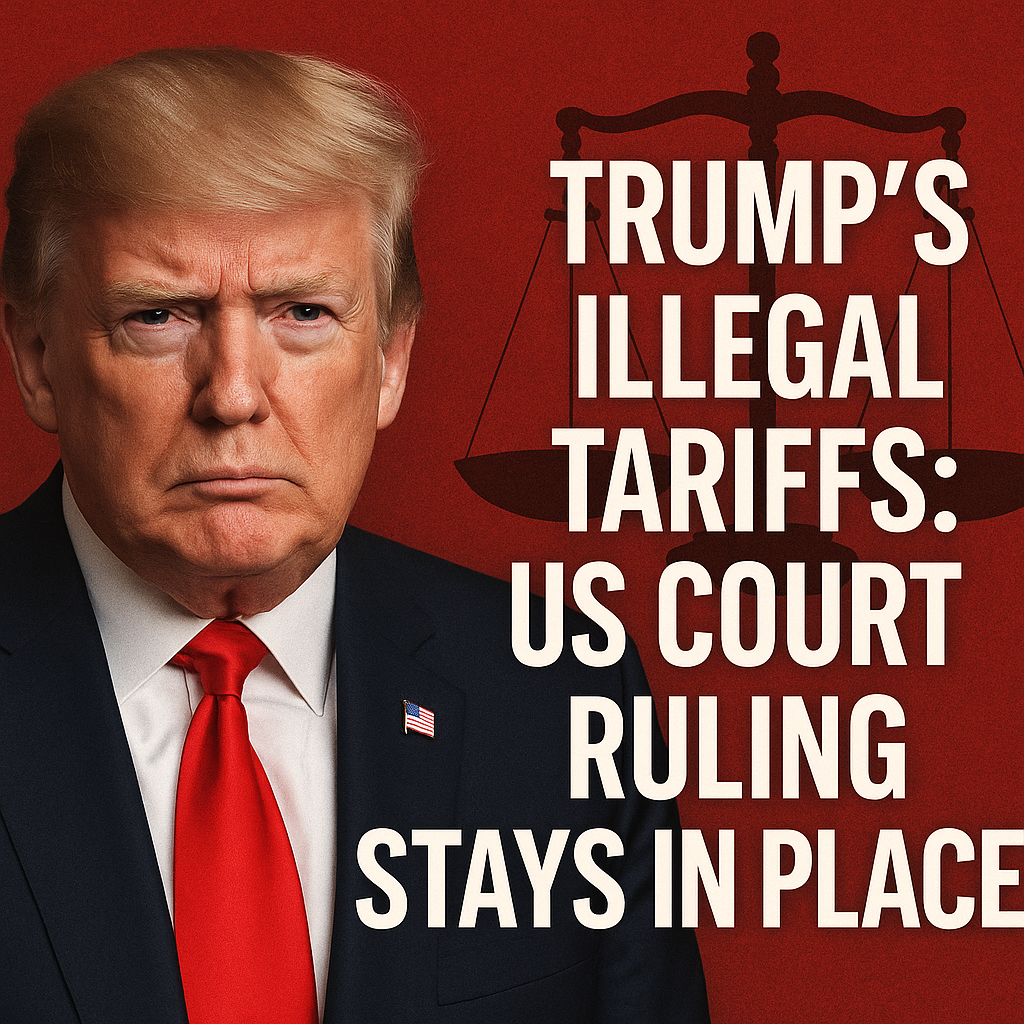
Trump’s Illegal Tariffs: US Court Ruling Stays in Place

Trump’s Illegal Tariffs: US Court Ruling Stays in Place
The recent US court ruling regarding Donald Trump’s global tariffs has sparked a complex debate about trade policy, economic implications, and executive power. While the court deemed these tariffs illegal, it has allowed them to remain in place for the time being, raising questions about the long-term effects on both the economy and international relations.

The Ruling: A Dual Perspective
In a pivotal ruling, the US Court of International Trade concluded that Trump’s tariffs, particularly those imposed on steel and aluminum imports, were unlawful under the Trade Act of 1974. The court criticized the lack of substantial justification for these tariffs, stating that they did not adhere to the legal standards required for such actions.


However, the court also decided to stay the ruling, meaning the tariffs will remain in effect while an appeal is considered. This decision infuriated many who see the tariffs as a form of economic protectionism that has led to increased consumer prices and strained relations with key trading partners.


Economic Impact and Trade Relations
Economically, the debate hinges on contrasting views regarding the tariffs’ effectiveness. Supporters, primarily from the manufacturing sector, argue that the tariffs have helped protect American jobs and may encourage domestic production. According to a piece in Sky News, advocates assert that these measures have been pivotal in revitalizing the American steel industry.
Conversely, critics, including major corporations and trade experts, contend that these tariffs have had a detrimental impact on consumers, leading to higher prices on everyday goods. Economic data has shown that the cost of imported steel has risen sharply, impacting industries reliant on these materials, such as automotive and construction. Al Jazeera reported that many businesses have already begun to adjust their pricing structures in response to these increased costs, potentially leading to a rise in inflation.
The Legal and Political Landscape
The legal environment surrounding these tariffs adds another layer of complexity. While the court found them illegal, the staying of the ruling suggests that the administration may continue to leverage these tariffs politically, particularly against the backdrop of the forthcoming elections. This decision reflects the delicate balance between legal accountability and political maneuvering.
On the political front, the ruling has polarized opinions. Supporters of Trump view the tariffs as a necessary tool to counter what they perceive as unfair trade practices from countries like China. However, opponents highlight the adverse effects on US consumers and industries that depend on competitive pricing. The continued existence of these tariffs, even after being deemed illegal, raises significant questions about the power dynamics between the judiciary and the executive branches of government, suggesting that a legal ruling may not always translate into immediate policy changes.
Future Implications and Uncertainties
Looking ahead, multiple scenarios could unfold depending on the court’s decisions and the subsequent actions of the Biden administration. While the Democratic leadership has indicated a willingness to revisit trade policies initially set by the Trump administration, the complexity of global trade relationships could restrict drastic changes. Key allies, recognizing the tariffs’ impact on their economies, may opt for diplomatic negotiations to address the issue.
As the legal process continues, businesses will likely remain in a state of uncertainty. Companies dependent on imported materials will need to strategize around fluctuating tariffs and the potential for policy shifts. The administration’s ability to navigate these waters will be pivotal not just for economic health but also for international relations—particularly with allies who feel threatened by these tariffs.
Conclusion
The ruling on Trump’s tariffs may mark an important touchstone in US trade policy, reflecting broader complexities in legal, economic, and political contexts. While deemed illegal, the stay on the ruling highlights the contentious interplay between law and policy, along with the significant uncertainties that lie ahead for businesses and consumers alike. As America grapples with its position in global trade, the legacy of these tariffs will likely continue to influence discussions long after the court’s final decision.















