EU Launches Ukraine & Moldova Accession Process Today

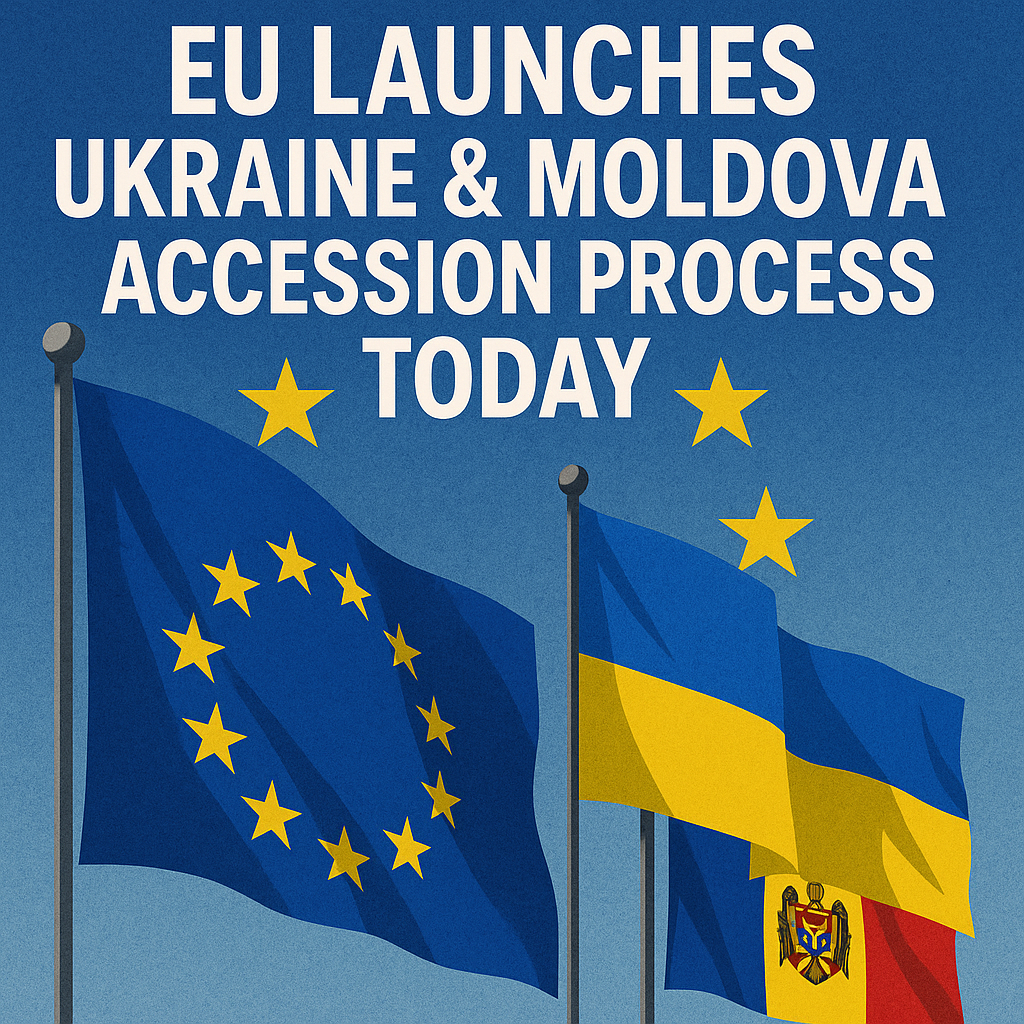
The EU has officially launched the accession processes for Ukraine and Moldova, marking a significant step in their aspirations to join the European Union. This development is not merely a procedural formality; it represents a profound geopolitical moment as both nations seek closer ties with Europe in the wake of recent conflicts and challenges.

A Historic Milestone for Ukraine and Moldova
This milestone comes at a time when Ukraine, currently embroiled in a fierce conflict with Russia, seeks to solidify its national identity and protect its sovereignty. For Moldova, the ongoing strife in Ukraine has heightened the urgency to align more closely with EU frameworks as a safeguard against potential aggression. As reported by Al Jazeera, the formal commencement of the accession process was announced in conjunction with a summit in Brussels, where EU leaders underscored their commitment to support both nations amidst their ongoing struggles.


Motivations Behind EU’s Support
The motivations for the EU’s push to accelerate membership for Ukraine and Moldova are complex and multifaceted:


– Geopolitical Stability: Granting these nations a pathway to EU membership is not just beneficial for Ukraine and Moldova; it is also a strategic move for the EU. By integrating these countries into its political and economic frameworks, the EU aims to secure stability in Eastern Europe and counterbalance Russian influence in the region.
– Democratic Values and Reforms: Both countries have expressed a commitment to adopting EU norms and regulations, an alignment that is crucial as they work toward meeting the membership criteria. The EU has emphasized that reforms in governance, rule of law, and anti-corruption measures will be key components of their accession journey.
– Support for Security: Given the precarious security environment, both nations have been vocal about their need for enhanced support from the EU. This includes military aid, economic assistance, and infrastructural developments that would bolster their defenses and promote economic resilience.
Challenging Path Ahead
While the initiation of the accession process is optimistic, experts caution that the road to EU membership is long and fraught with challenges. Historical precedents indicate that accession can take years, requiring extensive reforms and negotiations.
Key Challenges
1. Adopting EU Regulations: Both Ukraine and Moldova will need to demonstrate substantial progress in aligning their laws and systems with EU standards. This requires not only political will but also significant public and institutional support.
2. Addressing Internal Conflicts: Moldova, in particular, faces internal challenges, including the political divide over its direction and the unresolved status of Transnistria, a breakaway region. These internal dynamics could complicate and delay its accession prospects.
3. Managing External Pressures: Both countries are likely to face pressures from Russia, which has historically opposed NATO and EU expansion into what it perceives as its sphere of influence. As Moldova and Ukraine navigate their paths forward, they must carefully strategize how to address these pressures without jeopardizing their sovereignty.
International Response and Regional Dynamics
The international community has largely welcomed the EU’s decision, recognizing its potential to reshape the geopolitical landscape of Eastern Europe. Responses from various political leaderships reflect a broad consensus on the importance of supporting Ukraine and Moldova in their accession journeys.
For instance, political analysts note that the accession process could serve as a catalyst for broader reforms across the region, potentially inspiring neighboring countries to pursue a similar path. However, skepticism remains among certain factions, particularly regarding the EU’s operational capabilities to manage and sustain such an enlargement effectively.
Conclusion: A New Era for Eastern Europe
The launch of the accession processes for Ukraine and Moldova signifies a pivotal moment in European integration and geopolitics. With the EU’s promise of support and the clear aspirations of both nations, this development heralds the possibility of a more unified and stable Eastern Europe.
The coming years will be critical as Ukraine and Moldova navigate the complexities of reform, regional security, and external pressures. While the path to EU membership is intricate, the impetus for change is strong. As these countries move forward, their progress will not only reshape their own futures but could also redefine the European project itself.