Israeli Strikes Kill Four in Lebanon Amid Ceasefire Talks

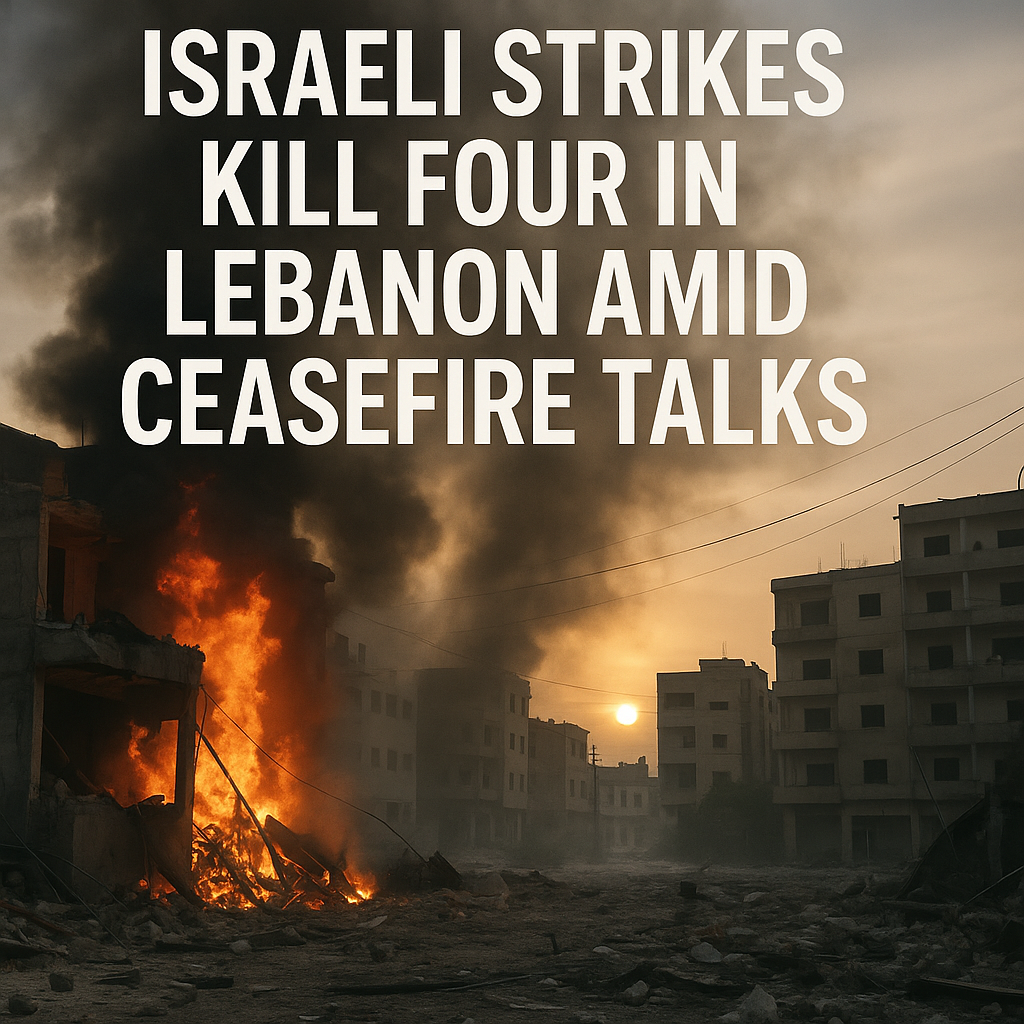
In the latest developments regarding the ongoing tensions in the region, Israeli airstrikes have resulted in the deaths of four individuals in southern Lebanon, all occurring amid fragile ceasefire negotiations. This incident raises critical questions about the stability of the area and the potential for a diplomatic resolution.

Escalation Amid Negotiations
Al Jazeera reported that the Israeli military claimed these strikes were in retaliation for rocket fire from Lebanon into northern Israel, emphasizing a pattern of hostilities that has persisted for years. This narrative underscores Israel’s longstanding policy of responding assertively to perceived threats. However, the aftermath has deepened concerns about the impact of military actions on diplomatic efforts aimed at achieving a ceasefire.


Conversely, representatives from Hezbollah, Lebanon’s militant group, accused Israel of escalating the conflict and disregarding the precarious situation faced by civilians. This view reflects a common sentiment among Lebanese leaders who argue for a more peaceful approach, criticizing external military interventions that further complicate peace talks.


According to reports, the recent airstrikes were particularly notable given that both sides had reportedly been engaged in discussions aimed at achieving a ceasefire. The timing of these attacks raises questions about both Israel’s strategy and the reliability of negotiations. While some analysts argue that military actions like airstrikes can be used to bolster negotiation tactics, critics suggest such actions often undermine trust and prolong conflicts.
Diverging Perspectives on Military Action
The divergent viewpoints surrounding the Israeli airstrikes highlight the complex dynamics at play. On one hand, supporters of Israel argue that proactive measures are necessary to ensure national security. According to reports from RT, Israeli officials contend that they must act decisively against any threats, particularly when their citizens face rocket fire.
Yet, this perspective is vehemently countered by many in the international community, including human rights advocates, who argue that military actions risk civilian lives and further inflame tensions. The casualties from the recent strikes raise serious ethical questions about the conduct of warfare and the responsibilities of states in conflict situations. Many community leaders in Lebanon stress that military responses only serve to entrench adversarial positions, making future negotiations more difficult.
The dissonance between military rationale and calls for peaceful resolution illustrates an ongoing struggle to balance security needs with humanitarian considerations. Peace advocates point to the necessity for dialogue, emphasizing that without addressing the underlying grievances that fuel violence, any ceasefire remains temporary.
The Path to Recovery
In light of these recent events, the prospects for peace seem increasingly complex. The Lebanese government, alongside other regional actors, faces challenges in stabilizing the situation. Some analysts argue that for any effective diplomatic solution to emerge, there needs to be a concerted effort towards addressing the root causes of hostilities, including territorial disputes and broader regional tensions.
Moreover, stakeholders must engage in honest dialogues that recognize the perspectives of both sides. This means both acknowledging Israel’s security concerns and addressing Lebanon’s sovereignty and rights. With ongoing discussions in the backdrop of military actions, finding a common ground may require more than just temporary ceasefires; it necessitates shifting the focus toward transformative dialogues and conflict resolution strategies.
As the region holds its breath, the latest airstrikes and the subsequent reaction underscore not only the fragility of peace but also the necessity for sustained international attention and mediation efforts. Moving forward, the challenge will be to foster an environment where constructive talks can occur, disengaging from cycles of violence and distrust that have long plagued Israeli-Lebanese relations.
In summary, while military actions like Israel’s recent airstrikes draw clear lines in the immediate tactical landscape, they also complicate a path already fraught with difficulties towards achieving enduring peace in an area long characterized by tension and conflict.