Russian Warship Fires Warning Shots in English Channel: What We Know

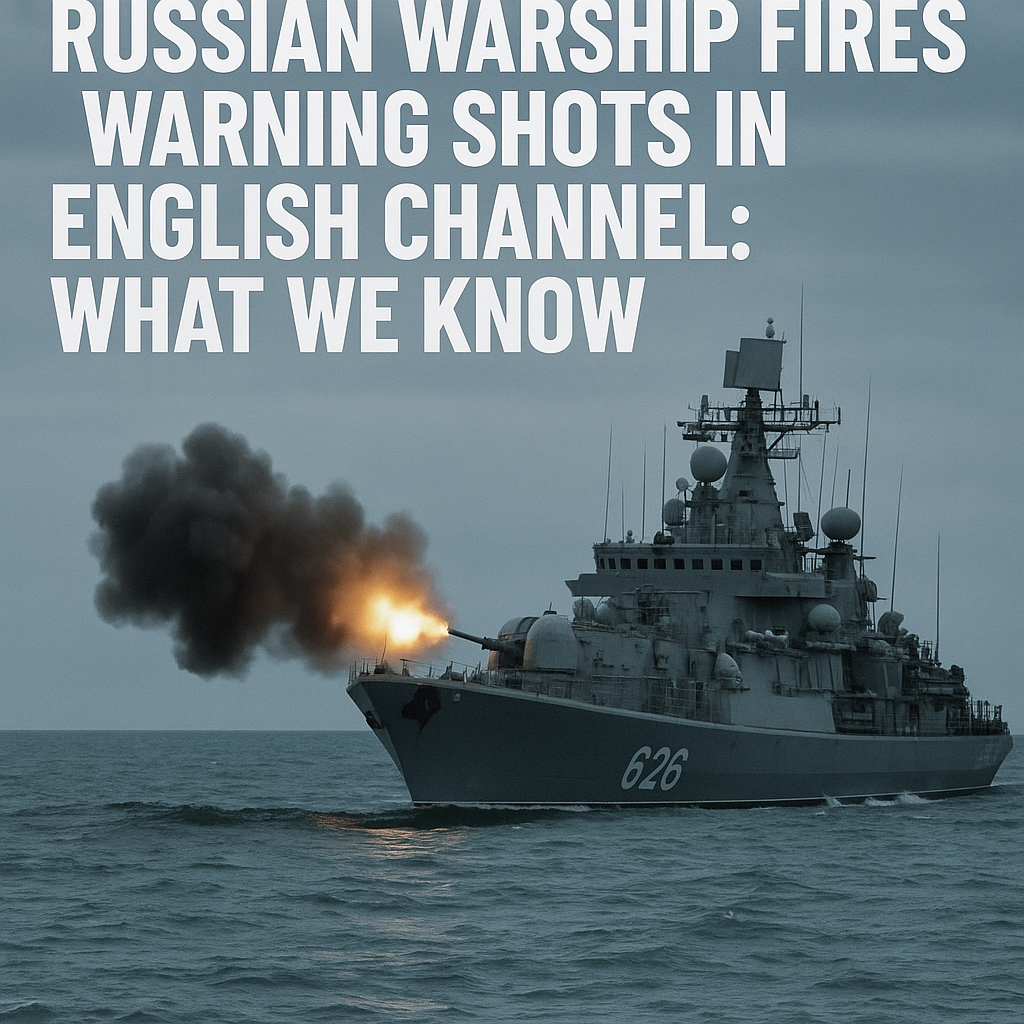
Russian Warship Fires Warning Shots in English Channel: What We Know
The recent incident involving a Russian warship firing warning shots in the English Channel has sparked intense discussions regarding maritime security and geopolitical tensions. This event highlights the delicate balance between naval operations and international diplomacy, and raises pertinent questions about the implications for military interactions in crowded waters.

The Incident Unfolds
On [date], a Russian frigate reportedly fired warning shots at a British merchant vessel navigating through the busy shipping lanes of the English Channel. According to reports from Sky News, the frigate sought to signal the merchant ship to change its course, prompting a reaction that sent ripples through naval command centers in both the UK and Russia.


The UK’s Ministry of Defence promptly issued a response, emphasizing that British naval forces are routinely tasked with monitoring such incidents. They underscored the importance of maintaining safe passage in this critical shipping route, known for its high traffic and strategic importance. Russia, on its end, portrayed the warning shots as a necessary action to enforce their maritime rights, claiming that the merchant vessel had entered a restricted area.


This dynamic illustrates how international law and maritime operations can collide, especially against a backdrop of rising tensions related to territorial waters and military maneuvers.
Different Perspectives on Maritime Operations
The reactions to this incident have varied significantly depending on the source. Major outlets like Al Jazeera focus on the broader implications of Russia’s naval activities, suggesting that this episode reflects escalating military posturing in the region. They note that the frequency of such occurrences has increased amid ongoing conflicts between Western nations and Russia, particularly related to Ukraine.
Conversely, Russian state media offers a divergent viewpoint, framing the actions of the frigate as part of their legitimate defense of national interests. They insist that international waters can sometimes blend with claimed territorial zones, a narrative that resonates with their recent maritime practices.
– Key Points from Al Jazeera:
– Increasing military posturing by Russia in Western waters.
– Concerns over safety and freedom of navigation in the Channel.
– Key Points from Russian State Media:
– Justification of firing warning shots as necessary for national security.
– Claim of merchant vessel encroaching on restricted waters.
These contrasting narratives signify not just a dispute over waters, but a larger ideological split concerning maritime operations and sovereignty.
Broader Implications for Global Maritime Security
This incident comes at a time when maritime security is facing profound challenges. The English Channel remains one of the busiest waterways, serving thousands of ships daily. Any disruption could have far-reaching consequences, affecting not only trade but also international relations.
– Strategic Significance: The Channel is vital for the UK and continental Europe, making any military operations here particularly alarming.
– Potential for Escalation: Experts warn that incidents like this could lead to unintended consequences, escalating military tensions that might draw in other nations.
Western analysts express concern about how such military actions could galvanize alliances or prompt increased surveillance in the area. The NATO response strategy to Russian actions at sea will likely need to adapt as these events unfold, reinforcing their commitment to ensuring freedom of navigation while preventing escalation with nuclear-armed adversaries.
Navigating Uncertainties
While the immediate reactions to the warning shots have been characterized by stark contrasts, the longer-term implications remain uncertain. Analysts point out that misunderstandings and miscalculations can occur in high-tension scenarios, especially in maritime contexts where miscommunication can lead to dangerous outcomes.
In essence, the episode serves as a reminder that naval operations are fraught with complications requiring due diligence, transparency, and effective communication to mitigate conflicts. As nations navigate these turbulent waters, maintaining a focus on diplomacy and conflict prevention will be essential, ensuring that tensions do not spiral into broader confrontations.
In conclusion, this recent incident involving the Russian warship serves as a case study of the complexities surrounding modern maritime operations. By examining the various narratives and the potential implications, it becomes clear that addressing maritime security requires collective efforts, grounded in respect for international norms and mutual understanding.