
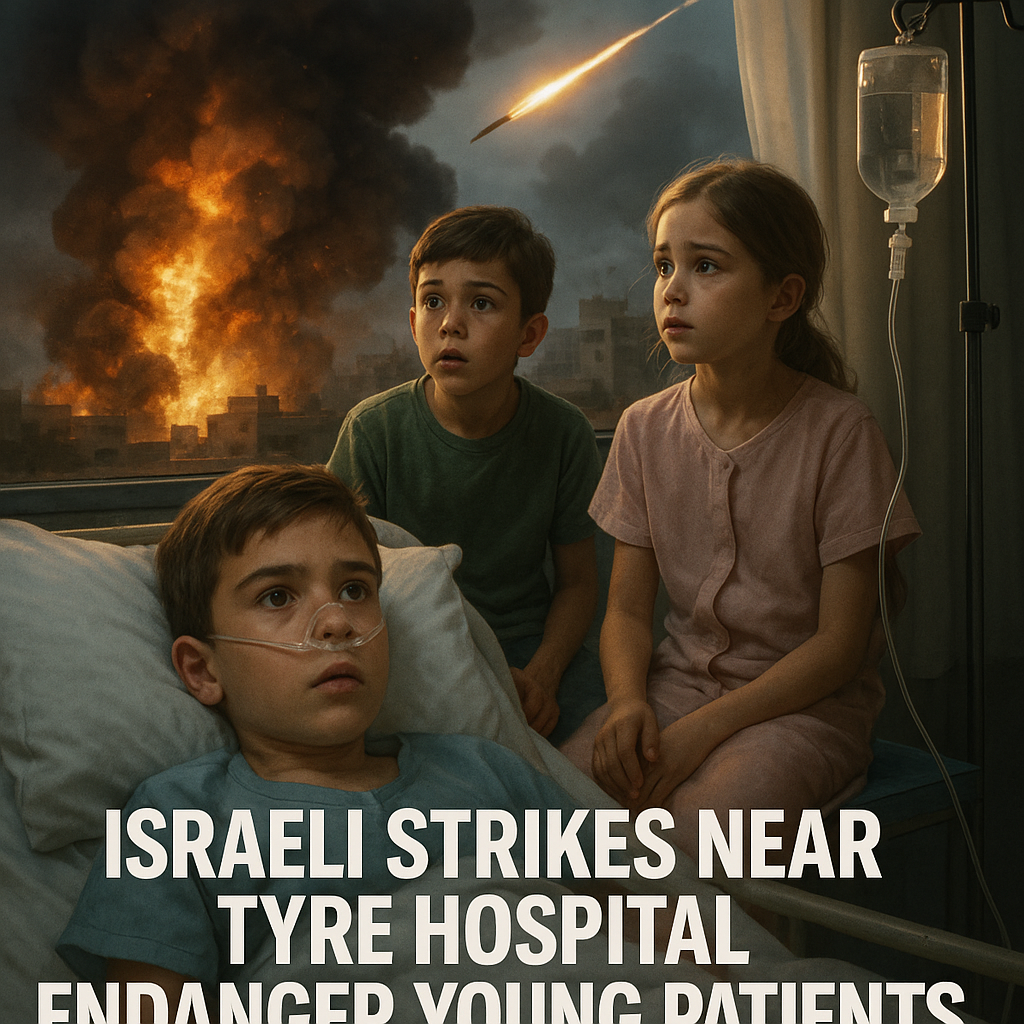
Israeli Strikes Near Tyre Hospital Endanger Young Patients

Israeli Strikes Near Tyre Hospital: A Growing Humanitarian Concern
Recent Israeli strikes in the vicinity of a hospital near Tyre, Lebanon, have raised alarm among humanitarian organizations and health officials. These military operations, laden with geopolitical complexities, are magnifying the already precarious situation for vulnerable populations, especially young patients who rely on medical care.

The Context of the Strikes
Tensions between Israel and various armed groups in Lebanon have a long history, often flaring up with little warning. The latest military actions have occurred during a period of heightened conflict, which has led to serious implications for civilians, particularly those in and around healthcare facilities. Al Jazeera reported that these strikes have put at risk the lives of young patients in the hospital—a claim echoed by multiple sources documenting the consequences of armed conflict on healthcare.


While some view these strikes as a justified military response to threats posed by militant groups, others highlight the indiscriminate nature of such actions. The risk to young patients and their families raises ethical questions regarding the legitimacy of targeting areas close to civilian infrastructure, especially hospitals. Medical sanctuaries should inherently be respected and protected, regardless of the conflict dynamics.


The Humanitarian Impact
The strikes have ignited international concern, with organizations such as the World Health Organization (WHO) expressing condemnation over the endangerment of medical facilities and personnel. According to reports, the psychological trauma suffered by young patients waiting for treatment becomes exacerbated when they are under threat from airstrikes and artillery fire.
Most striking is the evidence showing increased numbers of young patients presenting with anxiety, fear, and trauma-related disorders, which can severely compromise their overall health. The consequences are not limited to those injured; families across the region are grappling with the fear and unpredictability of conflict, hindering their access to necessary medical services.
Diverging Viewpoints
The discourse surrounding these strikes is sharply polarized. Supporters of Israel’s actions often argue they are necessary to counteract perceived threats from hostile entities, positing that the strikes are a measure of self-defense aimed at protecting Israeli citizens. They emphasize that all measures are taken to minimize collateral damage, although this claim bears scrutiny amid reports of civilian impact.
Conversely, critics contend that such military tactics recklessly disregard the safety of innocent lives, specifically vulnerable groups like children. Humanitarian advocates argue that the ramifications of military aggression extend far beyond immediate casualties—they instigate long-term psychological and social repercussions that can last for generations. This sentiment resonates strongly with accounts from Tyre, where residents express both fear and frustration over the ongoing violence.
An Uncertain Future
As the situation unfolds, the complexities and uncertainties inherent in military conflicts only deepen. While some may interpret the strikes as a necessary defensive measure, the risks posed to innocent lives, particularly children in medical facilities, raise profound moral questions. The divergence in perspectives points to a broader discourse about the ethics of warfare—especially in populated regions where civilian lives hang in the balance.
The international community faces a crucial challenge: balancing legitimate security concerns against humanitarian principles aimed at preserving life. Calls for a ceasefire and negotiations continue to grow louder, emphasizing the urgent need for dialogue amidst chaos. Failing to address the humanitarian implications of military action can lead to a cycle of violence that ultimately harms the very communities that conflict aims to secure.
In summation, while the immediate actions taken by military forces may seem justified to some, a profound examination of the consequences reveals a troubling narrative: one where young patients bear the brunt of geopolitical struggles. As this complex crisis evolves, the imperative for a compassionate and multifaceted response becomes ever more urgent.















