
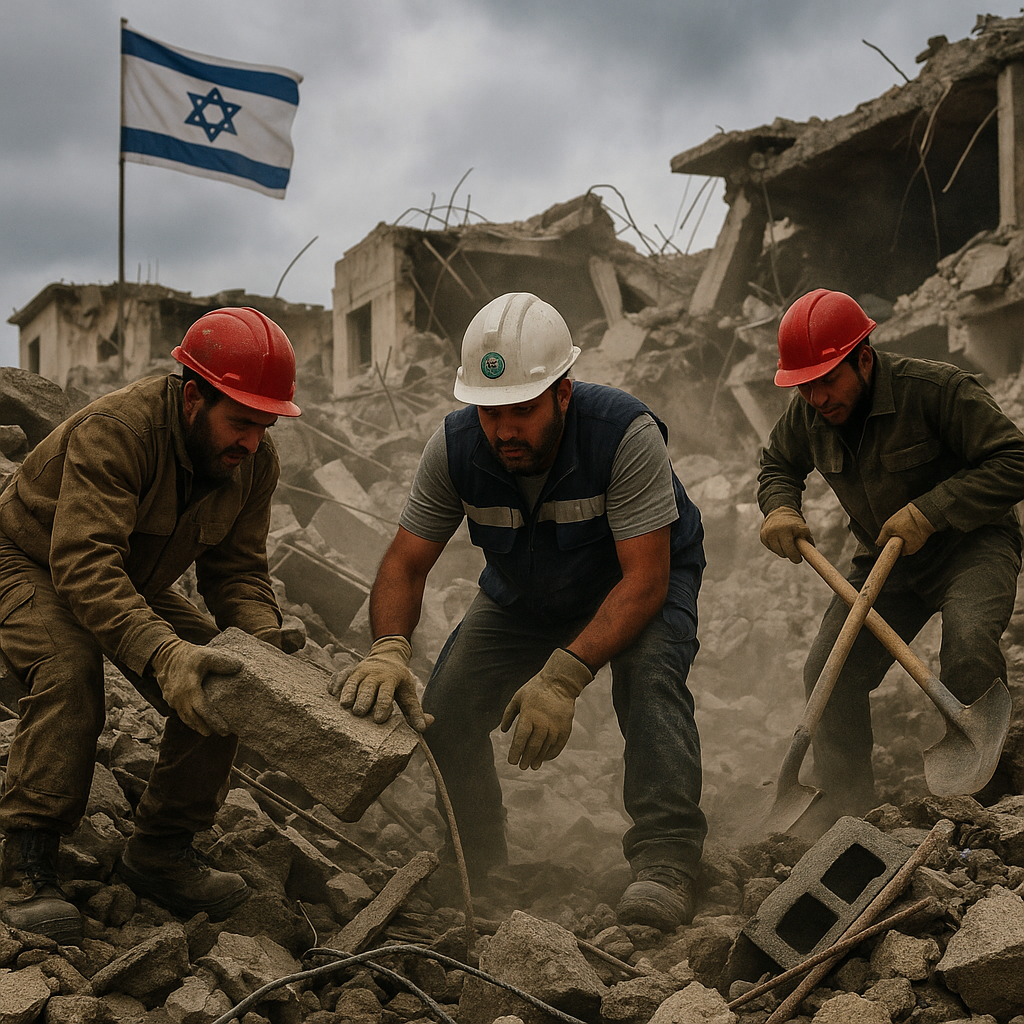
Israeli Strikes: Rescuers Dig Through Rubble in South Lebanon

Israeli Strikes: Rescuers Dig Through Rubble in South Lebanon
The recent Israeli strikes in South Lebanon have prompted urgent rescue efforts, with teams working tirelessly to dig through the rubble in search of survivors. The strikes, which have intensified the already fragile regional dynamics, have left communities grappling with tragedy and uncertainty. This article delves into the current situation, contrasting viewpoints, and ongoing rescue efforts while providing a balanced perspective on this complex issue.

The Context of the Strikes
Understanding the implications of the Israeli strikes requires familiarity with the underlying tensions in the region. According to multiple reports, the strikes reportedly targeted sites associated with groups like Hezbollah, reflecting longstanding hostilities that have existed between Israel and various factions in Lebanon.


Diverse Reactions to the Strikes
The response to the Israeli airstrikes has varied significantly across different stakeholders. Some political leaders in Lebanon have condemned the actions, framing them as aggressive violations of national sovereignty. “Such assaults only exacerbate the ongoing humanitarian crises and fuel cycles of violence in the region,” one analyst noted. This sentiment echoes a growing concern about the implications for civilian lives and regional stability.


Conversely, Israeli officials have justified their military actions as necessary to neutralize perceived threats posed by Hezbollah. Citing intelligence reports indicating potential attacks from southern Lebanon, they argue that proactive measures are crucial for national security. This perspective reflects a long-standing rationale for military intervention in conflict zones, where states seek to preemptively address threats to their citizens.
Rescue Efforts Amidst the Chaos
As rescuers dig through the rubble in South Lebanon, their efforts are impeded by both the structural damage and ongoing tensions. Reports from the ground describe harrowing scenes—people trapped under collapsed buildings, while others express disbelief and fear about further escalations. Rescue workers have emphasized the urgency of their efforts, stating, “Time is of the essence, and every moment counts for those still buried underneath.”
The Human Cost
The human toll of the strikes is heart-wrenching. Eyewitness accounts reveal that many families have been severely impacted, with some losing multiple members in the attacks. The lack of immediate aid and the destruction of medical facilities have complicated rescue operations, heightening concerns over a looming humanitarian crisis. With the closure of major roadways due to damage, reaching those affected has become increasingly challenging.
The United Nations and various NGOs have called for immediate ceasefires to allow humanitarian access and assessments of the situation. However, the political reality complicates these calls; various factions may have differing motives that hinder collaborative efforts for relief.
Uncertainties and Future Implications
While international responses are evolving, a consensus about the way forward remains elusive. Countries in the region are divided in their responses, with some advocating for diplomatic resolutions to the conflict while others express support for Israel’s actions. As pressure mounts from the global community for restraint, it is evident that the multifaceted nature of the conflict calls for nuanced dialogue rather than escalatory measures.
The Role of International Stakeholders
International stakeholders, including governments and humanitarian organizations, are urged to engage in meaningful dialogue that seeks to address root causes rather than merely responding to symptoms of conflict. The broader implications extend beyond the borders of Lebanon and Israel; they influence regional stability, relationships with Western powers, and global peacekeeping efforts.
While an immediate resolution seems unlikely, ongoing dialogues and diplomatic negotiations may eventually pave the way for a more stable future. The stakes are high, with many lives hanging in the balance, reflecting the pressing need for both humanitarian aid and political solutions.
—
In sum, the situation in South Lebanon following the Israeli strikes reflects a complex interplay of military action, political rhetoric, and humanitarian efforts. As rescuers continue their arduous work amidst the rubble, the broader implications of these strikes challenge us to confront the deeper issues that underpin this long-standing conflict. Striving for peace and understanding in the region is crucial—without it, cycles of violence will likely continue unabated.















