
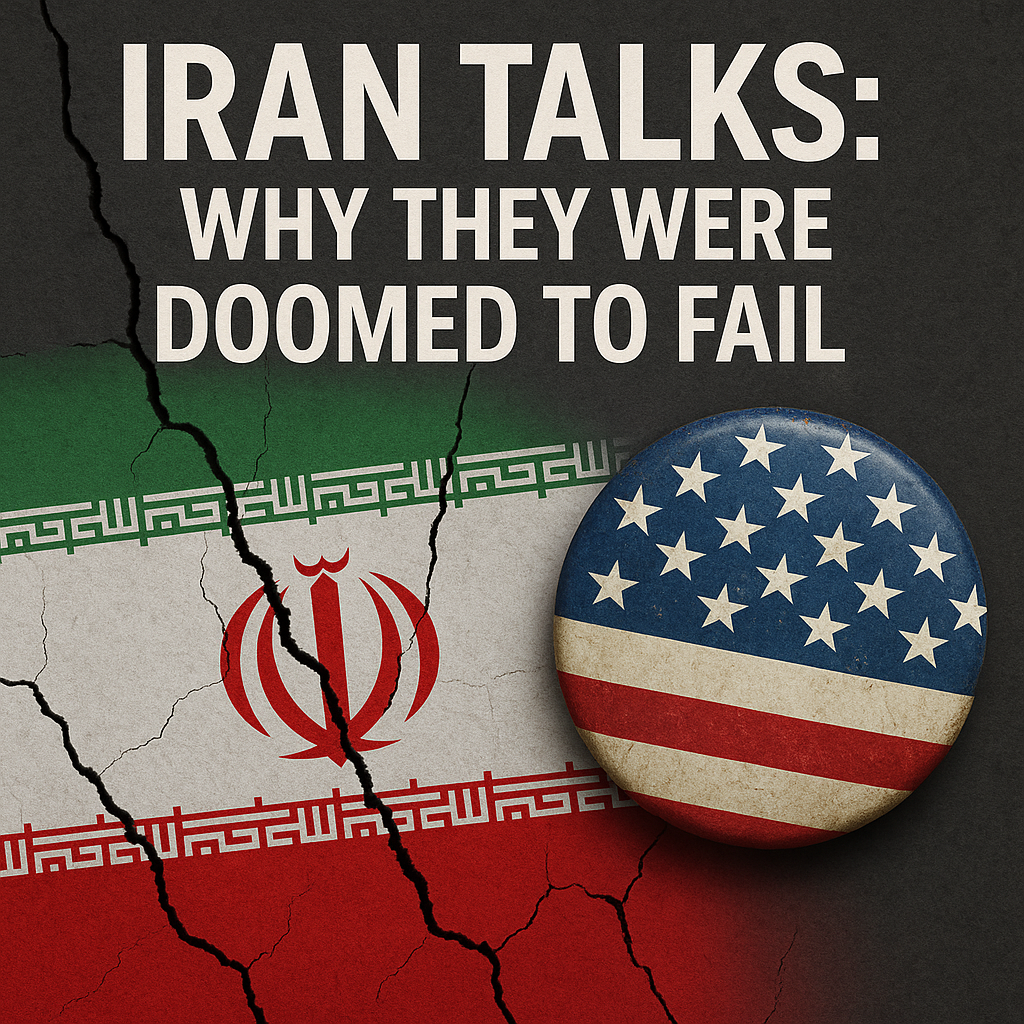
Iran Talks: Why They Were Doomed to Fail

Iran Talks: Why They Were Doomed to Fail
The recent negotiations surrounding Iran’s nuclear program can be viewed through various lenses, illustrating the complexities and challenges inherent in global diplomacy. Critics argue that the talks were fundamentally flawed from their inception, while supporters point out the potential benefits that could be harnessed through compromise and dialogue. Ultimately, the convergence of these viewpoints suggests that the odds were stacked against achieving meaningful progress.

Historical Context of Iran Negotiations
To appreciate the difficulties of the recent talks, it is crucial to understand the historical backdrop. The tension between Iran and Western nations, particularly the United States, has roots extending back to the 1953 coup that reinstated the Shah, a significant blow to Iranian sovereignty. The aftermath of the Islamic Revolution in 1979 further deteriorated relations, leading to decades of sanctions and mutual suspicion.


The nuclear negotiations commenced in earnest in the early 2000s but faced numerous setbacks, including Iran’s nuclear advancements and a lack of faith from Western nations regarding Iran’s intentions. The landmark Joint Comprehensive Plan of Action (JCPOA), implemented in 2016, temporarily eased some of these tensions. However, the U.S. withdrawal from the JCPOA in 2018 under the Trump administration reignited hostilities, prompting an array of punitive measures that crippled the Iranian economy and limited possibilities for peaceful resolution.


Divergent Perspectives on Recent Talks
In evaluating the recent talks, a rift between optimism and skepticism emerged. Some analysts, such as those from Al Jazeera, voiced the viewpoint that an environment ripe for negotiation was available. They highlighted that despite existing grievances, both sides held a vested interest in preventing conflict and creating stability in the region. Iran’s economic struggles, exacerbated by sanctions, alongside a shared desire to avoid military confrontations, could serve as common ground.
Contrastingly, sources like RT pointed to systemic issues that rendered the negotiations ineffective. They argue that Iran’s deep-seated mistrust of Western intentions undermined any potential for genuine dialogue. Key sticking points included issues surrounding military advancements and Iran’s commitments to cease certain activities, demonstrating a fundamental disconnect. Critics noted that the U.S. administration maintained a hardline stance, unwilling to offer concessions that might have bridged the divide.
Key Reasons for the Talks’ Failure
1. Mistrust and Lack of Credibility:
– Fundamentally, mistrust pervaded every level of the discussions. After decades of antagonism and repeated assertions of Iranian deceit concerning its nuclear ambitions, many in Washington remained skeptical about Tehran’s adherence to a new agreement. This wariness was mirrored in Tehran, particularly after the U.S. abandoned the JCPOA, reinforcing a narrative of betrayal.
2. Domestic Pressures:
– The effects of sanctions led to significant internal pressure within Iran, resulting in hardline forces gaining momentum. Concurrently, in the U.S., political factions with little incentive to compromise fed into the narrative of Iran as a rogue state, complicating even modest steps towards reconciliation.
3. Regional Dynamics:
– The broader Middle Eastern geopolitical atmosphere further complicated matters. The involvement of regional adversaries such as Saudi Arabia and Israel, who viewed Iranian military developments as a direct threat, also influenced the U.S.’s stance. Their concerns often translated into a less flexible negotiating position for U.S. diplomats, as they sought to balance regional alliances with the necessity of engaging with Iran.
4. Inflexibility in Priorities:
– Each party entered negotiations with non-negotiable demands; Iran sought relief from sanctions and guarantees against military action, while the U.S. emphasized stringent oversight of Iran’s nuclear program. This rigidity meant that every round of discussions devolved into a standoff rather than a productive dialogue.
Looking Ahead: What Could Change?
Despite the apparent failure of the recent talks, there remains a glimmer of potential for future discussions. Analysts suggest that both parties may eventually recognize the mutual benefits of cooperation, particularly concerning shared global issues like oil prices and regional security.
However, for this to occur, several conditions may need to be met:
– Increased Diplomatic Engagement: Sustained dialogue, rather than sporadic negotiations, could help establish a sense of trust over time.
– Involvement of Regional Stakeholders: Including regional powers in the discussions could help mitigate fears and establish a framework for mutual assurance.
– Addressing Domestic Concerns: Any future agreements will need to accommodate domestic pressures within both countries, preventing political backlash and facilitating a more conducive environment for compromise.
Conclusion
The collapse of the Iran talks serves as a reminder of the multifaceted nature of international diplomacy. While many reasons contributed to their failure, the underlying themes of mistrust, political pressures, and conflicting priorities illustrated a scenario where meaningful progress was unlikely. The path forward remains fraught with challenges; however, history shows that even the most entrenched rivalries can evolve towards cooperation—if there is the political will to engage. As geopolitical landscapes shift, the opportunity for renewed dialogue should not be dismissed outright, although significant hurdles will need to be overcome to foster a lasting peace.















