
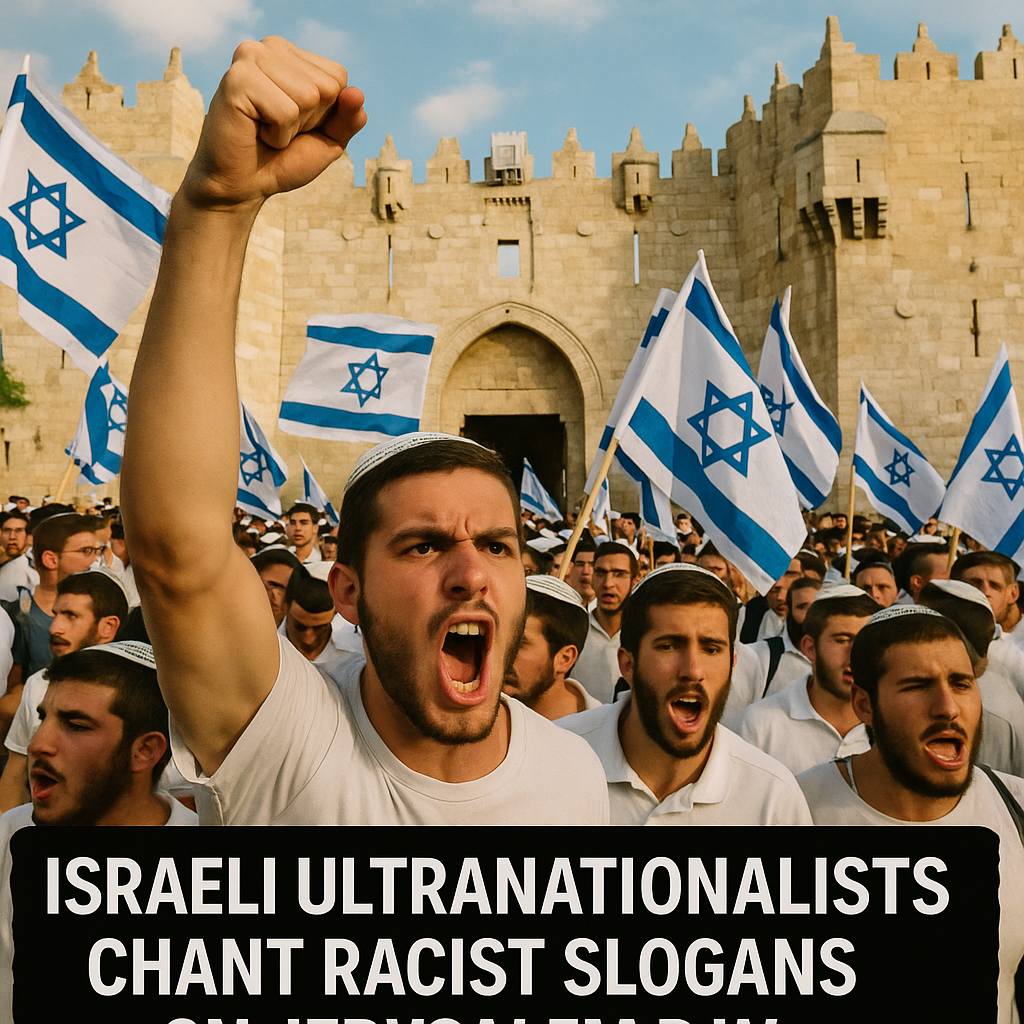
Israeli Ultranationalists Chant Racist Slogans on Jerusalem Day

Israeli Ultranationalists Chant Racist Slogans on Jerusalem Day
The recent Jerusalem Day celebrations in Israel witnessed a significant demonstration by ultranationalists, who chanted slogans that many have denounced as racist. This event raises crucial questions regarding nationalism, identity, and the future of coexistence in a region marked by deep-seated tensions.

The Context of Jerusalem Day
Jerusalem Day, commemorating the reunification of the city during the Six-Day War in 1967, has always been a flashpoint in Israeli-Palestinian relations. This year, however, the atmosphere was charged with heightened ultranationalist sentiment. Reports detail that during the celebrations, a notable segment of participants engaged in chants and slogans targeting Palestinian residents, which have been interpreted as incitements to violence. Such demonstrations of nationalism underscore the complexities that define this city’s identity.


Contrasting viewpoints arise in how this day is perceived. For many Israelis, Jerusalem Day is a moment of pride and reaffirmation of their claim to the city. Conversely, Palestinian residents perceive these displays as direct threats to their existence and rights in a historically contested land. According to reports from Al Jazeera, slogans such as “Death to Arabs” echoed through the streets, prompting outcry from international observers and evoking fear among Palestinians.


Perspectives on Rising Nationalism
The rise of ultranationalism in Israel has been a gradual process, nurtured by political shifts and social movements. The current government’s composition features parties that embrace hardline stances towards the Israeli-Palestinian conflict, effectively validating extremist rhetoric among fringe groups. Such endorsements or indifference from authorities can normalize behaviors that veer into blatant racism.
In stark contrast, some voices within Israel have condemned these actions outright. Leaders from various sectors of society, including advocacy groups and even moderate political figures, have called for a return to dialogue and mutual respect. They argue that these provocations not only harm Palestinians but also taint Israel’s international standing and aspirations for peace.
An article from RT highlights concerns about escalations resulting from such demonstrations, indicating that they could provoke responses from Palestinian factions. This is an ever-present risk, given the precarious balance maintained with a populace enduring ongoing occupation and restrictions.
The Broader Implications
What emerges from these dynamics is a clearer picture of the multifaceted challenges facing both Israelis and Palestinians. The extreme nationalism showcased during Jerusalem Day is not just a momentary episode; it reflects deeper societal rifts and antagonisms that could lead to further divisions.
– International Reaction: Global responses have ranged from calls for condemnation of hate speech to offers for mediation in peace processes. Many feel that unchecked ultranationalism can undermine efforts for a viable two-state solution and, at the very least, threaten basic rights and dignity.
– Local Discontent: Within Israel, reactions are mixed. Many citizens—particularly those who prioritize democratic values—express discomfort and outright disdain at the nationalist expressions that emerged on Jerusalem Day. This indicates a latent desire for a more inclusive narrative that acknowledges the complexity of identities in Jerusalem.
Conclusion
The events surrounding this year’s Jerusalem Day offer a critical lens through which the ongoing tensions between nationalism and coexistence can be examined. With ultranationalist rhetoric drawing condemnation from various quarters, it is clear that the path forward requires significant reflection and a commitment to understanding among all involved. Addressing these challenges will be paramount in fostering a healing process—through dialogue, empathy, and a shared vision for the future of Jerusalem that respects its rich historical tapestry.















