
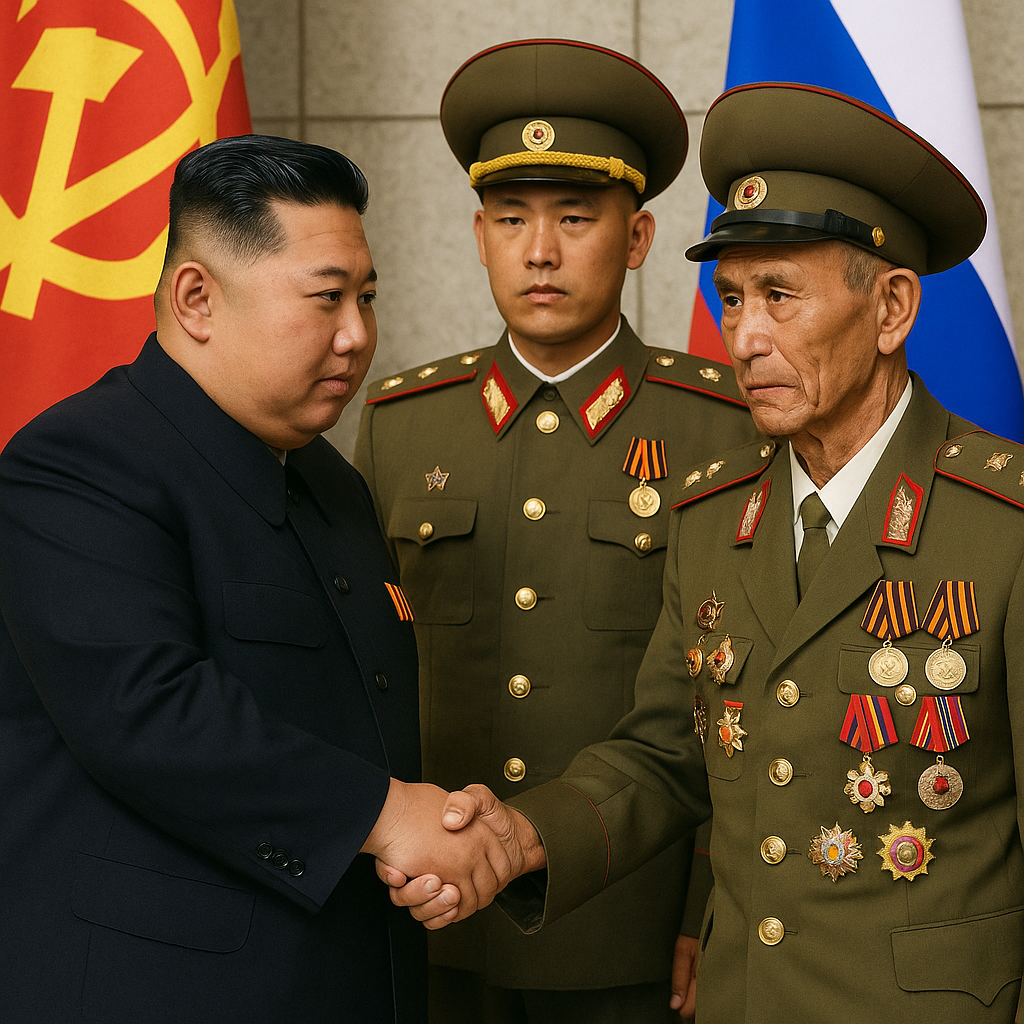
Kim Jong Un Honors North Korean Soldiers Who Fought for Russia

Kim Jong Un Honors North Korean Soldiers Who Fought for Russia
In a striking display of solidarity, Kim Jong Un recently commemorated the contributions of North Korean soldiers who fought alongside Russian troops in various conflicts, emphasizing a long-standing alliance between the two nations. This event brings into focus the intricacies of geopolitical relationships, military alliances, and the cultural implications behind honoring war efforts.

Historical Context of North Korean Involvement
The tribute to the North Korean soldiers is not merely a ceremony; it represents a historical narrative deeply rooted in the shared communist ideology of both North Korea and Russia. As highlighted in various reports, North Korean forces have participated in various global efforts, including the Vietnam War and, more recently, engagements supporting Russia in places like Ukraine. Kim’s remarks during the memorial underscored the notion that the sacrifices of these soldiers not only serve their nation but also strengthen the ties between Pyongyang and Moscow.


This intertwining of military history reveals a multifaceted relationship between the two countries. While some experts interpret this as a tactical maneuver to reinforce alliances in the face of Western sanctions and pressures, others see it as Kim attempting to bolster national pride and unity within North Korea. For a regime that often faces criticism for its human rights abuses, honoring soldiers can serve as a rallying point to evoke nationalism and loyalty among its populace.


A Celebration of Loyalty or Propaganda?
Critics of Kim’s actions argue that commemorating soldiers can mask the realities of North Korea’s regime. While some view this as a genuine tribute to those who fought for an ideological cause, others see it as a form of state propaganda. According to reports, the ceremony was filled with grandiose speeches and elaborate displays, arguably designed to fortify Kim’s image as a leader committed to honoring his military forces.
Moreover, the timing of the celebration raises eyebrows. As geopolitical tensions rise, particularly concerning the ongoing conflict in Ukraine, some speculate that this event is aimed at showcasing unity with Russia amid international isolation. A recent article from Al Jazeera noted that by highlighting these soldier sacrifices, Kim may be leveraging this narrative to reinforce a sense of mutual reliance, especially as both nations confront sanctions imposed by the West.
Yet, there remains a broader question about the ethical dimensions tied to such honors. Are these soldiers genuinely celebrated for valor and honor, or are they merely pawns in a larger geopolitical game? The answer is complicated by the nuanced relationships that exist within global politics.
The Impact on Domestic Sentiment
On the domestic front, Kim’s tribute has potential implications that could ripple through North Korean society. Celebrations like these aim to galvanize nationalistic fervor, providing an avenue for the regime to maintain control by rallying citizens around a common cause. In a country where dissent is often met with severe consequences, these public displays serve to legitimize the government’s narrative, allowing citizens to feel part of a “greater good.”
However, it is critical to assess the reception of such messages among the populace. While loyalty to the regime is a significant aspect of North Korean life, opinion polls or public sentiment often remain obscured—making it difficult to truly understand how citizens feel about these honorings. Social media and reporting from defectors provide glimpses into a society laden with conflicting sentiments. Despite the state’s propaganda, there may be undercurrents of discontent or bewilderment among citizens regarding their involvement in foreign conflicts.
Conclusion: A Complex Fabric of Nationalism and Diplomacy
The memorial honoring North Korean soldiers fighting for Russia illustrates the complex interplay of nationalism, military ties, and geopolitical strategy. While Kim Jong Un seeks to solidify his regime’s authority and celebrate ideological comradeship with Russia, a deeper examination reveals the layers of sentiment, propaganda, and political maneuvering involved.
As these relationships evolve amid global tensions, the ramifications of such celebrations could extend beyond the borders of North Korea, influencing international relations and perceptions of both nations. The ceremony stands as a testament to how countries navigate their narratives and history, weaving together themes of loyalty, sacrifice, and unity, even as they wrestle with their own internal complexities.















