
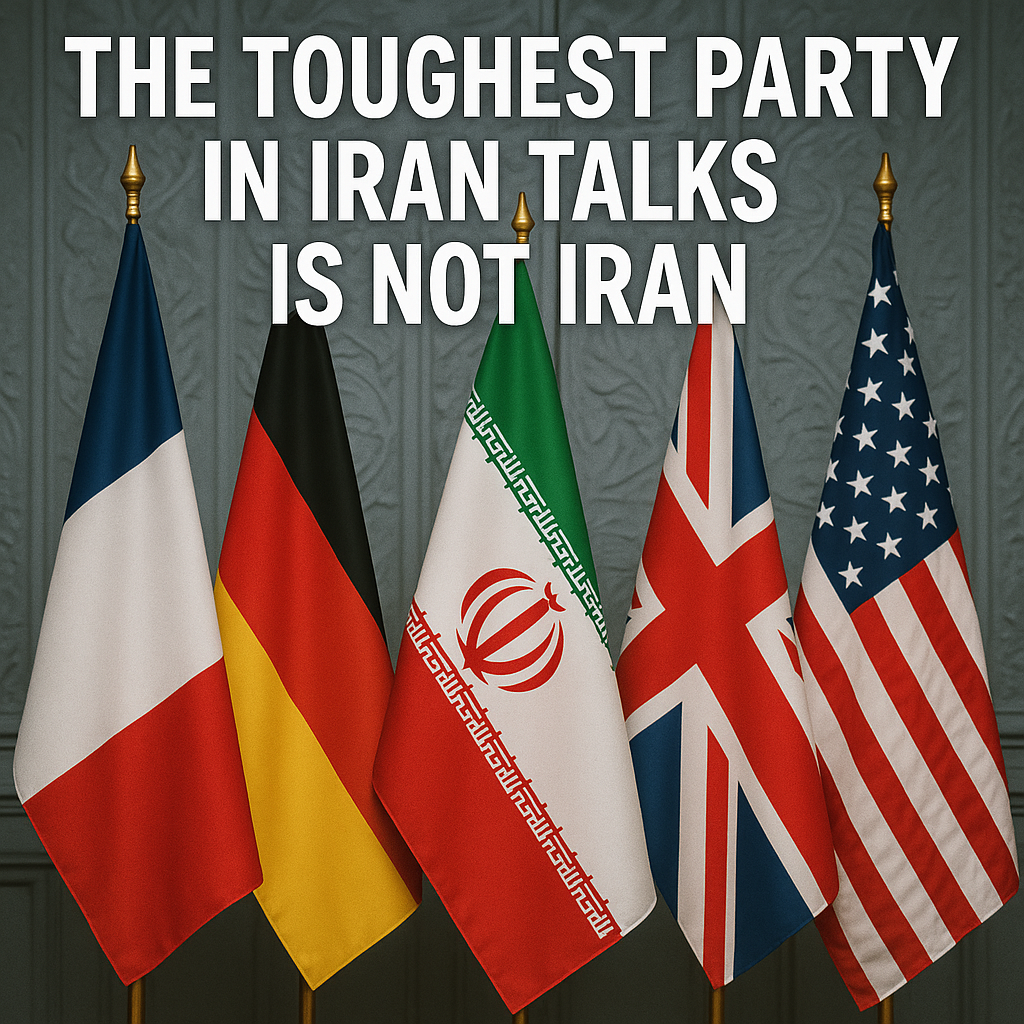
The Toughest Party in Iran Talks Is Not Iran
The intricacies of the Iran nuclear negotiations reveal that the most formidable challenges are not rooted solely in Iran’s positions but rather in the broader geopolitical landscape. The negotiations have highlighted the complexities of balancing multiple interests, including regional stability, international alliances, and domestic pressures from various countries involved in the talks.

The Current Landscape of Negotiations
As discussions surrounding Iran’s nuclear program continue, one of the less-discussed but crucial aspects has emerged: the dynamics and strategic interests of major parties involved in the negotiations. While Iran has been portrayed as the principal actor, its adversaries — particularly the United States and regional powers — exhibit equally pressing concerns that significantly impact the negotiation process.

A report from Al Jazeera emphasizes that the “real” challenge lies in aligning the expectations and strategies of these other parties. For instance, the U.S. stance is influenced by its commitments to Israel and Saudi Arabia, both of whom perceive a nuclear-armed Iran as an existential threat. This concern complicates the negotiation process by adding layers of urgency and caution that Iran might not face alone.

Moreover, the negotiations are often characterized by fluctuating attitudes and fluctuating “carrots and sticks” from the international community, particularly the P5+1 nations (the five permanent members of the UN Security Council plus Germany). These countries have distinct motivations that intersect with their strategic interests in preventing nuclear proliferation, but also in maintaining their influence in the Middle East.
The Domestic Pressures Within Participating Countries
The involvement of multiple countries in the Iran talks has ignited discussions about the internal pressures each government faces. The United States, under various administrations, has had to navigate the complexities of bipartisan opinions regarding Iran, alongside its need to maintain strategic alliances. Domestic lobbying by pro-Israel groups and worries about regional influence also play critical roles.
In contrast, countries like Russia and China have shown interest in bolstering their relationships with Iran, often driven by economic interests and a desire to counter American hegemony. Their persuasive roles could tilt the balance of negotiations, leading to agreements that might not fully align with Western expectations. This varying degree of commitment highlights an underlying tension within the negotiating framework, as different parties prioritize their agendas.
The Implications for International Stability
This multifaceted nature of the negotiations raises questions about the broader implications for international stability. As various parties jostle for position, the risk of miscommunication or misunderstanding increases. The delicate nature of these talks necessitates a clear and comprehensive communication strategy to prevent escalatory tensions.
Events in the region, such as military confrontations or diplomatic faux pas, could easily derail progress. Al Jazeera pointed out that ongoing hostilities between Iran and its regional adversaries could also serve as a disruptive factor. For instance, conflicts in Yemen and Syria set the stage for heightened stakes, where aggression from one side might be interpreted as a broader threat, complicating negotiations further.
Additionally, the presence of non-state actors complicates the negotiations. Groups empowered by Iranian influence may act independently, raising the stakes for international actors involved in negotiations. The challenge then becomes managing these unpredictable elements while striving for a cohesive agreement that satisfies all sides.
Conclusion: A Path Forward?
So, what lies ahead for the negotiations? While the discourse tends to focus on Iran as the primary negotiator, an understanding of other countries’ motivations is crucial for any lasting resolution. A one-sided approach could easily lead to setbacks, making it vital for all parties to acknowledge their roles and pressures.
In light of these complexities, it’s essential for diplomats to engage openly with all stakeholders involved. Recognizing the multifactorial dimension of relations will be crucial as the talks progress. As negotiations unfold, a focus on transparent communication and mutual respect could pave the way for more comprehensive agreements that not only address nuclear concerns but also contribute to regional stability and broader peace initiatives.
Navigating the labyrinth of Iranian negotiations will require deft diplomacy and an understanding that the hardest party to manage might not be Iran itself but rather the intricate web of interests intertwined with its fate on the global stage. Recognizing these complexities is the first step toward fostering a more sustainable dialogue and healthier relations in the international arena.















