
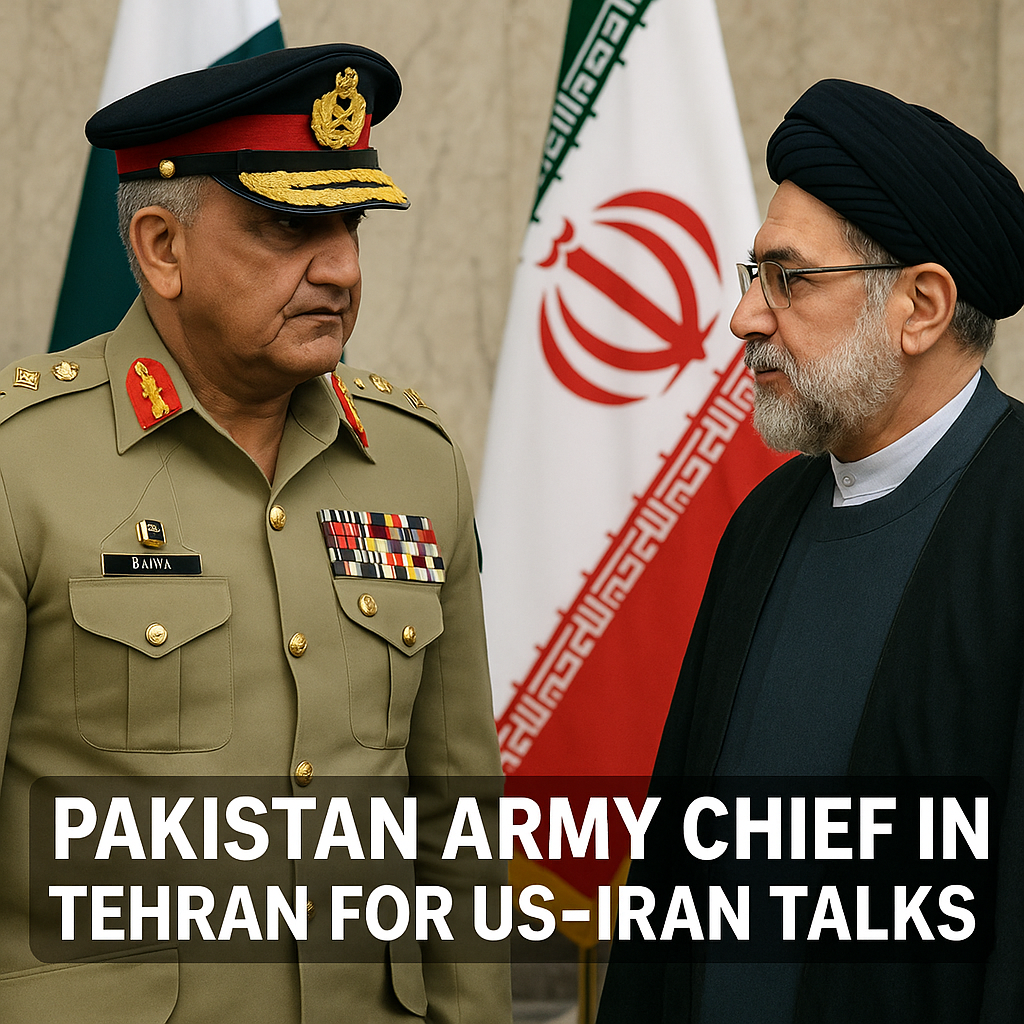
Pakistan Army Chief in Tehran for US-Iran Talks

Pakistan Army Chief in Tehran: Navigating the Complex Landscape of US-Iran Talks
The recent visit by the Pakistan Army Chief to Tehran has sparked interest in the ongoing diplomatic dynamics between the United States and Iran. The meeting is part of broader efforts to de-escalate tensions in a region that has been marred by conflict and hostility.

The Context Behind the Visit
The backdrop of the Pakistan Army Chief’s visit can be traced to a turbulent history between the US and Iran, especially following the reimposition of sanctions by the US under former President Donald Trump. These sanctions and the subsequent fallout have had widespread implications, impacting regional stability and creating a diplomatic quagmire in which Pakistan finds itself increasingly involved.


The trip to Tehran is significant; Iran’s pivotal role in the Middle East makes it a crucial player in any discussions concerning international peace and security. With Pakistan’s military and political leadership striving to carve out a diplomatic role for the country, the trip signifies more than just bilateral relations; it’s emblematic of Pakistan’s aspirations to act as a mediator in broader geopolitical tensions.


Diverse Perspectives on Diplomatic Efforts
From various news sources, reactions to these diplomatic maneuvers reflect a complex web of opinions:
1. Iran’s Perspective: Iranian state media heralded the meeting as an opportunity to strengthen bilateral ties with Pakistan and asserted that greater cooperation could lead to a reduction in regional tensions. They have emphasized the historical ties between the two nations, suggesting that Pakistan can act as a bridge in the US-Iran relations.
2. US and Western Insights: Conversely, US perspectives tend to focus on skepticism regarding Iran’s intentions. Reports indicate that while the US is open to dialogue, it remains cautious about Tehran’s commitment to fulfilling its obligations under any potential agreements. The US stance generally highlights a concern that Iran might not fully engage in negotiations, given its history of nuclear enrichment and support of proxy groups.
3. Regional Alliances and Concerns: Pakistan’s involvement in Tehran can also be seen through the lens of its relationships with other regional powers, such as Saudi Arabia and China. While some view Pakistan’s endeavor to mediate as an affirmation of its growing stature, others express caution, fearing that Pakistan could be caught in a diplomatic crossfire between competing interests in the region.
The Path Forward: Challenges and Opportunities
As the dynamics shift with each diplomatic meeting, it is crucial to recognize the potential challenges and opportunities ahead:
– Collective Security: The talks could pave the way for a collective security framework that considers the security concerns of all involved nations. Should the US and Iran find common ground, other regional players may be encouraged to pursue more peaceful resolutions to their own conflicts.
– Economic Implications: A successful rapprochement could lead to lifted sanctions, which would benefit not just Iran, but the wider region—including Pakistan. This economic blessing could, in turn, stabilize the economies of neighboring countries.
– Uncertainties: However, significant uncertainties remain. The history of mistrust between the US and Iran complicates the diplomatic landscape. Analysts are aware that even well-intentioned negotiations can falter due to geopolitical machinations or breakdowns in communication.
Conclusion: The Role of Pakistan
The visit by the Pakistan Army Chief to Tehran represents a strategic maneuver within a framework of complex international relations. By positioning itself as a mediator, Pakistan is not merely asserting its agency but also aiming to enhance its diplomatic stature in a world grappling with fragmented alliances and heightened tensions.
As questions of trust, commitment, and security loom large, the forthcoming US-Iran talks will not only determine the future of their bilateral relations but also significantly shape the geopolitics of South Asia and the broader Middle East landscape. In this environment, the call for sustained dialogue and multifaceted diplomacy has never been more critical.















