
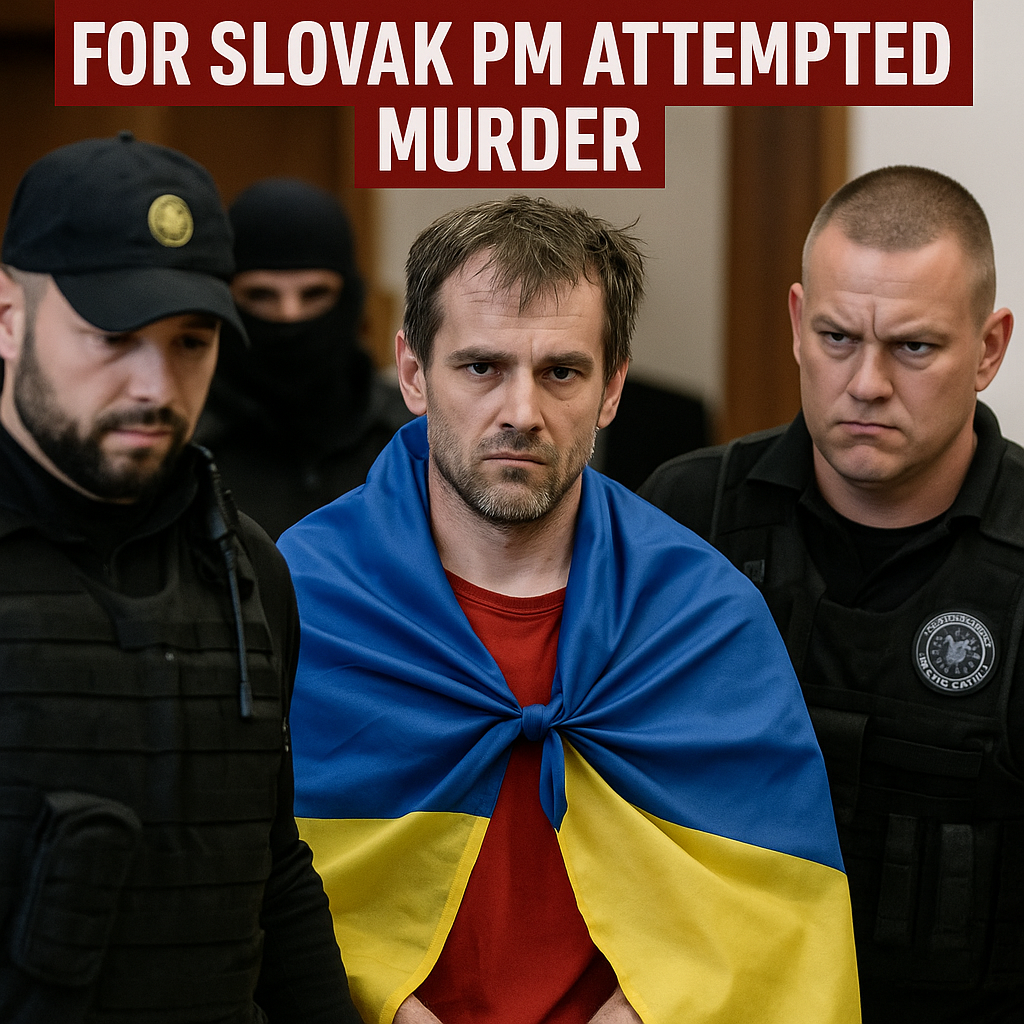
Pro-Ukraine Activist Gets 21 Years for Slovak PM Attempted Murder

Pro-Ukraine Activist Gets 21 Years for Slovak PM Attempted Murder
The recent sentencing of a pro-Ukraine activist to 21 years in prison for the attempted murder of Slovakia’s Prime Minister, Robert Fico, has ignited a debate about the intersection of political dissent, terrorism, and the ongoing conflict in Ukraine. This case raises important questions about freedom of expression, the implications of violent activism, and the responsibilities of democratic societies in handling dissent against government officials.

The Incident: A Fractured Political Landscape
The attempted assassination, which occurred against the backdrop of heightened tensions regarding Ukraine’s conflict, has been described in various reports as a politically motivated attack. According to sources, the perpetrator, a Ukrainian national, viewed Fico’s pro-Russian stance as a direct threat to Ukraine’s sovereignty and safety. The Fico government has been criticized for its leniency towards Russia, making him a polarizing figure in the eyes of some Ukrainians who see his policies as undermining their nation’s struggle against invasion.


Fico has consistently advocated for a more balanced approach to the Russia-Ukraine war, which has drawn ire from pro-Ukraine activists. After the attack, Fico characterized it as an “act of terrorism,” underlining the dangers posed by politically motivated violence. He expressed concerns that such instances threaten not just the political climate but the safety of leaders operating in contentious environments.


In a contrasting narrative, activists supporting the perpetrator argue that their actions stemmed from desperation in light of what they perceive as unjust war-related policies. Some sympathizers claim that the individual’s motivations were interpreted too narrowly—seeing him as a misguided participant in a broader struggle rather than a terrorist.
A Divisive Verdict
The court’s decision to impose a 21-year sentence has sparked intense debate among Slovak citizens and political commentators. While the prosecution effectively framed the attack as a serious threat to democracy and political stability, dissenting opinions suggest that the case also illustrates the complexities of dissent in fragile democracies.
Voices from the Opposition
While the government celebrates the ruling as a necessary step in maintaining order, critics warn that heavy-handed punishment could stifle activism and dissent. They fear that characterizing dissent as terrorism will create a chilling effect on legitimate expressions of political opinion. The fine line between activism and violence is often blurred in societies grappling with issues of governance and foreign influence.
Supporters of the ruling argue that severe consequences must be maintained to deter similar acts. “Violence can never be justified, regardless of the political context,” said one local analyst. Conversely, opposing voices emphasize the importance of addressing the root causes of such reckless actions, advocating for dialogues rather than drastic punitive measures.
Perspectives on Free Speech and Activism
The intersection of free speech and violence in political activism raises a broader question applicable not only within Slovakia but globally. How should governments respond to violent expressions of political dissent? Many democratic countries grapple with this issue, especially regarding activists who may resort to extreme measures when feeling unheard or oppressed.
In some respects, the attack on Fico parallels examples from other nations where political figures have been targeted by fringe elements as a consequence of widespread dissatisfaction with government policies. In the U.S., for instance, protests have sometimes turned violent, prompting debates over the boundaries of free speech and the potential need for reform in how political dissent is managed.
Moving Forward: Balancing Security and Dissent
As Slovakia continues to navigate its political landscape, particularly in light of its relationship with Ukraine, the outcomes of this case may have enduring repercussions. Striking a balance between ensuring political figures’ safety and protecting the fundamental rights of dissenters will be crucial.
The court’s decision, while seen as a deterrent against terrorism, could also serve to alienate segments of society that feel marginalized in the political discourse. Educational reforms aimed at increasing political literacy and open forums for discussion may offer more holistic solutions to dissatisfaction than punitive measures.
In conclusion, the sentencing of the pro-Ukraine activist represents a broader struggle for political understanding and stability in the face of escalating tensions. As the international community watches closely, Slovakia may serve as a case study for how democratic societies handle violent dissent and the rights of their citizens to express dissatisfaction with their governments. Balancing these elements effectively will be vital in upholding both the integrity of democratic processes and ensuring the safety of all citizens involved.















