
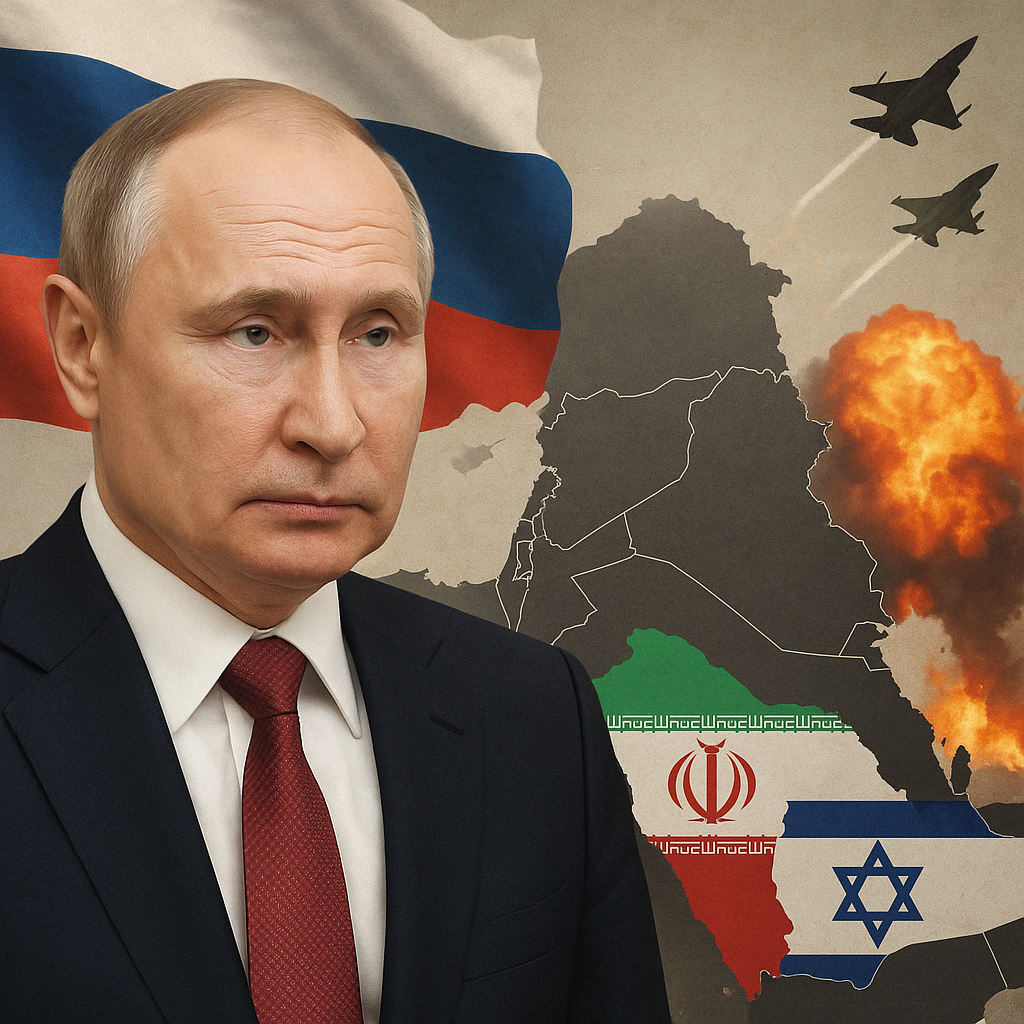
Putin Boosts Middle East Diplomacy Amid US-Israeli Strikes

Putin Boosts Middle East Diplomacy Amid US-Israeli Strikes
In the current geopolitical landscape, President Vladimir Putin’s efforts to enhance Russia’s diplomatic role in the Middle East have become increasingly critical, particularly as tensions escalate due to recent US-Israeli military actions. Russia’s strategic maneuvers in the region highlight a desire to reshape alliances and exert influence during a time when traditional power dynamics are shifting.

Evolving Dynamics: Russia’s Role in Middle Eastern Politics
Recent developments in the Middle East, specifically the surge in military operations by the US and Israel, have created a vacuum for Russia to assert its influence. Historically, Russia has aimed to position itself as a counterbalance to Western intervention. Such actions serve not only to solidify its relationship with nations like Iran and Syria but also to attract partners who are wary of US hegemony.


According to a report from RT, Putin’s recent diplomatic engagements have included increasing military cooperation with Iran. These actions are viewed as a direct response to what many in Moscow perceive as provocative actions by Israel and its allies. By reinforcing ties with regional powers, Putin aims to establish a formidable front against the Western nations that dominate the international discourse.


Conversely, Al Jazeera highlights the concerns raised by these developments. Critics argue that Russia’s growing involvement may exacerbate regional tensions rather than resolve them. While Moscow’s partnership with Tehran potentially strengthens one axis of influence, it risks provoking additional military responses from Israel, thereby perpetuating a cycle of violence that undermines any peace efforts.
The Balance of Power: Complications Ahead
The interplay of diplomacy in the Middle East is further complicated by the ongoing military actions of the US and Israel, which have reportedly led to casualties and increased unrest. As mentioned in various reports, these strikes are often justified by the US and Israel as necessary for national security. However, regional leaders, including those in Iran and Syria, interpret these actions as acts of aggression, causing local populations to view the US-Israeli relationship with suspicion and hostility.
Putin’s strategy may be seen as both opportunistic and pragmatic. By stepping into a fray characterized by instability, he positions Russia not just as a facilitator of diplomacy but also as a potential peace broker. This dual role could give Russia leverage in negotiating favorable terms for itself in the region, particularly regarding access to energy resources and military alliances.
The Future of Middle Eastern Alliances
Yet, the question remains: can Russian influence genuinely promote stability in a region defined by entrenched rivalries? Data suggests that while countries like Iran may welcome Russian support, others, especially Gulf states, might remain cautious about Moscow’s intentions. Divergent perspectives on Russia’s role reveal an intricate web of regional allegiances that Putin must navigate carefully.
Furthermore, public opinion within these nations is evolving, as evidenced by a significant shift toward nationalistic sentiments and skepticism about foreign intervention. Allies may welcome Russian support while simultaneously resisting overt dependency, calling into question the long-term viability of such alliances.
Conclusion: A Complex Path Ahead
As tensions in the Middle East rise, President Putin’s attempts to bolster Russia’s diplomatic presence come at a critical juncture. While his actions may provide opportunities for advantageous partnerships, the inherent complexities and risks cannot be understated. The dynamics between Iran, Israel, and the US present challenges that extend beyond mere military might, encompassing the nuanced fabric of regional politics.
In summary, while Putin’s escalating diplomacy is significant, its effectiveness will largely depend on how well Russia can navigate these multifaceted relationships and the underlying sentiments of the nations involved. For now, the Middle East remains a volatile arena where power dynamics are continuously at play, and the outcomes of recent diplomatic efforts are still unfolding. Understanding these layers of complexity will be vital for any lasting peace and stability in the region.















