
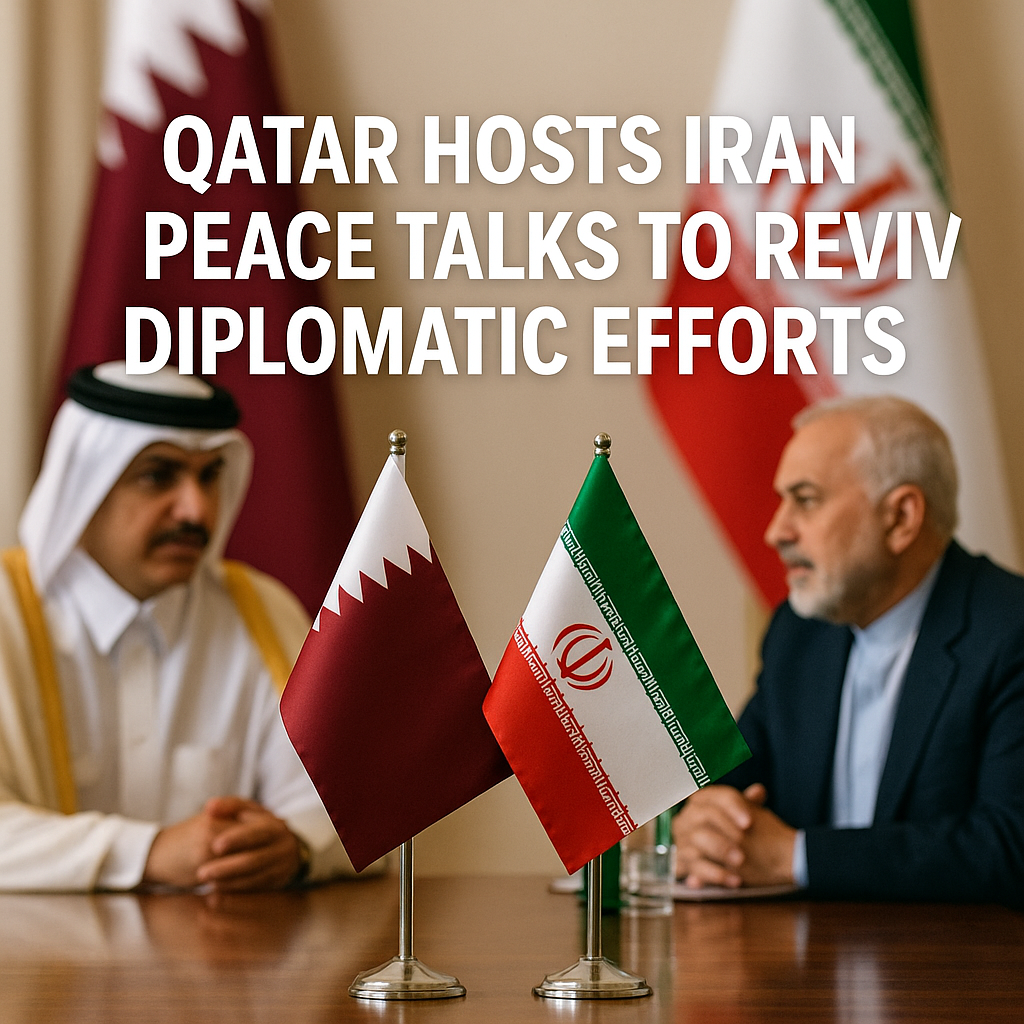
Qatar Hosts Iran Peace Talks to Revive Diplomatic Efforts

Qatar Hosts Iran Peace Talks to Revive Diplomatic Efforts
In recent diplomatic developments, Qatar has taken on a significant role by hosting peace talks aimed at revitalizing diplomatic relations involving Iran and its regional adversaries. These conversations highlight the complexities of Middle Eastern geopolitics and the ongoing effort to find common ground amid longstanding tensions.

The Significance of Qatar’s Role
Qatar’s involvement as a mediator in these peace talks stems from its unique geopolitical position and relationships with various regional players. Historically, Qatar has positioned itself as a neutral ground for conflicting parties, fostering dialogue when other venues have failed. Al Jazeera reported that these meetings are part of an ongoing effort to mend strained ties not only between Iran and its neighbors but also to stabilize a region rife with conflict.


The current diplomatic arena is characterized by intricate layers of rivalry and cooperation, particularly around issues such as nuclear capabilities, support for proxy groups, and territorial disputes. Experts suggest that Qatar’s hosting of these talks could pave the way for a more collaborative approach to security in the Gulf region. However, skepticism remains about the true potential for lasting resolution, given the historical legacies and entrenched positions of the involved nations.


Diverse Perspectives on the Talks
Perspectives on the significance and potential outcomes of the peace talks are varied. On one hand, some analysts argue that these discussions mark a critical turning point in regional diplomacy. According to RT, officials from both sides have expressed cautious optimism about the dialogues, indicating a willingness to address long-standing grievances. The source outlines how the talks could facilitate steps toward normalization, particularly in economic cooperation and curbing military tensions.
Conversely, other commentators remain skeptical about the effectiveness of such high-level negotiations. Sky News highlights the complexities inherent in the issue, noting that while diplomatic dialogues might be initiated, the history of mistrust and previous breakdowns in communication raises questions about their sustainability. The network points out that, despite Qatar’s good intentions, the divergent interests of Iran, Saudi Arabia, and other Gulf states present significant hurdles to achieving meaningful outcomes.
Weighing Prospects for Peace
While the atmosphere surrounding the Qatar-hosted talks may seem hopeful, the path to peace remains fraught with challenges. On one end of the spectrum, supporters of the negotiations emphasize the argument that consistent dialogue is necessary to de-escalate tensions and build mutual understanding. They assert that open channels can lead to gradual improvements in diplomatic relations, fostering an environment conducive to cooperation over conflict.
However, detractors point to historical attempts at similar dialogues that have failed to materialize into substantial agreements. Critics argue that significant geopolitical players, including the United States and Israel, have vested interests that may undermine local efforts at stabilizing the region. They argue that true progress requires a concerted strategy that moves beyond bilateral discussions into a broader framework involving key global actors.
Conclusion: Navigating Uncertainty
The peace talks hosted by Qatar signify an essential, albeit tentative, step toward addressing the intricate dynamics of Middle Eastern geopolitics. While the initiative is an encouraging move towards dialogue, the historical context and existing power dynamics present substantial challenges that may impede genuine progress. As negotiations unfold, the international community will be watching closely to see whether these discussions serve merely as a platform for rhetorical agreements or if they yield tangible, lasting benefits for regional peace and stability.
Ultimately, the efficacy of the talks will depend on the willingness of all parties to engage constructively and work towards mutual agreements. The intricate dance of diplomacy—balancing national interests, historical grievances, and the quest for regional stability—continues in this complex landscape.















