
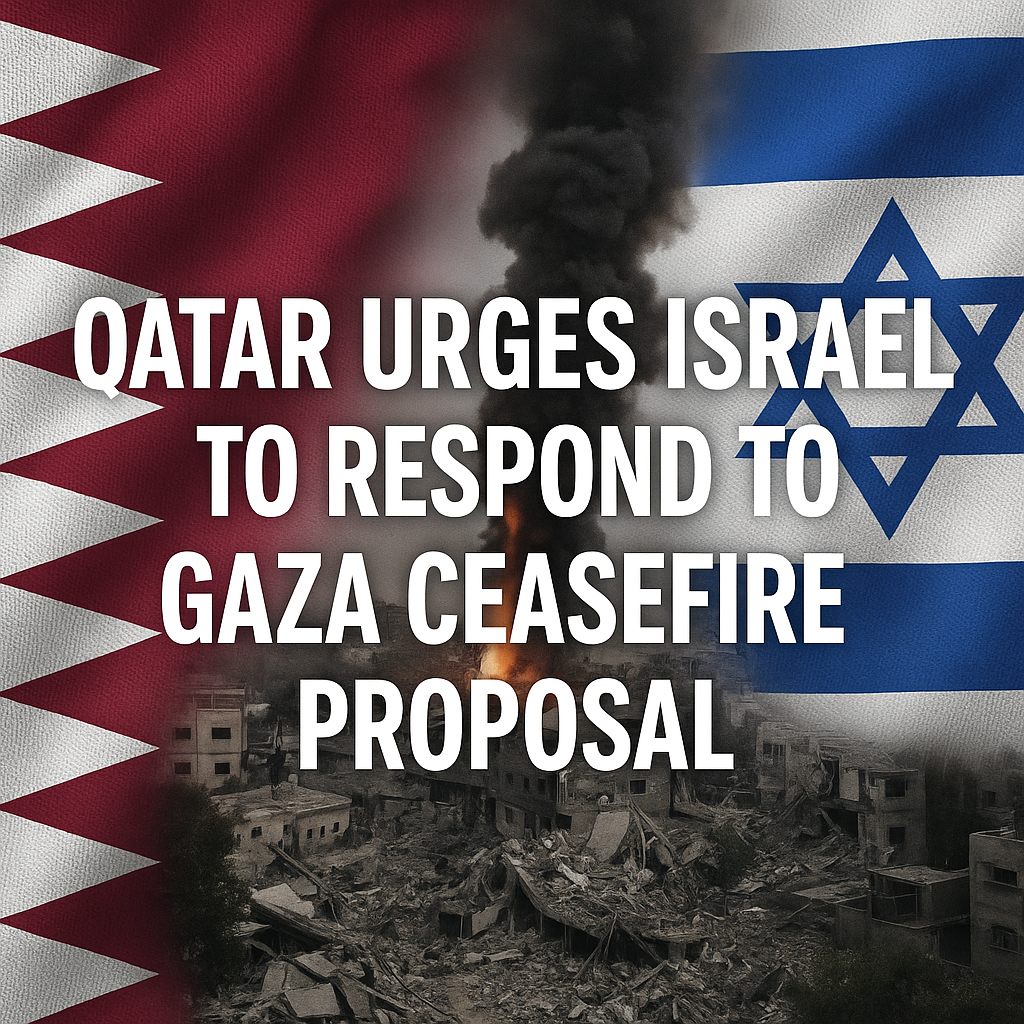
Qatar Urges Israel to Respond to Gaza Ceasefire Proposal

Qatar Urges Israel to Respond to Gaza Ceasefire Proposal
In the midst of ongoing tensions in the Middle East, Qatar has issued a call for Israel to respond to a proposed ceasefire in Gaza. The urgent plea reflects not only the humanitarian concerns tied to the conflict but also Qatar’s role as a mediator in regional disputes. As various stakeholders jockey for influence and resolution, understanding the complexities surrounding this proposal is vital.

The Humanitarian Context
The humanitarian crisis in Gaza has become increasingly dire following sustained violence and economic difficulties. A significant portion of the population is facing shortages of basic needs—food, water, and medical supplies. Human rights organizations have been vocal about the urgent need for intervention, emphasizing that civilians are bearing the brunt of the violence.


In an interview, a representative from a prominent human rights organization stated, “An immediate ceasefire is crucial to alleviate the suffering of thousands trapped in this cycle of violence.” This sentiment reverberates throughout the international community, as many countries express concern over the escalating situation.


Qatar’s Role as a Mediator
Qatar has a long history of involvement in Middle Eastern diplomacy, often acting as a mediator in conflicts between various factions. Its unique position, bolstered by financial resources and diplomatic ties with both Palestinian groups and the Israeli government, allows it to serve as an intermediary in negotiations. This approach aligns with Qatar’s broader regional strategy to enhance its influence while fostering stability.
According to multiple sources, Qatar’s recent proposals include not only a ceasefire but also provisions for aid delivery and infrastructure rebuilding in Gaza. The hope is that by addressing both immediate and long-term needs, the prospects for durable peace may improve. A senior Qatari official remarked, “We cannot ignore the humanitarian needs; stability in the region depends on addressing these issues.”
Israel’s Hesitation and Diplomatic Implications
On the Israeli side, responses to Qatar’s proposal have been more measured. While some Israeli officials acknowledge the feasibility of a ceasefire, concerns about security and the broader implications of such a move persist. The context is multifaceted: Israel’s government is under pressure from various factions, and any decision regarding a ceasefire could be politically contentious.
Some analysts argue that Israel’s inaction might stem from a desire to assert dominance in the conflict. A political commentator from a leading Israeli outlet noted, “Responding to Qatar’s proposal without addressing our security concerns first could embolden adversaries.” This perspective reveals the complexities of security and political calculus that Israel must navigate, making it unlikely for them to respond positively in the immediate future.
Diverse Perspectives on Ceasefire Effectiveness
The effectiveness of a ceasefire has been debated among experts. Some argue that without enforced conditions and guarantees, previous ceasefire agreements have faltered, leading to renewed violence. Others believe that the act of establishing a ceasefire could, in itself, pave the way for more comprehensive negotiations down the line.
In this context, the absence of a response from Israel has sparked criticism from international observers who may view it as a missed opportunity for peace. “If the opportunity exists, it should be seized,” said a spokesperson for a global peace advocacy group. Their comments highlight the frustration felt by advocates of peace who observe the ongoing conflict and its devastating impact on civilians.
Conclusion: A Fork in the Road
As the situation develops, Qatar’s call for Israel to engage with the ceasefire proposal underscores the urgent need for dialogue and humanitarian considerations in the Israeli-Palestinian conflict. The interplay of diplomatic strategies, humanitarian needs, and political realities will be crucial in determining the future of the region.
While the outlook remains uncertain, the voices advocating for peace continue to rise. The question now lies not only in whether Israel will respond to the proposal but also in how regional players can collaborate to address the broader complexities of conflict resolution. The path forward demands careful navigation to secure a more stable and humane future for all those affected.















