
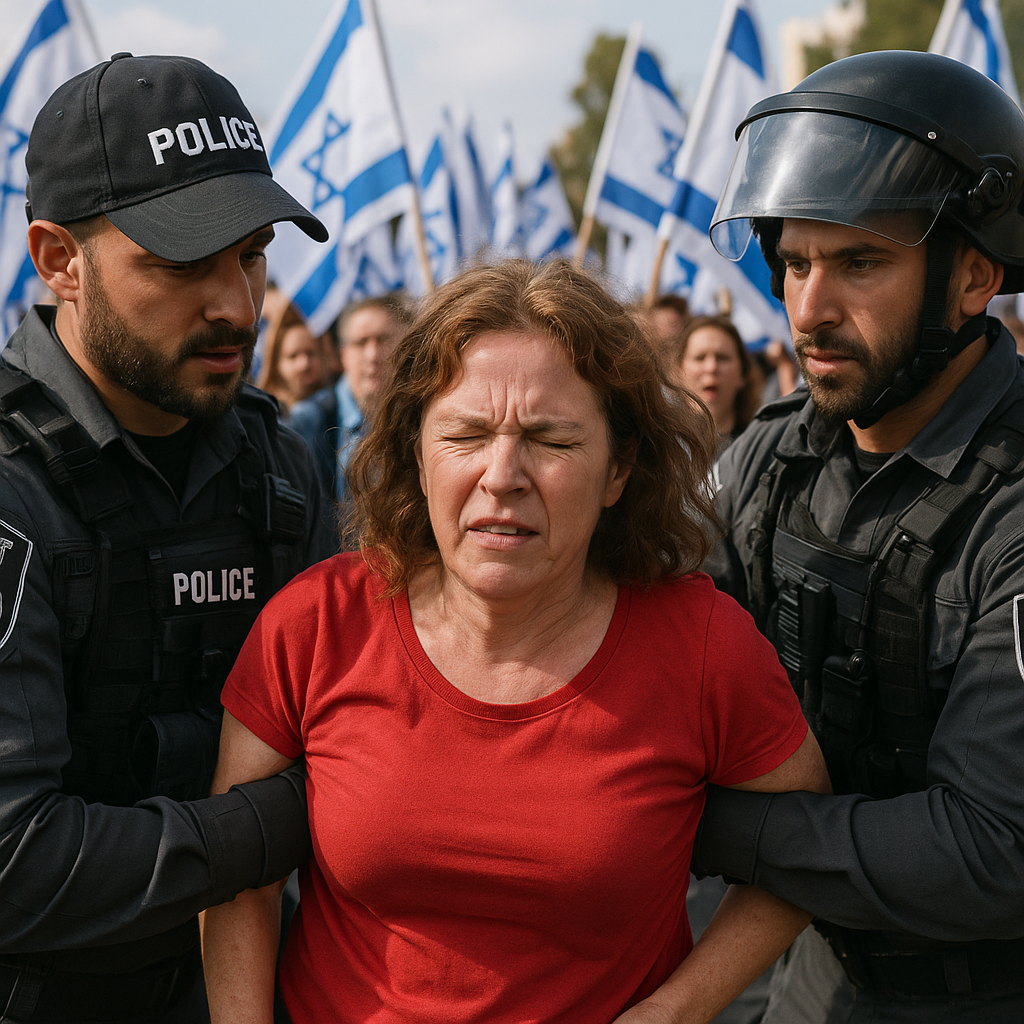
Israeli Police Arrest Woman at ‘Day of Disruption’ Protest

Israeli Police Arrest Woman at ‘Day of Disruption’ Protest
On what organizers termed a “Day of Disruption,” tensions escalated in Israel as police arrested a woman during a protest aimed at voicing dissent over the government’s controversial policies. Demonstrations have become increasingly common as citizens express their frustration over various issues, including judicial reforms, rising costs of living, and security concerns.

The Context Behind the Protests
The ‘Day of Disruption’ is not an isolated event but part of a broader wave of protests that have surged throughout Israel in recent months. According to reports, citizens have mobilized against a backdrop of deepening political divisions and social unrest. Demonstrators have been critical of Prime Minister Benjamin Netanyahu’s government, especially regarding its plans to reform the judiciary, which many perceive as an attempt to concentrate power.


Al Jazeera highlighted the sentiment among protesters who believe that these judicial changes threaten Israel’s democratic foundations. Many demonstrators insist that maintaining judicial independence is crucial for safeguarding civil rights. The protests serve as a platform for various groups, from civil rights activists to ordinary citizens worried about their future.


However, not all perspectives align with the protestors. Some argue that judicial reforms are necessary to streamline an overloaded system and ensure accountability within the judiciary. Supporters of the government assert that the reforms are essential to balance the powers between the legislative and judicial branches. This divide has made the social landscape in Israel particularly volatile, with each side feeling justified in their stance.
Arrests and Responses: A Snapshot of Tensions
During the protest, the arrest of a woman symbolized the increasing tensions between demonstrators and law enforcement. RT reported that the woman was detained for allegedly blocking traffic, a method often employed by protesters to gain attention for their causes. The event raised questions about the fine line law enforcement must navigate when managing civil unrest.
Supporting this reporting, Sky News noted that the protest mobilizations have often led to clashes with police, which can result in heightened tensions. Officers are you often tasked with maintaining order but find themselves in challenging situations where aggressive actions are met with even more resistance from demonstrators. With potential public backlash hanging in the balance, police have found their actions scrutinized, leading to debates over the appropriateness of crowd control measures.
While some view police actions as necessary for maintaining order, others perceive them as heavy-handed responses to legitimate expressions of discontent. Allegations of excessive force have circulated among protestors, further inflaming tensions and feeding a cycle of resistance.
A Nation Divided: The Growing Complexity of the Discourse
As the situation in Israel continues to evolve, the polarization of opinions surrounding the government’s policies becomes increasingly complex. On one side, there is a significant segment of the population gravitating towards further judicial oversight, fearing that alterations could erode democratic norms. They argue that judicial independence is a cornerstone of any thriving society.
Conversely, proponents of the reforms suggest that the judicial system’s inefficiencies necessitate a review. They argue that current structures may hinder proper governance, leading to public frustration and stagnation. For these supporters, reform is viewed as a necessary step toward improving Israel’s government efficiency and future stability.
Balancing these divergent views is challenging, yet it’s vital for understanding the unfolding narrative in Israel. Many argue that coexistence in a democracy requires listening to all voices, even when disagreements exist. Both sides have valid points, and the dialogue surrounding these protests reflects a vibrant if contentious, democratic process.
Looking Ahead: Finding Common Ground
As protests continue and incidents such as the recent arrest gain prominence, the urgent question remains: how can both sides find common ground? Is there a path toward reconciliation, or will the divide only deepen?
For many observers, including politicians and civic leaders, the answer may involve a concerted effort to foster dialogue. Encouraging open discussions about grievances and perspectives can help bridge the existing chasm. Moreover, recognizing the legitimacy of concerns on both sides is crucial for moving forward.
In a nation as dynamic as Israel, the ‘Day of Disruption’ protests spotlight not just current discontent but also the broader societal expectations that will shape its future. As citizens push for their voices to be heard, it is imperative that both the government and the population find ways to engage constructively.
In conclusion, as the landscape of dissent in Israel grows intricate, the ongoing dialogue and protests reflect a critical examination of democratic values and civic responsibilities. The hope is that through listening and engaging, Israelis can forge a way forward that honors both individual rights and the collective good.















