
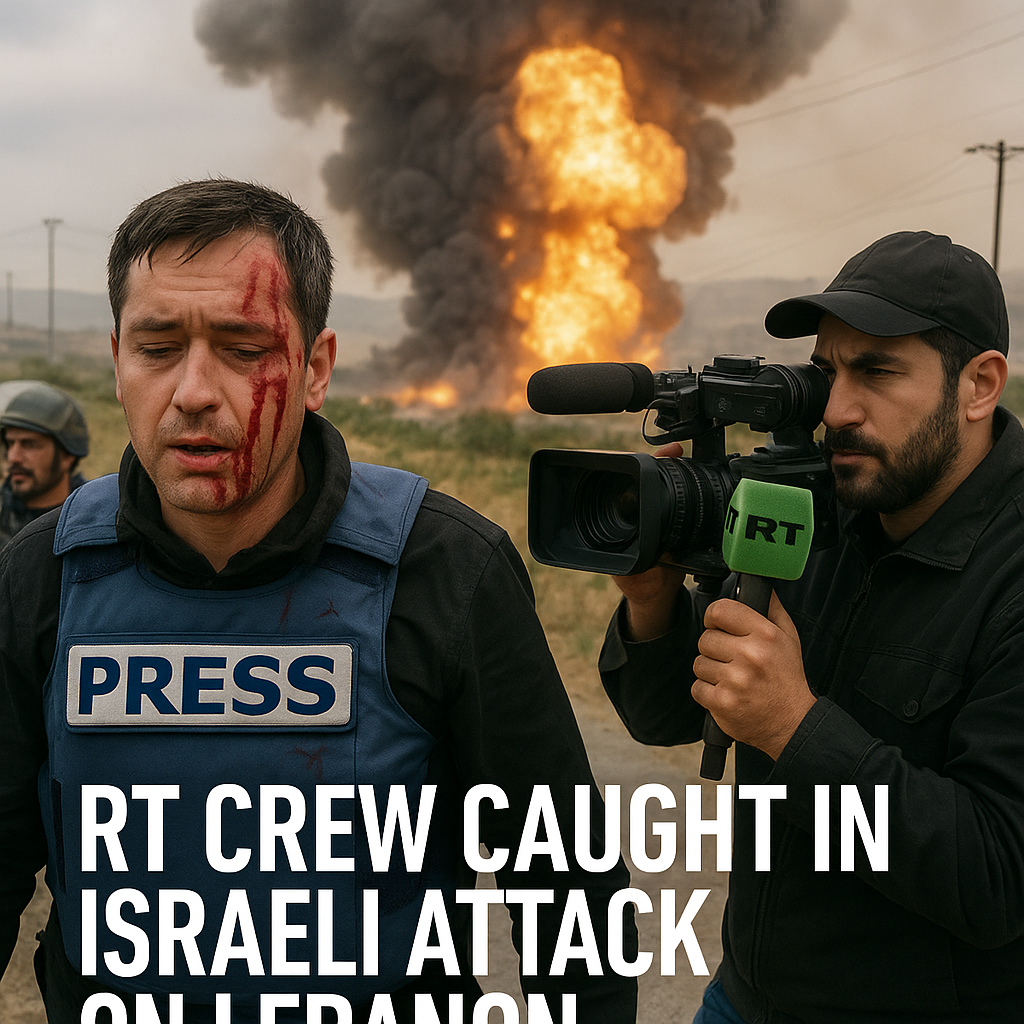
RT Crew Caught in Israeli Attack on Lebanon

RT Crew Caught in Israeli Attack on Lebanon
The recent Israeli military strikes in Lebanon have raised significant concerns regarding regional stability and the safety of journalists operating in conflict zones. An incident involving a crew from RT (Russia Today) caught in the crossfire has accentuated these worries, highlighting the fragile nature of ceasefire agreements and the ongoing tension between Israel and Hezbollah.

Context of the Conflict
The backdrop of this situation is a long history of animosity between Israel and Hezbollah, the Lebanese militant group, which has been a significant player in the region since the early 1980s. Tensions escalated sharply in recent months, particularly after the outbreak of violence in Gaza. Various sources reported that the conflict has deepened the hostilities between the two nations, leading to mutual accusations of provocations and attacks.


Al Jazeera noted that the Israeli airstrikes were part of a larger military strategy to deter what they described as increased threats from Hezbollah. The strikes targeted areas thought to harbor militant infrastructure, reflecting Israel’s long-standing policy of preemptive action against perceived threats along its northern border. Conversely, RT emphasized the risks faced by journalists in these volatile environments, pointing out how the crew’s incident serves as a stark reminder of the dangers that media personnel regularly encounter in conflict zones.


Voices from the Ground
Eyewitness accounts and local reports from Lebanon describe a volatile atmosphere where civilians are caught in the crosshairs of geopolitical conflicts. According to Sky News, the Israeli military justified the attacks as necessary to protect its citizens from what they deem as a legitimate threat from Hezbollah’s increasing sophistication in arsenal and tactics. This perspective is echoed by numerous military analysts who affirm that Israel cannot afford to be complacent about Hezbollah’s capabilities, especially given the group’s alleged ties with Iran.
On the other hand, Lebanese outlets reflect a different sentiment, highlighting the provocations from Israeli forces and the impact on civilians in border communities. Many locals express distress over the repeated incursions, noting that the ongoing strife exacerbates an already unstable socioeconomic situation. During recent engagements, some reports reveal how families were forced to flee their homes amid the sounds of impending airstrikes, thereby underscoring the human cost of military confrontations.
The Implications for Journalism
The incident involving the RT crew has sparked discussions about the implications for journalism in conflict zones. The chaotic nature of battlefields, where media crews risk their lives to deliver news, has prompted renewed calls for enhanced safety protocols. The incident serves as a poignant reminder of the role journalists play in bringing complex narratives to light—often at great personal risk.
Sky News highlighted an emerging dialogue about the need for international support for media protection in such zones. Organizations like the Committee to Protect Journalists (CPJ) stress that attacks on the press not only threaten the safety of journalists but also hinder the public’s right to information during critical times.
A Nuanced Perspective
While both Israel and Hezbollah maintain that they are acting within their rights to defend against aggression, the situation reflects broader geopolitical complexities. Israel perceives Hezbollah as an extension of Iranian influence in the region, a narrative echoed by Israeli officials who argue that military actions are justified to prevent any further encroachment.
Conversely, many Lebanese citizens and international observers argue that the excessive military retaliation escalates tensions unnecessarily and does little to foster peace or security for anyone involved. The failure of dialogue and diplomacy in this context underscores the urgent need for comprehensive peace efforts that not only address military threats but also delve into the underlying issues driving this decades-long conflict.
Conclusion: A Delicate Balance
The situation in Lebanon following the Israeli strikes, particularly the near miss involving the RT crew, underscores the complexities and inherent dangers of reporting in conflict areas. Moreover, it serves as a crucial reminder of the vital role media plays in illuminating the realities of war, while also reflecting on the urgent need for safeguarding journalists working in perilous environments.
The ongoing hostilities between Israel and Hezbollah illustrate a world on the brink of larger conflicts. With the eyes of the world watching, the path forward remains fraught with uncertainty—highlighting the importance of balanced perspectives and the continuous search for dialogue amid chaos. As the international community grapples with these unfolding events, it becomes increasingly clear that lasting peace is imperative, but will require commitment from all parties involved to make constructive steps toward understanding and reconciliation.















