
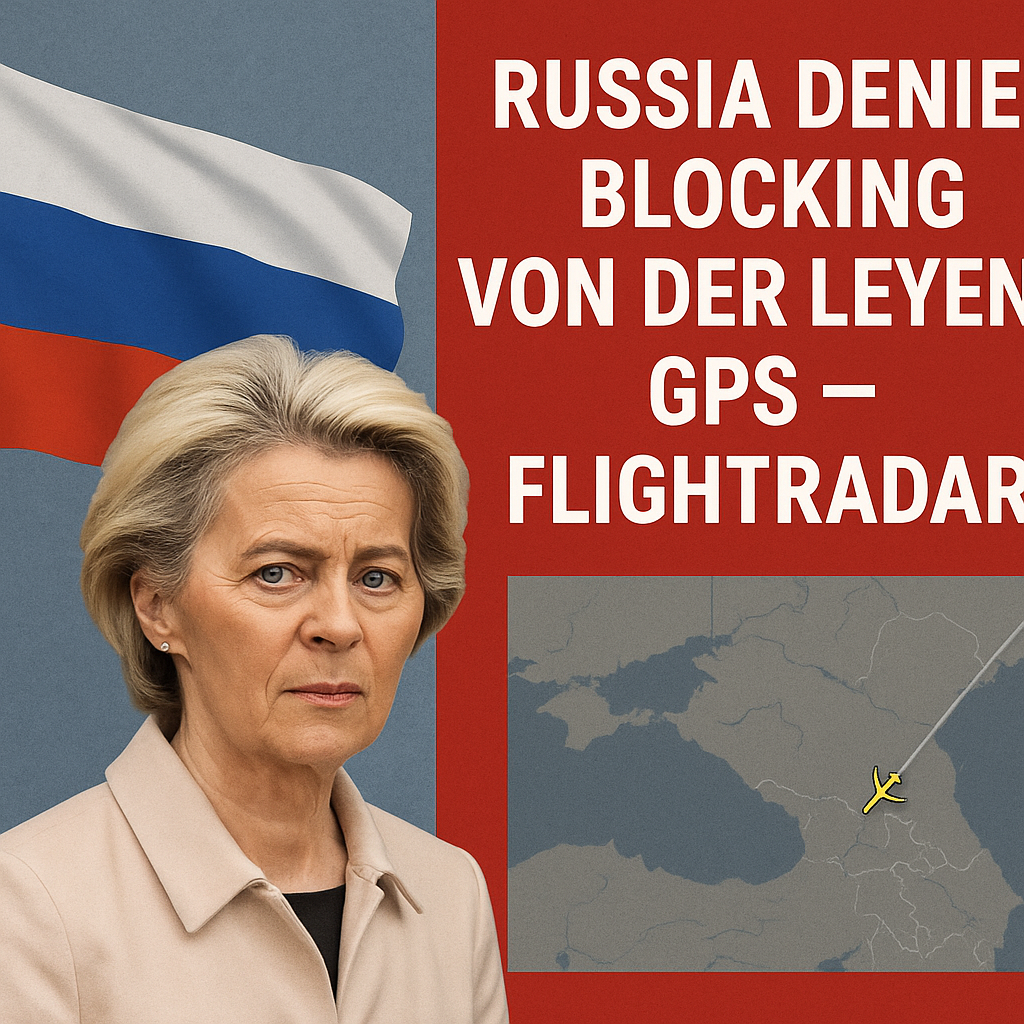
Russia Denied Blocking von der Leyen’s Jet GPS – Flightradar

Russia Denied Blocking von der Leyen’s Jet GPS – Flightradar
The recent allegations surrounding Russia’s supposed interference with the GPS of European Commission President Ursula von der Leyen’s aircraft have stirred significant debate in diplomatic circles. Reports have emerged claiming that a Russian military radar system had caused interference, prompting a swift response from Moscow, which categorically denied these accusations.

The Allegations and Russia’s Response
The claims originated from an incident that took place when von der Leyen was traveling to an official event. According to reports, the flight data tracked by online platforms such as Flightradar24 indicated potential GPS disruptions during the flight. This raised flags about the safety and security of the aircraft, which had serious implications given the ongoing tensions between the EU and Russia.


Amid these claims, Russian officials promptly responded, labeling the allegations as “yet another attempt to escalate tensions.” They emphasized that no military-grade systems were used in the vicinity and reaffirmed their commitment to international aviation safety standards. This denial aligns with Russia’s previous stance during similar incidents, often viewing claims of interference as Western propaganda aimed at justifying sanctions and geopolitical maneuvers.


The Context of Diplomatic Tensions
The context surrounding these events is critical. Relations between Russia and Europe have seen unprecedented strain since the onset of the Ukraine conflict. As the EU imposes sanctions and provides military support to Ukraine, Russia’s accountability in international matters has come under scrutiny, making it easier for accusations to gain traction.
Historically, there has been a mutual blame game in the airspace between Russia and Western countries, with both sides accusing one another of aggressive posturing and violations. This incident echoes previous episodes where conflicting narratives around incidents in international airspace have led to heightened tensions.
Weighing the Evidence
While some media outlets, such as RT, argue that the accusation itself is a pretext for broader geopolitical maneuvering, others, including Al Jazeera, present the claims with a more investigative lens, emphasizing the need for transparency in air safety protocols. Al Jazeera reports an interview with aviation experts who suggest that even minor GPS disturbances could lead to serious navigational errors, especially during critical flight phases.
This dichotomy in reporting underlines the complexities of international relations today:
– Western Perspective: Many Western nations view accusations against Russia as indicative of larger violations of international norms. They argue that the pattern of behavior suggests a need for scrutiny.
– Russian Perspective: Conversely, Russian state media and officials argue that the West tends to exploit such incidents to bolster their geopolitical narratives. This perspective portrays Russia as a victim of a biased international media landscape.
The Role of Technology in Modern Diplomacy
The digital tools and platforms like Flightradar24 have become pivotal in fostering transparency and accountability in air travel. However, they can also be misused to feed sensational narratives without thorough verification. While real-time tracking provides essential data, it must be interpreted carefully. Discrepancies in data reporting, possible technical malfunctions, or miscommunication can easily lead to misunderstandings.
As both sides of the debate present their cases, the underlying implications extend beyond a mere incident. They touch upon significant issues such as the necessity for robust international aviation treaties and cooperation in securing airspace against potential military tampering. The increasing capacity for digital tracking should serve as a bridge for dialogue, not as a tool for conflict escalation.
Conclusion: Navigating Complex Airspace
In conclusion, the incident involving von der Leyen’s flight and the subsequent Russian denial highlights the multifaceted nature of modern geopolitics and aviation safety. As the world grapples with heightened tensions, the interpretation of such events often depends on broader political narratives.
While the specific claim regarding GPS interference remains disputed, the discussions surrounding it open the floor for necessary dialogue on aviation security and international relations. The importance of transparent communication in addressing these issues cannot be overstated. Expanding protocols around air safety could help mitigate misunderstandings and prevent dangerous escalations in an already tense geopolitical climate. As the international community continues to navigate these challenges, it is clear that the implications of such disputes extend far beyond singular incidents, impacting the stability of diplomatic relationships worldwide.















