
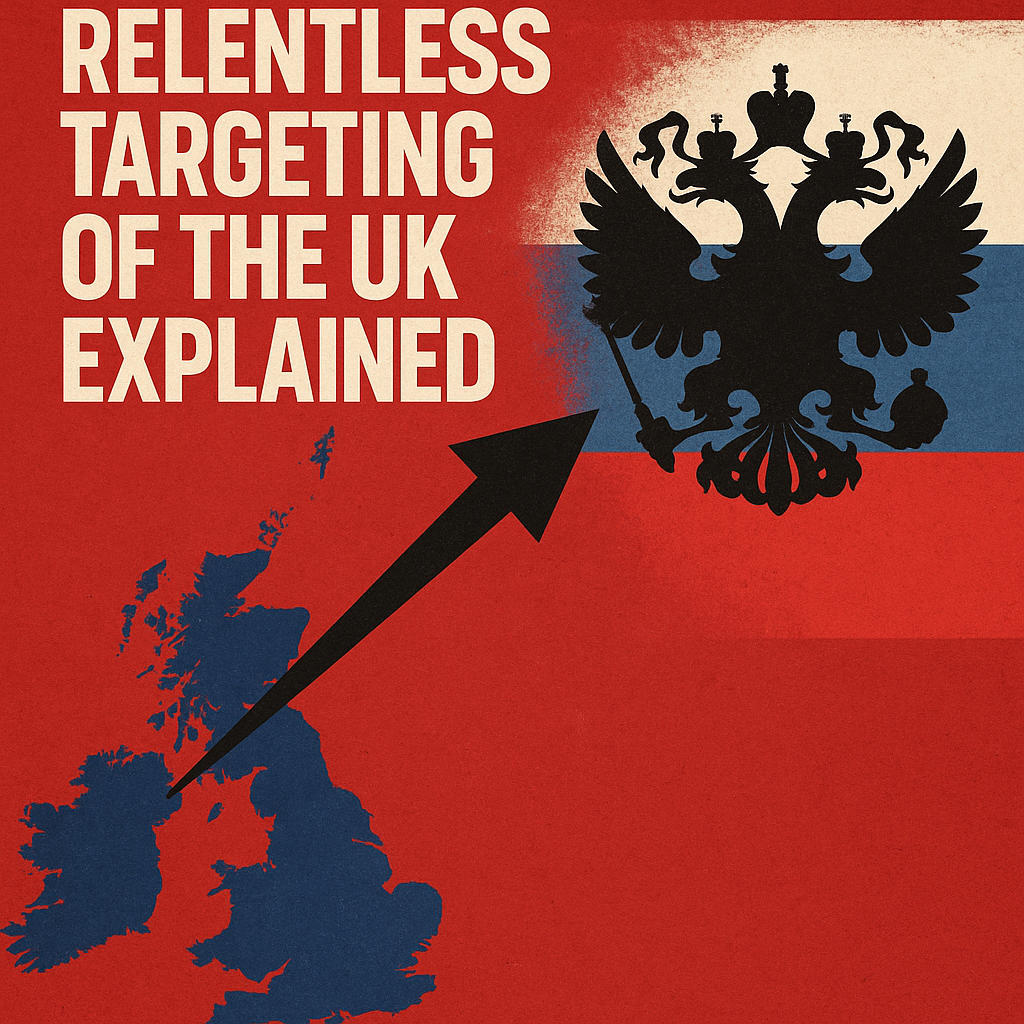
Russia’s Relentless Targeting of the UK Explained

Understanding Russia’s Relentless Targeting of the UK
In recent months, Russia’s relentless targeting of the UK has raised significant concerns within international relations and national security circles. This ongoing campaign appears to be part of a broader strategy that is multifaceted and steeped in historical tensions, geopolitical ambitions, and domestic posturing.

Historical Context
The roots of Russia’s animosity toward the UK can be traced back to a complex history characterized by rivalry and skepticism. The two nations have often found themselves on opposing sides, particularly during during the Cold War and the Gulf conflicts. More recently, the UK’s support for Ukraine in the wake of the Russian invasion has solidified this adversarial relationship. As noted in reports from Sky News, this support has included both military assistance and economic sanctions, making the UK a primary target for Russian disinformation campaigns and cyberattacks.


The historical context not only informs Russia’s current actions but also gives insight into why the UK is perceived as a key adversary. Moscow’s approach has been to undermine UK interests globally, thereby challenging what it sees as Western dominance.


The Strategic Objective
Russia’s targeting of the UK reflects broader strategic goals, including attempts to destabilize Western unity and sow mistrust among allies. Various reports outline how Russian agents have utilized both traditional espionage and modern digital tactics—such as hacking and misinformation campaigns—to achieve these objectives. By focusing on the UK, Russia aims to exploit vulnerabilities in British politics, society, and infrastructure.
Economic and Cyber Warfare
Economic sanctions imposed on Russia have led to a significant backlash, and targeting the UK serves as a strategic response. As articulated by analysts at Al Jazeera, Russian cyber efforts against the UK have reportedly increased, with various sectors, including energy and finance, being particularly vulnerable. Cyberattacks, often masked in the guise of geopolitical rhetoric, aim to create chaos and uncertainty among the population.
The use of cyber warfare illustrates a shift from conventional military confrontations to more insidious and subversive tactics. This allows Russia to remain under the radar while still pursuing its goals, effectively forcing countries like the UK to bolster their cybersecurity defenses.
Disinformation Campaigns
In addition to economic and cyber strategies, disinformation campaigns have become a hallmark of Russia’s tactics against the UK. These campaigns often utilize social media platforms to manipulate public opinion, create discord, and undermine trust in democratic processes. Reports indicate that these efforts have been labored and systematic, targeting key issues such as immigration, social unrest, and public health crises.
As mentioned in an article from RT News, the Kremlin has actively sought to amplify existing divides in British society, including partisan political tensions and social justice movements. This approach not only seeks to destabilize but also to divert attention away from Russia’s own challenges—such as economic difficulties and international isolation resulting from its actions in Ukraine.
The International Response
The UK government has responded by enhancing its intelligence-sharing partnerships, particularly with allies like the United States and NATO. Enhanced surveillance and counter-intelligence measures are portrayed as essential in safeguarding national interests. However, some experts suggest that the effectiveness of these measures remains uncertain. Although stronger collaborations exist, they do not entirely mitigate the persistent threats posed by Russian activities.
Moreover, there are diverse opinions on how effective these measures will be in the long-term. Some analysts express skepticism, arguing that missteps in policy could lead to further escalations, especially if Russia perceives increased pressure as a declaration of war. Others maintain that a united front, with the UK at its core, can effectively deter hostile actions and promote stability in Eastern Europe.
Conclusion: The Way Forward
As we delve into the layers surrounding Russia’s sustained targeting of the UK, it becomes clear that this issue is anything but straightforward. While historical tensions and modern strategic objectives play fundamental roles, the impact of these actions is still evolving. The complexities of cyber warfare, disinformation, and economic sanctions contribute to a multifaceted landscape that requires nuanced understanding and agility in response.
Going forward, the UK must balance robust security measures with a commitment to democratic transparency and public trust. The international community’s response will also be essential in shaping the future dynamics of UK-Russia relations. Ultimately, how the UK navigates these challenges will be instrumental in determining both its national security and broader geopolitical stability.















