Russia Seeks to Reset Persian Gulf Security: Can It Succeed?

Russia Seeks to Reset Persian Gulf Security: Can It Succeed?
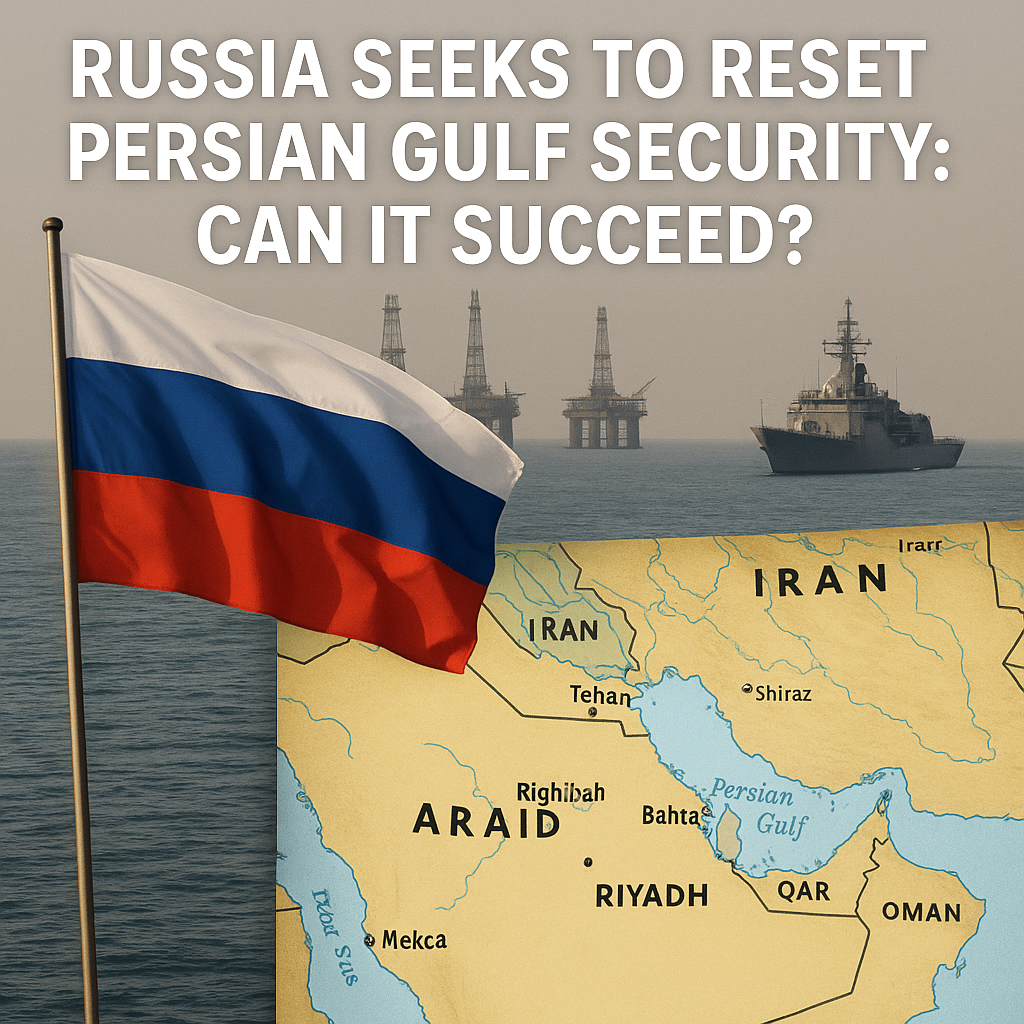
As Russia intensifies its diplomatic efforts in the Persian Gulf, it aims to recalibrate the regional security landscape, a move that could have significant implications for geopolitics and global stability. Amid shifting allegiances and security concerns, Russia’s ambition to play a more prominent role in this critical region raises pertinent questions about the feasibility and potential outcomes of such a reset.

Historical Context and Motivation
Historically, the Persian Gulf has been a theater of geopolitical maneuvering, influenced largely by the United States, Saudi Arabia, and Iran. However, recent alterations in the global political climate, particularly in the wake of the Ukraine conflict and Western sanctions on Russia, have prompted Moscow to pivot towards new partnerships. Experts argue that Russia sees the Gulf as a vital area for expanding its influence, not just in response to Western actions but also as a bid to establish itself as a counterbalance to U.S. dominance.


According to a recent RT report, Russia aims to enhance its security cooperation with Gulf nations, striving to establish a strategic alliance based on mutual interests. This drive for security pacts and defense collaborations underscores Russia’s intent to secure both economic and political footholds in the region, thereby reducing its isolation on the global stage.


Gulf States’ Perspectives: Opportunities and Concerns
The reaction of Gulf states to Russia’s overtures varies, guided by their individual national interests and historical ties. For instance, some countries like Saudi Arabia and the United Arab Emirates view collaboration with Russia as an opportunity to diversify their security partnerships. This sentiment was echoed in Al Jazeera articles discussing recent dialogues between Gulf leaders and Russian officials, emphasizing a desire for greater multipolarity in security arrangements.
– Positive Outlook: Several analysts suggest that Gulf nations may welcome Russia’s engagement as a way to explore alternative security frameworks. The dwindling U.S. commitment, marked by the withdrawal from Afghanistan and a perceived disengagement from Middle Eastern affairs, opens the door for non-Western powers to step in. The Gulf Cooperation Council (GCC) might see this reshuffling as an opportunity to balance its relationships and enhance regional stability through cooperation with Russia.
– Skepticism Amid Collaboration: Conversely, skepticism remains strong, particularly in states wary of Russia’s foreign policy, especially in relation to its actions in Ukraine and Syria. Critics, as noted in various Sky News reports, argue that Russia’s intentions might not align with the long-term security interests of the Gulf states. The fluctuating loyalty displayed by Moscow, coupled with its historical relationships in the region, calls into question the reliability of its commitments.
When considering these perspectives, the complexity of the regional dynamics comes into sharp relief. While some Gulf states may find common ground with Russia, others remain doubtful, as their geopolitical stakes involve navigating alliances with both Western powers and their neighbors, particularly Iran.
Challenges to Russia’s Aspirational Reset
While the aspiration for a security reset in the Persian Gulf is ambitious, numerous challenges could impede its success.
1. Regional Rivalries: Tensions between Iran and Gulf nations, particularly Saudi Arabia, complicate any effort for a cohesive security arrangement involving multiple actors. Russia’s inclination to mediate between these rivalries could place it in a precarious position, making it hard to satisfy all parties and achieve a common security framework.
2. Responses from the West: The response from the U.S. and its allies will be crucial in determining the effectiveness of Russia’s approach. Continued Western influence in the region, bolstered by defense partnerships and economic ties, could undermine Russia’s efforts to gain traction. Military drills or economic sanctions could be employed to counteract Russia’s presence, showcasing the tug-of-war between these global powers.
3. Domestic Constraints: Internally, Russia faces its own challenges with economic sanctions and political pressures at home, which may limit its ability to effectively project power abroad. The focus on the Ukraine conflict has already stretched its military and economic resources thinner, impacting its capacity to engage fully in new regional strategies.
Conclusion: A Complex Path Ahead
Russia’s intentions to reset the security architecture of the Persian Gulf may indeed align with the shifting dynamics of global politics. However, the degree to which it can succeed remains uncertain. The interplay between regional interests, Western opposition, and Russia’s own limitations will shape the unfolding narrative.
In navigating these multifaceted challenges, it is essential for stakeholders in the Persian Gulf to engage in open dialogue and explore partnerships that prioritize regional stability over historical grudges. While the aspirations are palpable, the path to achieving a lasting and collective security framework will inevitably be complicated, filled with hurdles that require strategic finesse and collaboration.