South Korea to Revise Airport Barriers Following Fatal Jeju Air Incident

South Korea to Revise Airport Barriers Following Fatal Jeju Air Incident
Overview of the Incident
In a tragic event that has prompted national concern, a fatal accident involving Jeju Air has led South Korea to reconsider its airport safety measures. The incident has highlighted significant vulnerabilities in current airport barrier systems, necessitating immediate action to prevent future occurrences.

Key Details of the Incident
- The accident occurred at a major South Korean airport, involving a Jeju Air aircraft.
- Initial investigations suggest that inadequate barrier systems contributed to the severity of the incident.
- The incident resulted in fatalities, sparking public outcry and demands for improved safety protocols.
Government Response
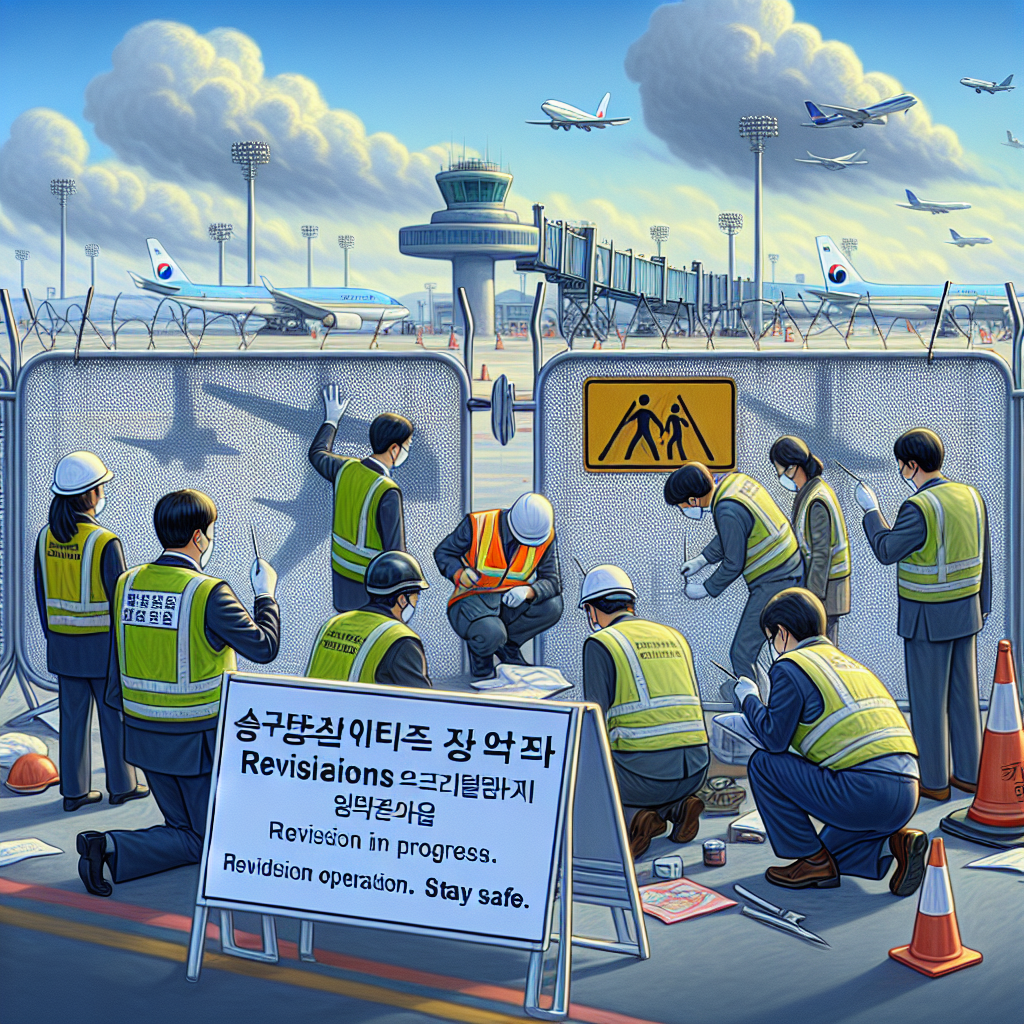
In response to the incident, South Korean authorities have announced plans to revise and enhance airport barrier systems. This initiative aims to bolster safety and prevent similar tragedies in the future.


Proposed Safety Enhancements
- Implementation of more robust and technologically advanced barrier systems.
- Regular safety audits and assessments to ensure compliance with international standards.
- Increased training for airport personnel to handle emergency situations effectively.
Public and Industry Reactions
The announcement has been met with mixed reactions from the public and industry stakeholders. While there is general support for improved safety measures, concerns about the cost and implementation timeline have been raised.


Conclusion
The fatal Jeju Air incident has served as a wake-up call for South Korea, highlighting the urgent need for enhanced airport safety measures. The government’s commitment to revising airport barriers is a crucial step towards ensuring passenger safety and restoring public confidence in air travel. As these changes are implemented, ongoing vigilance and adaptation will be key to maintaining high safety standards.