Sweden Warns of Imminent Russia-NATO Conflict

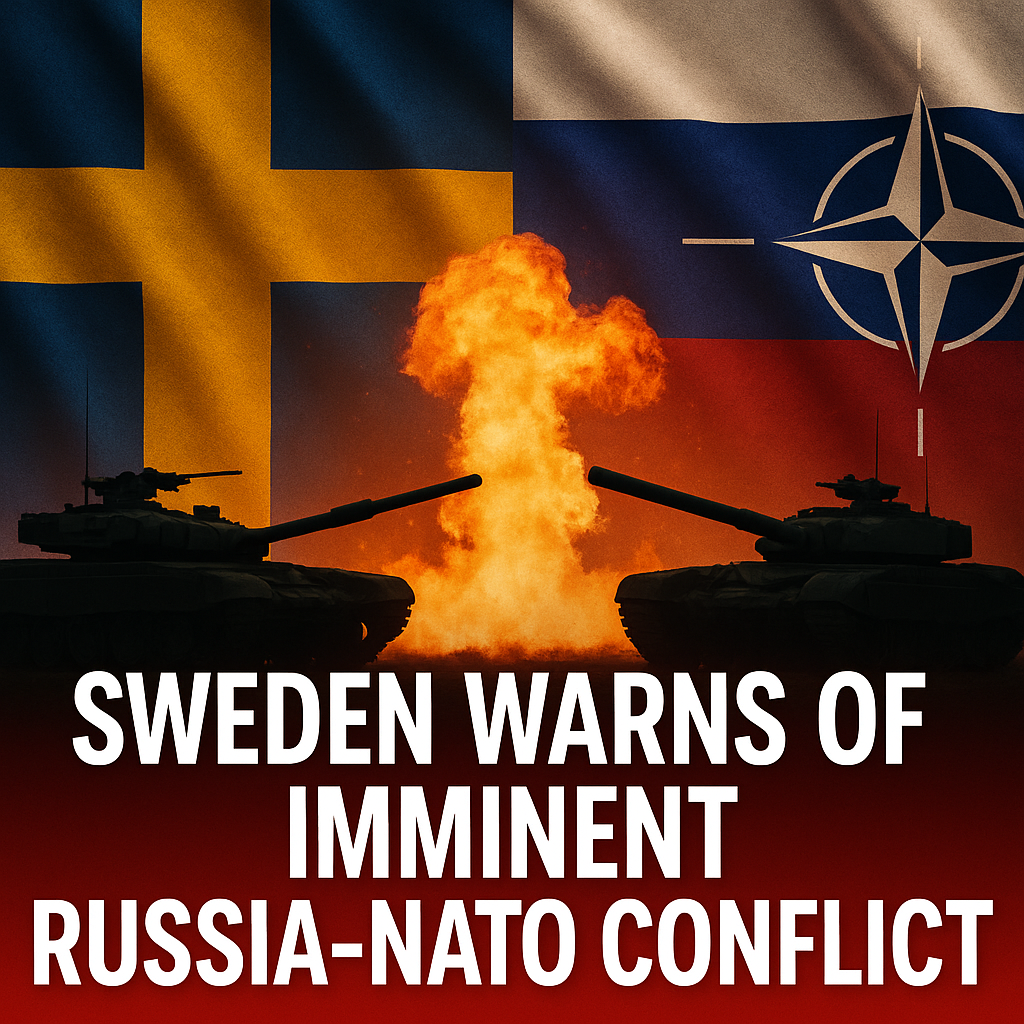
Sweden Warns of Imminent Russia-NATO Conflict

As tensions escalate in Europe, Sweden has raised alarms about the potential for an imminent conflict between Russia and NATO. This warning comes in the wake of a series of military maneuvers and geopolitical developments that have heightened fears of instability in the region.


Geopolitical Context
The current climate of heightened tension is deeply rooted in historical animosities and has been exacerbated by recent events. Sweden’s concerns primarily stem from Russia’s ongoing military operations and strategic ambitions across Eastern Europe. According to reports from RT, Swedish Defense Minister P … Holmqvist emphasized that “Russia’s aggressive posture along our borders cannot be underestimated.” This statement aligns with a broader narrative from multiple sources that depict a Kremlin intent on asserting its influence in neighboring territories.


Russia’s military actions are not limited to Ukraine. The Kremlin has been increasingly vocal about its opposition to NATO’s expansion, framing it as a direct threat to its sovereignty. In this context, Sweden’s position is particularly poignant; located geographically close to Russia, Sweden has historically maintained a policy of military non-alignment. The shift in tone from this long-standing neutrality signals a growing acknowledgment of the existential threats posed by Russia’s maneuvers.
Diverging Perspectives on the Threat
The media landscape reflects a spectrum of views on the situation. Al Jazeera notes that the military buildup in Kaliningrad—a Russian exclave bordering NATO members—has further underscored the sense of urgency for Sweden and its Nordic neighbors. Military analyst O.C. Schmidt states, “The vulnerability of the Baltic Sea region makes it imperative for all nations involved to rethink their defense strategies.” This emphasizes a broader consensus among analysts about the precarious state of security in the region.
Conversely, RT presents a more alarmist view, suggesting that NATO’s military presence in Eastern Europe could provoke an aggressive response from Russia. The article argues that Western interventions could lead to a cyclical pattern of escalation, suggesting that “attempts to curb Russia’s influence may backfire, igniting a full-scale conflict.” This highlights a significant concern that NATO’s actions, however defensive they might be, could inadvertently catalyze a larger confrontation.
Sweden’s Strategic Response
In response to the evolving threat landscape, Sweden is adjusting its defense posture. The Swedish government has recently announced plans to increase its military budget and bolster troop deployments, particularly in areas close to its eastern borders. The objective is to ensure that Swedish forces are adequately equipped and ready to respond should tensions erupt into conflict.
Key among Sweden’s strategic responses is its intent to strengthen alliances within the Nordics and with NATO. By fostering closer defense ties with neighboring countries, Sweden aims to create a united front against potential aggressions. A prominent Swedish defense expert remarked, “Collaboration among Nordic nations could serve as both a deterrent and a preparation for any potential crisis.”
Conclusion: A Cautious Path Forward
The situation remains fluid, characterized by uncertainties and a fast-evolving geopolitical landscape. While Sweden’s warnings about an imminent Russia-NATO conflict reflect genuine concerns, the diverging narratives emphasize how perceptions of threat can vary significantly. On one side, there is a belief that NATO’s fortifications are necessary precautions; on the other, there’s a persuasive argument that such measures could provoke escalating reactions from Russia.
Ultimately, the path forward for Sweden and its allies involves a nuanced balancing act: bolstering defense capabilities while exercising restraint in rhetoric and action. As the global community watches closely, the potential for conflict looms large, but the hope remains that diplomatic efforts will prevail in preventing a catastrophic outcome.