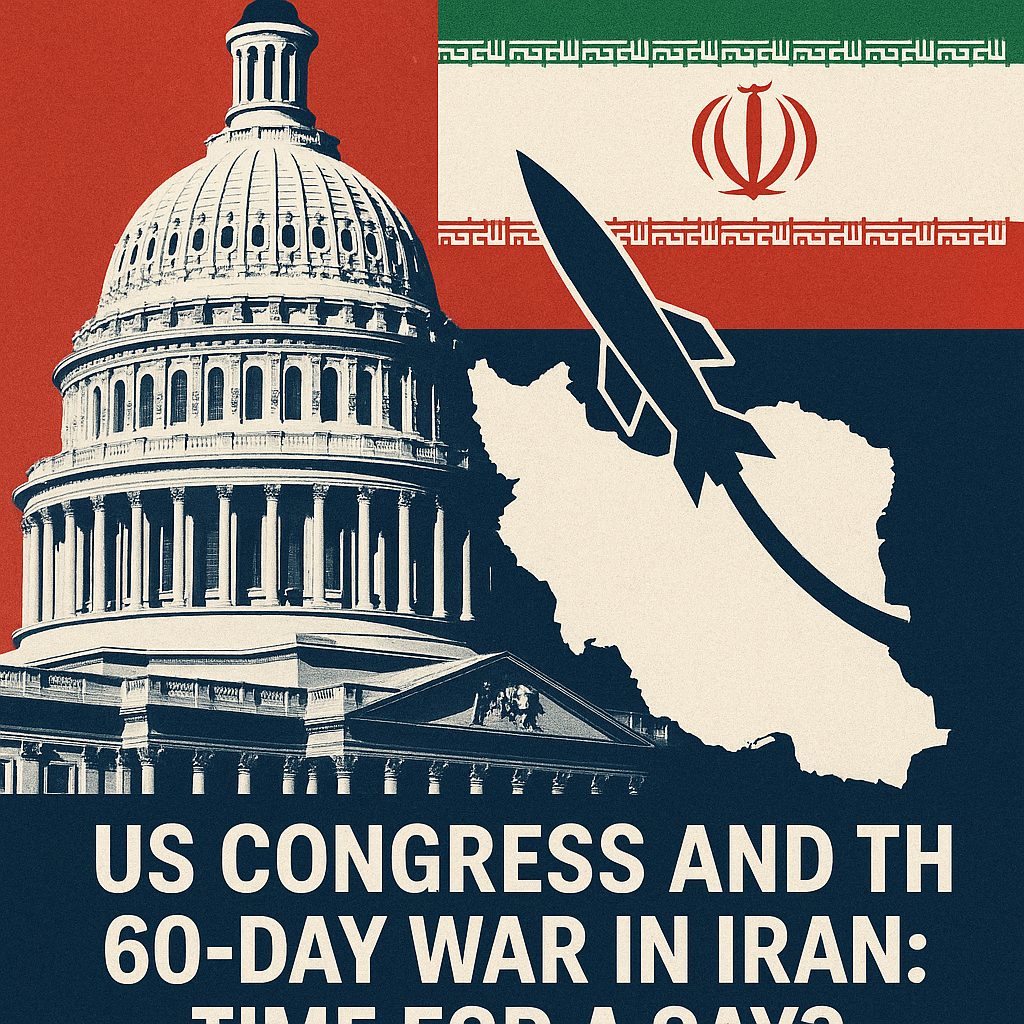
The Senates recent passage of the Iran War Powers Resolution is not just a milestone in U.S. foreign policy—its a powerful challenge to Trump’s legacy, highlighting a push for greater congressional control over military decisions. With bipartisan backing, lawmakers are taking a stand to ensure that the voice of the people is heard in matters of war.
In a pivotal turn of events, the House has voted to rein in Trumps war powers concerning Iran, igniting a heated debate about executive authority and military engagement that highlights the rifts within Congress and the nation. As tensions rise, this bold move aims to ensure that no president can unilaterally send troops into conflict without congressional approval—raising critical questions about the balance of power in the face of escalating global threats.
As the conflict in Iran stretches into its sixtieth day, the question looms larger: should Congress take the reins on military engagement? With voices from both sides of the aisle calling for a vital check on executive power, it’s time to dive into this critical conversation about democracy and accountability in foreign policy.