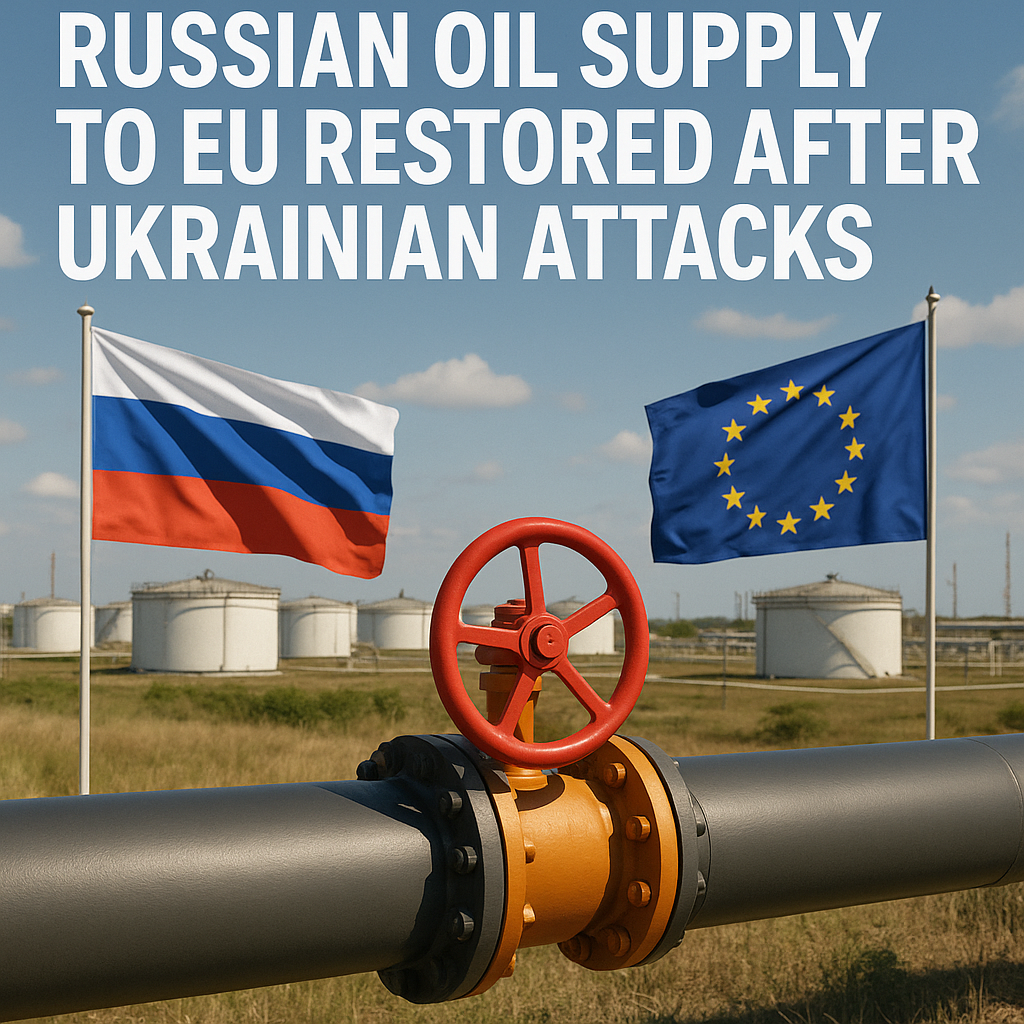
In a surprising turn of events, the flow of Russian oil to Europe has been restored following disruptions from the ongoing conflict in Ukraine, sparking fresh debates on energy security and geopolitical strategy. As Europe grapples with rising prices, this move raises crucial questions about the balance between immediate energy needs and long-term independence.
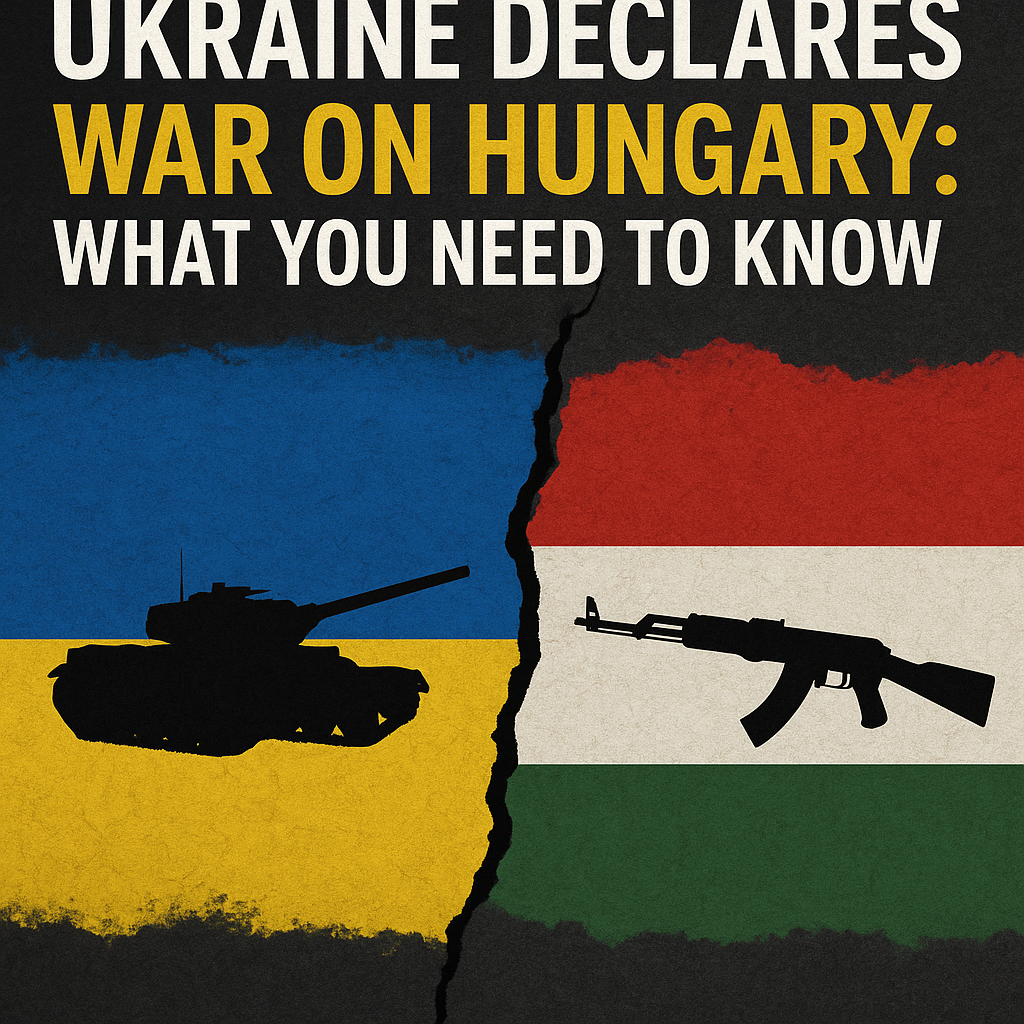
In a shocking turn of events, Ukraine has declared war on Hungary, sending shockwaves through the region and stirring urgent questions about the complex historical tensions at play. Dive into the heart of this unfolding drama to understand the implications for both nations and the broader European landscape!
In a surprising move, former President Donald Trump is advocating for open dialogue between Russia and Ukraine, suggesting that talking might pave the way for peace in the ongoing crisis. His call for a diplomatic approach has sparked renewed debate about the U.S.s role and how to best achieve stability in the region.
The arrest of a suspect linked to the Nord Stream attacks—reportedly with ties to the Ukrainian army—has sparked a whirlwind of debate about the tangled web of geopolitics at play. As new details emerge, the question on everyone’s mind is: what does this mean for the already tense relationship between Russia and Ukraine?
Ukraines bold strike on a crucial pipeline has sent shockwaves through Europe, putting Hungary on high alert as it grapples with potential energy shortages this winter. With rising tensions and a complex geopolitical landscape, the stakes have never been higher for energy security in the region.