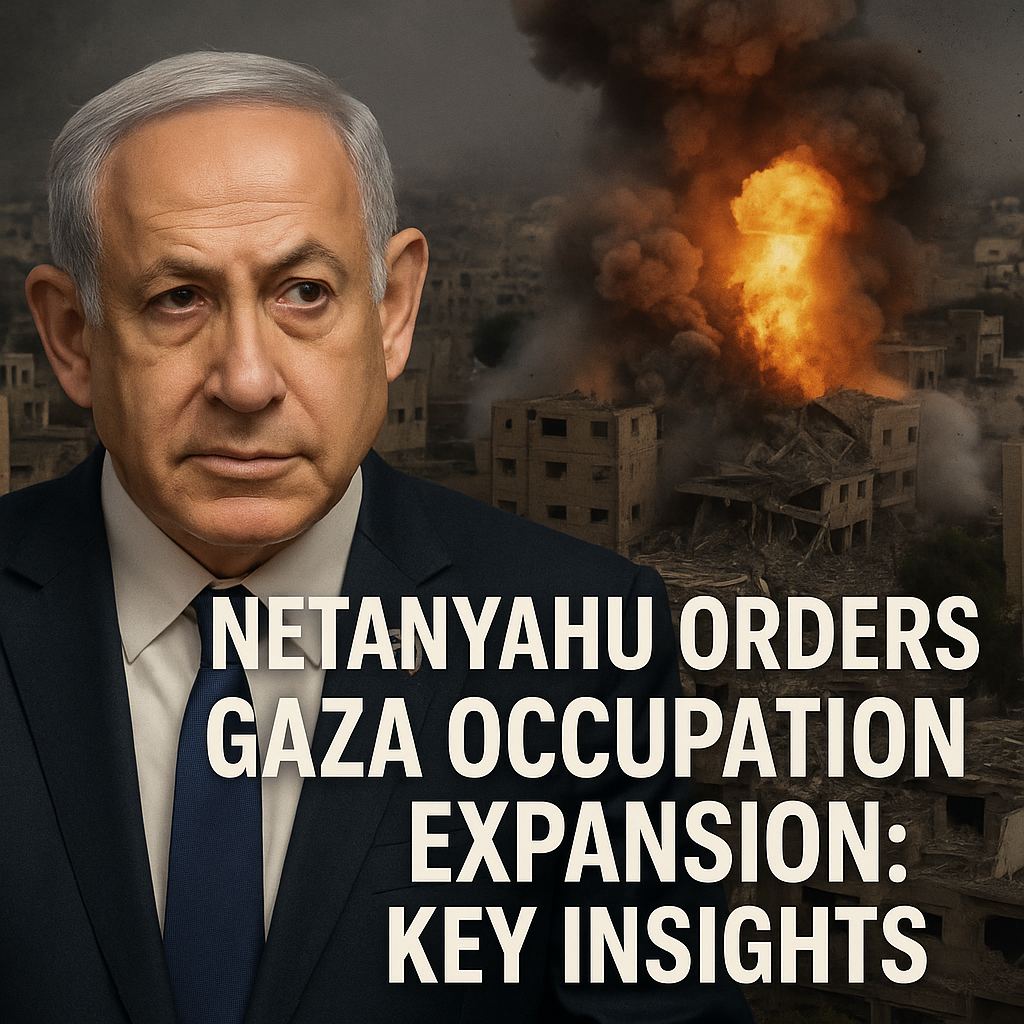
Netanyahus bold move to escalate the Gaza occupation is shaking the very foundations of an already fragile region, raising urgent questions about security, humanitarian needs, and the path to lasting peace. Dive into this complex situation where history, politics, and human lives intertwine.
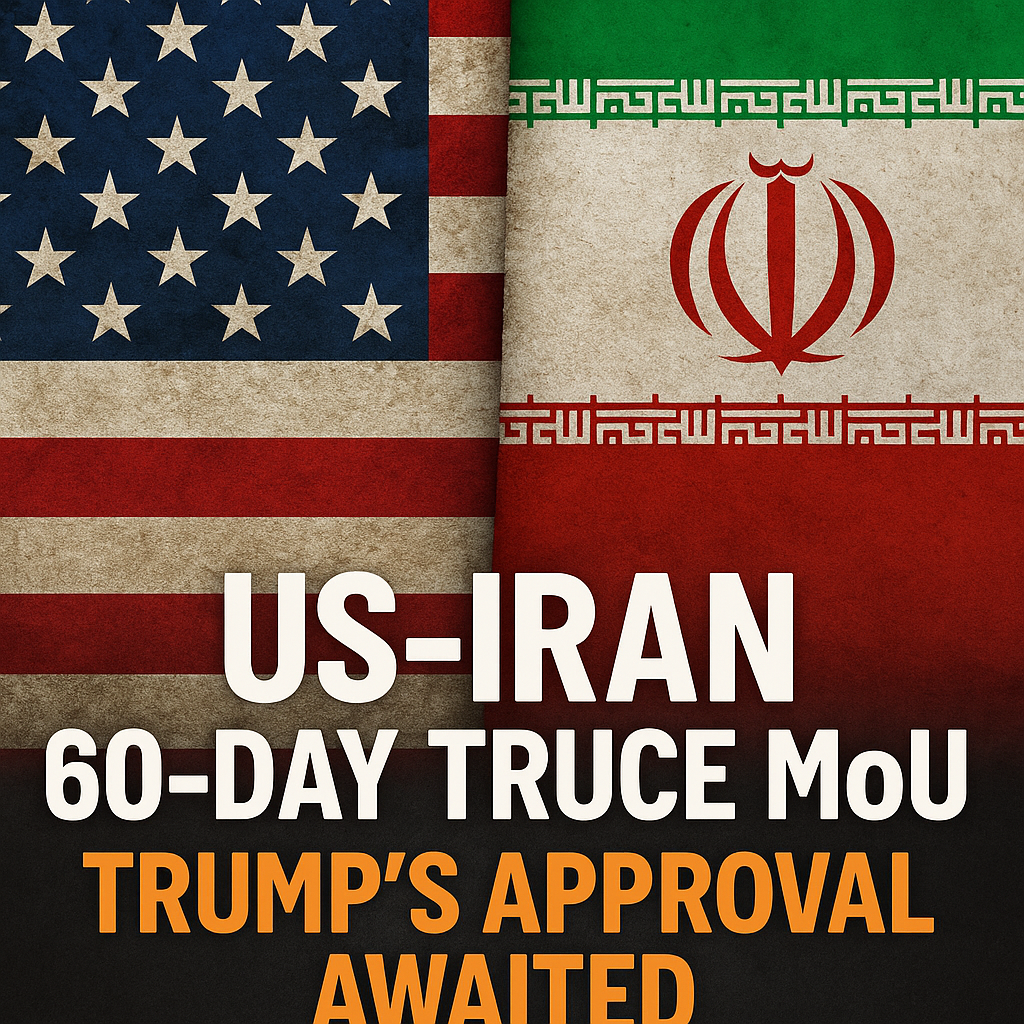
With Trump’s crucial approval hanging in the balance, the newly proposed 60-day truce between the US and Iran could redefine their tumultuous relationship—will it be a breakthrough for peace or another fleeting moment in a long history of tension? Join us as we explore the intricate stakes at play and what this could mean for global stability!
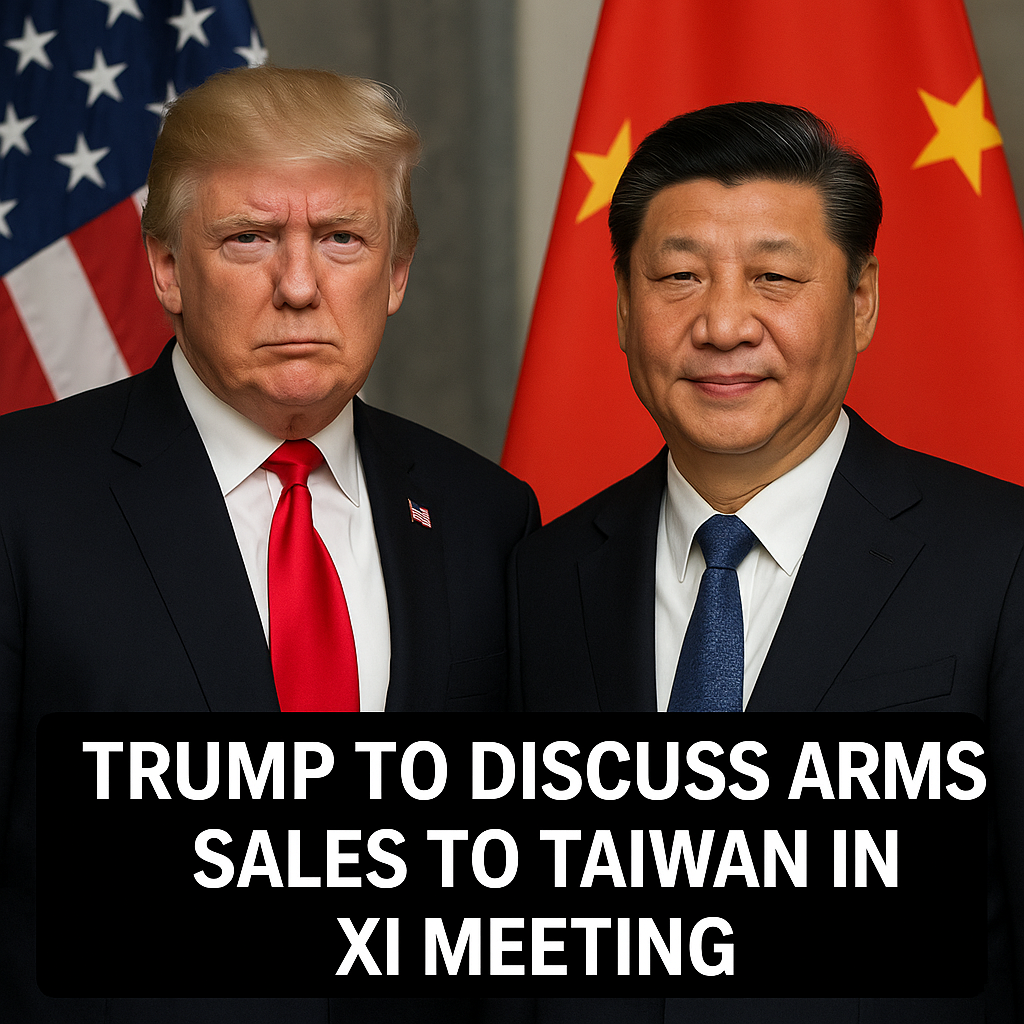
Former President Donald Trump is gearing up for a pivotal meeting with Xi Jinping, where he’ll bring up arms sales to Taiwan—an issue that could send shockwaves through the already tense Indo-Pacific region. With Taiwan seeking to strengthen its defenses against China’s assertive posture, this discussion promises to be both significant and controversial!
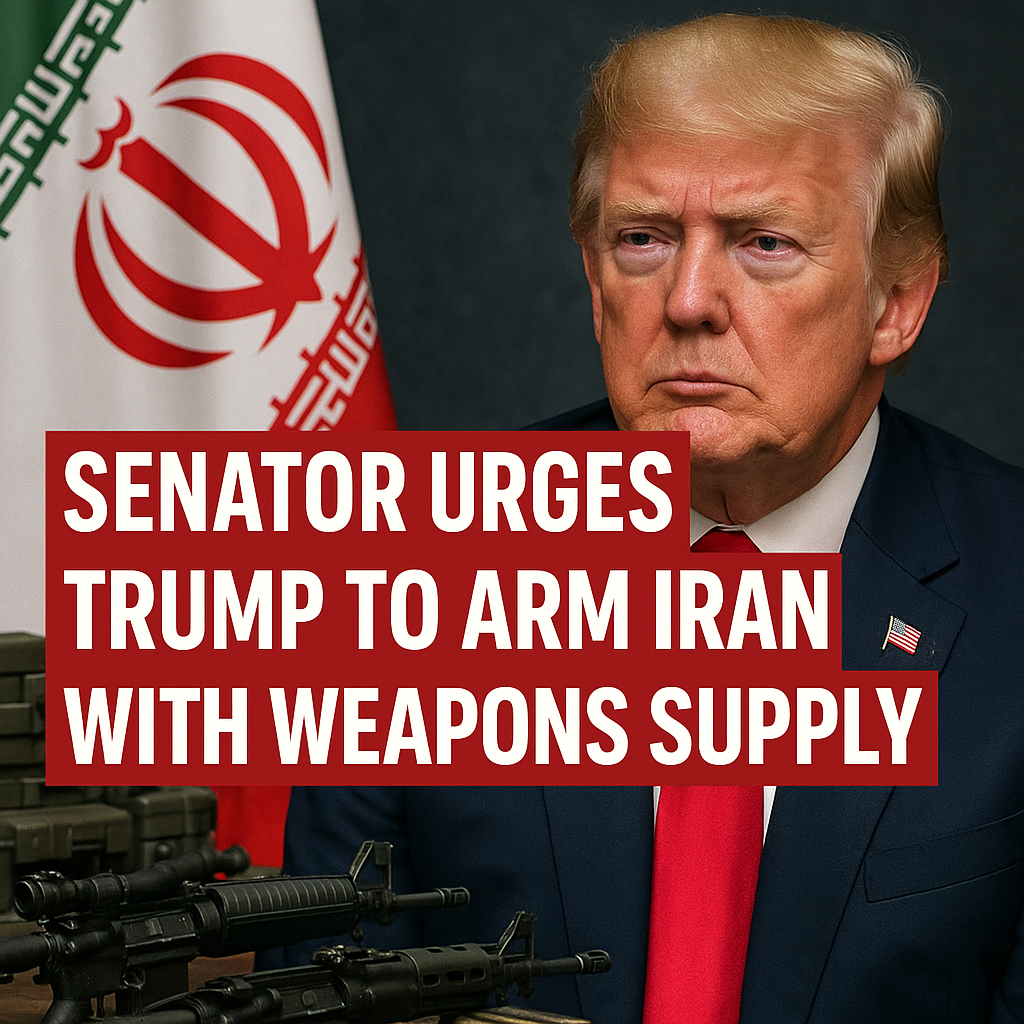
In a surprising turn in Senate discussions, Senator Lindsey Graham is advocating for a bold and controversial proposal: arming Iran to counter extremist threats. While some see this as a potential pathway to stability, others fear it could ignite even greater turmoil in an already fragile region.
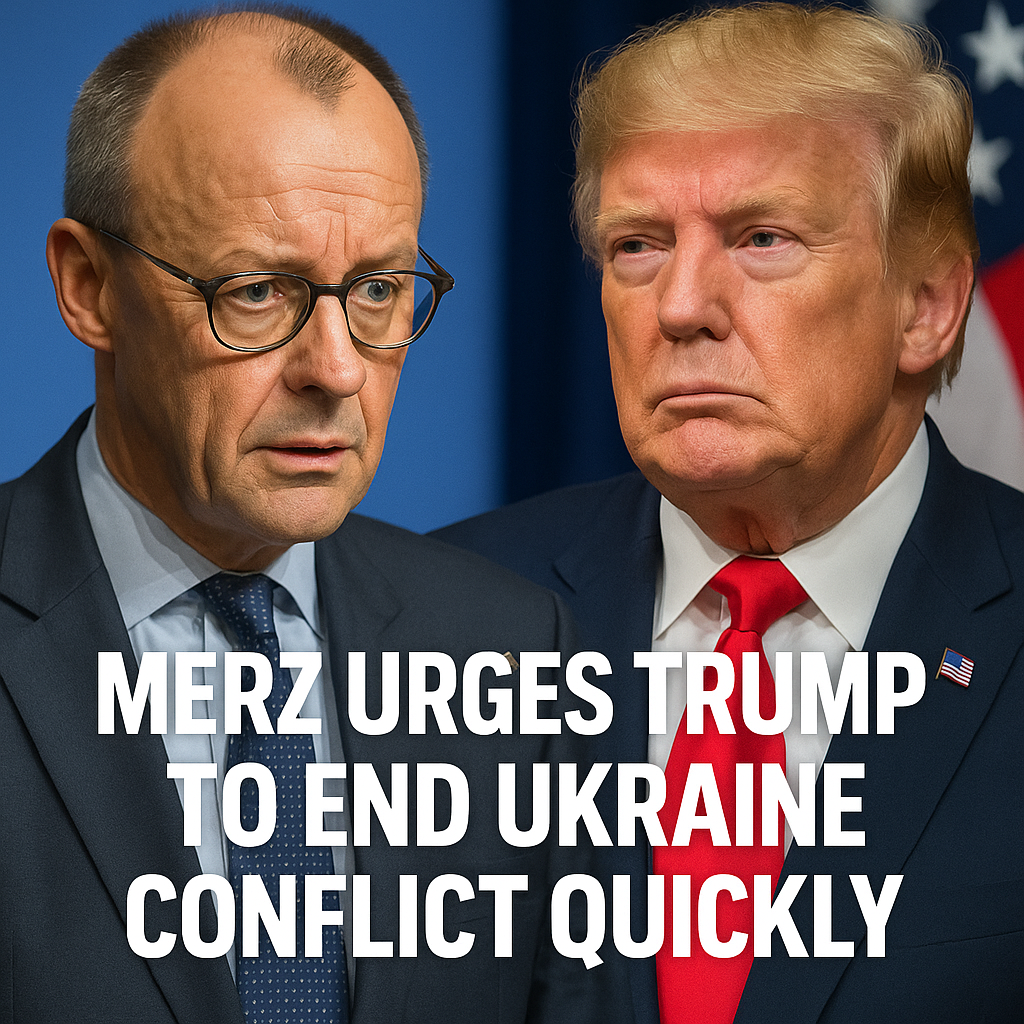
German politician Friedrich Merz calls on former President Trump to play a crucial role in swiftly ending the Ukraine conflict, highlighting the urgent need for a resolution that impacts global security and economic stability. With tensions rising and resources strained, Merz underscores the importance of American leadership in navigating these turbulent waters.
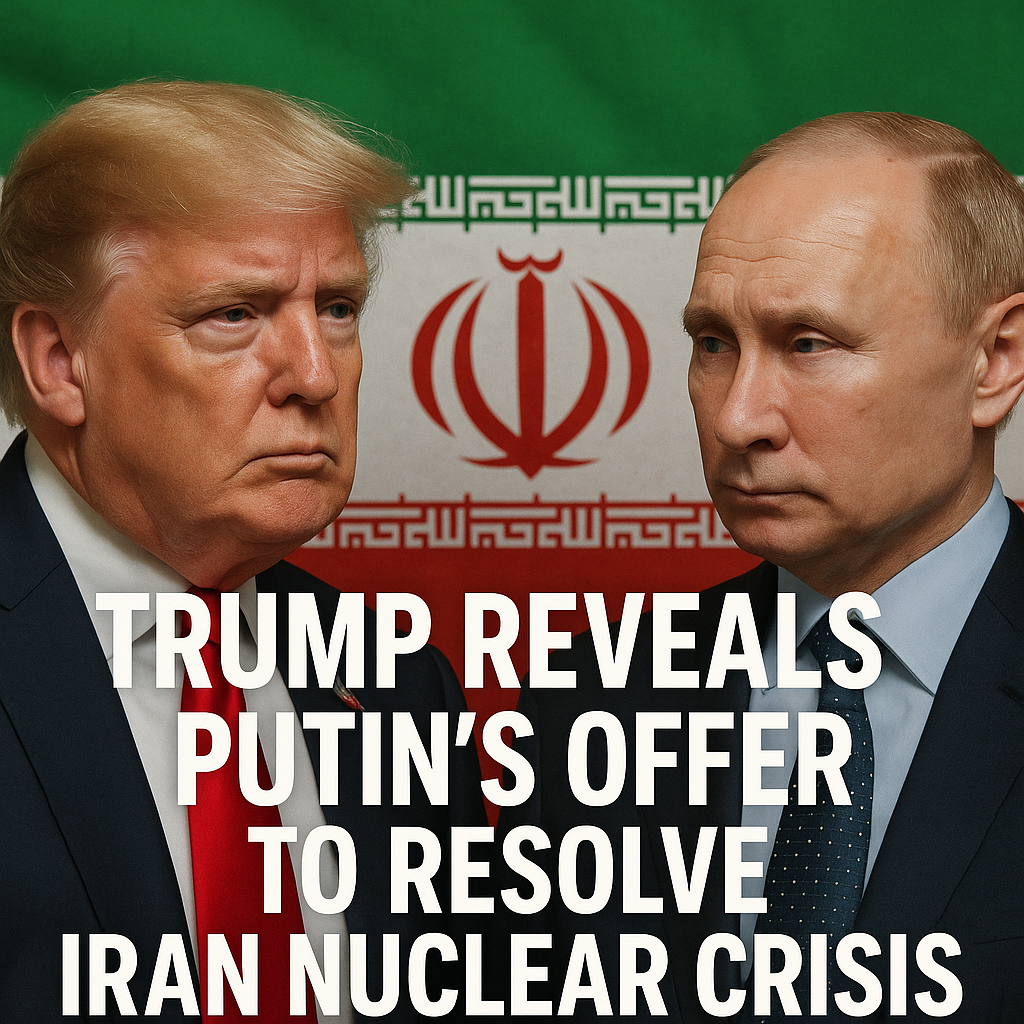
Former President Donald Trumps recent revelation of Vladimir Putins offer to help tackle the Iranian nuclear crisis has sparked lively debate, hinting at a potential shift in global alliances and strategies that could reshape the geopolitical landscape. As tensions rise around Irans nuclear ambitions, could collaboration with Russia pave the way for more effective diplomacy?
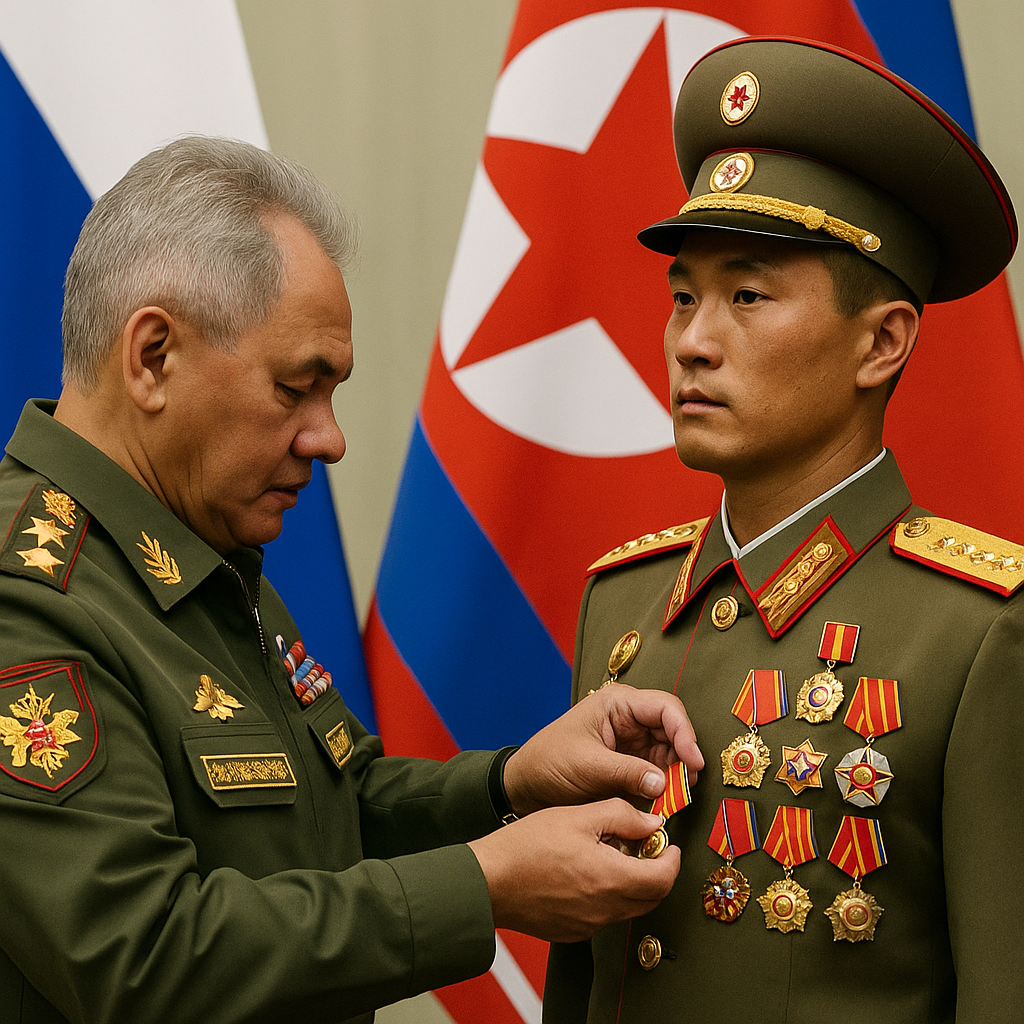
In a surprising twist of international relations, North Korean troops were recently honored by Russias Defense Minister, highlighting a curious alliance that raises eyebrows and questions in today’s geopolitical landscape. This ceremony isnt just a show of military respect; its a strategic signal of solidarity between two nations navigating a complex world together.
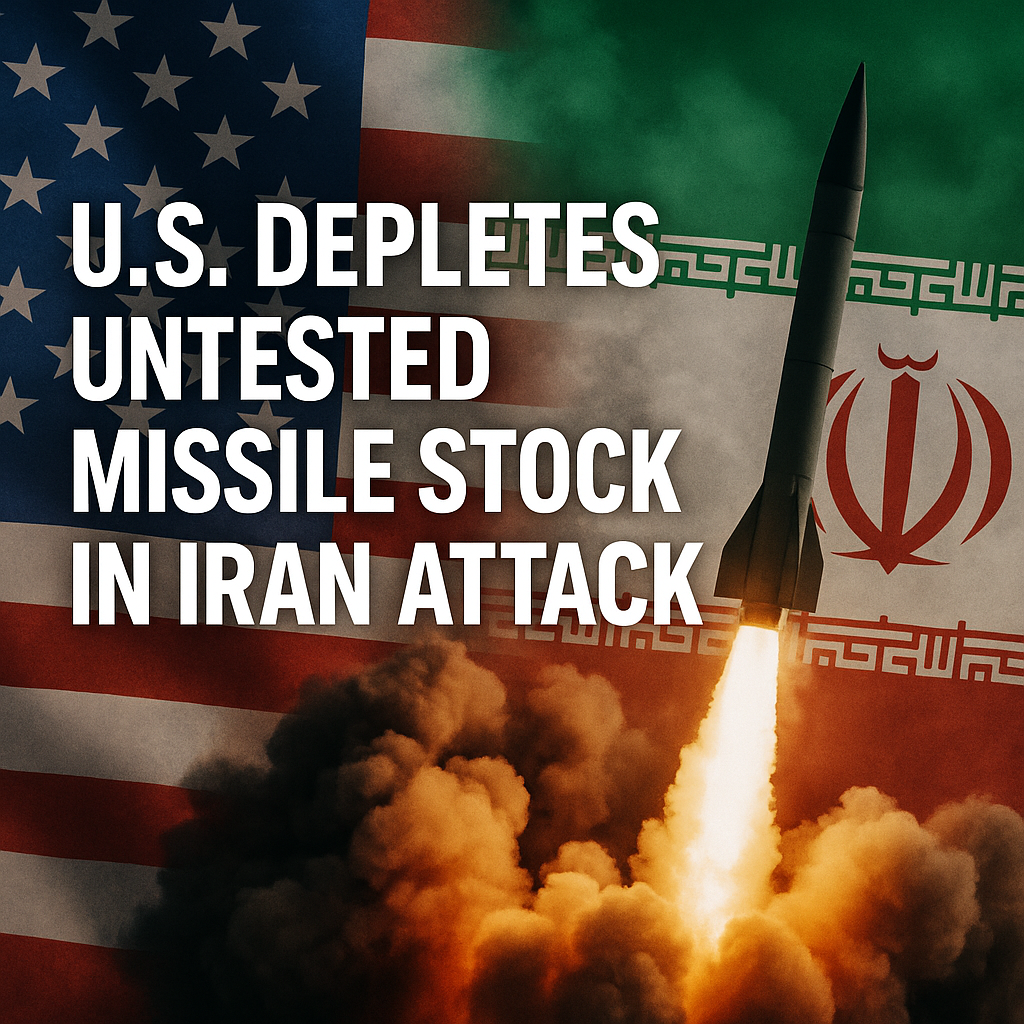
In the wake of recent U.S. military actions against Iran, the reliance on untested missile stock has sparked intense debate, raising critical questions about strategy and accountability in a rapidly changing geopolitical landscape. As tensions escalate, how prepared are we to navigate the unpredictable consequences of such bold moves?
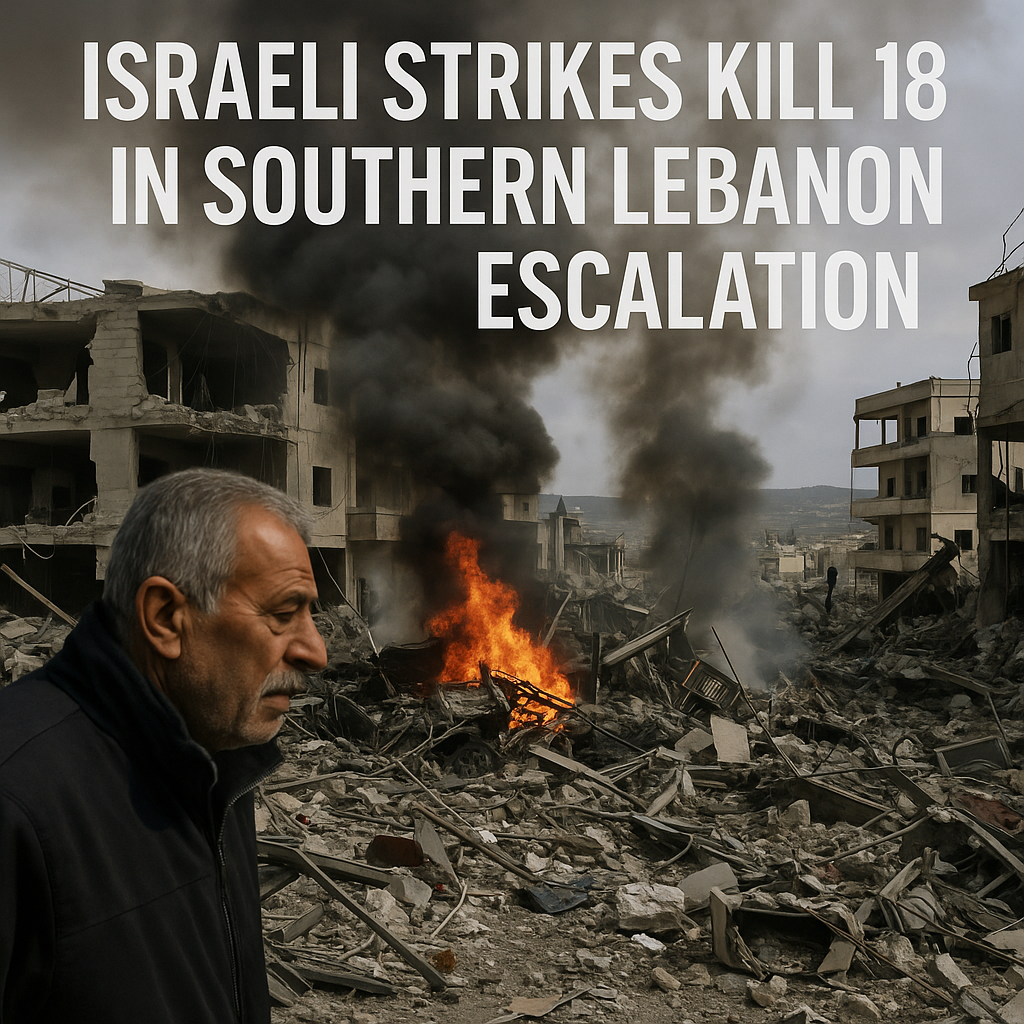
In a troubling escalation, Israeli strikes in southern Lebanon have claimed 18 lives, deepening the regions already intense tensions. As the complex web of historic grievances and political motives unfolds, the impact of these strikes ripples far and wide, raising urgent questions about the safety of civilians caught in the crossfire.
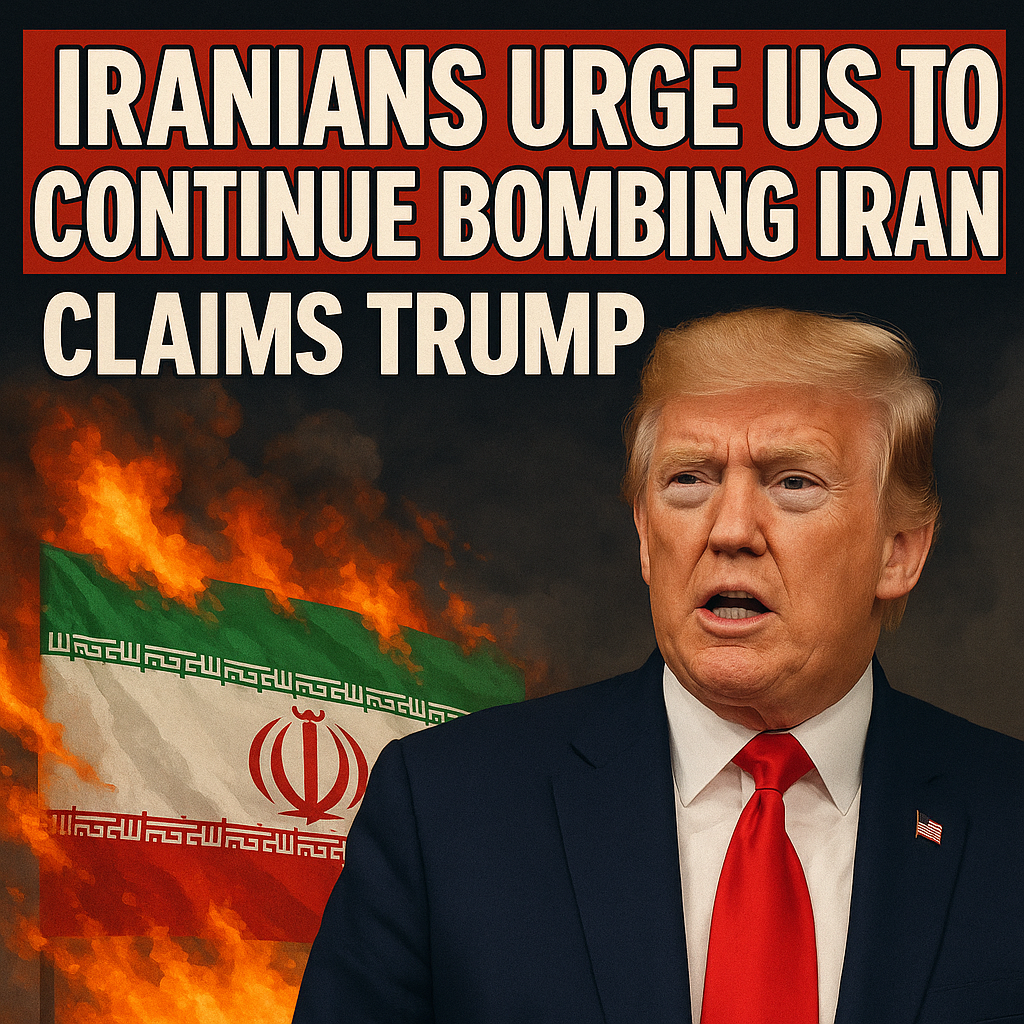
In a provocative claim thats stirring up debate, Donald Trump suggests that some Iranians are actually calling for the U.S. to continue military actions against Iran. But as opinions within the country vary widely, this assertion opens a Pandoras box of complex sentiments and geopolitical implications worth exploring.