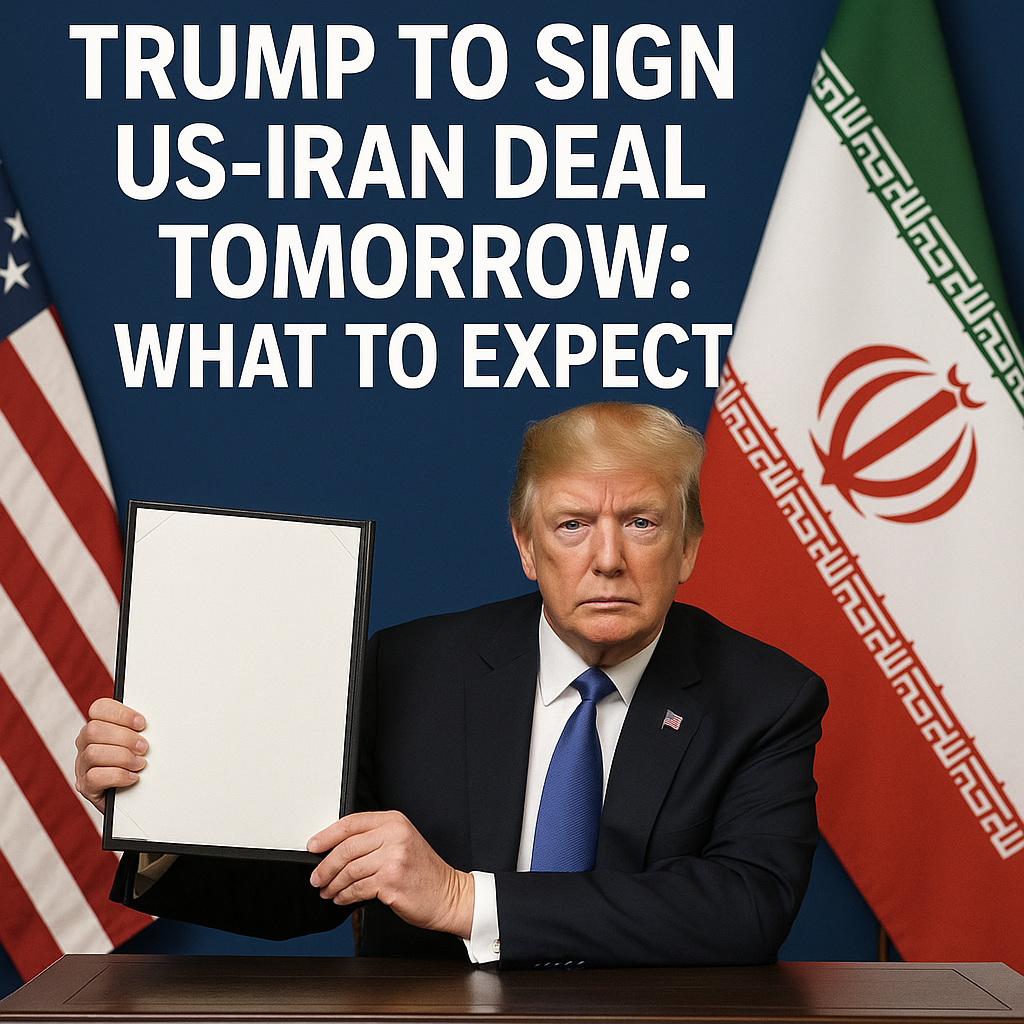
The Pentagons blockade of Iranian ports marks a pivotal moment in maritime security, aimed at curbing illicit oil exports and enforcing crucial sanctions—yet it also raises critical questions about regional stability and oil prices. As tensions simmer, the world watches closely: what will the ripple effects look like for global energy markets and geopolitical dynamics?
In a bold move, former President Trump is shaking up NATO dynamics with an ultimatum that has everyone talking. As bloc chief Jens Stoltenberg visits the U.S., can Trump’s tough love approach strengthen the alliance, or will it drive a wedge between allies?
As Europe battles a pressing energy crisis, Hungarian Prime Minister Viktor Orban is boldly calling for the EU to lift sanctions on Russia, stirring a spirited debate about the delicate balance between economic practicality and geopolitical solidarity. Will this move ease the burden on struggling member states, or jeopardize their unity in the face of aggression?
Poland has made a bold move by rejecting the U.S. request for Patriot missile systems in the Iran conflict, highlighting its commitment to de-escalation and national security while navigating a complex geopolitical landscape. This cautious stance reflects a deep-rooted historical perspective, with Poland prioritizing careful diplomacy over direct involvement in foreign tensions.
As smoke and embers rise over Isfahan, the recent strike has stirred a whirlwind of reactions, intensifying the already fraught atmosphere of the Middle East. Dive into the unfolding chaos and discover how this event is shaping perceptions of power and sovereignty in the region!
In a groundbreaking move, the EU is unlocking frozen Russian assets to channel €1.4 billion in vital aid to Ukraine, showcasing its unwavering commitment to stand by the nation amid ongoing turmoil. This bold step not only raises fascinating questions about the role of sanctions but also emphasizes Europe’s determination to balance justice and humanitarian support.
As tensions flare in the Middle East, President Putin is seizing the moment to elevate Russias diplomatic clout, forging stronger ties with regional powers like Iran and Syria in a bid to counter US and Israeli actions. This strategic pivot not only reshapes alliances but also raises questions about the future of peace in a rapidly changing geopolitical landscape.
The recent US sanctions on Russia are sending ripples across the globe, especially in the UK, where rising energy costs could intensify the existing cost-of-living crisis. Dive in to explore how these geopolitical moves might reshape our economy and everyday lives!
In a surprising twist, former President Trump has openly acknowledged the possibility of being influenced by Putin regarding the Ukraine conflict, raising vital questions about how we interpret international narratives. His candid admission could shift the landscape of U.S. foreign policy discussions amidst a backdrop of increasing polarization.
As anticipation builds for the upcoming Putin-Trump summit, Hungarian Foreign Minister Péter Szijjártó highlights its potential to reshape international relations and ease global tensions—because in challenging times, open dialogue is more essential than ever!