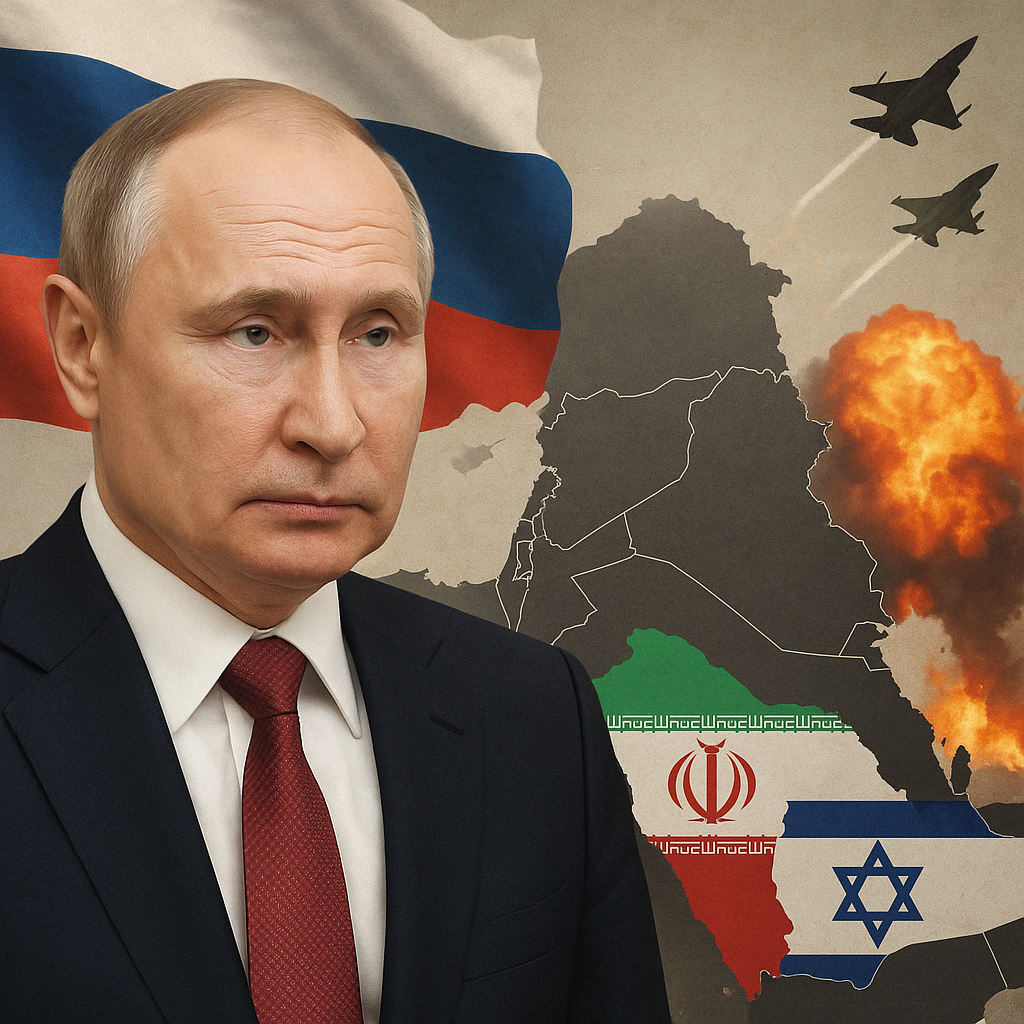
As tensions flare in the Middle East, President Putin is seizing the moment to elevate Russias diplomatic clout, forging stronger ties with regional powers like Iran and Syria in a bid to counter US and Israeli actions. This strategic pivot not only reshapes alliances but also raises questions about the future of peace in a rapidly changing geopolitical landscape.
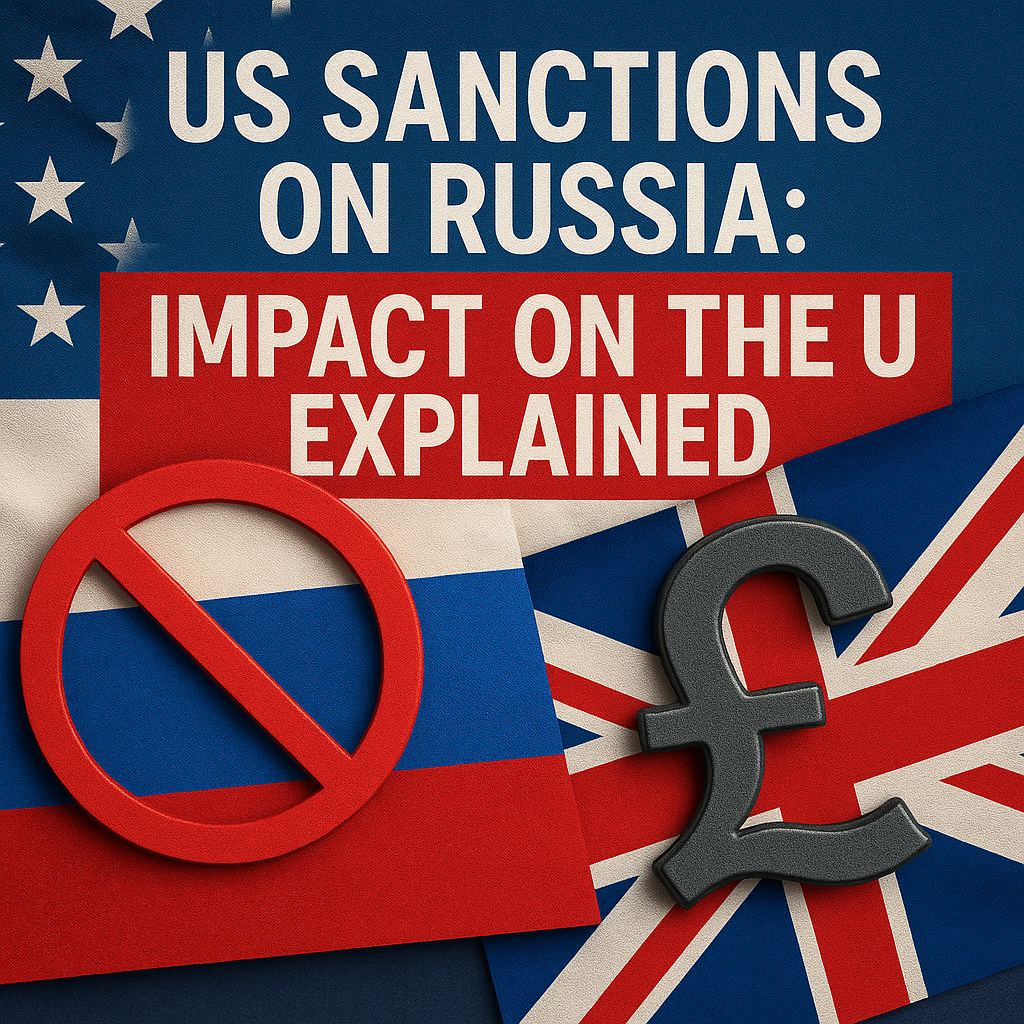
The recent US sanctions on Russia are sending ripples across the globe, especially in the UK, where rising energy costs could intensify the existing cost-of-living crisis. Dive in to explore how these geopolitical moves might reshape our economy and everyday lives!
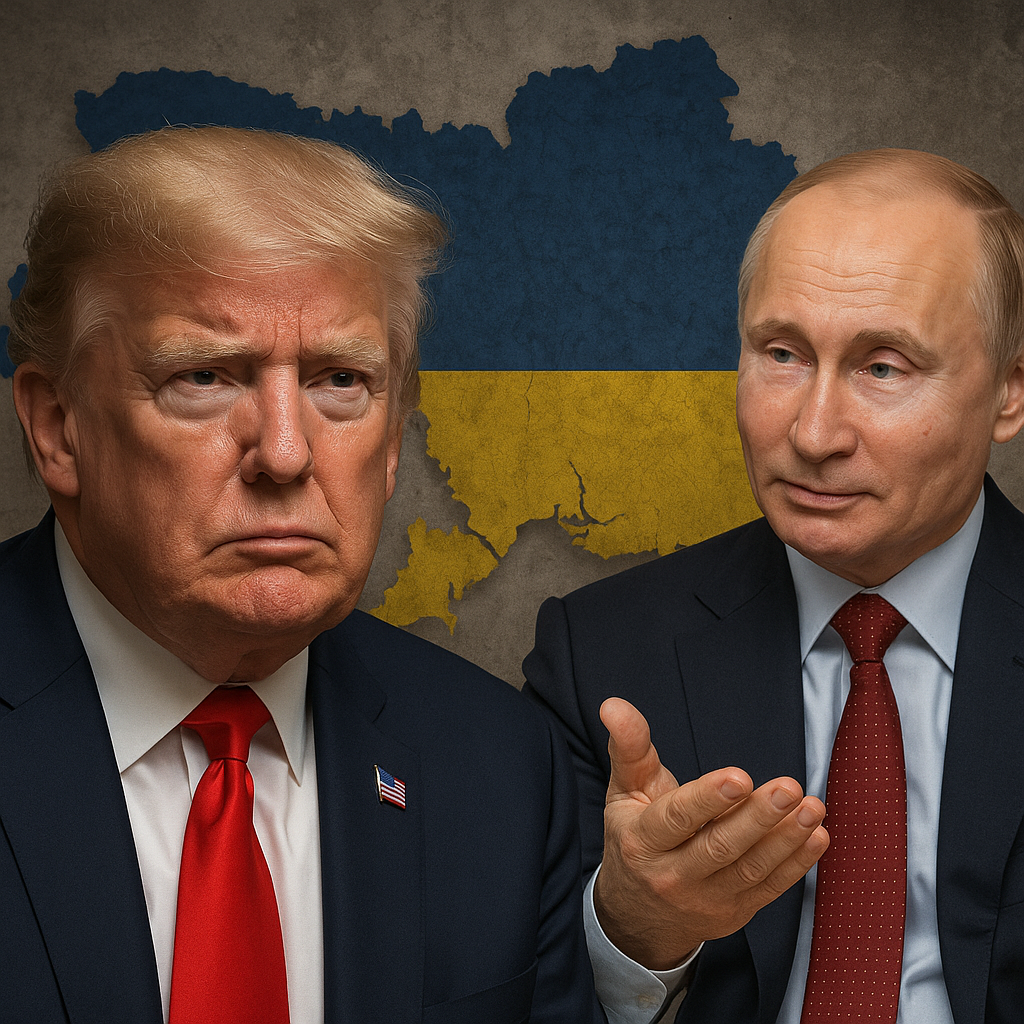
In a surprising twist, former President Trump has openly acknowledged the possibility of being influenced by Putin regarding the Ukraine conflict, raising vital questions about how we interpret international narratives. His candid admission could shift the landscape of U.S. foreign policy discussions amidst a backdrop of increasing polarization.
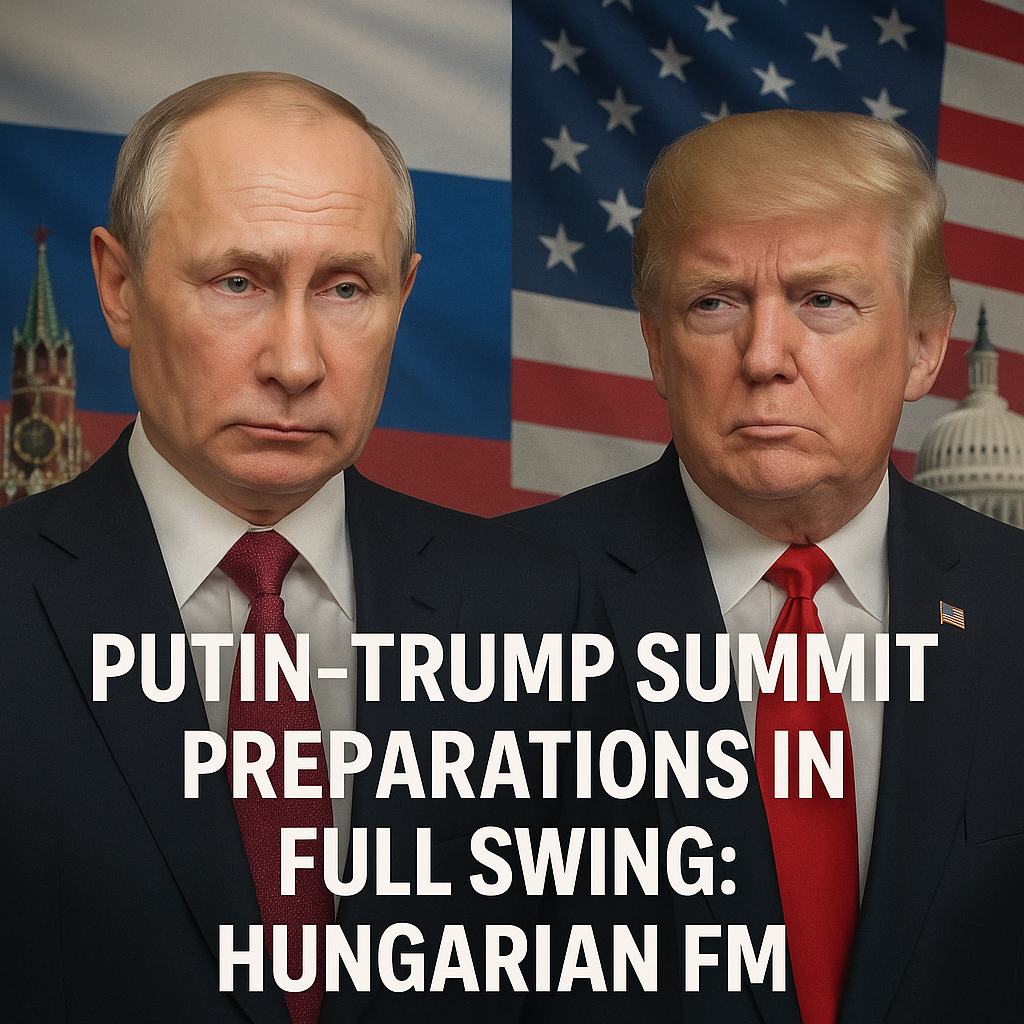
As anticipation builds for the upcoming Putin-Trump summit, Hungarian Foreign Minister Péter Szijjártó highlights its potential to reshape international relations and ease global tensions—because in challenging times, open dialogue is more essential than ever!
Ukraines resolute rejection of Russias peace terms signals a pivotal moment in the region, bolstered by steadfast support from Western nations determined to uphold Ukraines sovereignty and territorial integrity. As tensions mount, President Zelenskyy emphasizes that true peace can only be achieved by restoring Ukraine’s borders and standing firm against aggression.
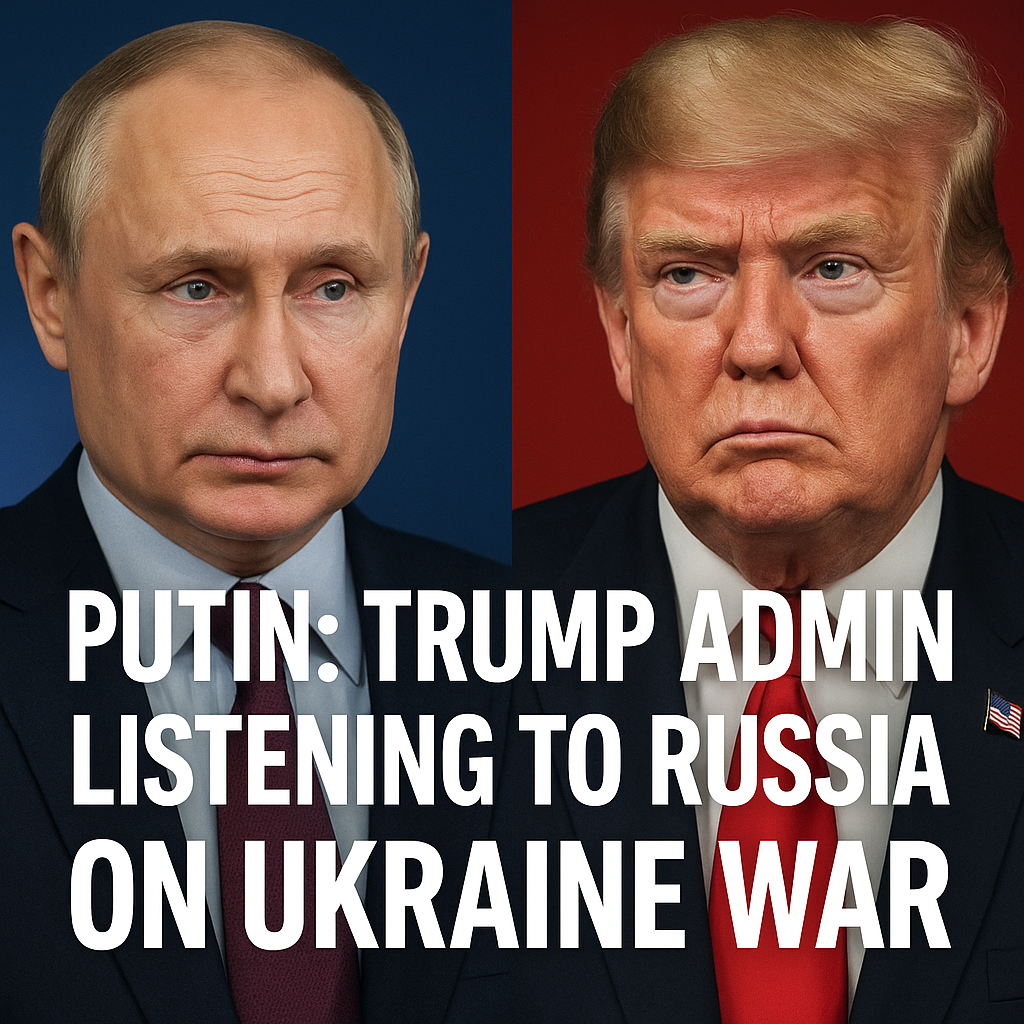
In a surprising twist, Putin claims that the Trump administration has been listening to Russias views on the Ukraine war, highlighting the importance of dialogue in resolving international tensions. This assertion not only reshapes the narrative around U.S.-Russia relations but could also signal a new chapter in diplomatic efforts.
Syria is raising its voice against Israels military incursions in Damascus, calling them a blatant threat to its sovereignty and regional stability. As tensions escalate, the stakes are higher than ever for both nations in this complex geopolitical landscape.
Tulsi Gabbard has sparked heated debate by blocking intel sharing on the Russia-Ukraine talks, igniting a discussion on the complexities of U.S. involvement in foreign conflicts. With sharp divides in opinion on military action versus diplomacy, her stance raises critical questions about our role in global affairs.