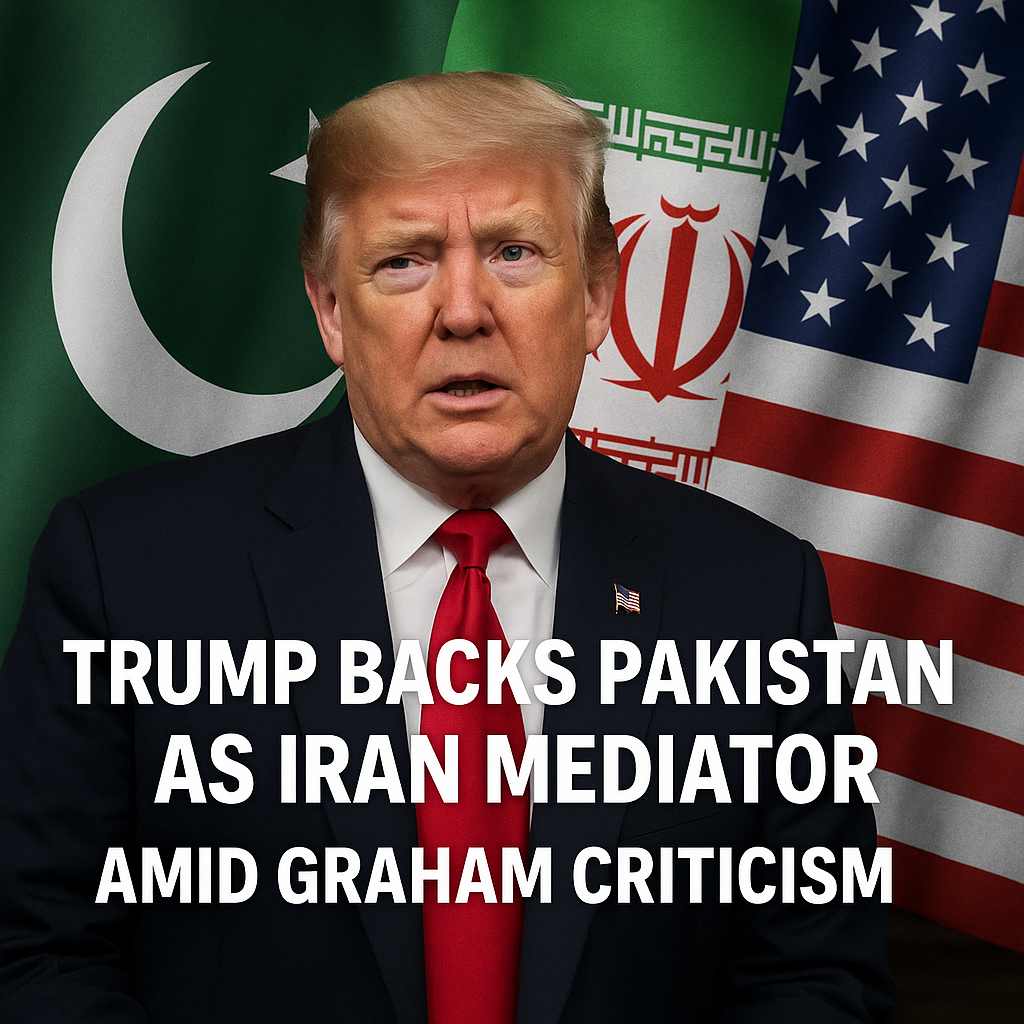
In a bold move, Donald Trump has thrown his support behind Pakistan as a potential mediator in the Iran-U.S. tensions, stirring up debate amid Senator Lindsey Grahams skepticism. This unexpected endorsement highlights the complexities of international diplomacy and raises intriguing possibilities for dialogue.
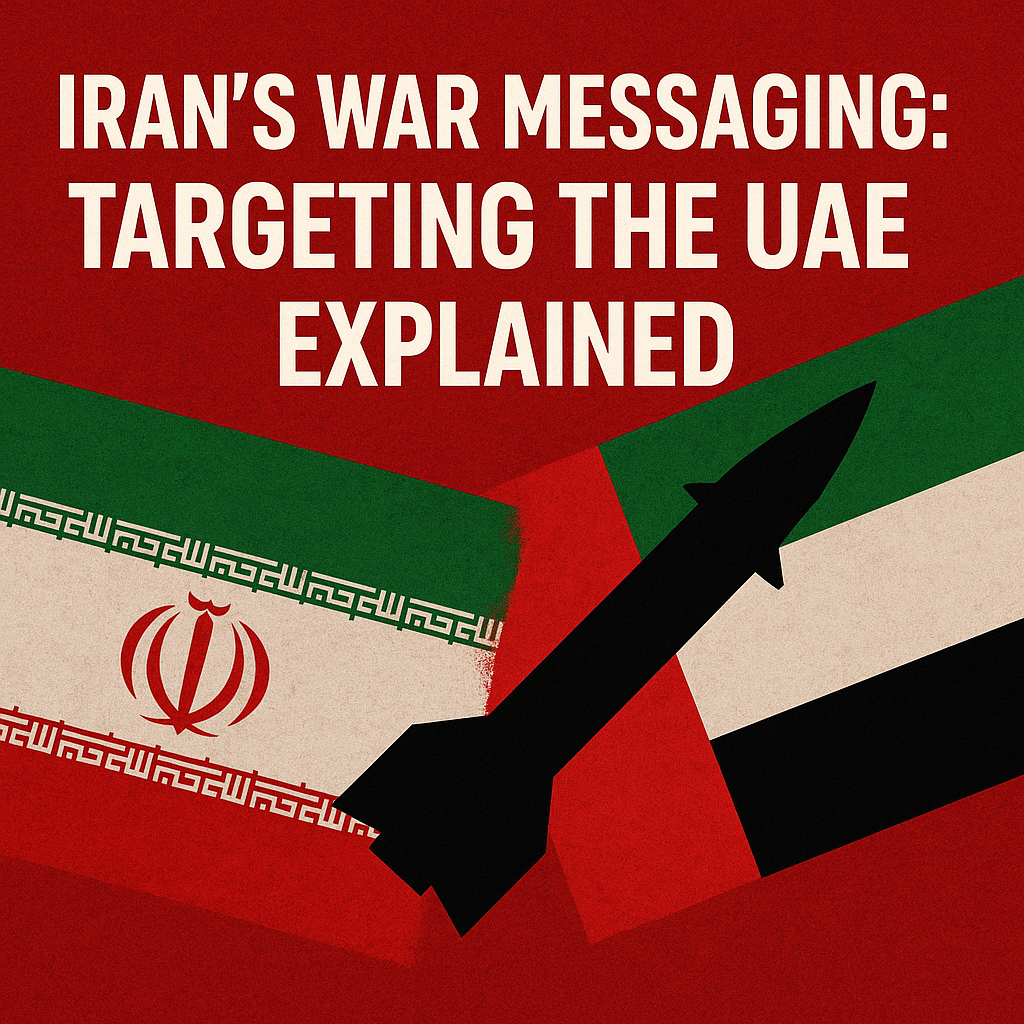
Irans recent war messaging towards the UAE is not just noise; it’s a complex play of historical rivalry and modern geopolitics, fueled by territorial disputes and shifting alliances. Delve into this fascinating dynamics where military maneuvers meet diplomatic nuance, revealing Tehrans urgent quest to assert its influence in a changing region.
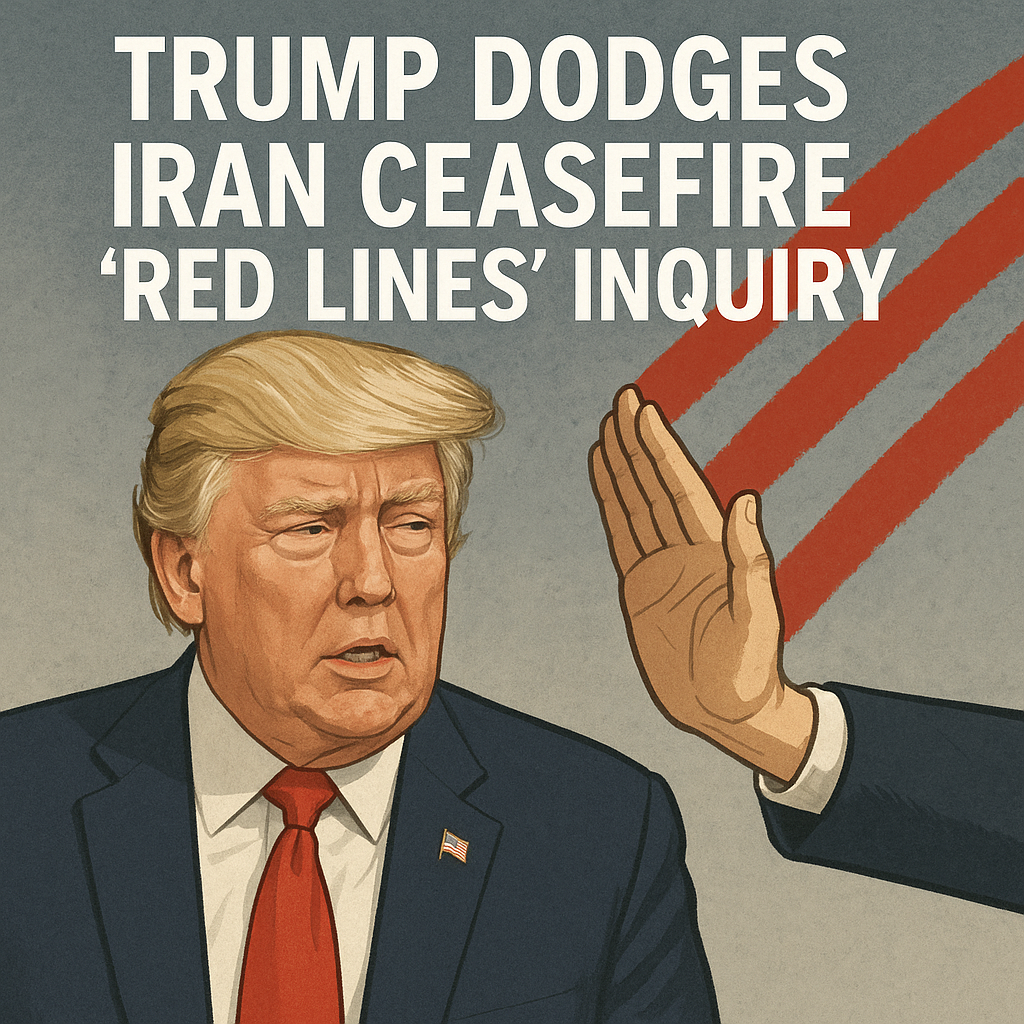
In a recent turn of events, former President Donald Trump has cleverly sidestepped tough questions about the U.S.s ceasefire red lines with Iran, stirring up debate amid escalating tensions in the Middle East. As discussions heat up, his strategic ambiguity leaves everyone guessing—is it a calculated diplomatic move or a sign of wavering resolve?
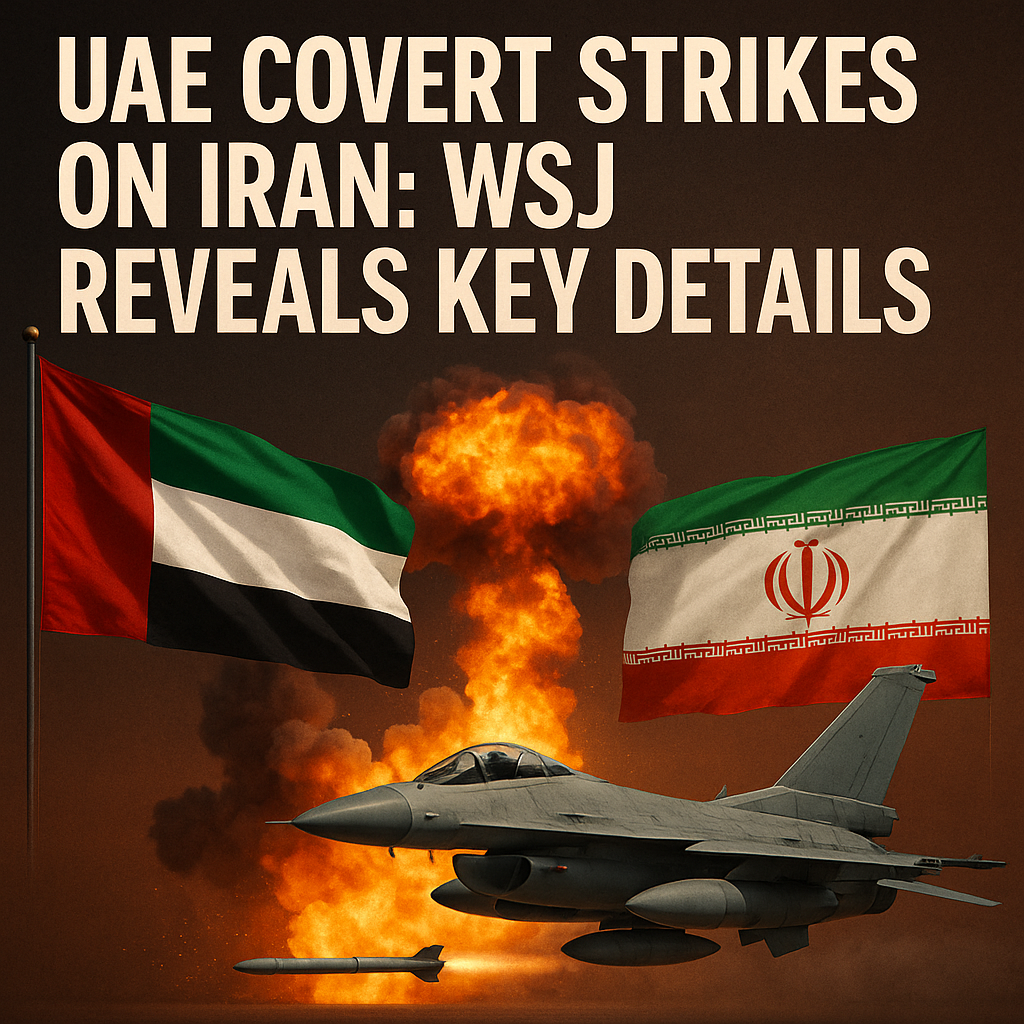
Uncover the gripping details behind the UAEs covert strikes on Iran and what they reveal about the shifting sands of Middle Eastern geopolitics. Dive into the complexities, motivations, and implications of this bold maneuver that’s sparking fierce debate across the region!
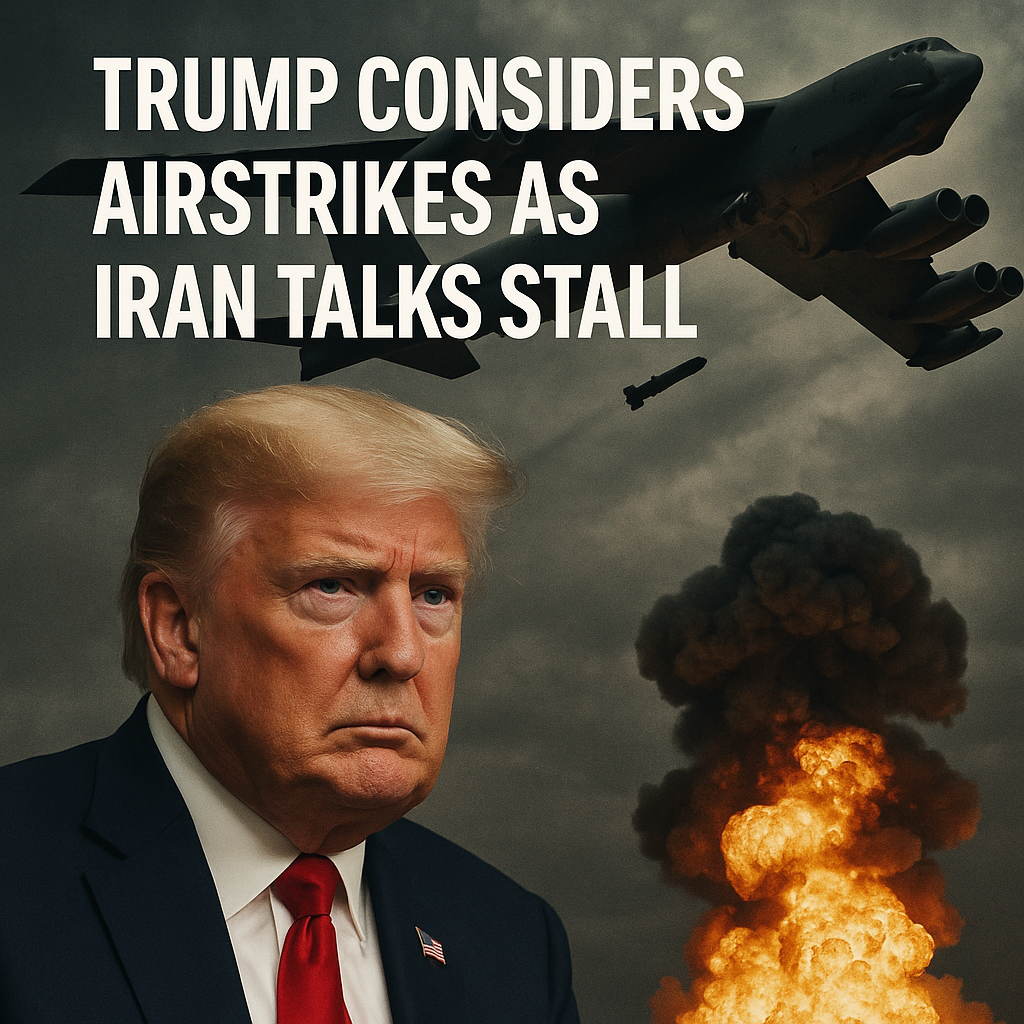
As talks with Iran hit a dead end, former President Trump is weighing airstrikes, ramping up tensions in the Middle East and raising urgent questions about U.S. foreign policy. Could military action reignite a cycle of conflict, or will it finally assert the pressure needed for change?
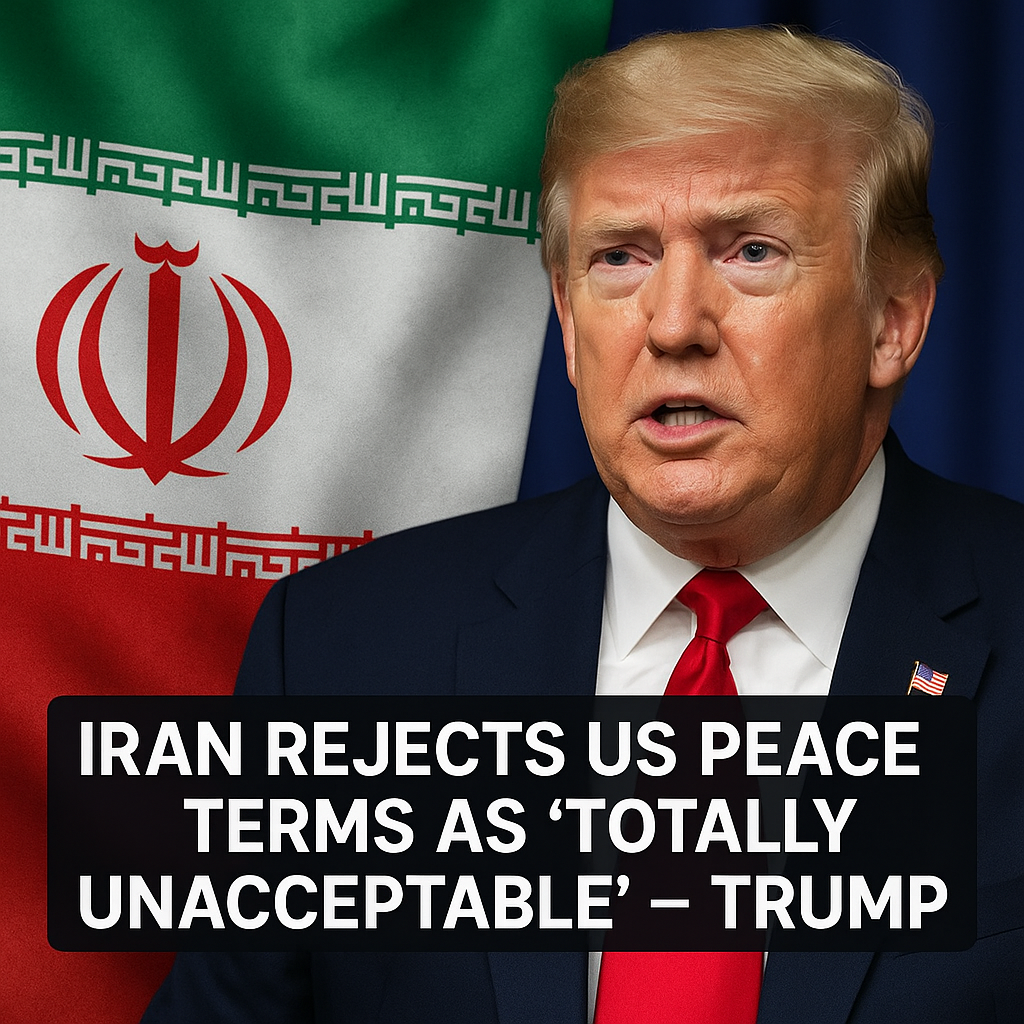
Tensions are rising as Iran labels the latest U.S. peace proposals as totally unacceptable, sparking a heated dialogue about the future of diplomacy between the two nations. With decades of conflict in the backdrop, can they find common ground, or are they destined for continued strife?
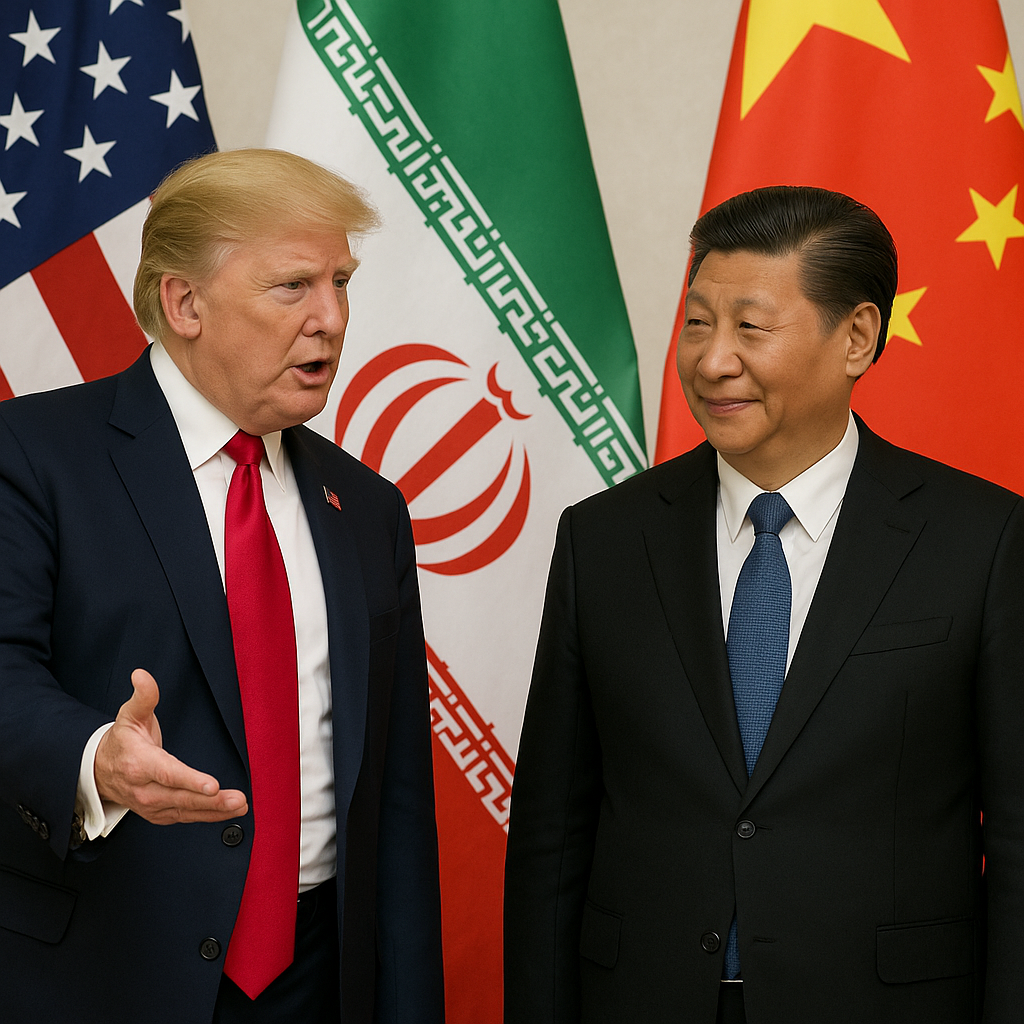
In a surprising turn of events, former President Donald Trumps recent visit to China sparked a pivotal dialogue with President Xi Jinping about Iran, potentially reshaping the future of U.S.-Iran relations in an ever-changing geopolitical landscape. With tensions rising and perspectives diverging, this meeting could be a game-changer for international cooperation on pressing security issues.
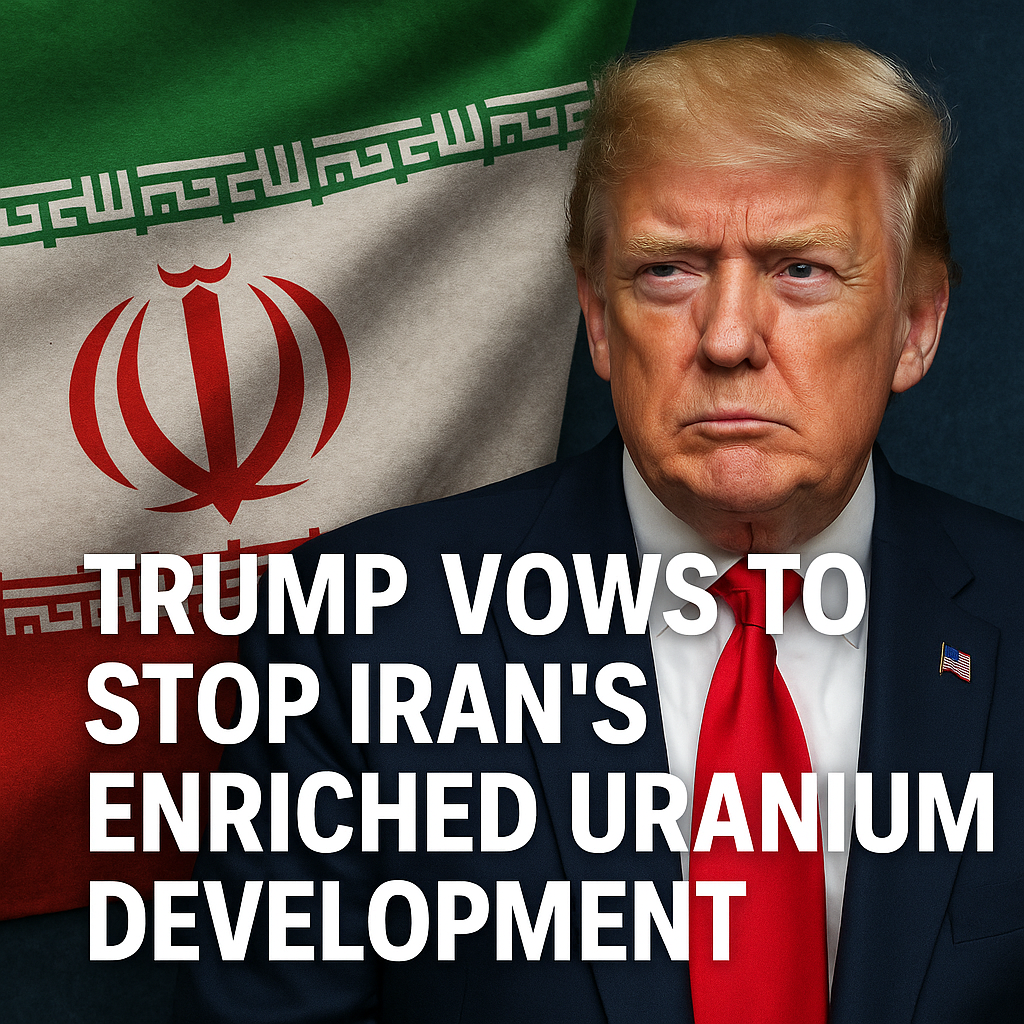
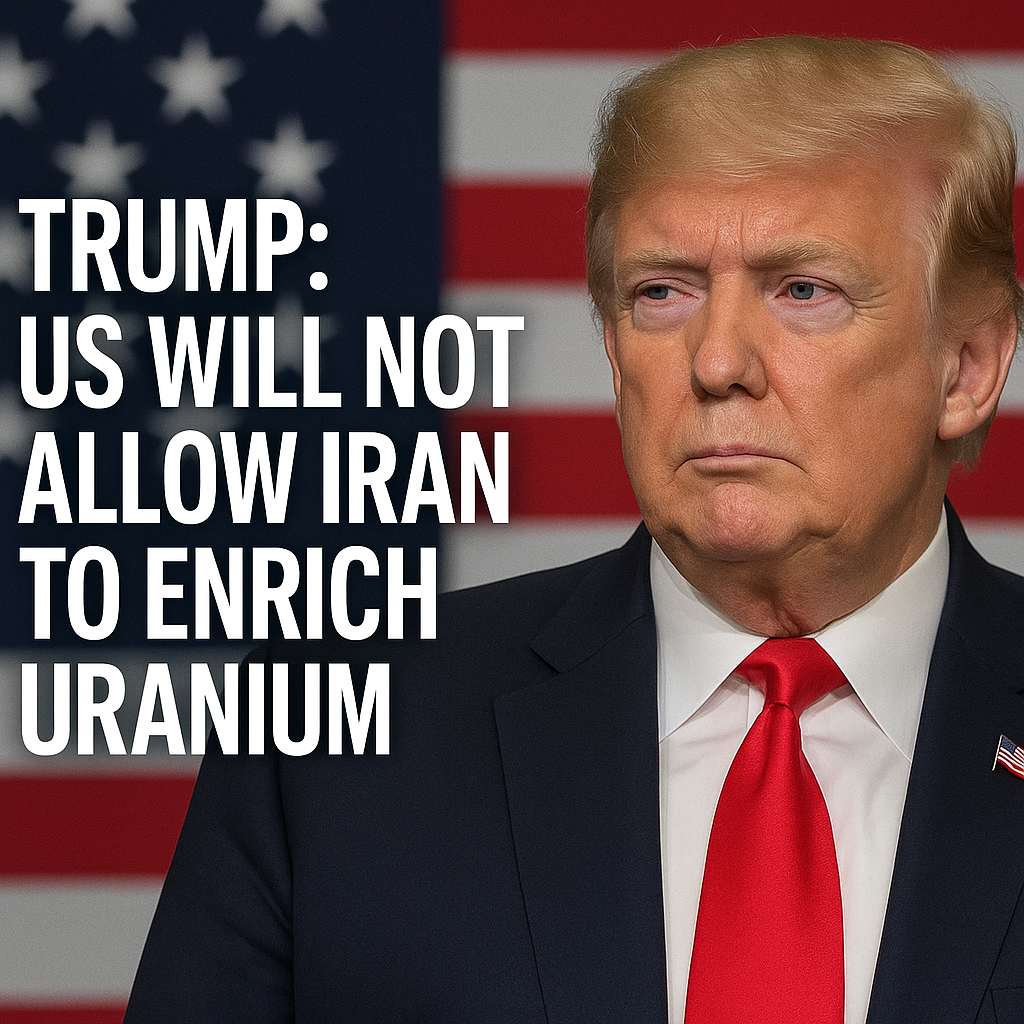
In a striking promise, Donald Trump declares he would put an end to Irans enriched uranium development if he returns to the White House, reigniting a fierce debate on U.S.-Iran relations and the future of global nuclear diplomacy. As tensions rise, this bold stance captures the attention of a divided electorate eager for a decisive approach.
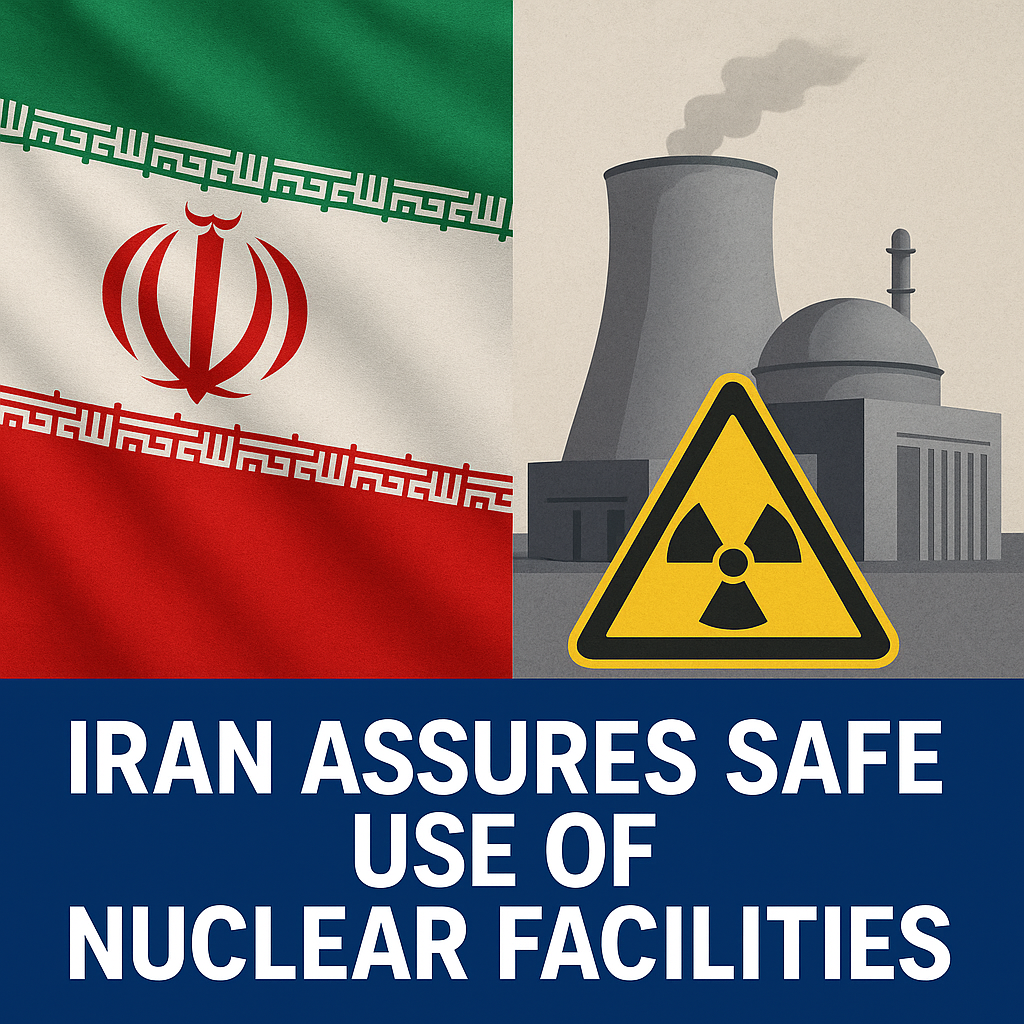
Iran is stepping up to reassure both its citizens and the world about the safety of its nuclear facilities, asserting they are committed to peaceful and civilian purposes. As tensions rise, this promise serves as a pivotal move to foster stability and transparency amid ongoing scrutiny.
In a bold declaration, Trump has reaffirmed that the US will not allow Iran to enrich uranium, a pivotal stance aimed at ensuring regional stability and preventing nuclear proliferation. With tensions rising and Iran exceeding previously agreed limits, all eyes are on how this will reshape international diplomacy.