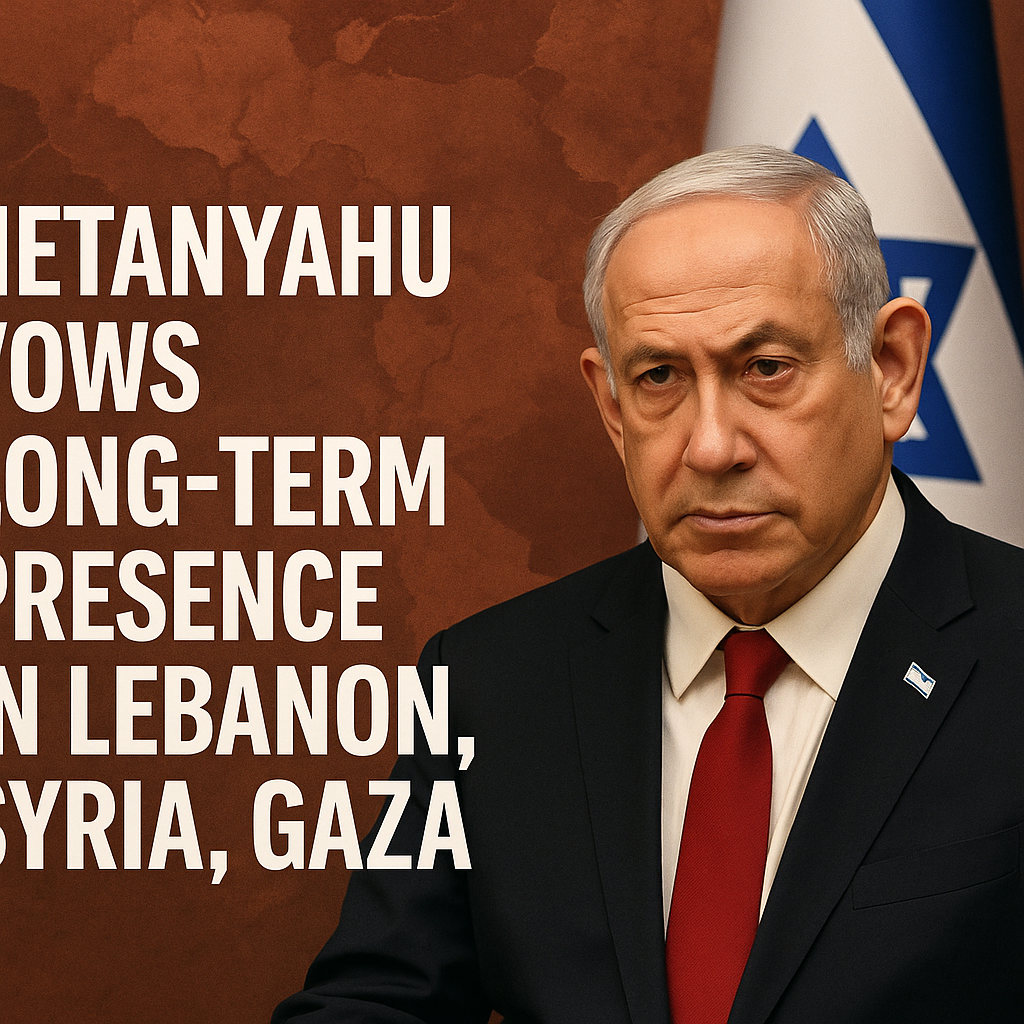
Netanyahu is making bold promises as he pledges a lasting military presence in Lebanon, Syria, and Gaza, highlighting Israels commitment to national security amidst ongoing regional tensions. What does this mean for the future of stability in the Middle East?
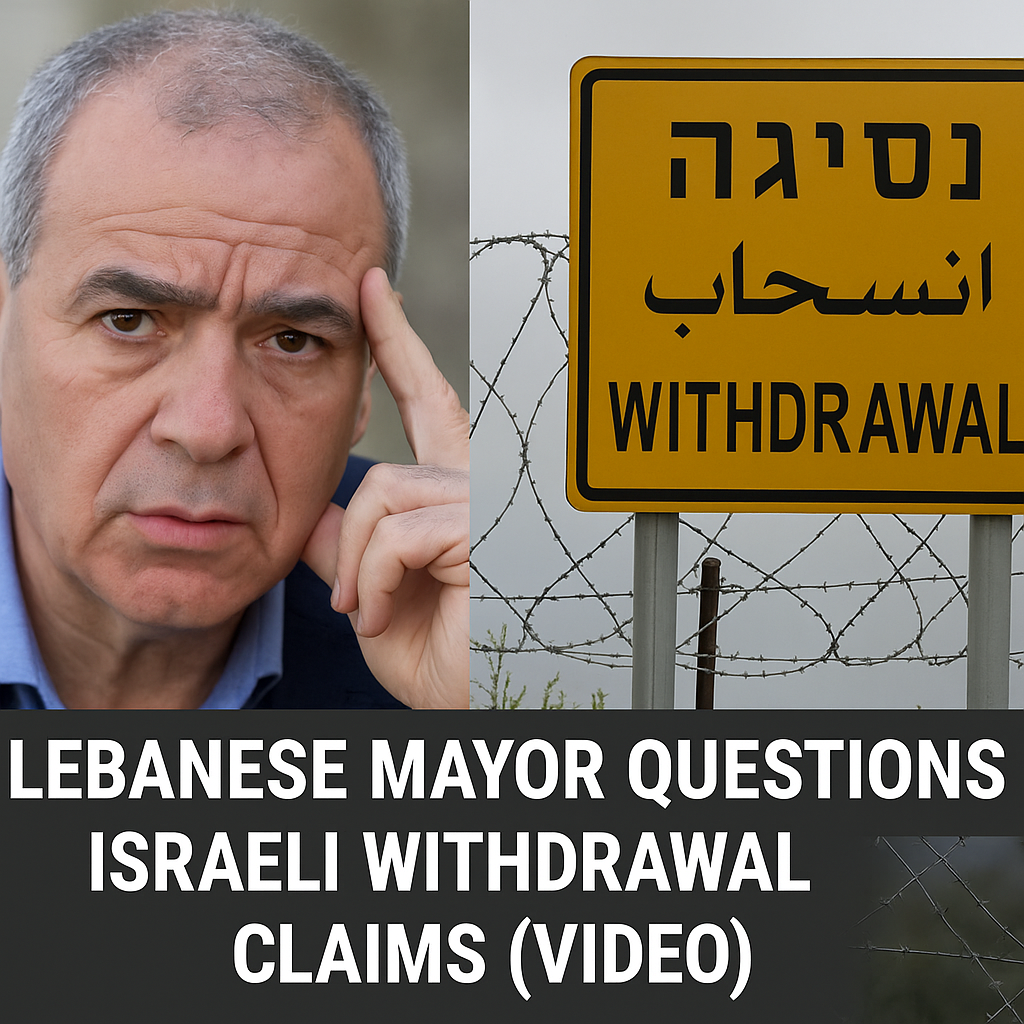
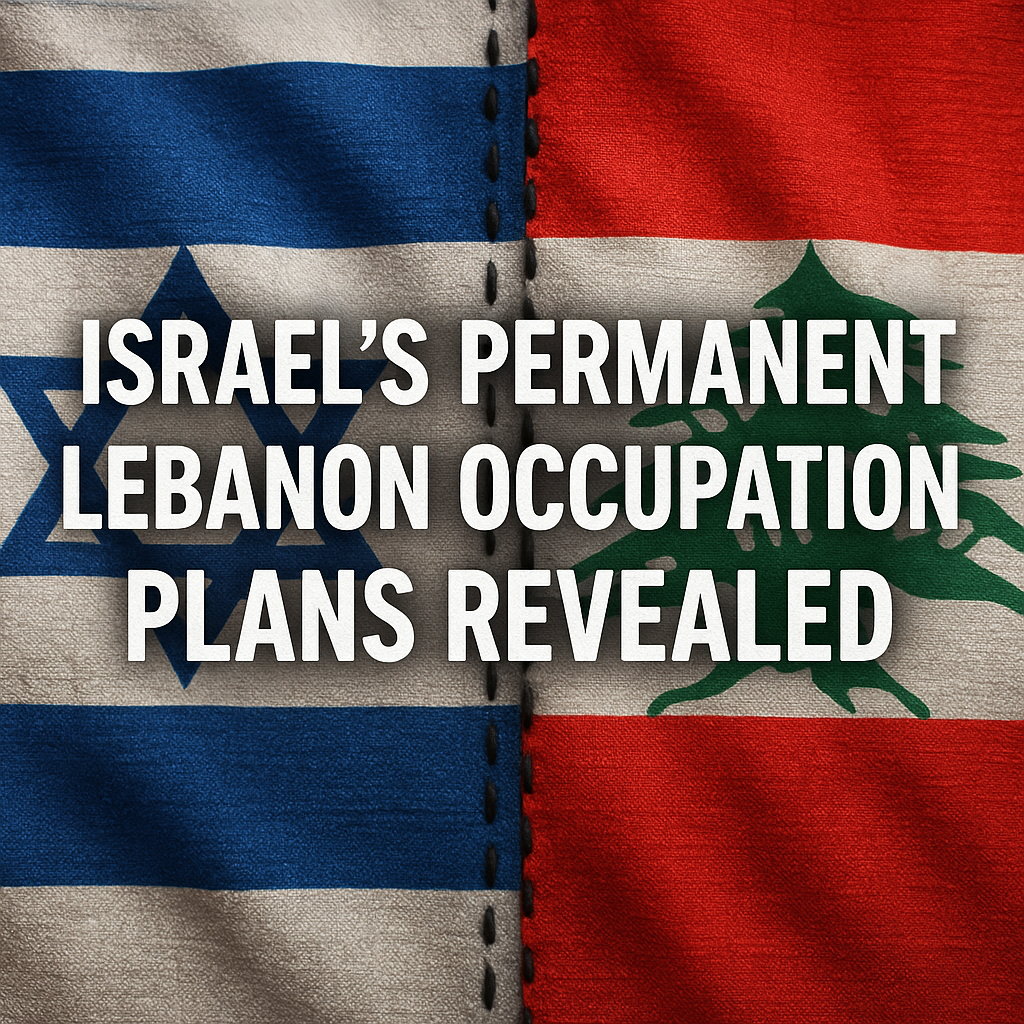
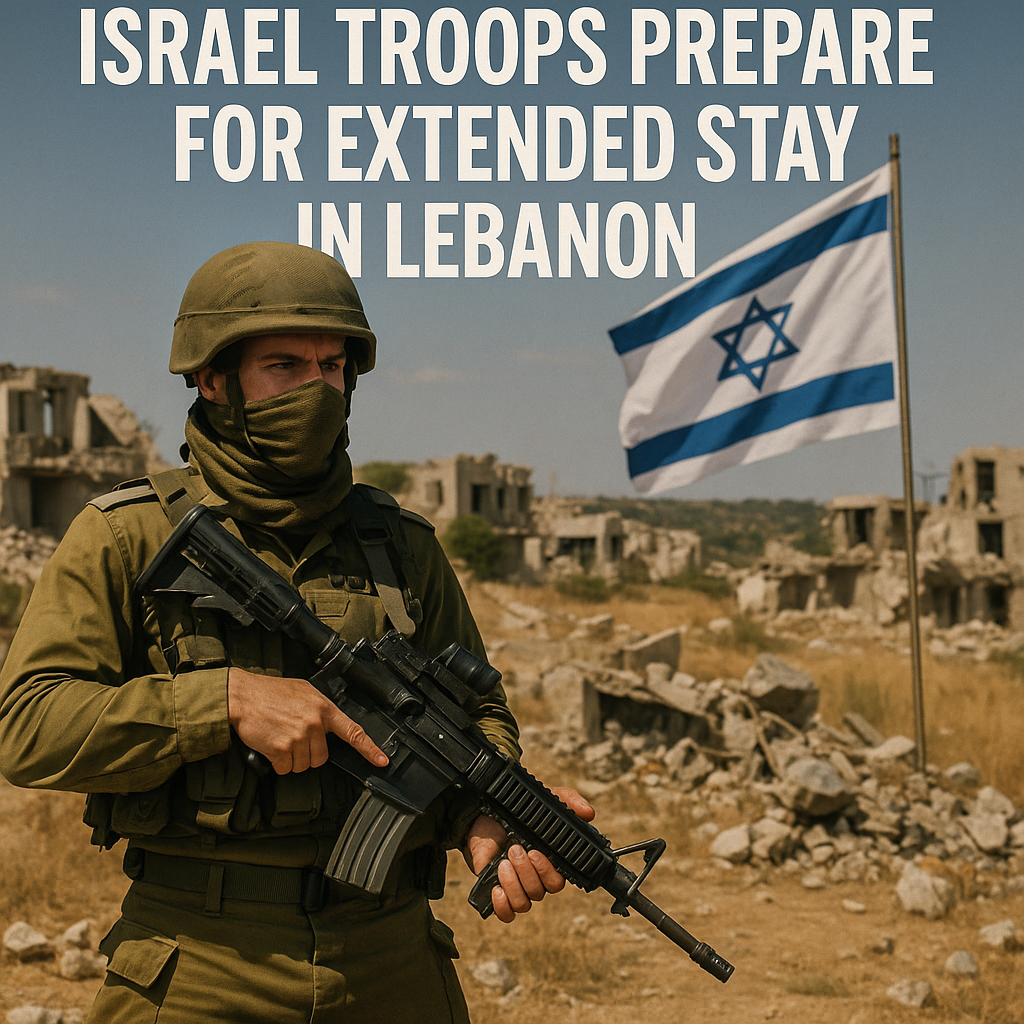
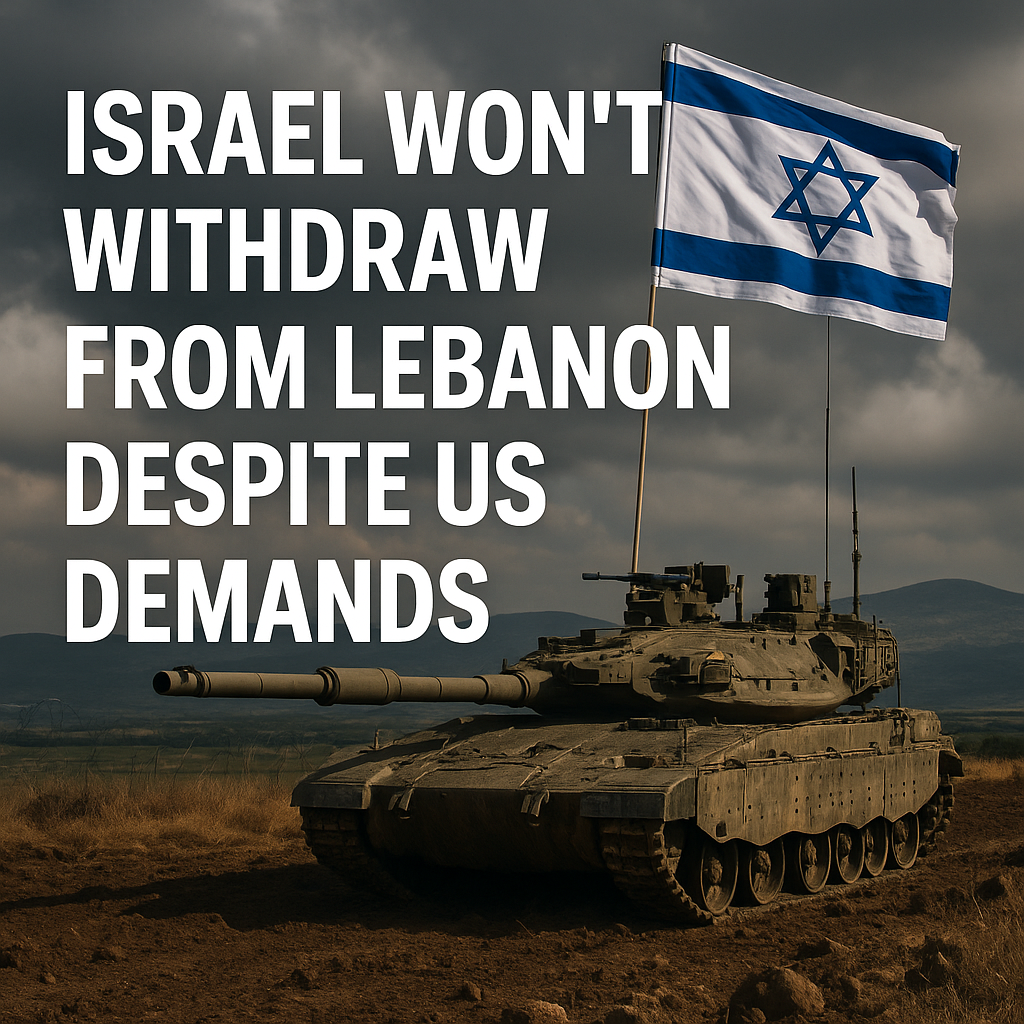
Israels steadfast stance on staying in Lebanon, despite U.S. pleas, reflects deep-rooted security concerns and the complexities of an unstable region—an ongoing struggle where historical grievances and modern threats collide. With tensions high and regional dynamics shifting, this decision raises crucial questions about safety and diplomacy in the Middle East.
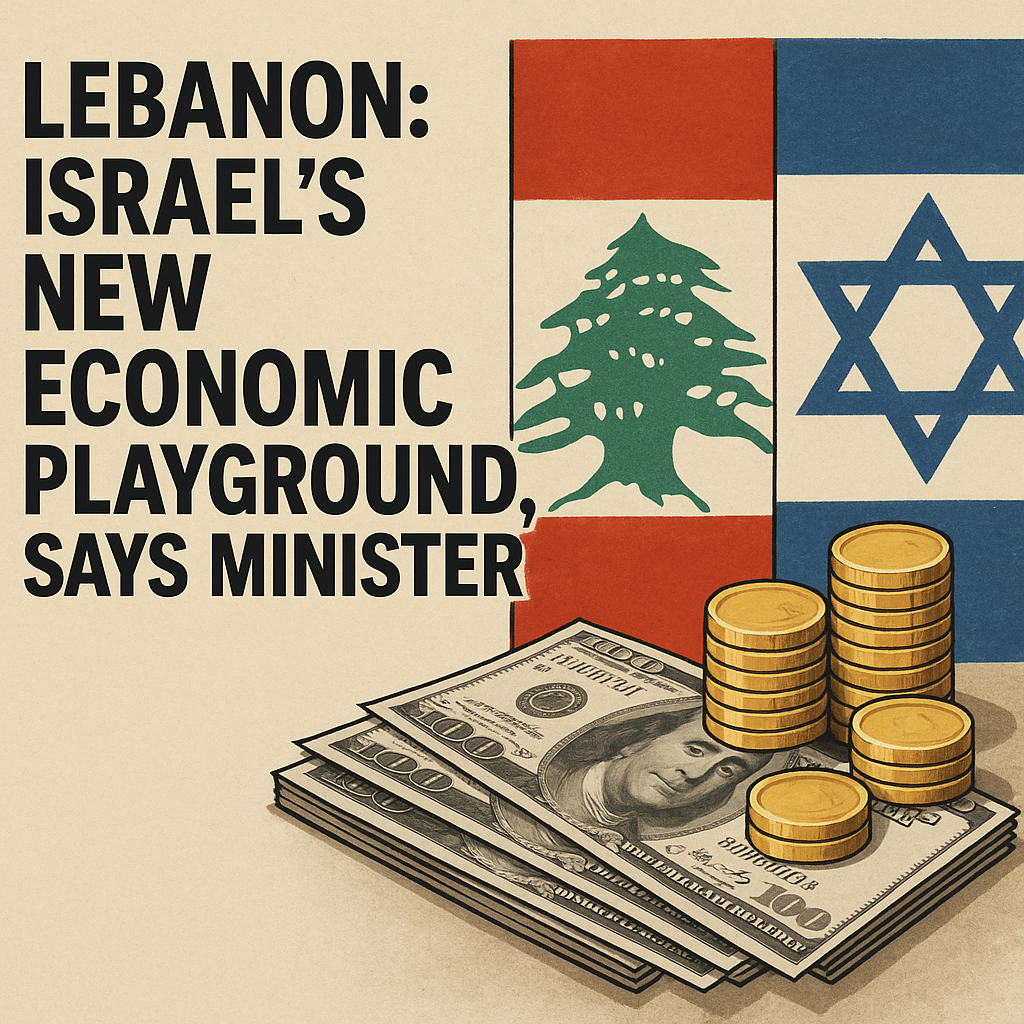
Lebanon’s economy could be on the brink of a transformation, as Minister Amin Salam hints at new opportunities in “Israel’s economic playground.” But will this bold idea be met with open arms or skepticism from a nation still grappling with its past?
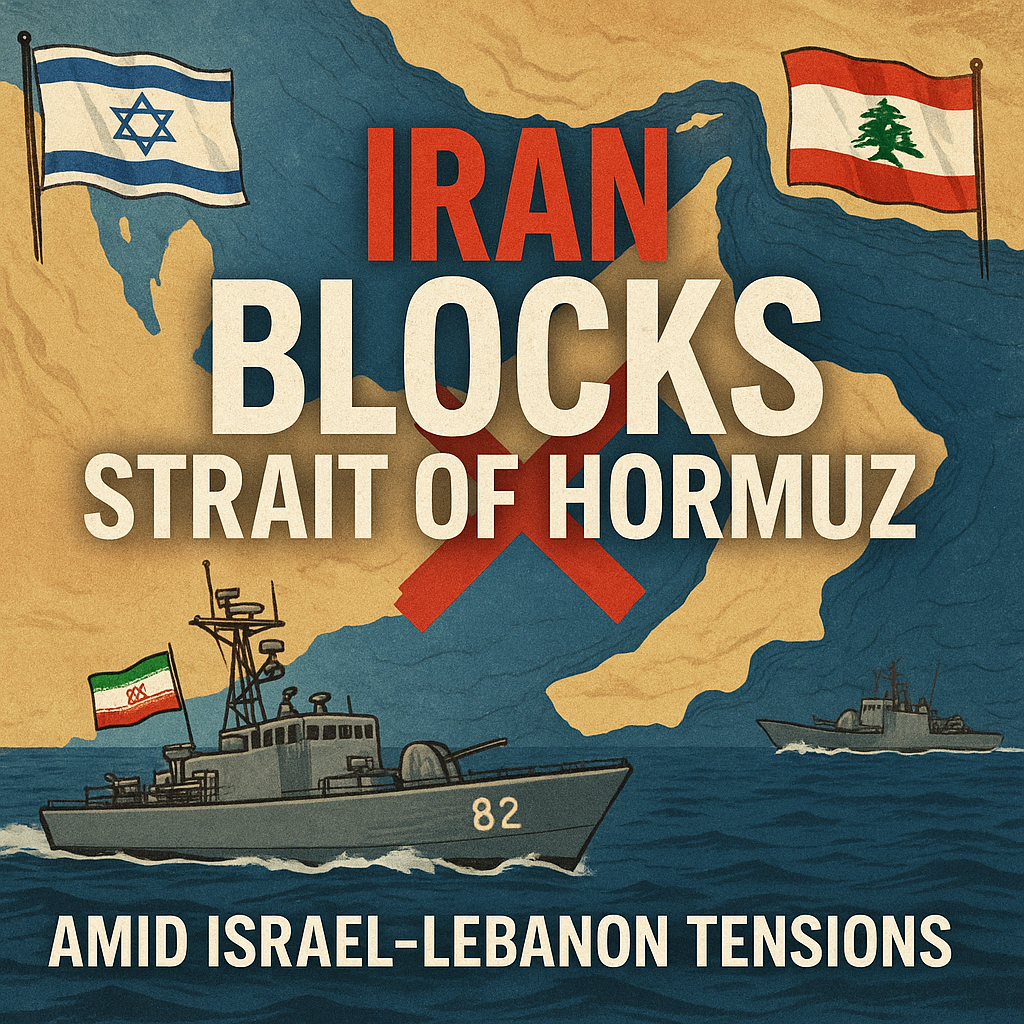
Amid rising tensions between Israel and Lebanon, Irans bold decision to block the Strait of Hormuz is sending shockwaves through the global oil market—this crucial waterway now stands at the heart of a high-stakes geopolitical showdown. What does this mean for energy security and international relations? Dive in to find out!
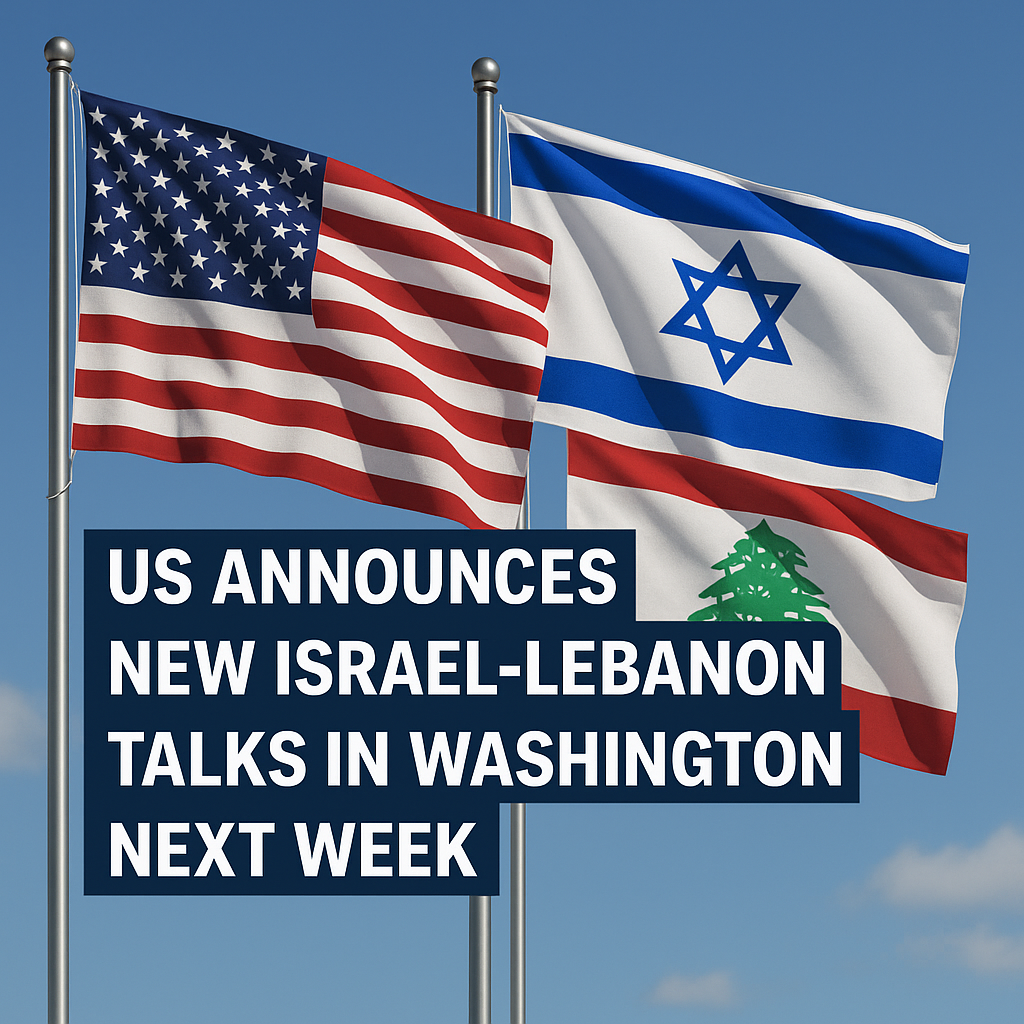
Get ready for a groundbreaking moment as the U.S. brings Israel and Lebanon to the negotiating table in Washington next week! This renewed push for dialogue could be a game-changer in addressing decades of tension and paving the way for lasting peace in the region.
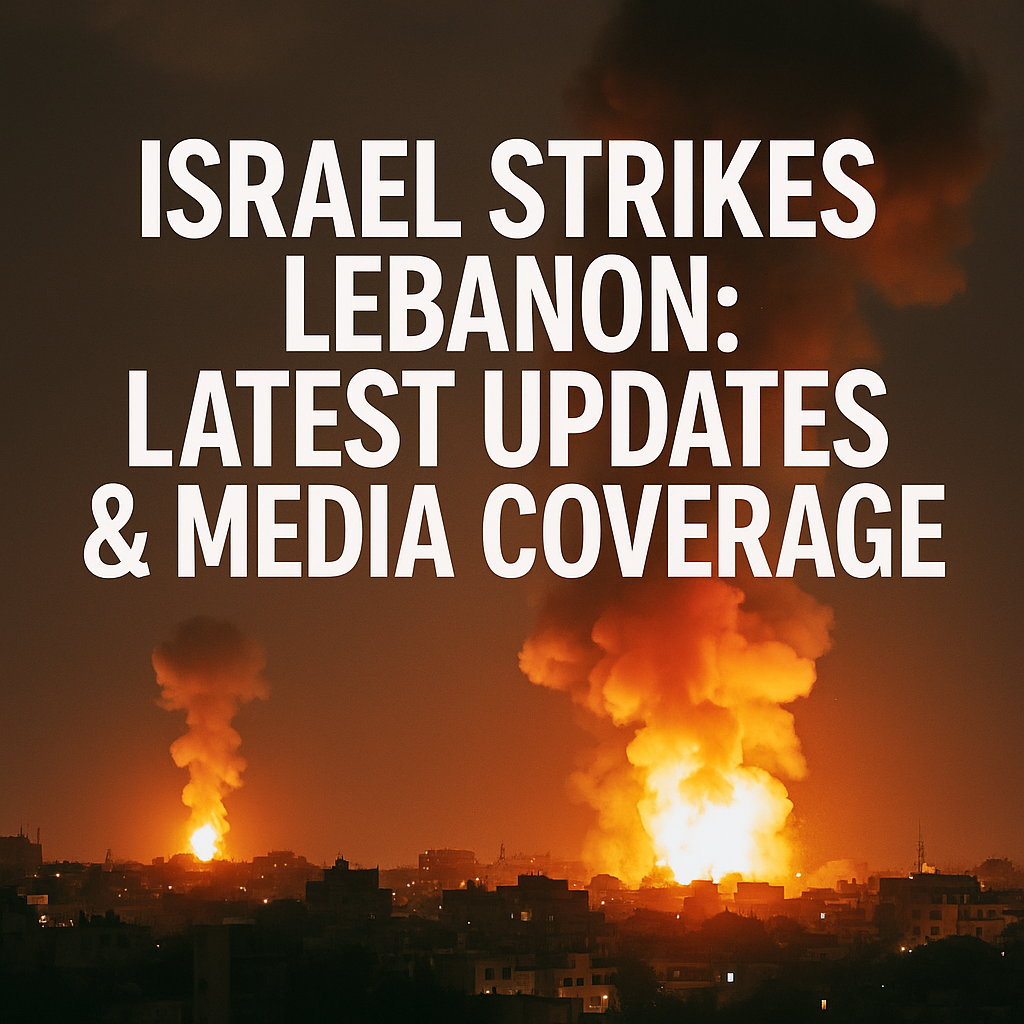
Tensions in the Middle East are escalating once again as Israel conducts airstrikes in southern Lebanon, prompting a fierce response from Hezbollah. While a temporary ceasefire offers a glimmer of hope, the underlying conflicts continue to loom large, reminding us that the path to lasting peace is still fraught with challenges.
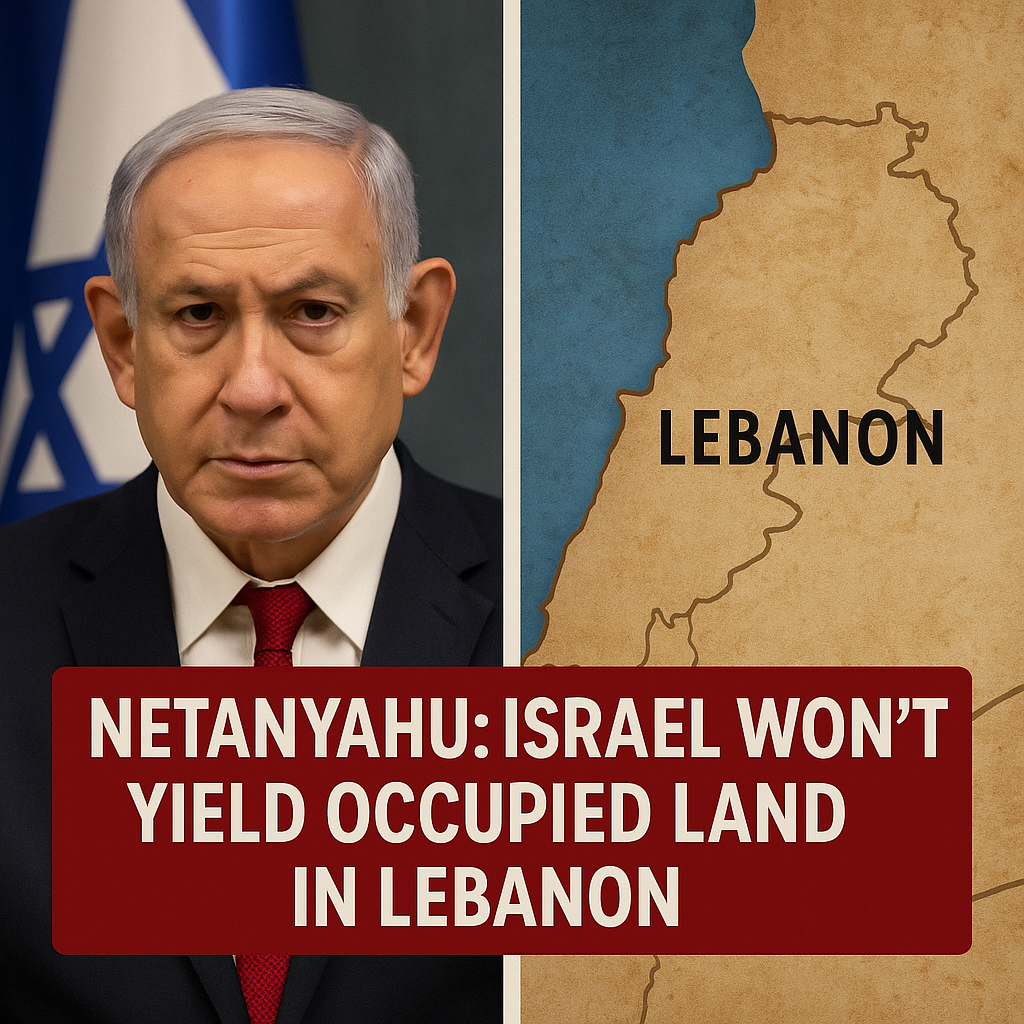
Israeli Prime Minister Benjamin Netanyahus bold declaration that Israel will not cede any land in Lebanon underscores the complex and often turbulent landscape of Middle Eastern politics, stirring up fresh questions about peace and security in the region. As tensions mount, the stakes couldnt be higher for both nations and their futures.
Trumps bold claim that the Iran deal is all signed has stirred the pot, especially with Tehran pressing for action in Lebanon. As tensions rise, the interplay of diplomacy and regional power dynamics is more crucial than ever—what’s at stake could reshape the Middle East!
Israels recent military expansion into Gaza, Lebanon, and Syria is reshaping the regions dynamics, sparking fierce debates about security and humanitarian concerns. As tensions rise, is this strategic move a necessary safeguard or a catalyst for deeper conflict?
In a dramatic escalation, Israel has launched airstrikes in Lebanon just as the U.S. gears up for a pivotal Iran deal signing, raising the stakes in an already tense Middle Eastern landscape. As nations brace for potential fallout, the world watches closely—how will this clash impact the future of diplomacy in the region?