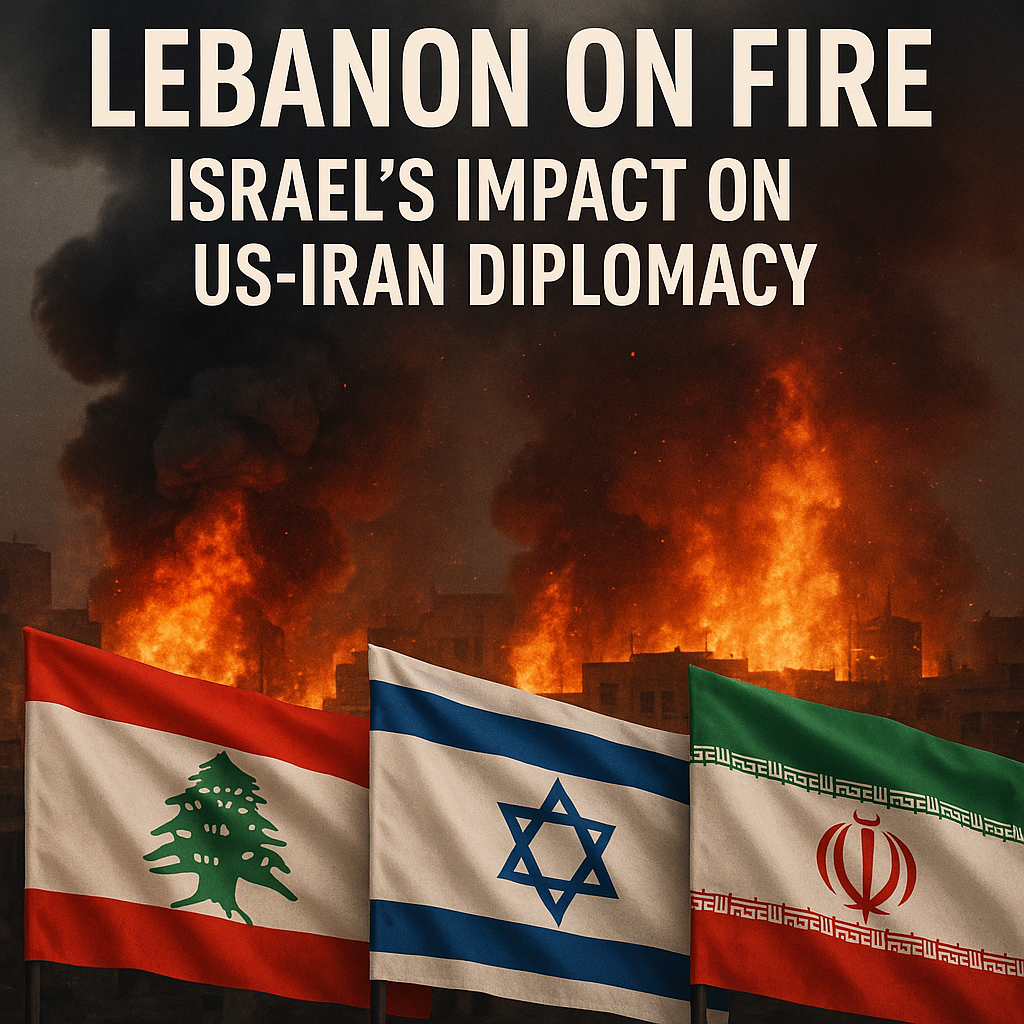
As Lebanon grapples with unrest fueled by tensions with Israel, the implications for U.S.-Iran diplomacy are becoming alarmingly complex—could this turmoil open new doors for negotiation or deepen the divide? Dive in to explore how this volatile landscape impacts us all!
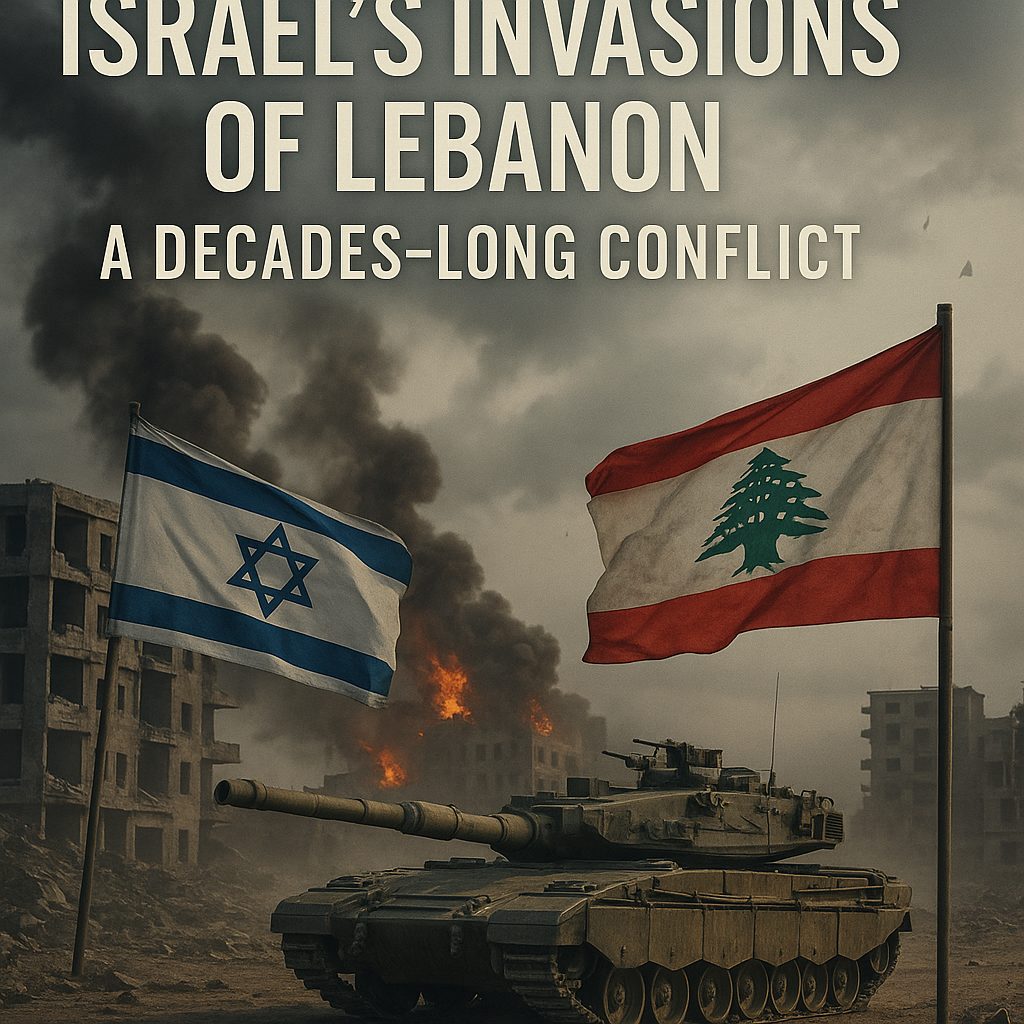
Discover the complex history of Israels invasions of Lebanon—an emotional saga of military actions that have left deep scars and shaped the dynamics of the region for decades. Join us as we unravel the pivotal moments and stark realities behind this ongoing conflict.
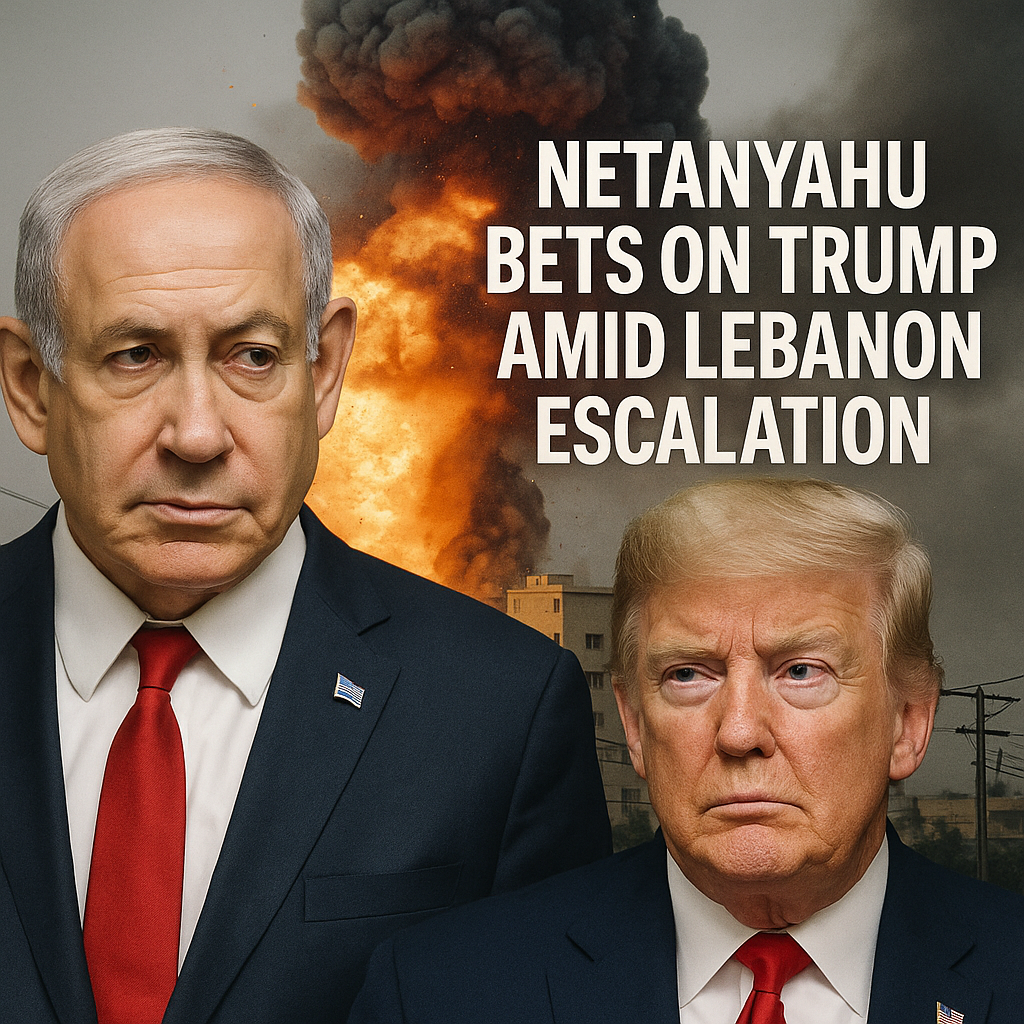
As tensions rise in Lebanon, Israeli Prime Minister Benjamin Netanyahu is strategically aligning himself with former President Trump, hoping to solidify his support at home while navigating a complex geopolitical landscape. This alliance could be a game-changer not just for Netanyahus political fortunes, but for the broader dynamics of the region.
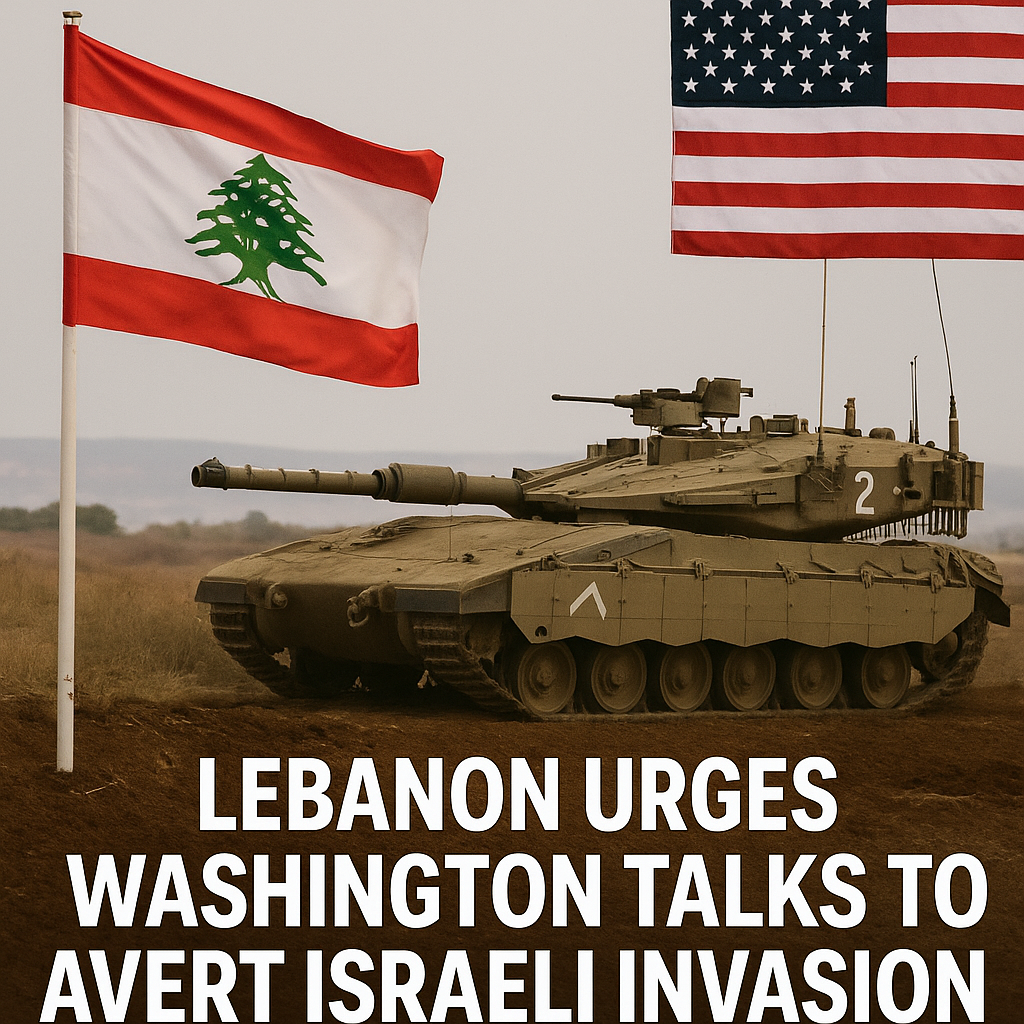
In a critical moment for regional stability, Lebanon is urgently seeking talks with Washington to prevent a looming Israeli invasion, highlighting the importance of diplomacy amidst rising tensions on the border. With hopes of easing conflict, Lebanese leaders believe the U.S. can play a pivotal role in fostering dialogue and promoting peace.
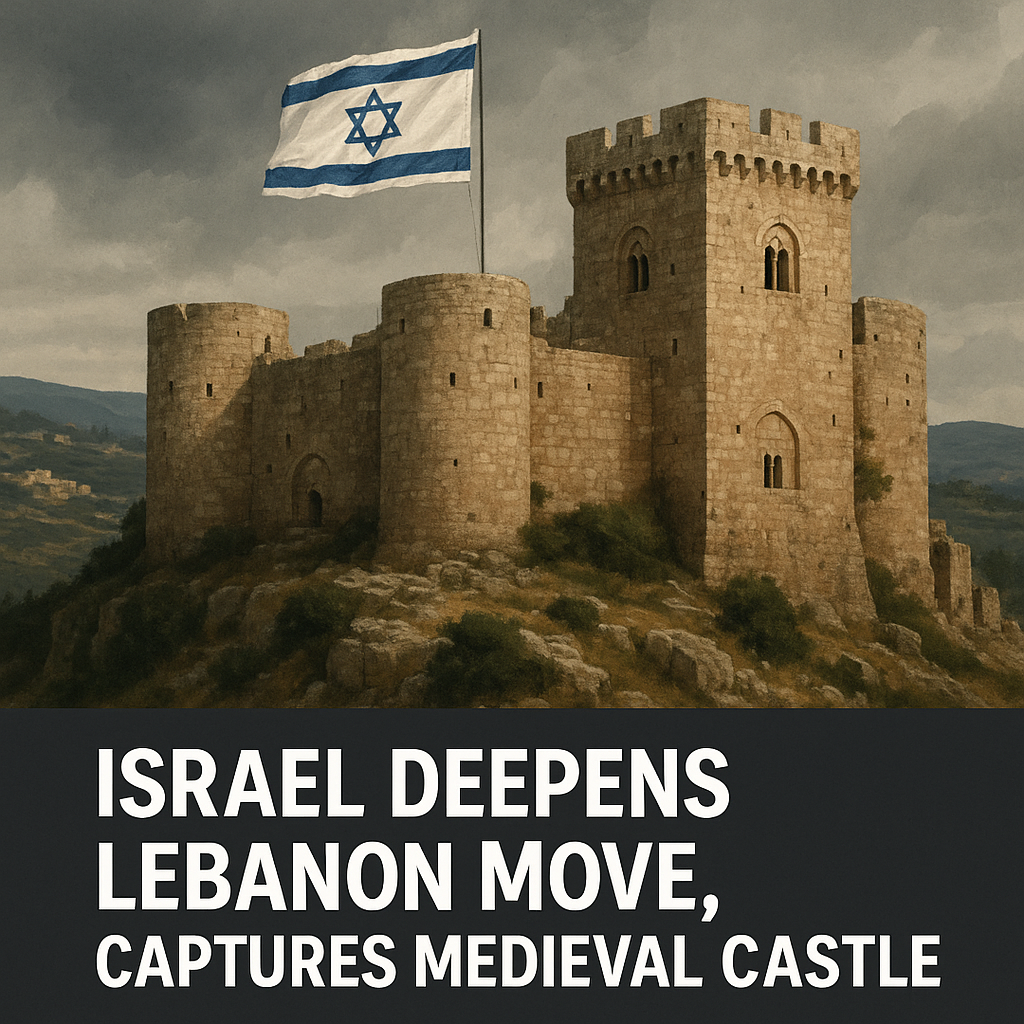
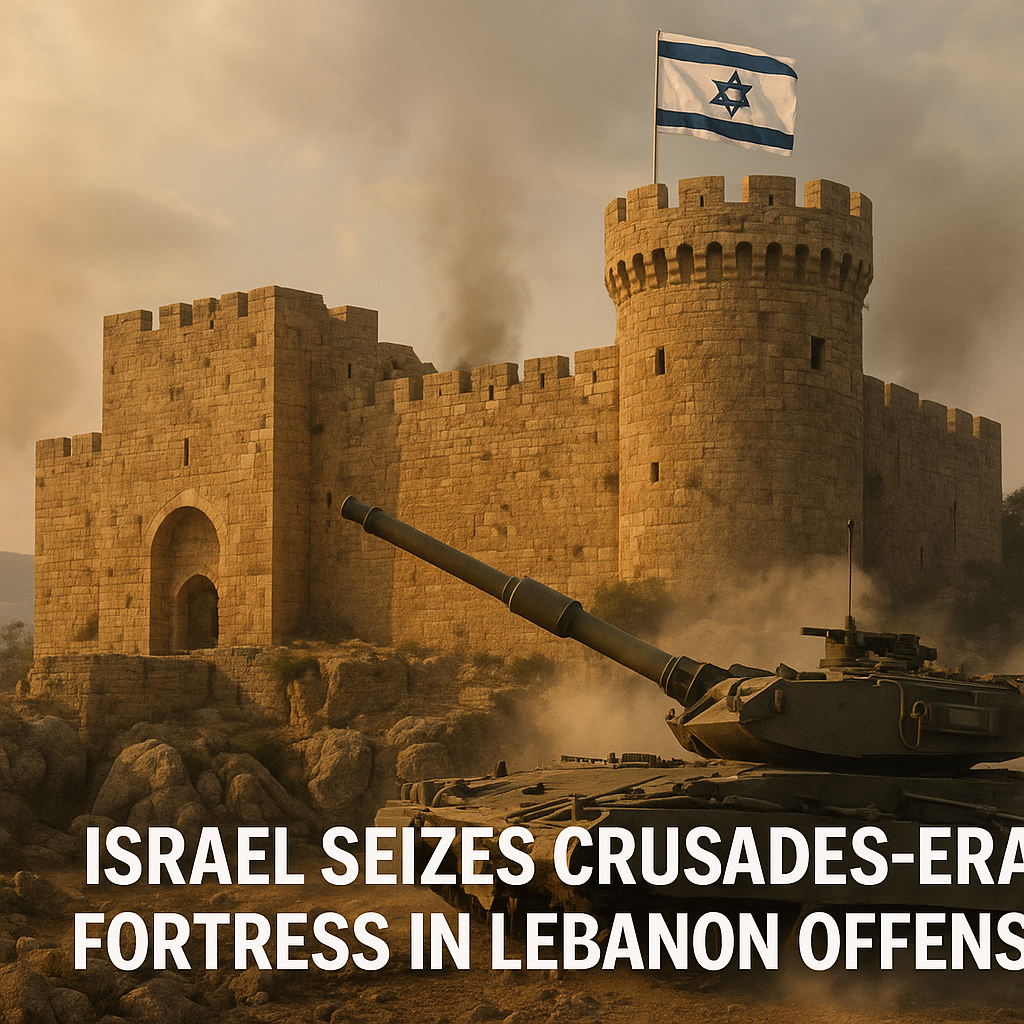
Israel has made a bold move by capturing the historic Beaufort Fortress in southern Lebanon, stirring up regional tensions and sparking debates about its impact on security dynamics. This medieval stronghold, rich in history, is now at the heart of a strategic military play that could reshape the landscape between these neighboring nations.
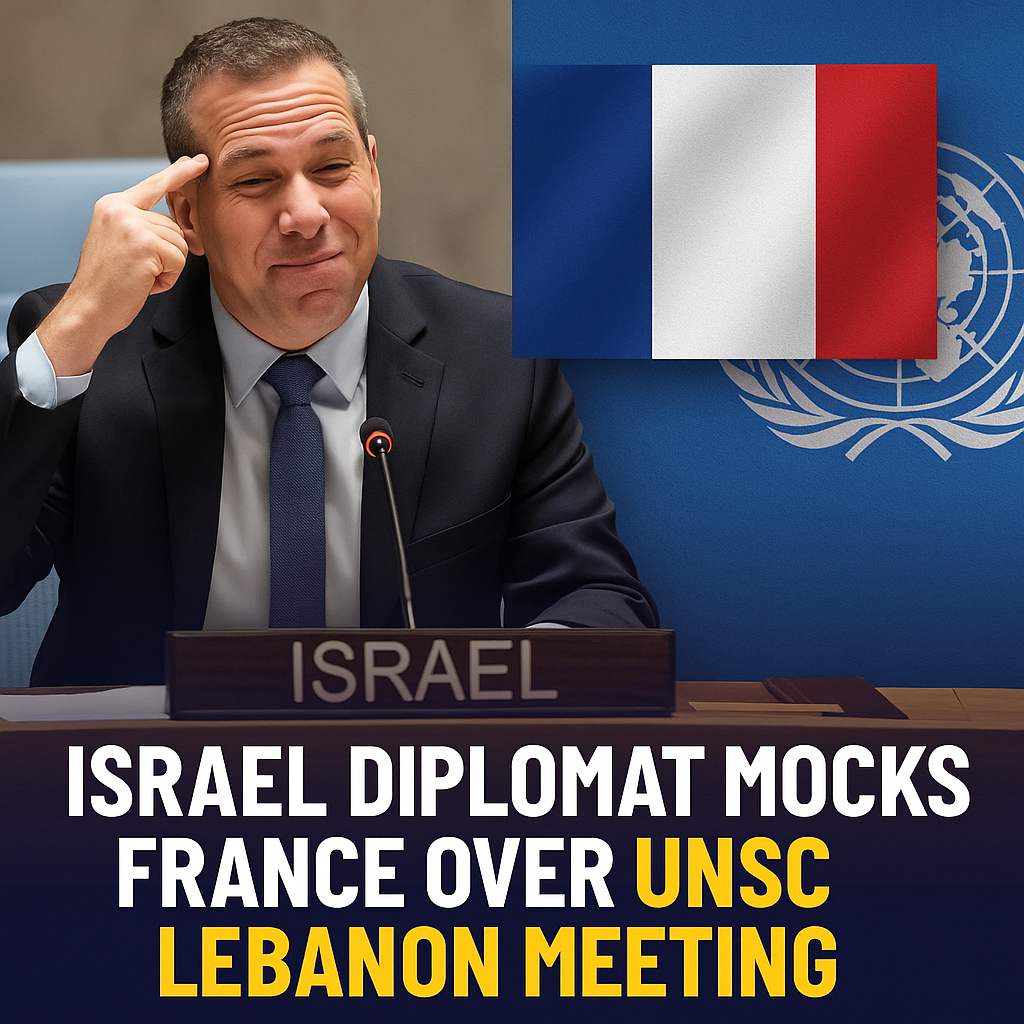
An Israeli diplomats recent jabs at France during a UNSC meeting on Lebanon have ignited a lively debate on global diplomacy and the intricate ties shaping Middle Eastern politics—highlighting just how complex the dance of international relations can be!
In a dramatic turn of events, Israeli forces have captured the historic Château de Saint-Louis in Lebanon, igniting a firestorm of escalating tensions that intertwine centuries-old grievances with current conflicts. As this Crusades-era fortress transforms into a new battleground, both regional stability and national identities hang in the balance.
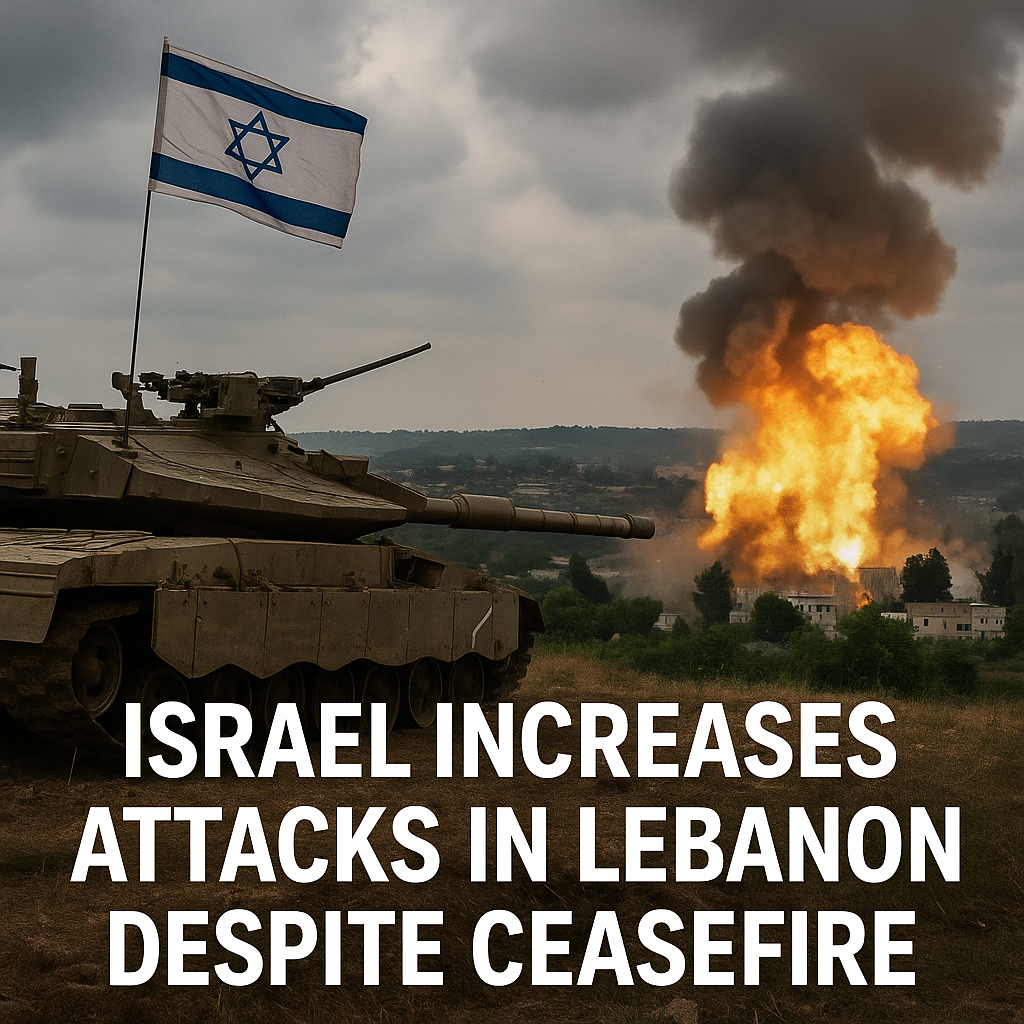
Despite a supposed ceasefire, Israel’s military operations in Lebanon have surged, casting doubt on regional stability and raising urgent questions about the future of peace talks. As tensions escalate, the humanitarian impact is becoming increasingly severe, affecting innocent civilians caught in the crossfire.
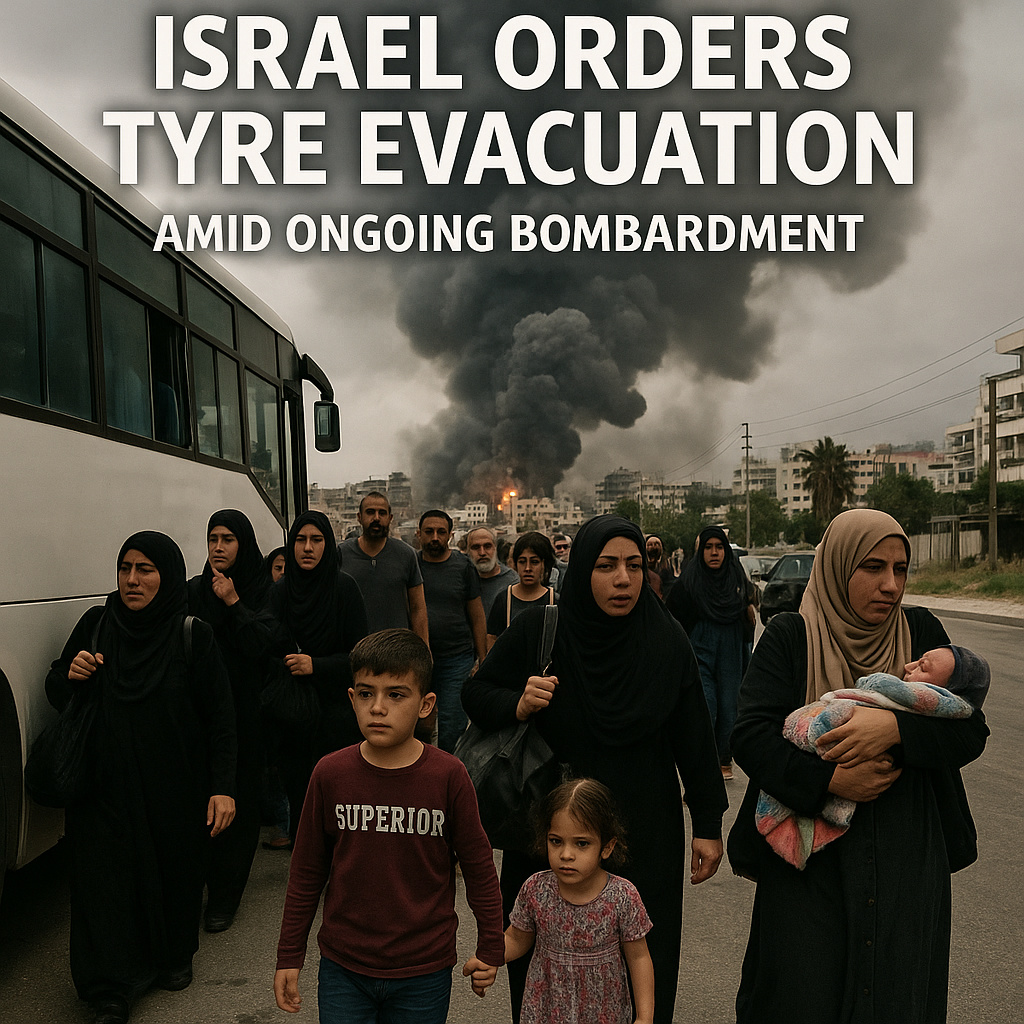
As tensions rise in the region, Israel has announced the evacuation of Tyre, a vital city in southern Lebanon, amid escalating military operations—prompting urgent concerns for the safety of its nearly 200,000 residents. With humanitarian organizations sounding alarms, the situation has become a poignant reminder of the fragile balance between security and civilian safety.
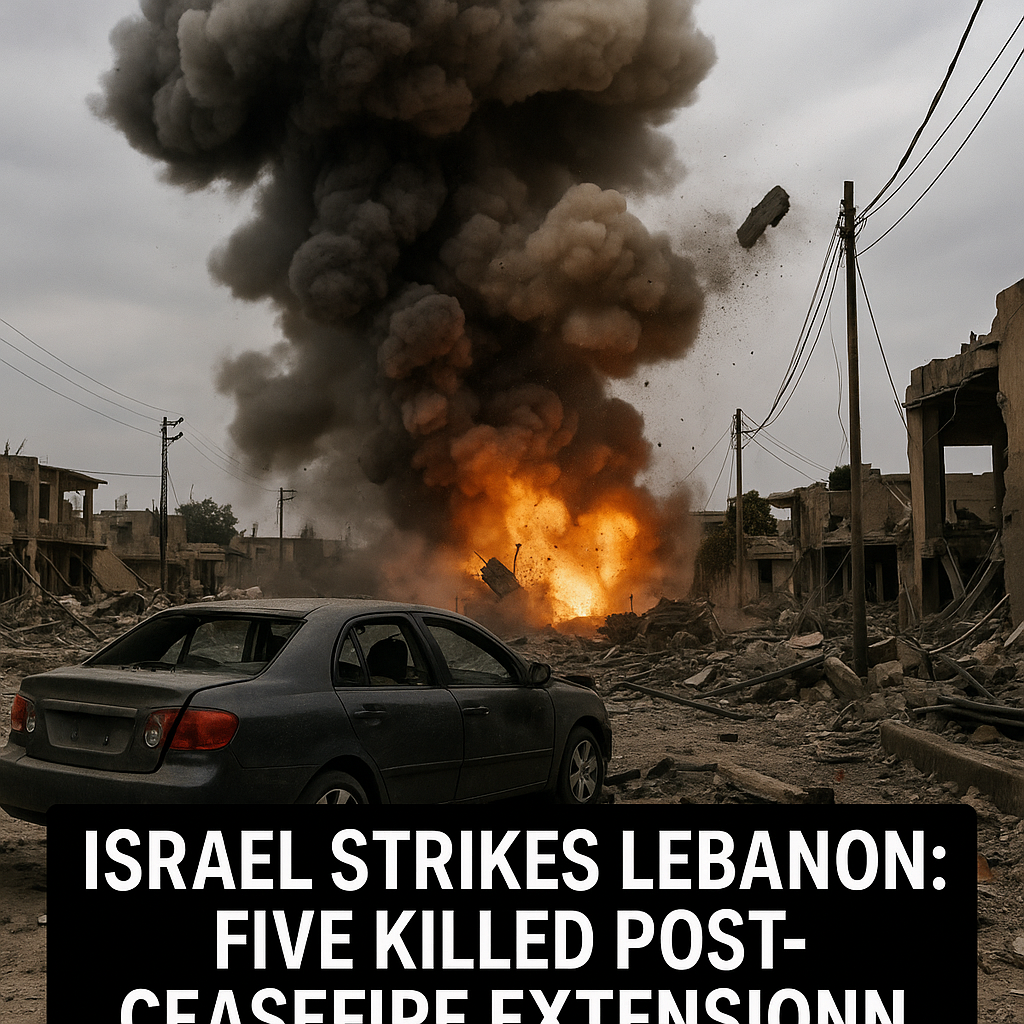
In a shocking turn just after a ceasefire extension, Israels airstrikes in Lebanon claimed five lives linked to Hezbollah, reigniting fears of escalating violence and raising urgent questions about the fragile peace in the region. As tensions mount, the stark reality of this conflict reminds us of the delicate balance between national security and the quest for lasting stability.