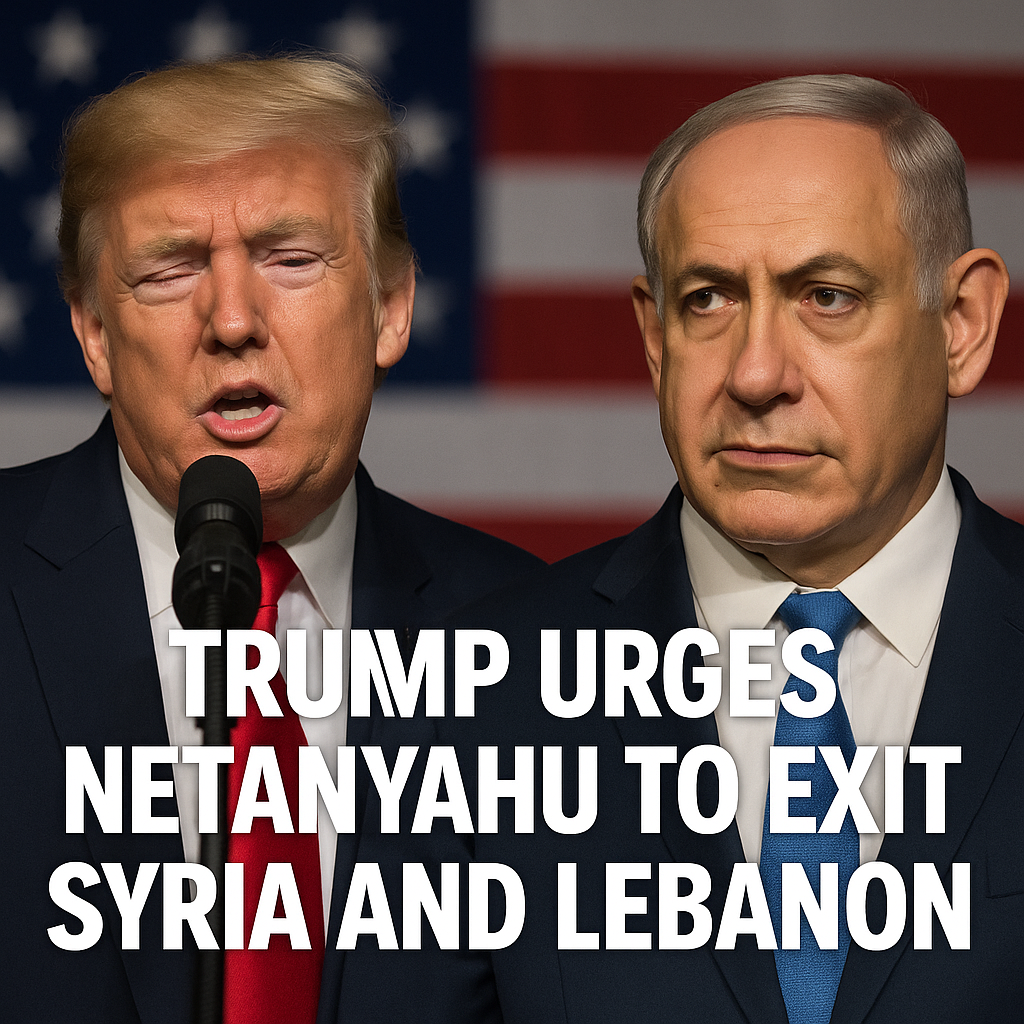
In a groundbreaking diplomatic move, Trump is urging Netanyahu to pull Israel out of Syria and Lebanon, sparking a wave of reactions that could reshape the Middle East’s geopolitical landscape. With eyes on the 2024 election, can this push for withdrawal pave the way for fresh diplomatic solutions, or will it leave Israel vulnerable?
Recent attacks by Israeli settlers on American citizens have cast a spotlight on a troubling aspect of the Israeli-Palestinian conflict, prompting critical questions about safety for U.S. citizens abroad and the broader implications for U.S.-Israel relations. Dive into this complex issue and explore the alarming trends that are shaping the dialogue around these escalating tensions.
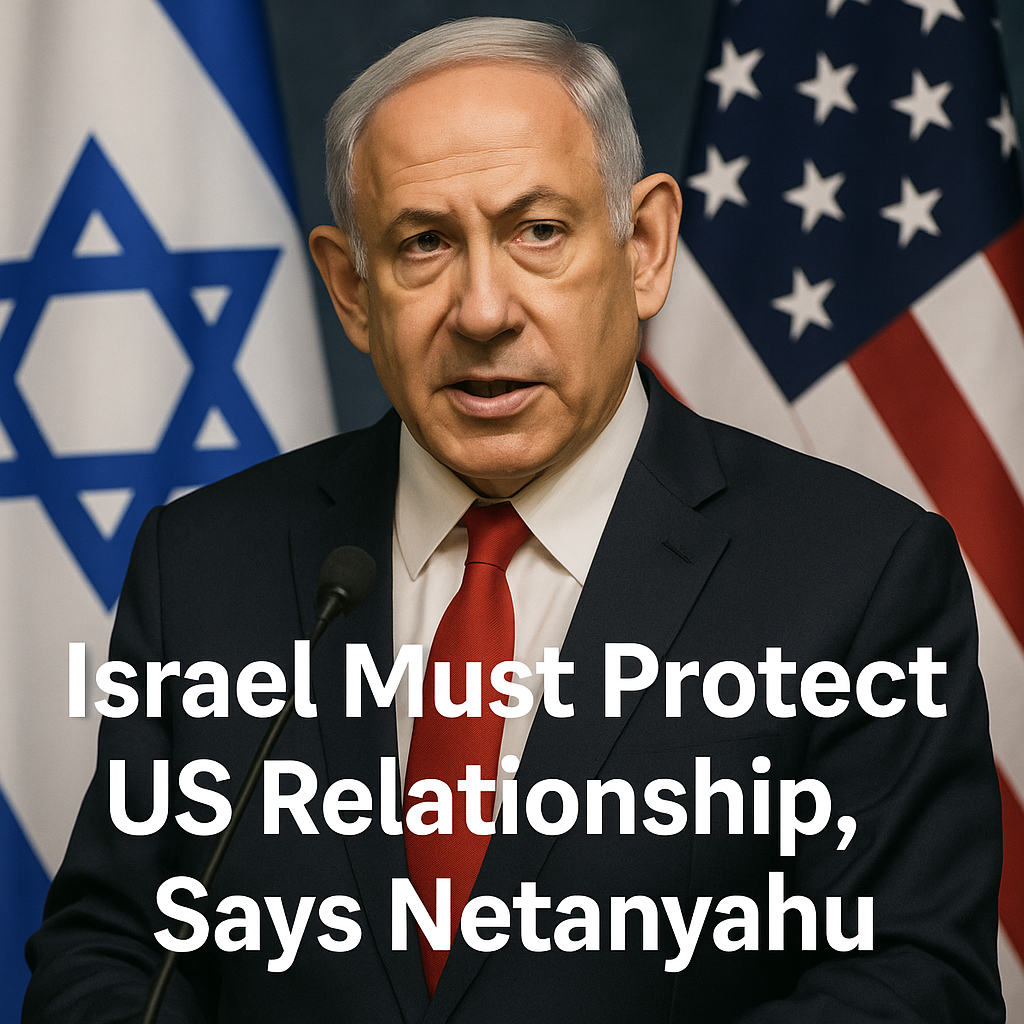
Israeli Prime Minister Benjamin Netanyahu is making it clear: protecting the close bond with the U.S. isnt just important—its essential for Israels security and future. With the ever-changing landscape of international relations, securing American support has never been more critical!
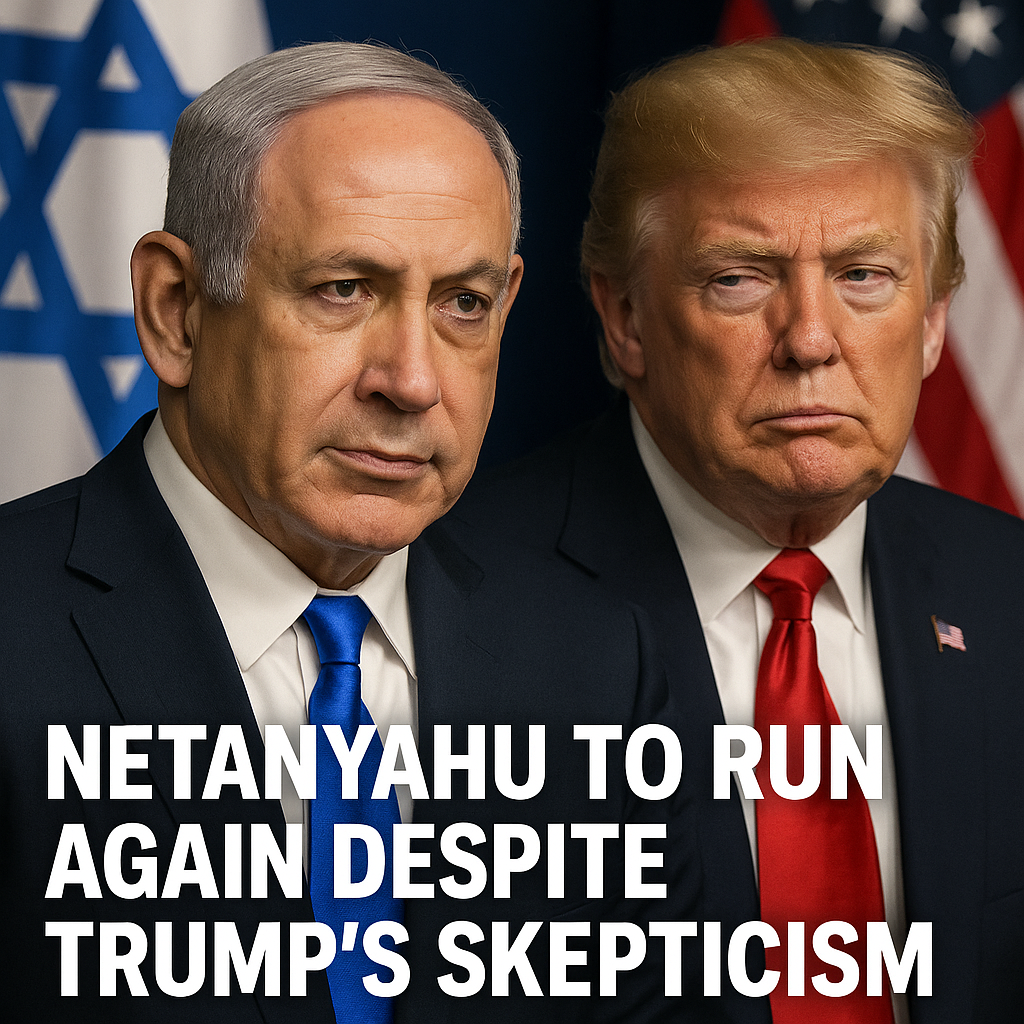
Benjamin Netanyahu is diving back into the political arena, igniting debates worldwide, especially amidst former President Trumps surprising skepticism. As Israels complex political landscape evolves, many wonder what this bold move means for the future of governance and U.S.-Israel relations.
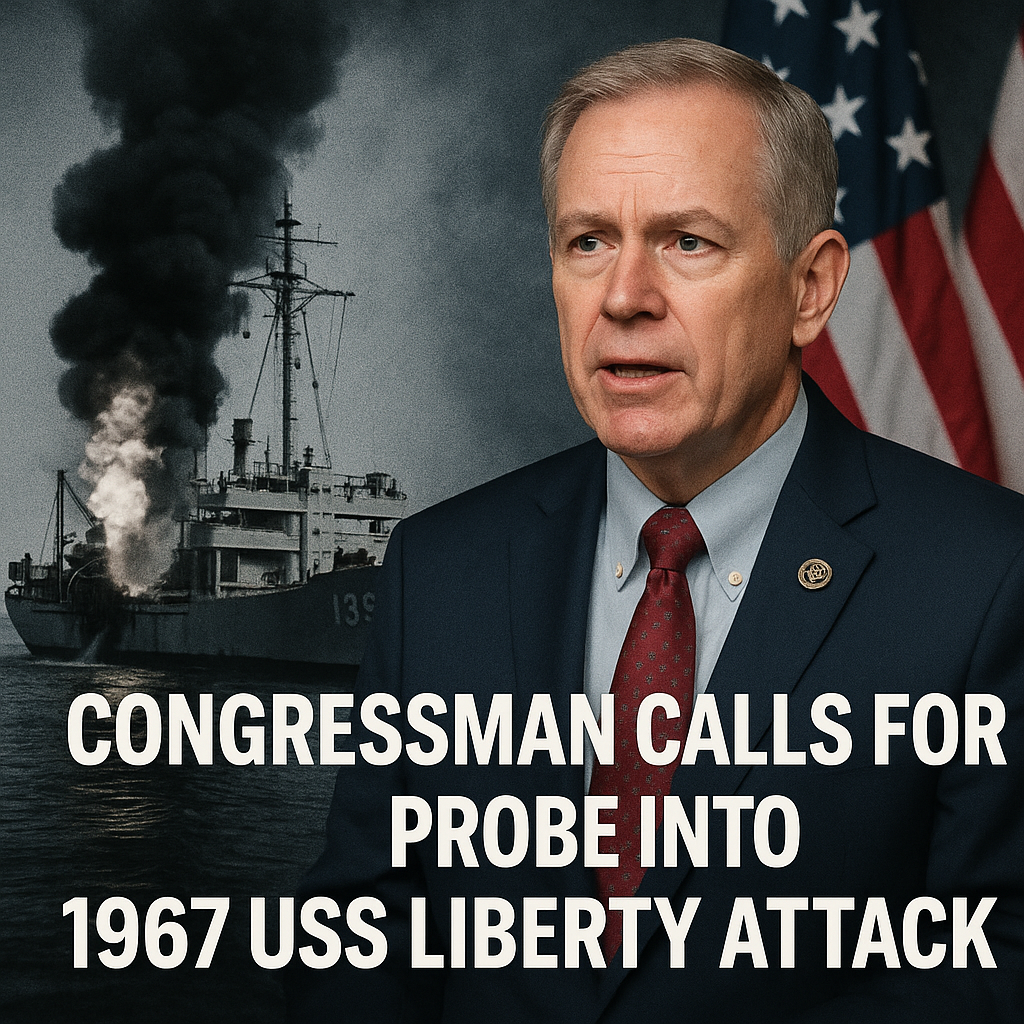
A congressman is reviving the conversation around the controversial 1967 USS Liberty attack, urging for a thorough investigation that could finally bring closure to the families affected and shed light on enduring questions of accountability in U.S.-Israeli relations. This renewed push for transparency promises to stir up critical discussions about historical narratives and international diplomacy.
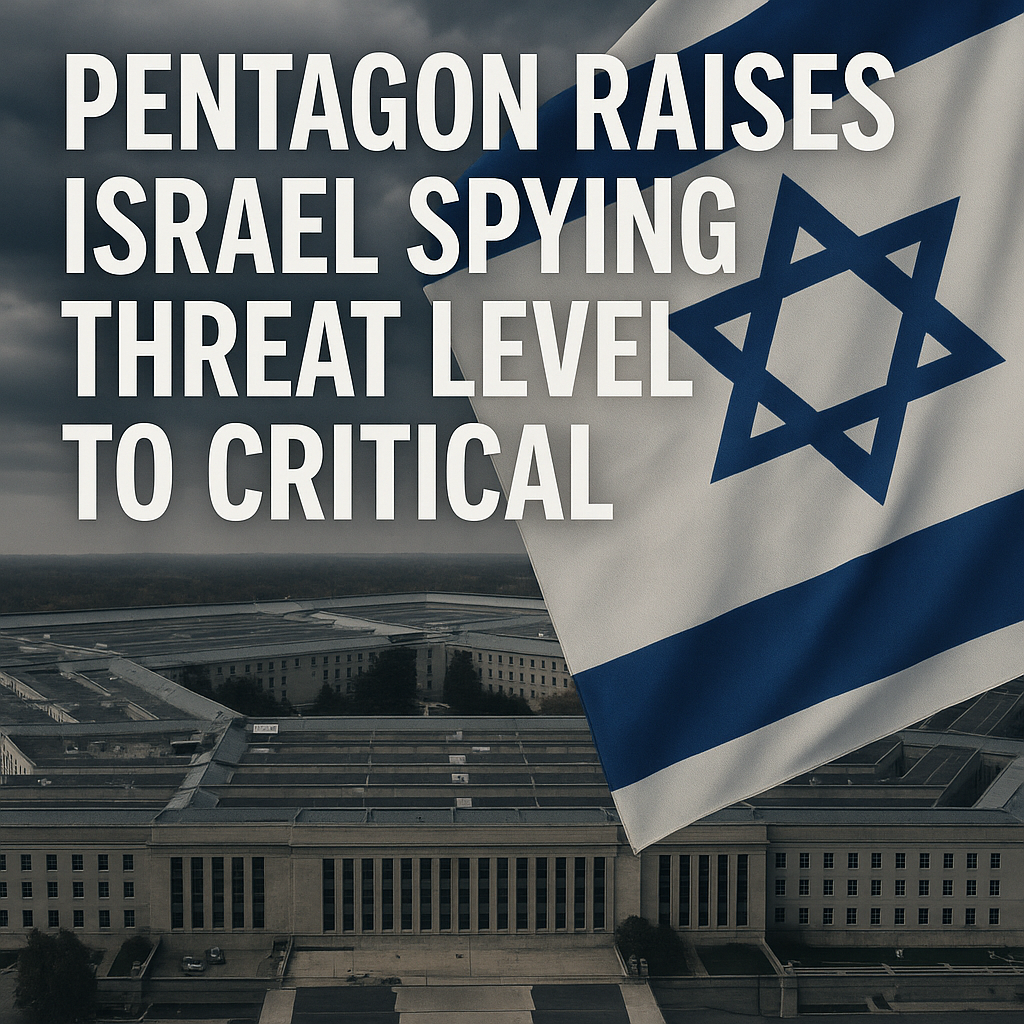
The Pentagon has officially classified Israels espionage activities as critical, raising alarm bells about potential threats to national security and the intricacies of U.S.-Israel relations. As concerns mount over intensified intelligence gathering, what does this mean for trust among allies in an increasingly complex geopolitical landscape?
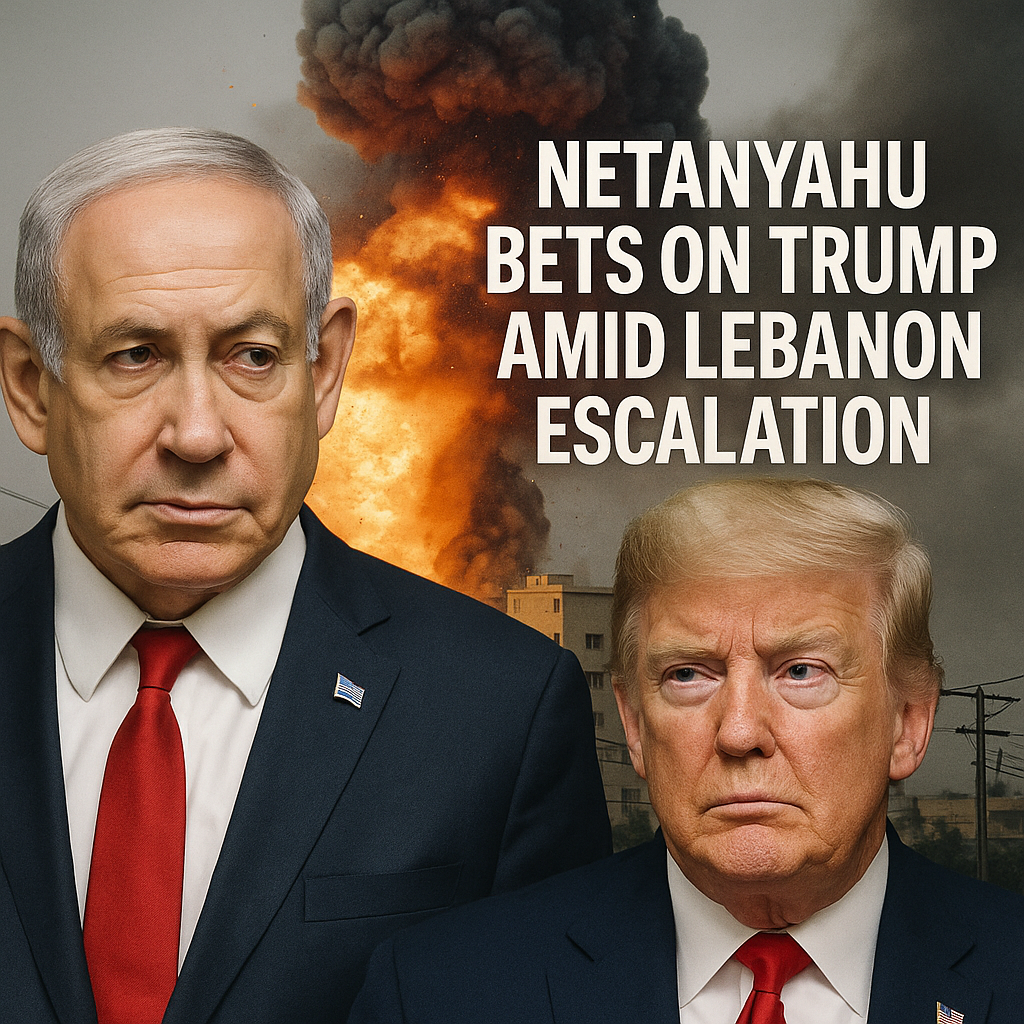
As tensions rise in Lebanon, Israeli Prime Minister Benjamin Netanyahu is strategically aligning himself with former President Trump, hoping to solidify his support at home while navigating a complex geopolitical landscape. This alliance could be a game-changer not just for Netanyahus political fortunes, but for the broader dynamics of the region.
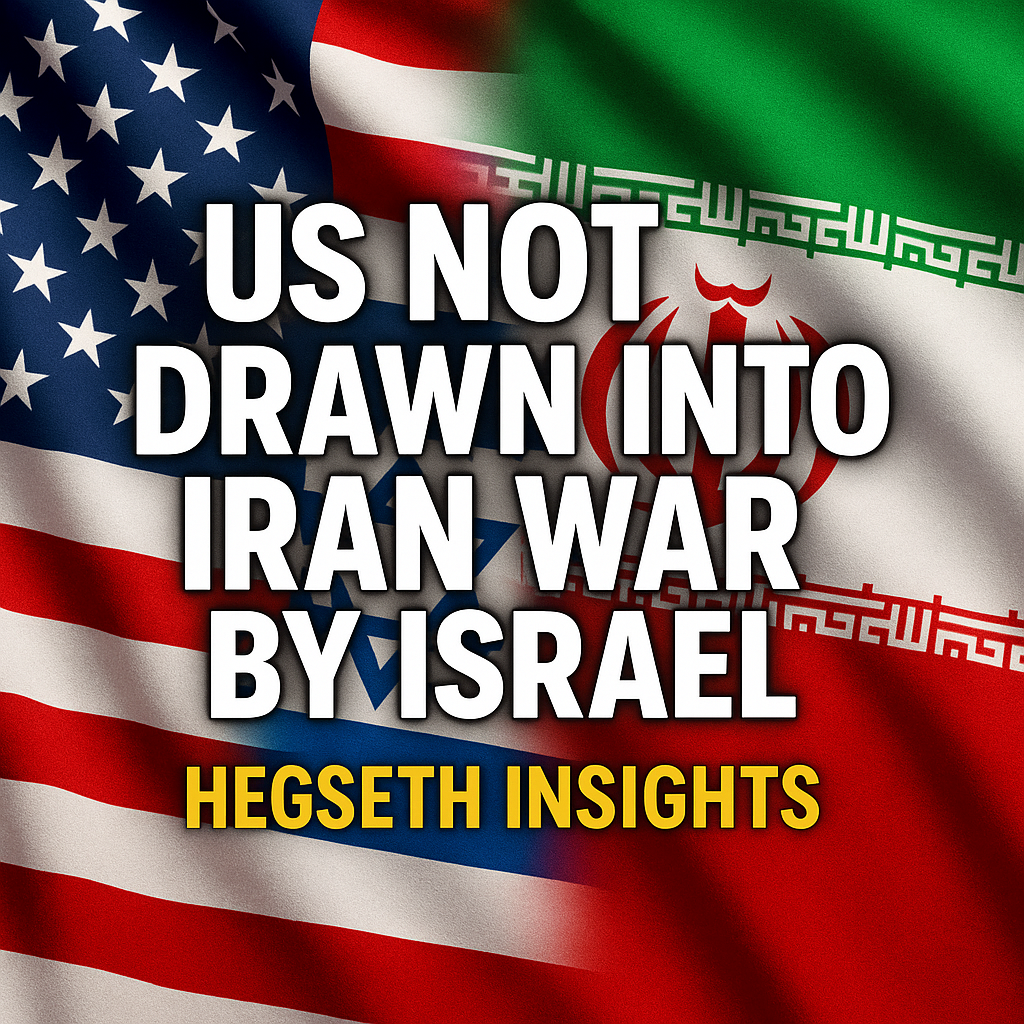
In the midst of rising tensions with Iran, Fox News host Pete Hegseth offers a refreshing perspective, suggesting that U.S. involvement isn’t merely a puppet of Israeli interests—there’s a deeper strategy at play. Dive into the complexities of U.S.-Israel relations and discover why the road ahead isn’t as straightforward as it seems!
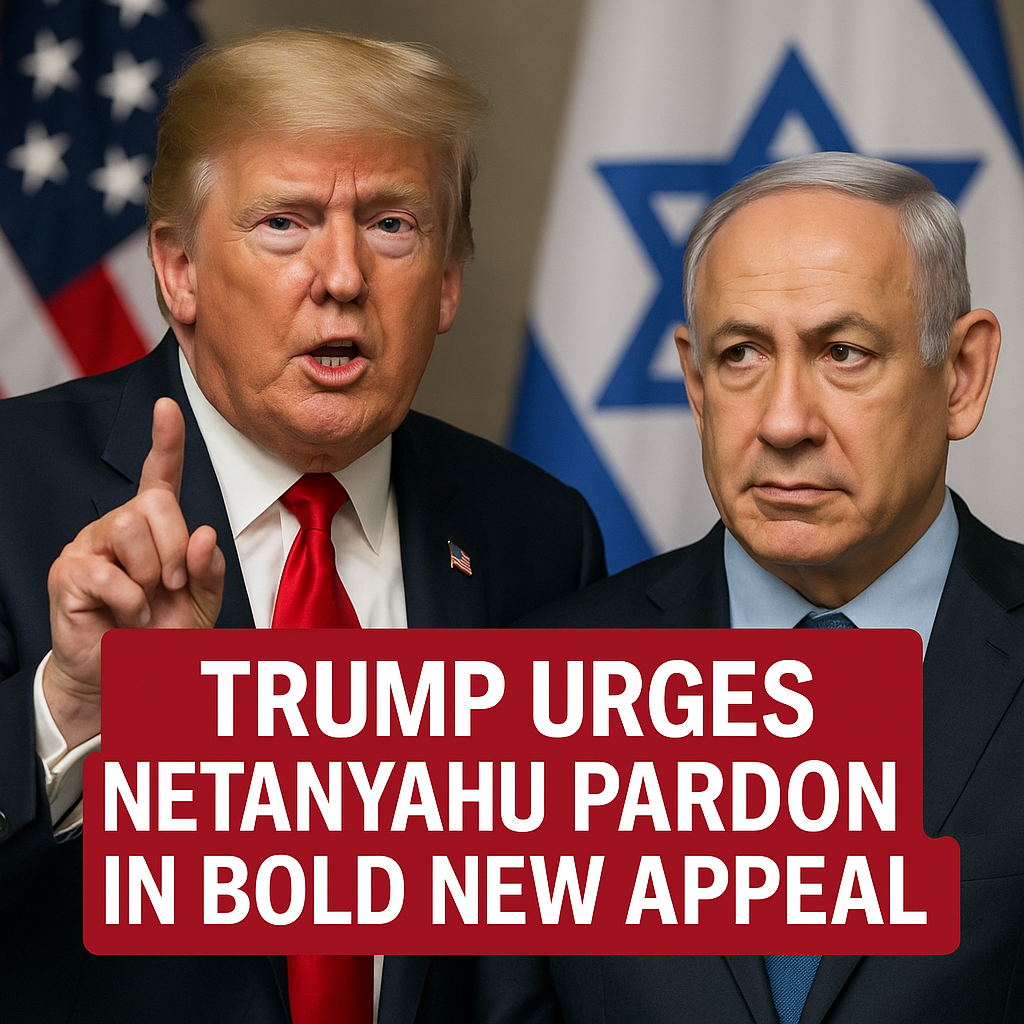
In a bold twist, Donald Trump is once again calling for a pardon for Israeli Prime Minister Benjamin Netanyahu, igniting a lively debate on the intertwining politics of America and Israel as Netanyahu faces serious legal challenges back home. As reactions pour in, this appeal not only challenges norms but also raises questions about accountability in leadership during turbulent times.
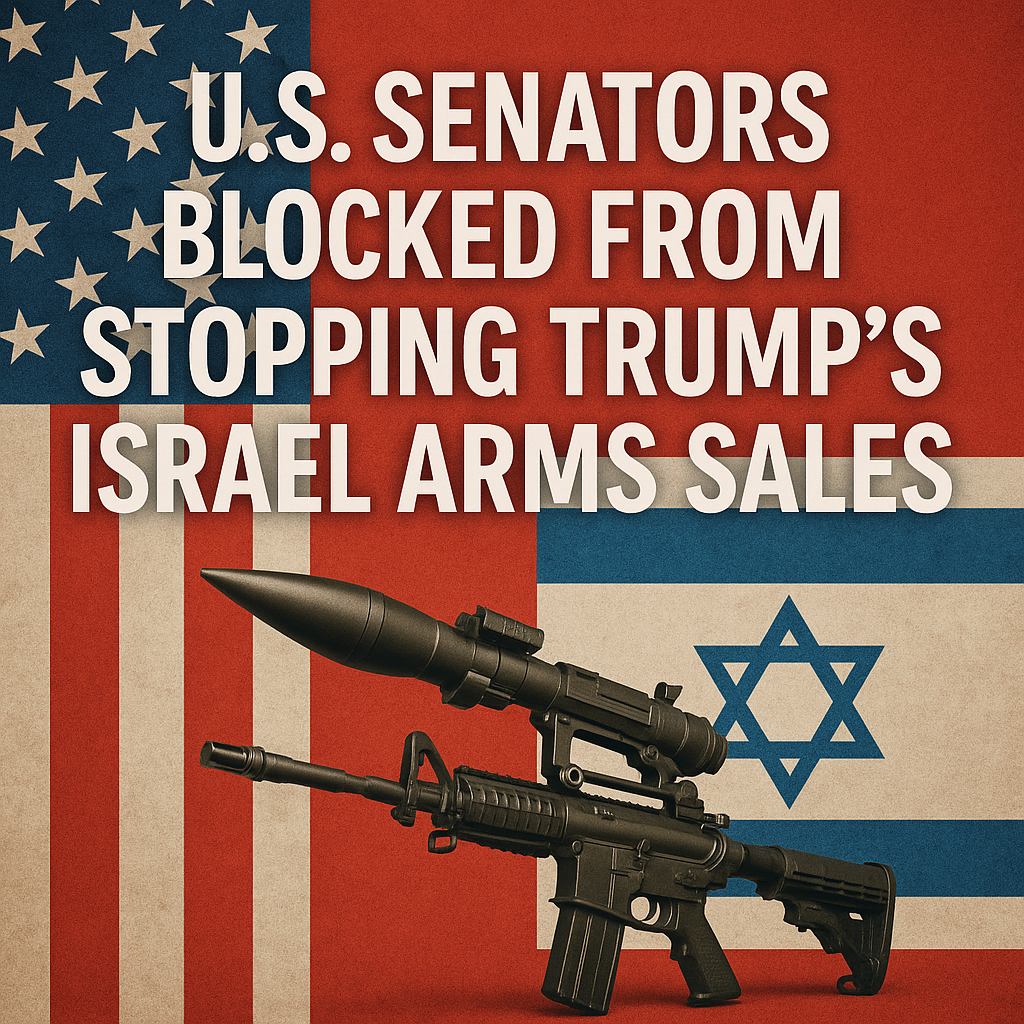
In a surprising turn of events, U.S. Senators have found themselves unable to halt the controversial arms sales to Israel, highlighting the tangled web of foreign policy debates and human rights concerns that continue to shape our nation’s stance in the Middle East. As the Biden administration reinforces its ties with Israel amidst growing security worries, the clash between lawmakers and executive decisions sheds light on the ongoing complexities of U.S.-Israel relations.