Tensions are rising as the US launches missile strikes against Iranian facilities, sparking heated discussions on regional security and the future of diplomacy—join us for key videos and insights that shed light on this critical moment!

Tensions are rising as the US launches missile strikes against Iranian facilities, sparking heated discussions on regional security and the future of diplomacy—join us for key videos and insights that shed light on this critical moment!
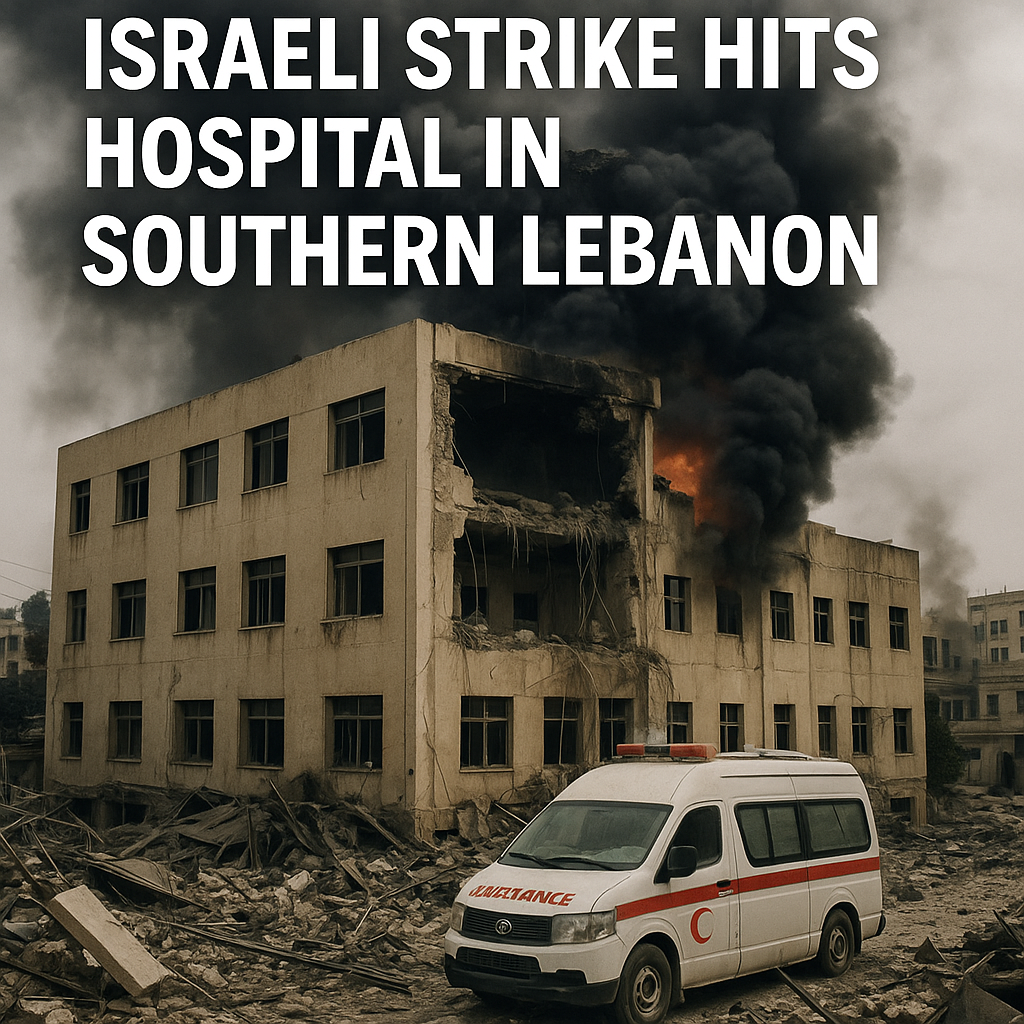
Tensions in southern Lebanon have escalated as an Israeli strike targets a vital hospital, igniting fervent debate over the balance between self-defense and the protection of civilians. With both sides bracing for fallout, the stakes couldnt be higher for the region’s inhabitants.
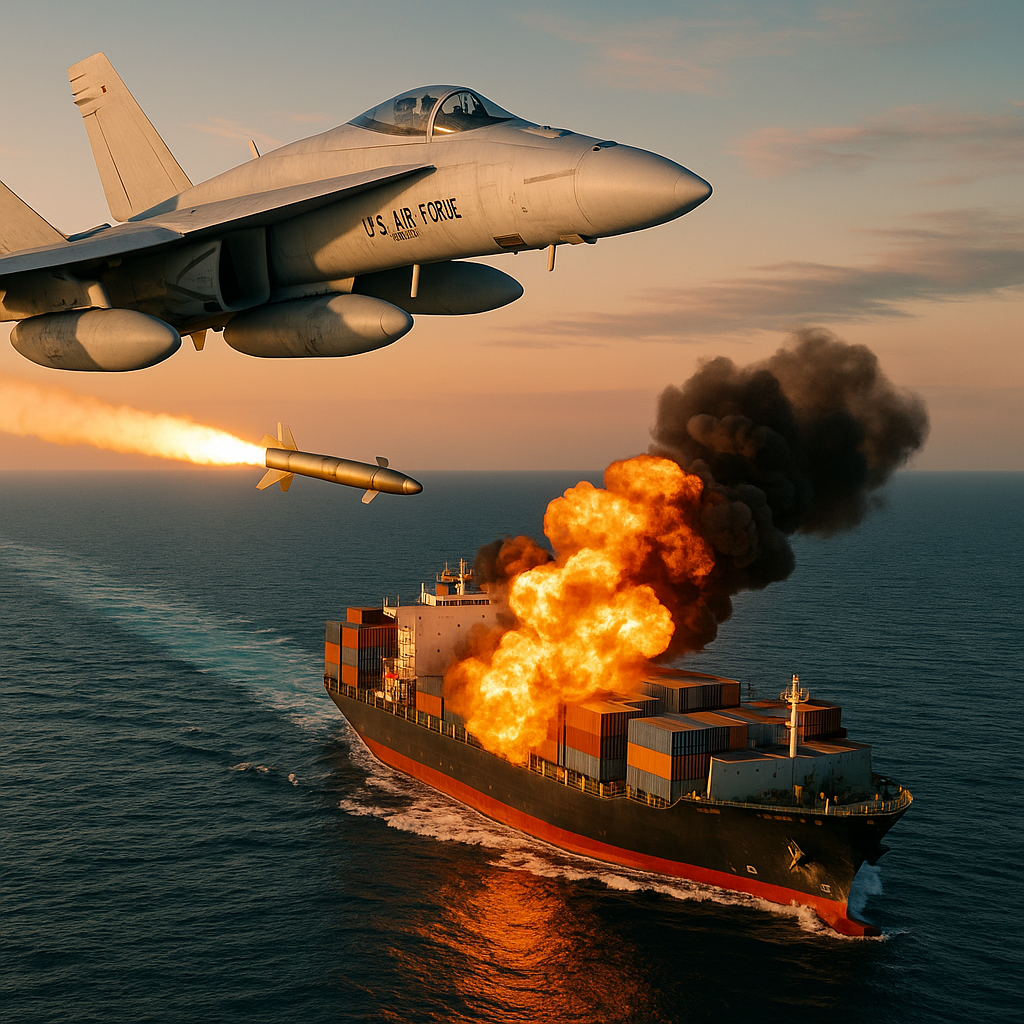
In a bold move that has sent shockwaves through international waters, a U.S. fighter jet struck an Iranian-bound cargo ship, reigniting tensions in the already volatile Middle East. As diplomatic leaders respond to this provocative action, the delicate balance of power in the region hangs in the balance—what could this mean for the future of U.S.-Iran relations?
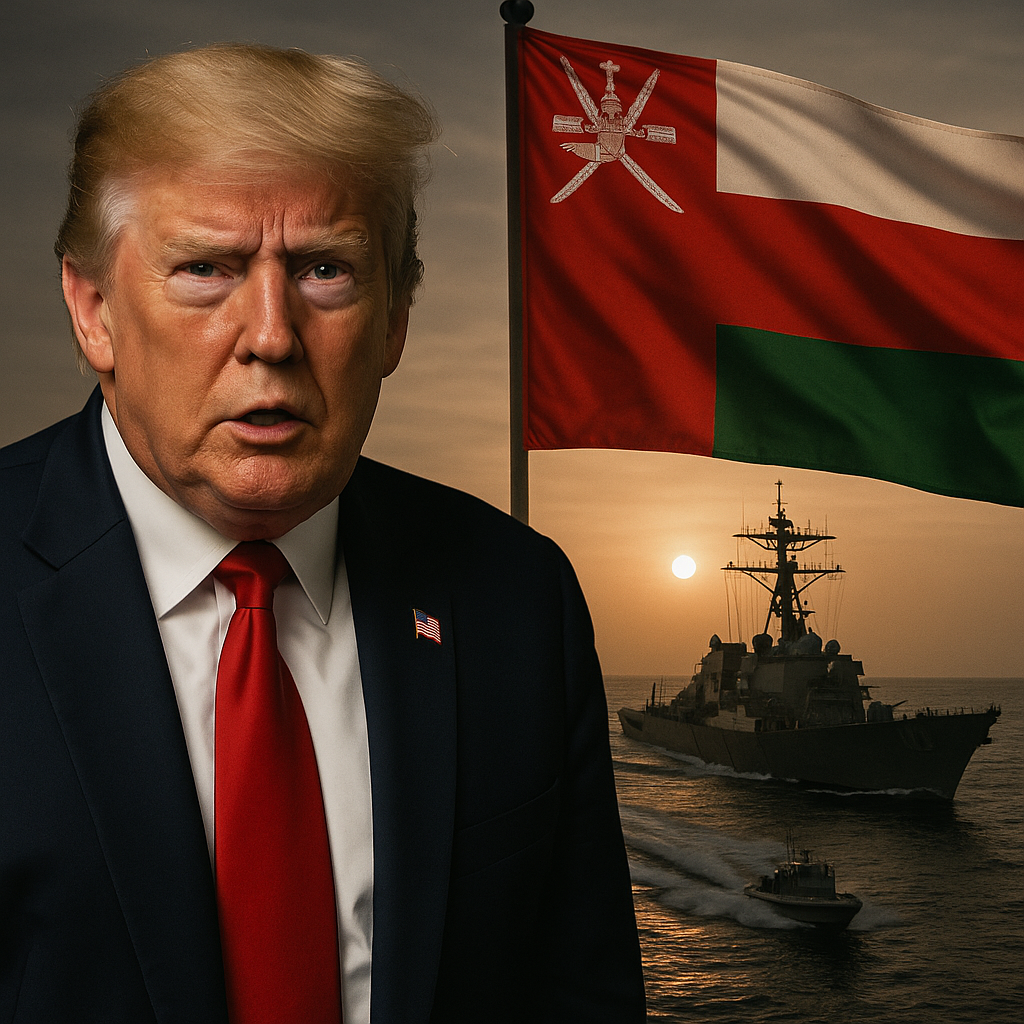
Tensions are heating up in the Strait of Hormuz as former President Trump hints at military action against Oman, sparking debate on the potential ripple effects for global oil supply and regional stability. Could this bold rhetoric be a game-changer, or is it a risk that may ignite an already volatile situation?
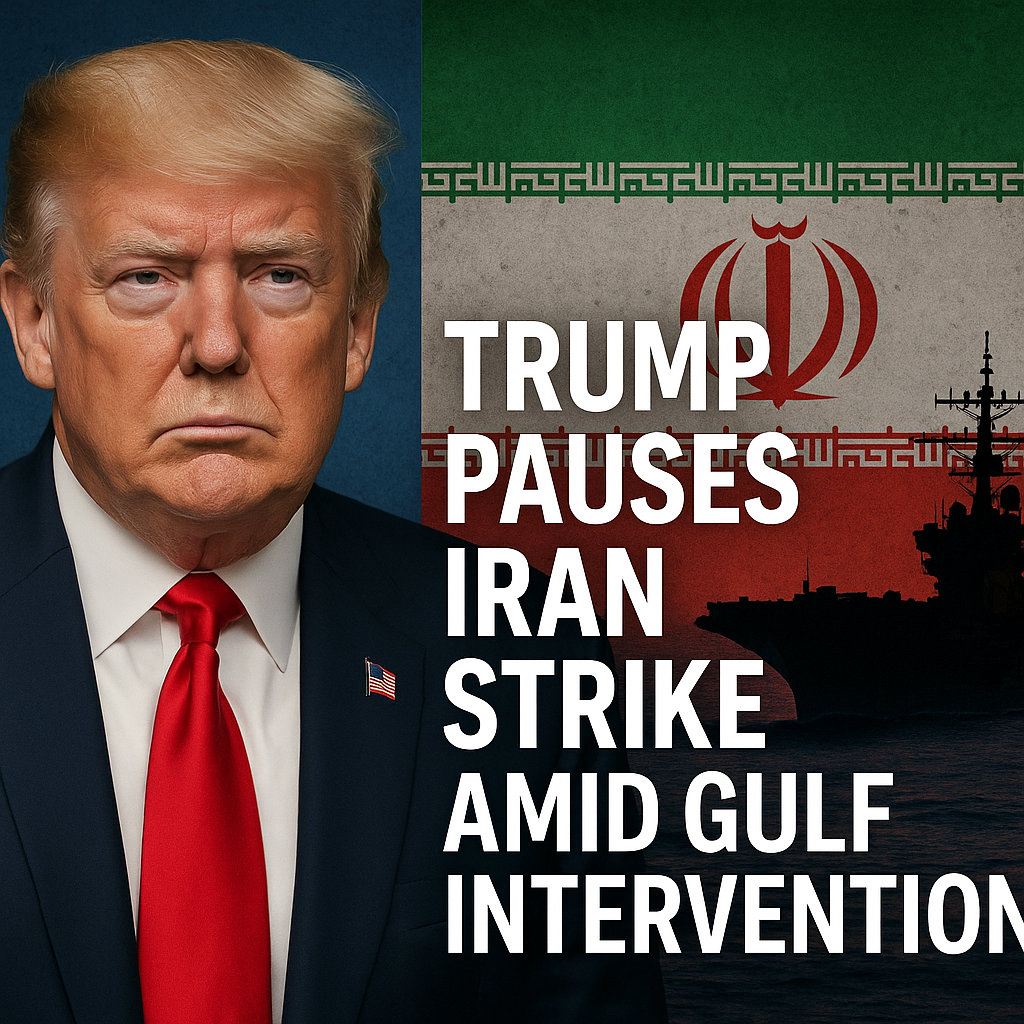
In a surprising twist, former President Trump has hit pause on potential military action against Iran, thanks to the proactive diplomacy of Gulf nations—a move that could reshape the tense dynamics in the Middle East. Dive into the unfolding story of how diplomacy might just be winning the day!
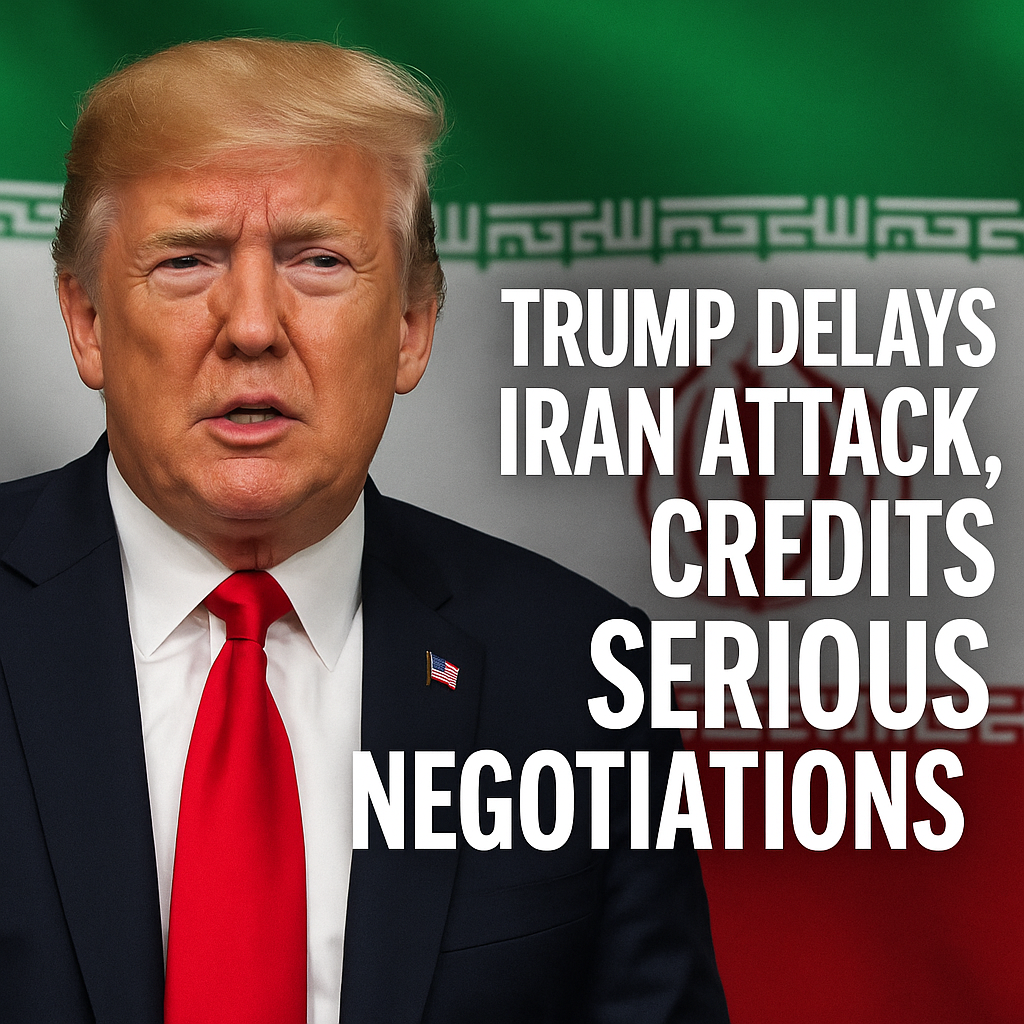
Former President Trump has pushed back potential military action against Iran, highlighting that serious negotiations are paving the way for a shift from conflict to diplomacy—could this be the turning point weve been waiting for?
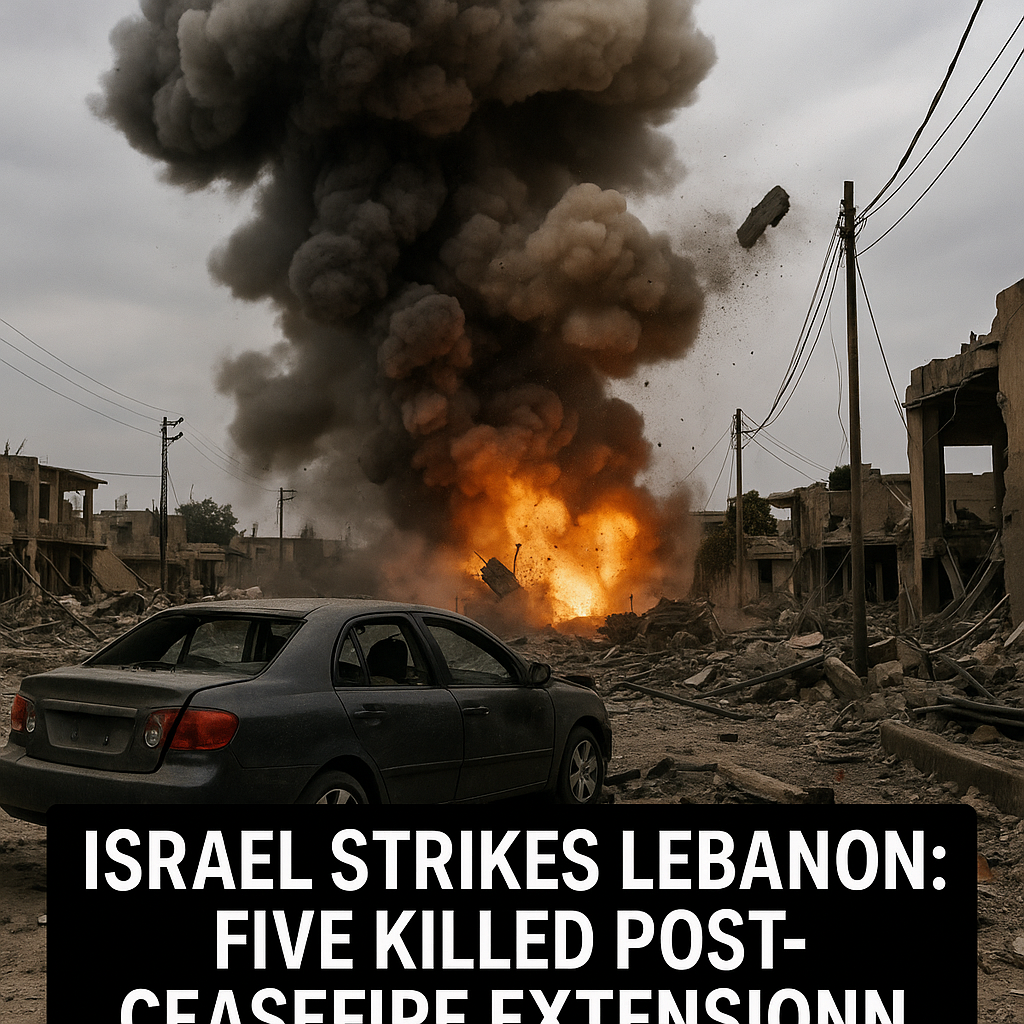
In a shocking turn just after a ceasefire extension, Israels airstrikes in Lebanon claimed five lives linked to Hezbollah, reigniting fears of escalating violence and raising urgent questions about the fragile peace in the region. As tensions mount, the stark reality of this conflict reminds us of the delicate balance between national security and the quest for lasting stability.
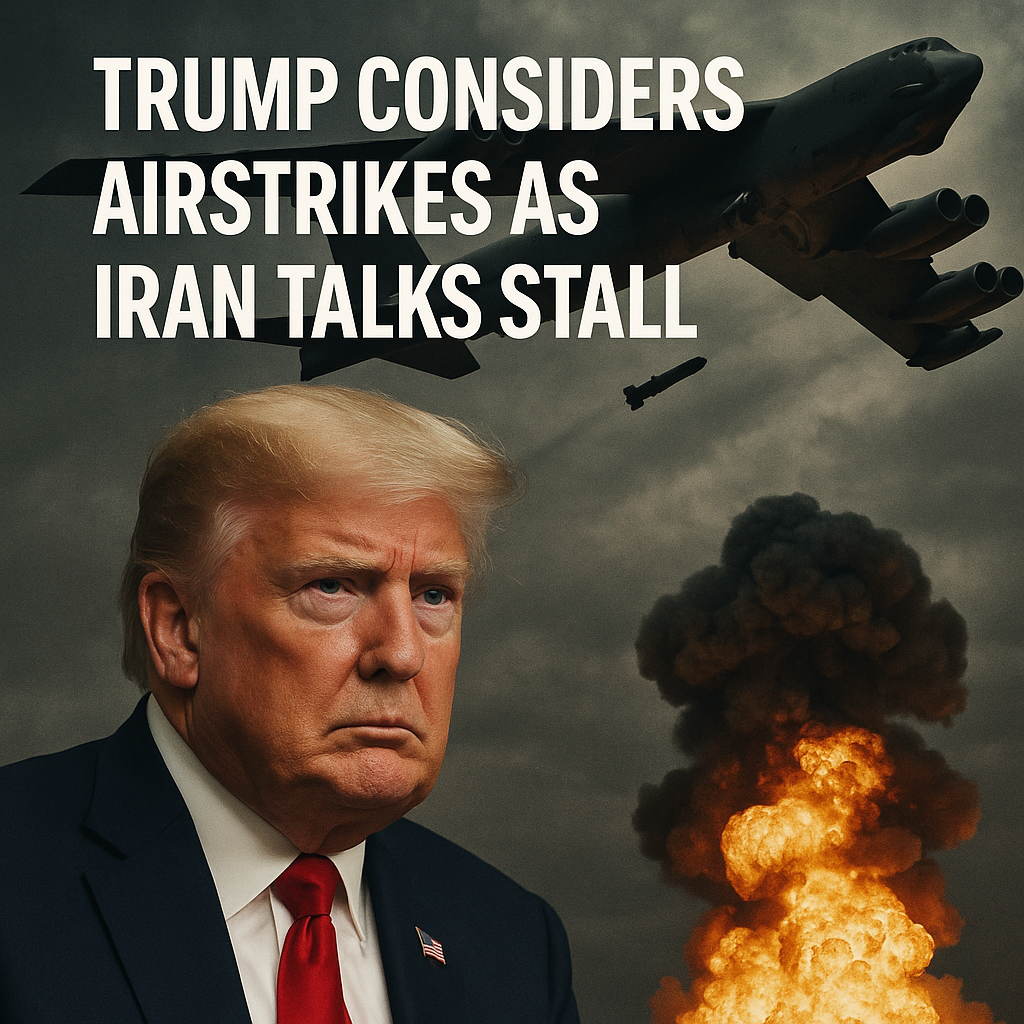
As talks with Iran hit a dead end, former President Trump is weighing airstrikes, ramping up tensions in the Middle East and raising urgent questions about U.S. foreign policy. Could military action reignite a cycle of conflict, or will it finally assert the pressure needed for change?
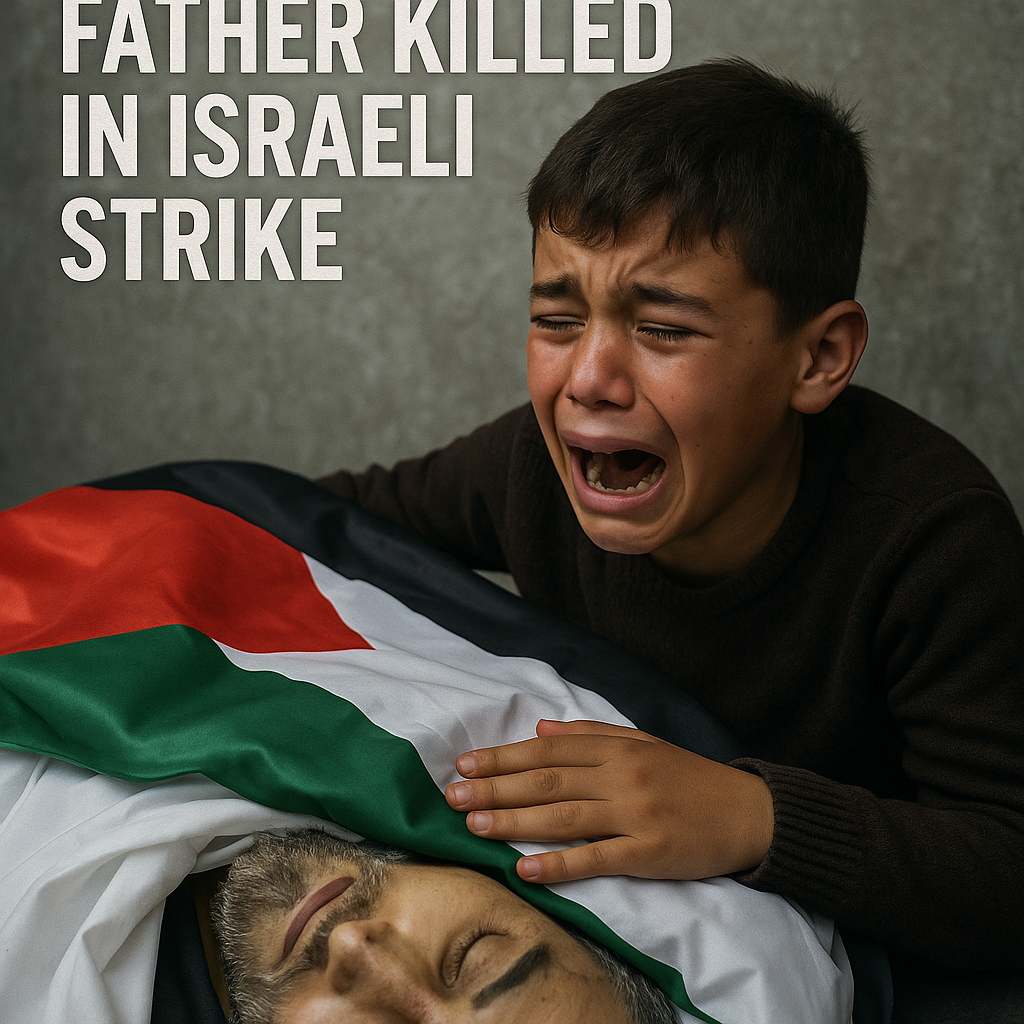
A young Palestinian boys heartbreaking cries echo the profound loss hes endured after his father was killed in an Israeli strike, shining a light on the personal toll of conflict and the urgent need for compassion amidst the chaos. This tragic story is a poignant reminder of the human cost of war—one that resonates deeply in communities shattered by violence.
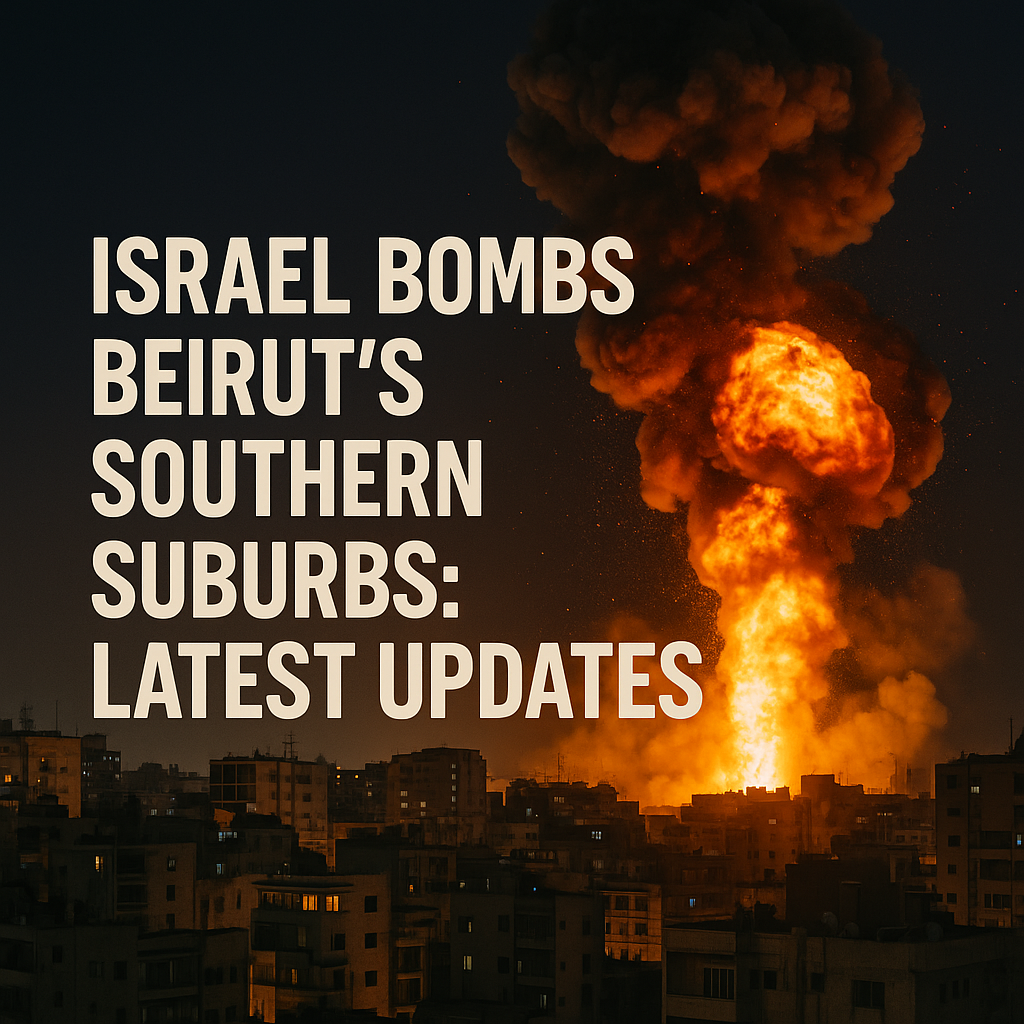
In a dramatic escalation of tensions, Israels recent airstrikes in Beiruts southern suburbs have intensified an already fraught situation, leaving locals grappling with fear and uncertainty amid ongoing political upheaval. As international reactions pour in, the impact on everyday life for Lebanese citizens continues to deepen, inviting a closer look at the complex dynamics at play.