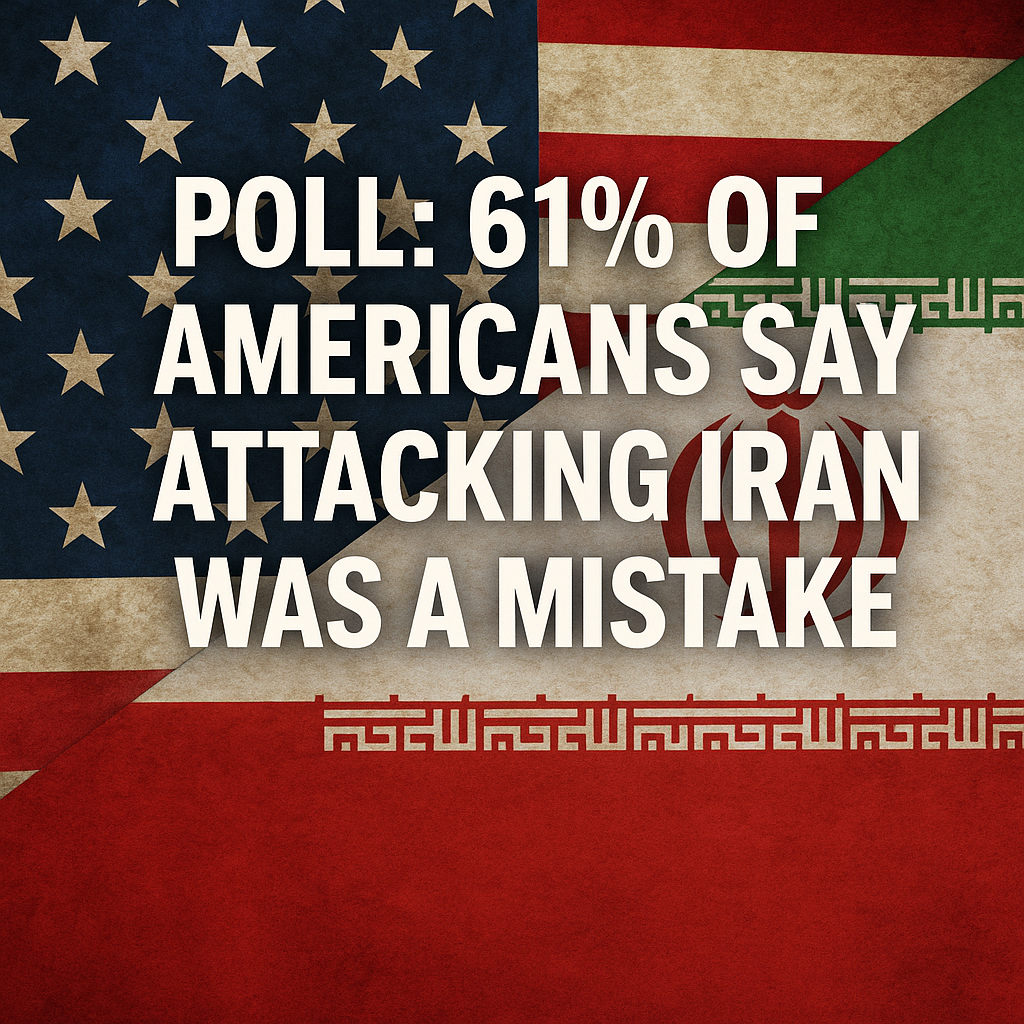
A striking 61% of Americans now believe attacking Iran was a mistake, reflecting a growing desire for a more cautious approach to military engagements. As concerns over human costs and national security mount, public sentiment is clearly shifting away from interventionist policies.
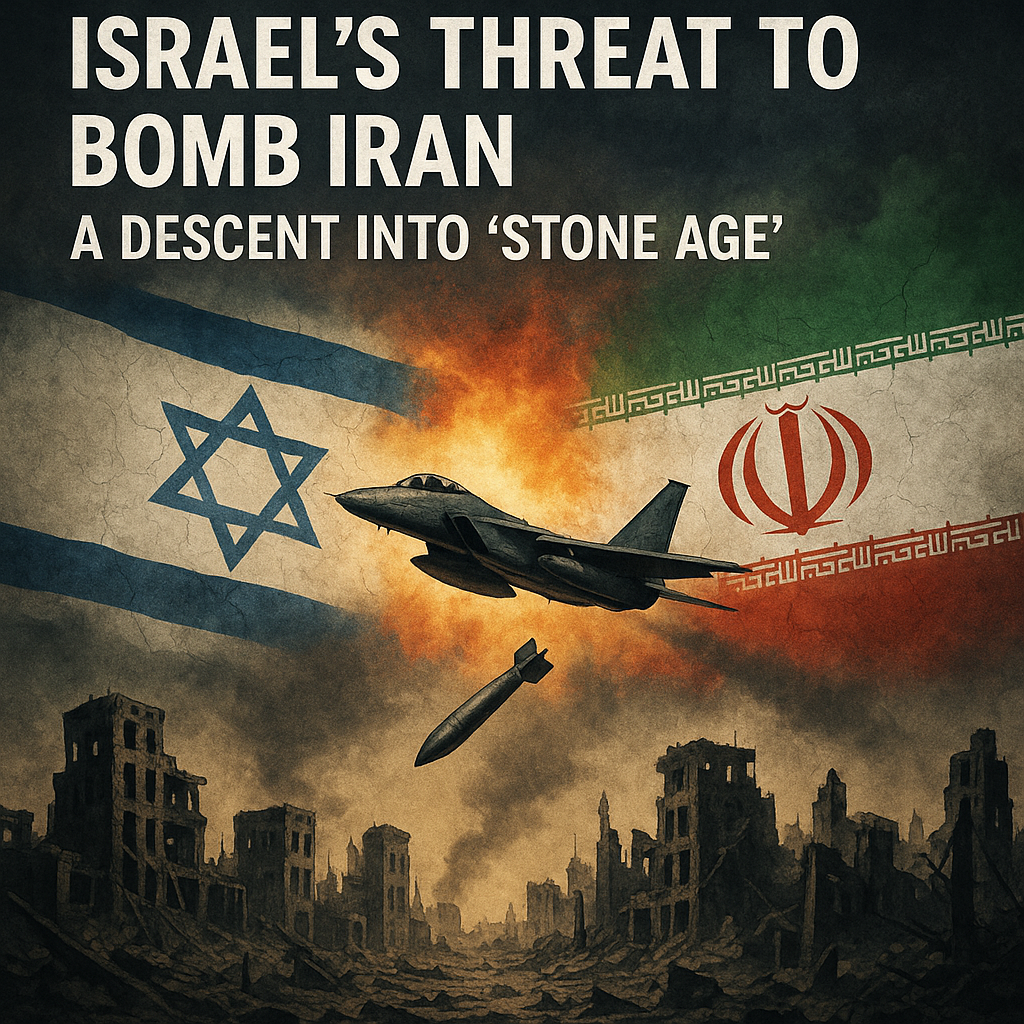
As tensions surge in the Middle East, Israels alarming threats to bomb Iran evoke fears of plunging the region into chaos—a situation that could turn catastrophic for millions. With the stakes so high, the question remains: can diplomacy win over devastating warfare?
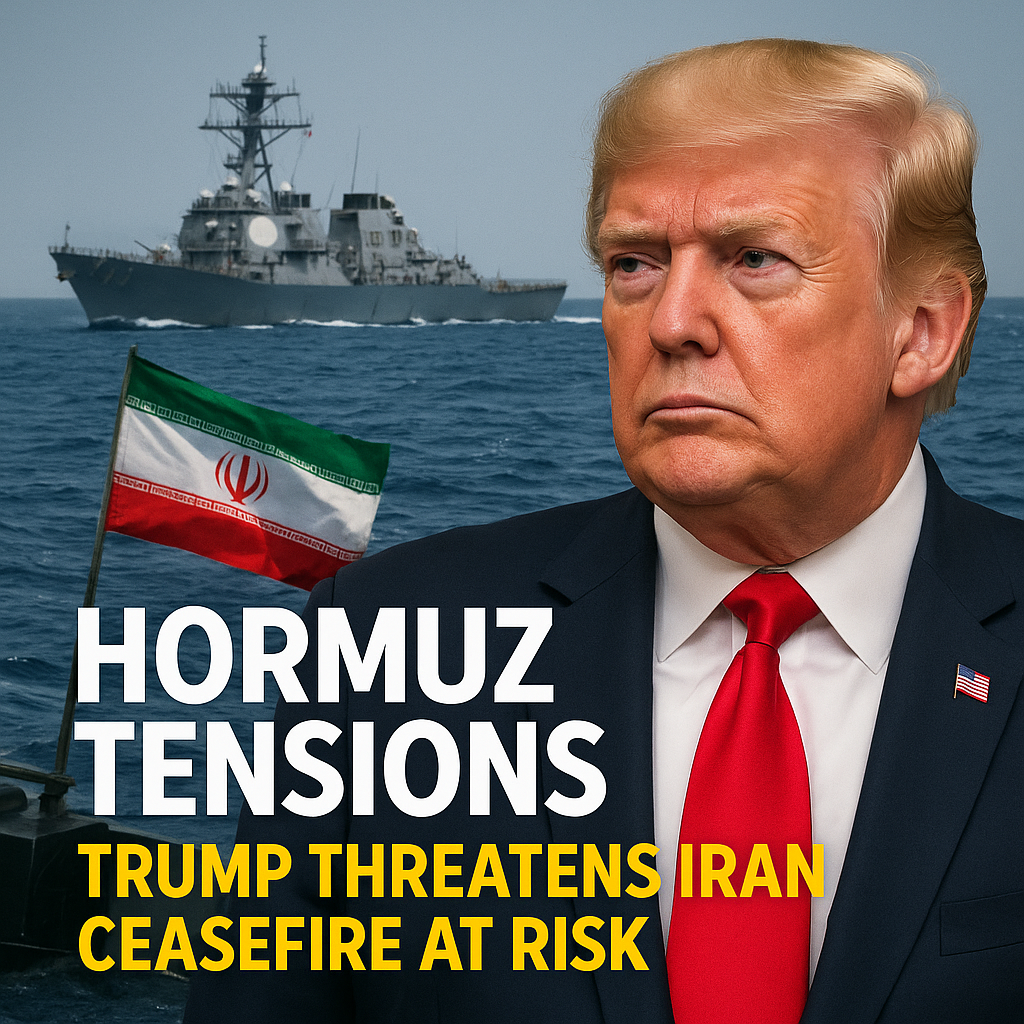
As tensions rise, lawmakers find themselves at a crossroads, struggling to rein in President Trumps military powers over Iran amidst heated debates and deep divisions. Discover how partisan politics and shifting public opinions shape this crucial issue and why the quest for checks and balances remains vital for our democracy.
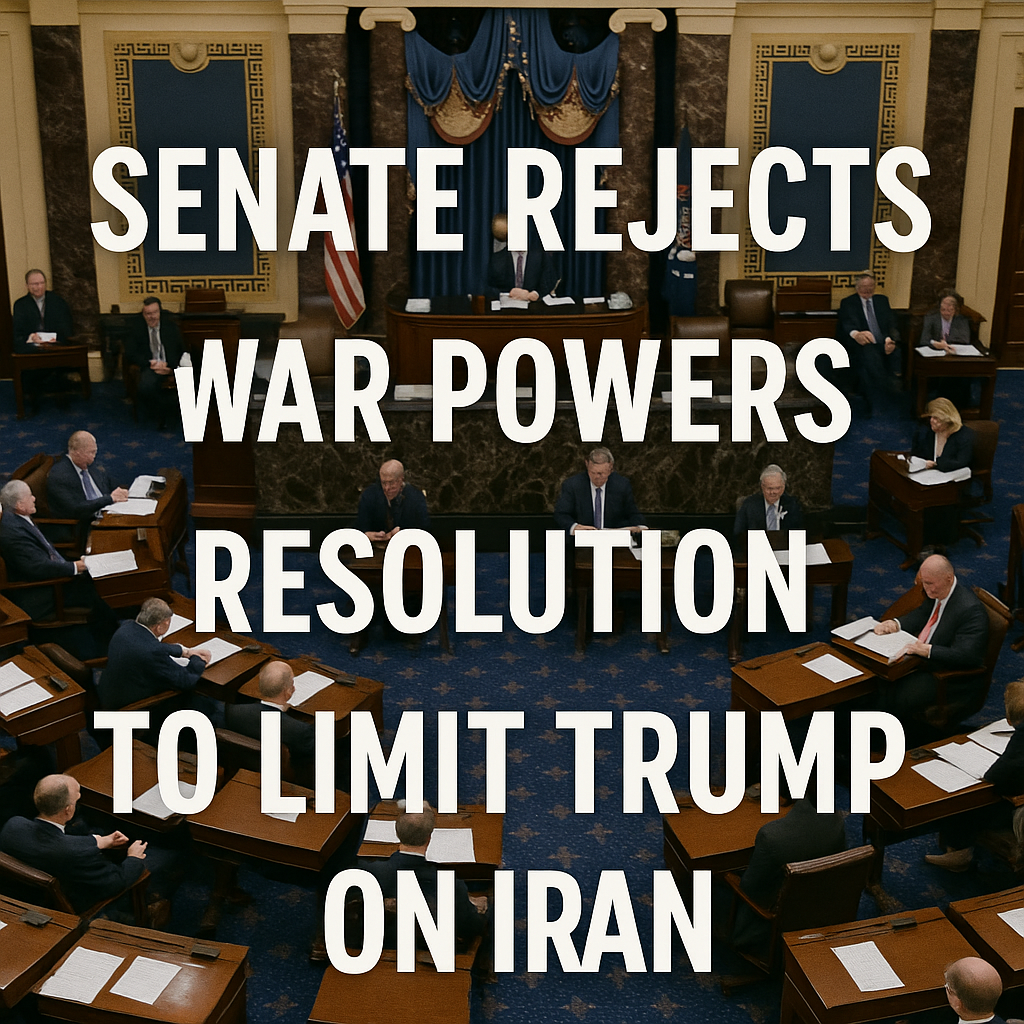
In a striking move, the Senate has rejected a resolution that sought to rein in President Trump’s military powers regarding Iran, highlighting the ongoing tug-of-war between Congress and the presidency on foreign policy. This decision underscores the complexity of navigating national security as lawmakers grapple with the need for checks and balances in an increasingly volatile world.
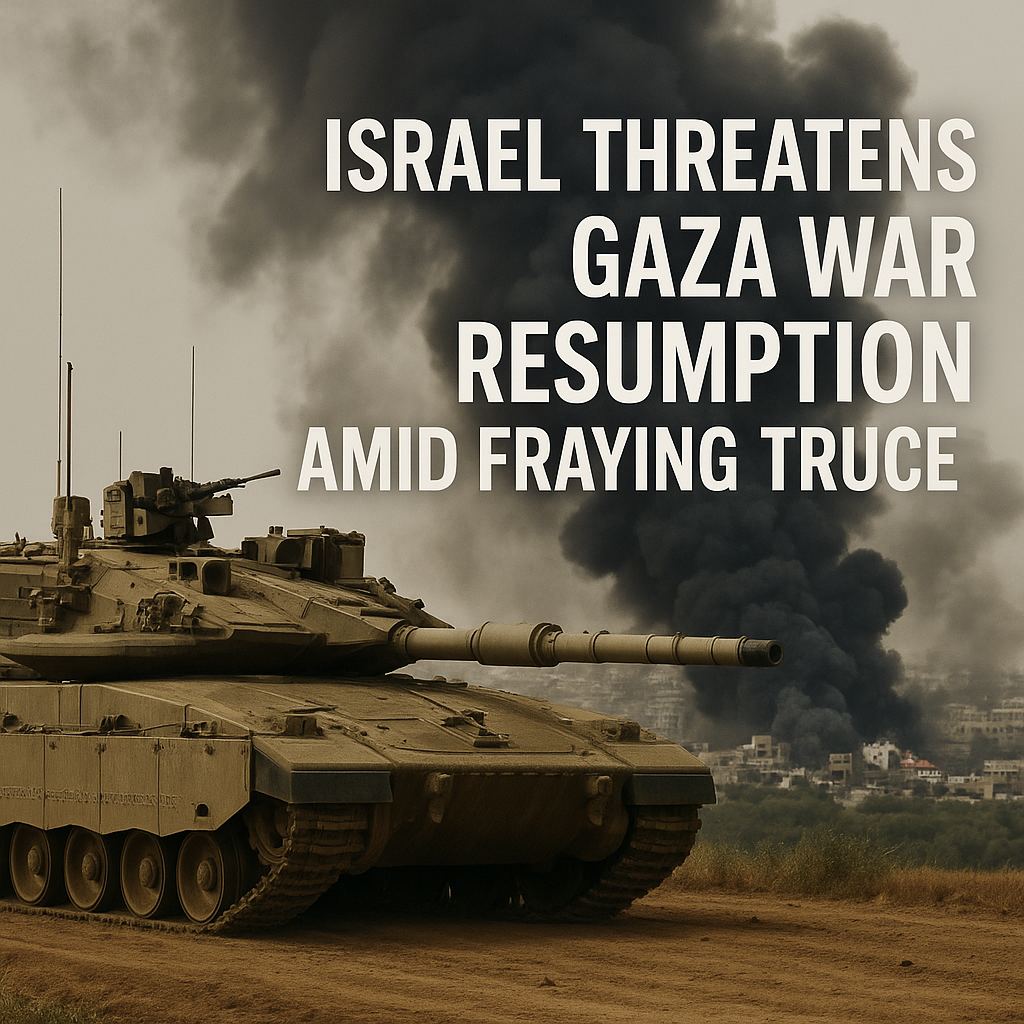
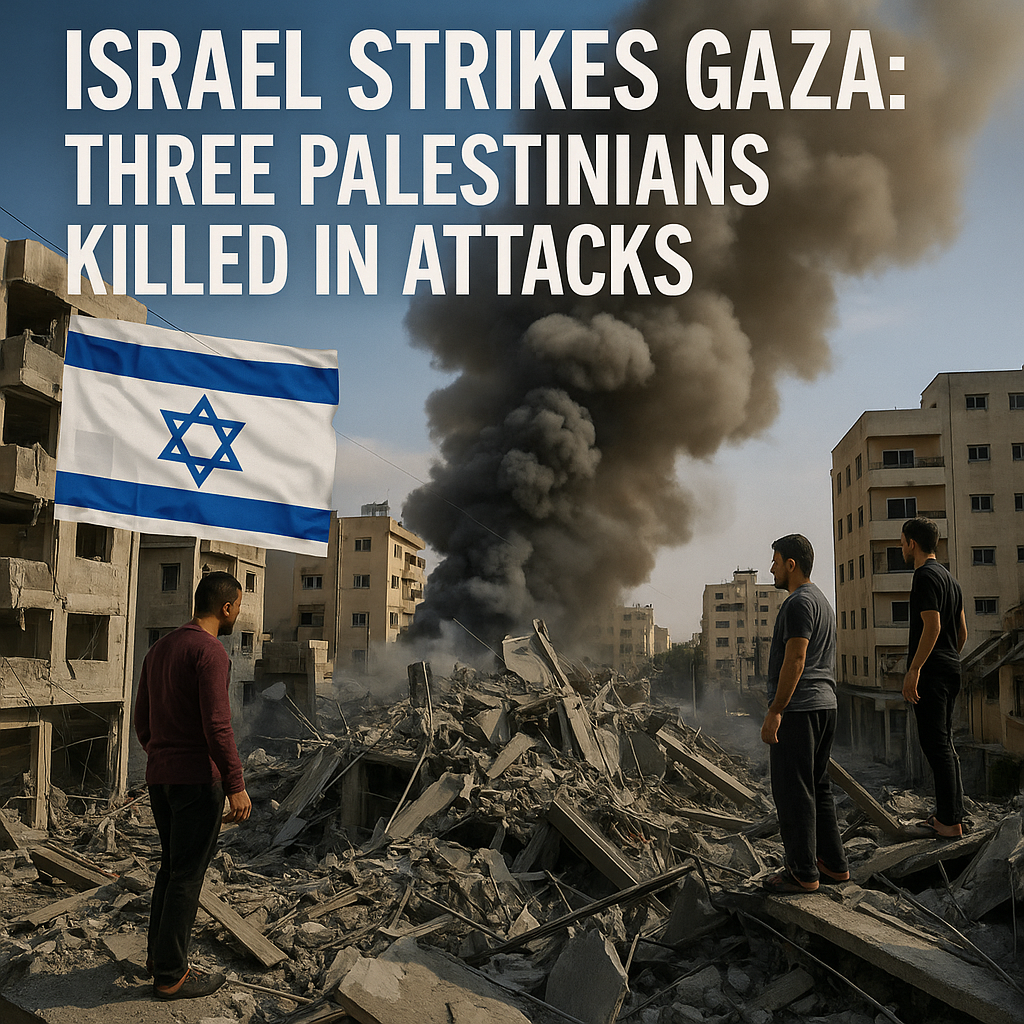
Tensions soar as recent Israeli airstrikes claim the lives of three Palestinians, reigniting the age-old conflict and reminding us of the human cost behind each escalating incident. Dive into the complex narratives that shape this ongoing struggle for peace amidst turmoil.
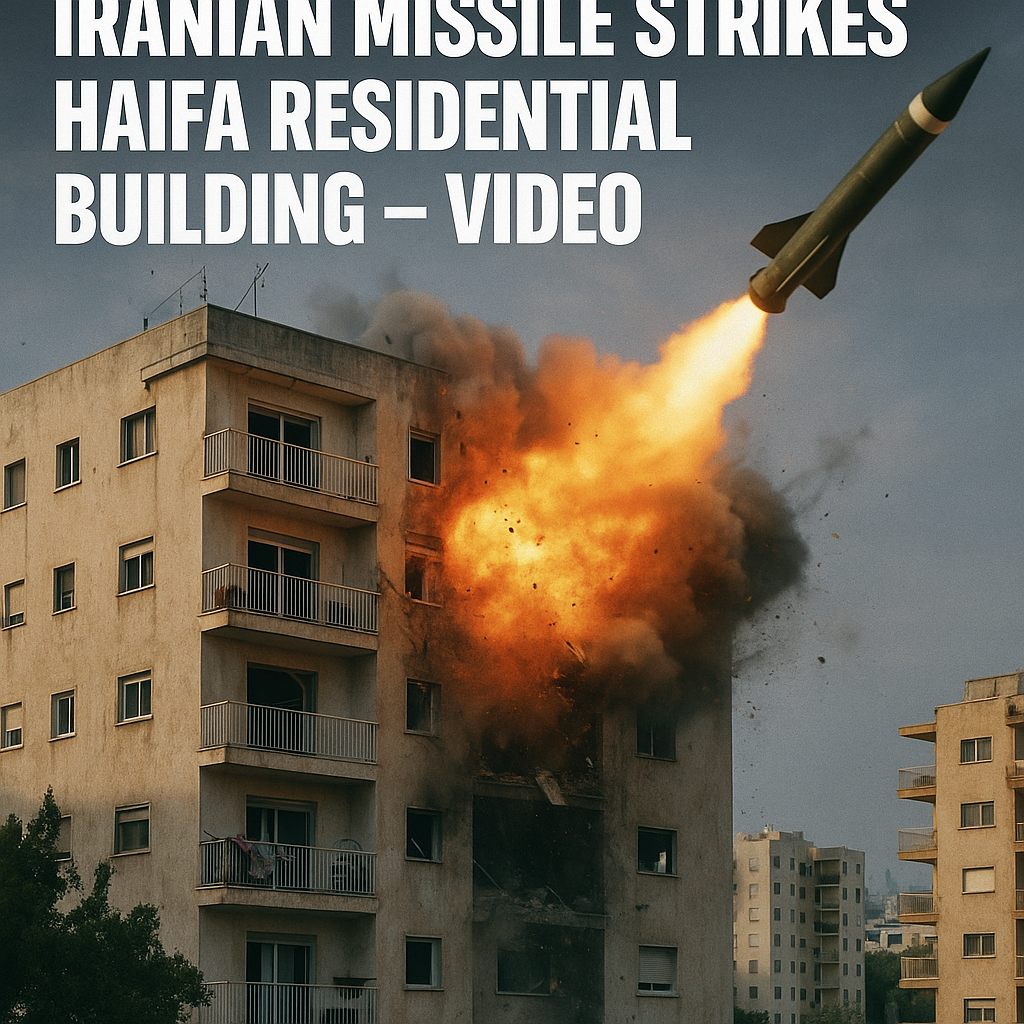
In a shocking escalation, a missile strike launched from Iran has hit a residential building in Haifa, Israel, leaving eyewitnesses grappling with chaos as emergency teams rush to the scene. With video footage circulating globally, this incident raises urgent questions about the fragile dynamics of Middle Eastern geopolitics and the looming threat of further conflict.
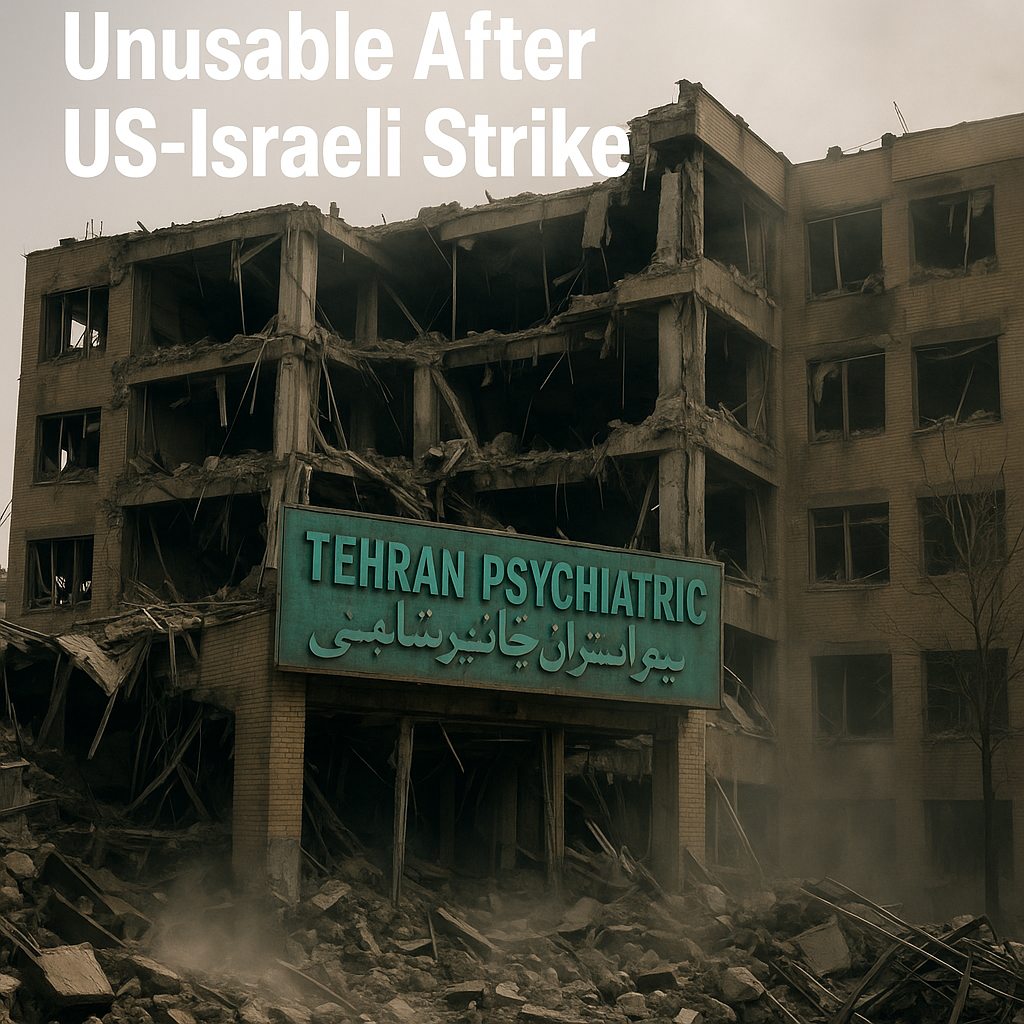
In the wake of a devastating US-Israeli strike, Tehrans essential psychiatric hospital has been rendered unusable, leaving countless patients in dire need of care without a vital lifeline. This tragedy not only disrupts mental health services in an already struggling system but raises urgent questions about the impact of military actions on civilian welfare.
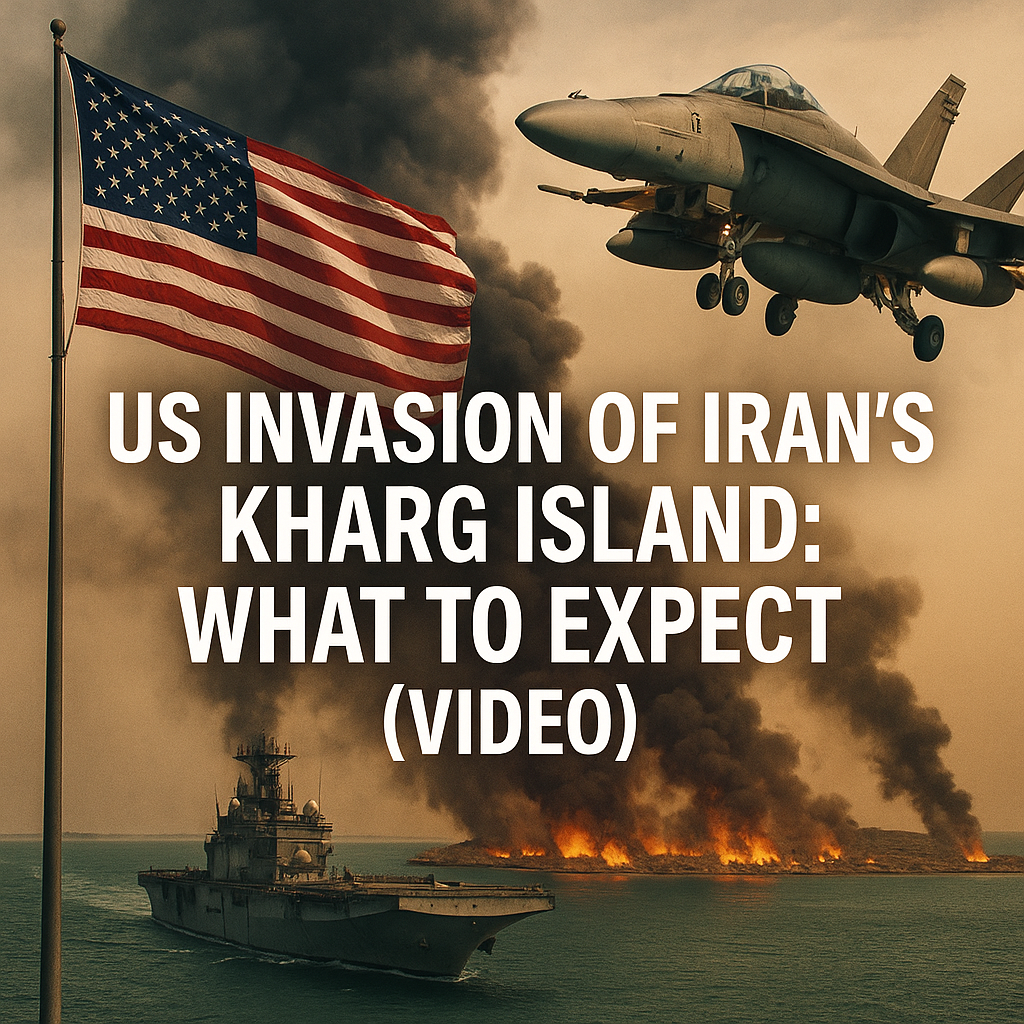
As tensions escalate in the Middle East, the potential US invasion of Irans strategically vital Kharg Island could reshape the entire geopolitical landscape—discover what experts are saying and what the stakes really are!
Former President Trump claims that some Middle Eastern allies are ready to stand against Hamas, hinting at shifting alliances in an already complex landscape. But while the rhetoric heats up, the reality of military involvement may be more nuanced than it appears.
Trumps bold vow to eradicate Hamas is sparking vital conversations about U.S. foreign policy and its far-reaching effects in the Middle East—are decisive actions the key to stability, or could they fuel further conflict? Dive into the differing perspectives that make this an urgent topic today!