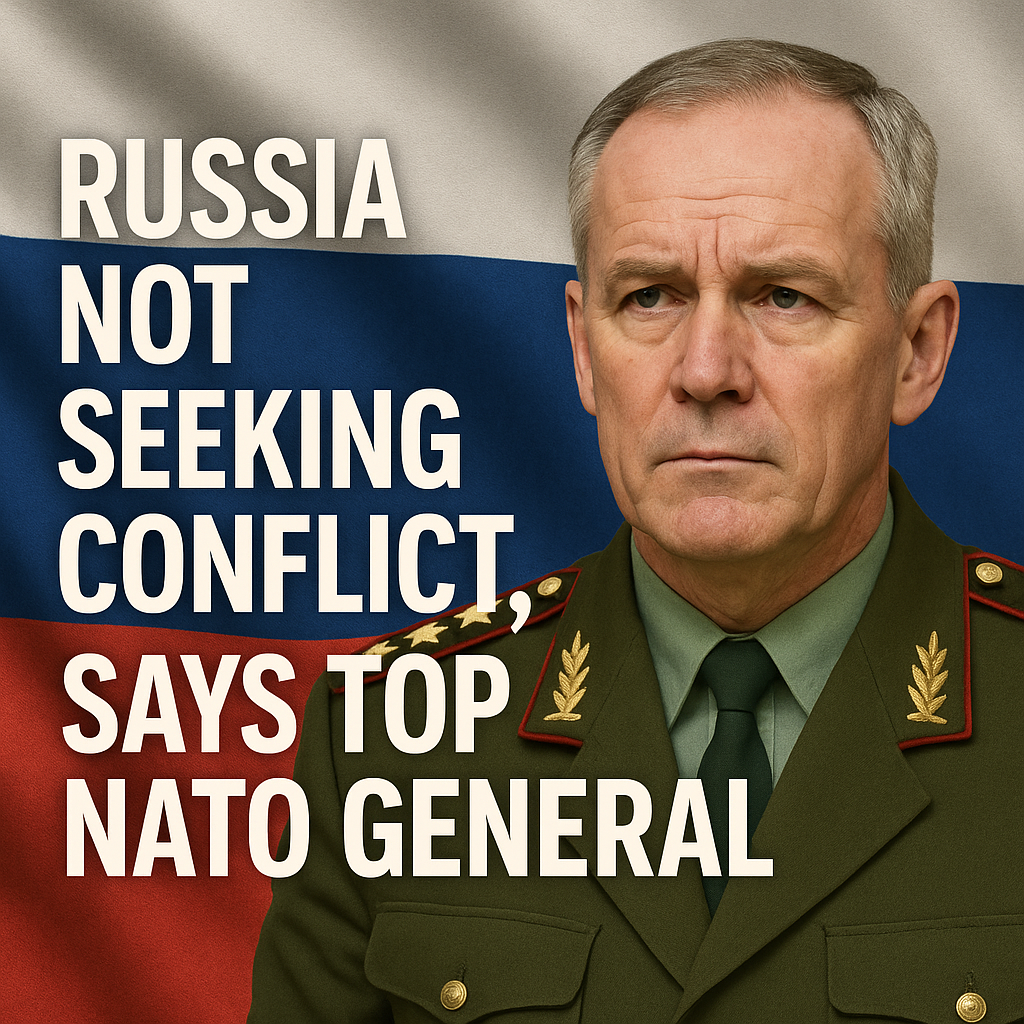
NATO tensions are heating up as a Latvian official calls out the Baltic states for their irresponsible threats towards Russia, sparking crucial debates about safety and strategy in the region. As military readiness escalates, the balance between deterrence and provocation has never been more vital.
Romania stands at a crucial crossroads as EU and NATO strategies intensify in response to the Russia-Ukraine conflict. With increasing military presence and fervent debates about regional security, the stakes have never been higher—will this be a beacon of deterrence or a catalyst for further turmoil?
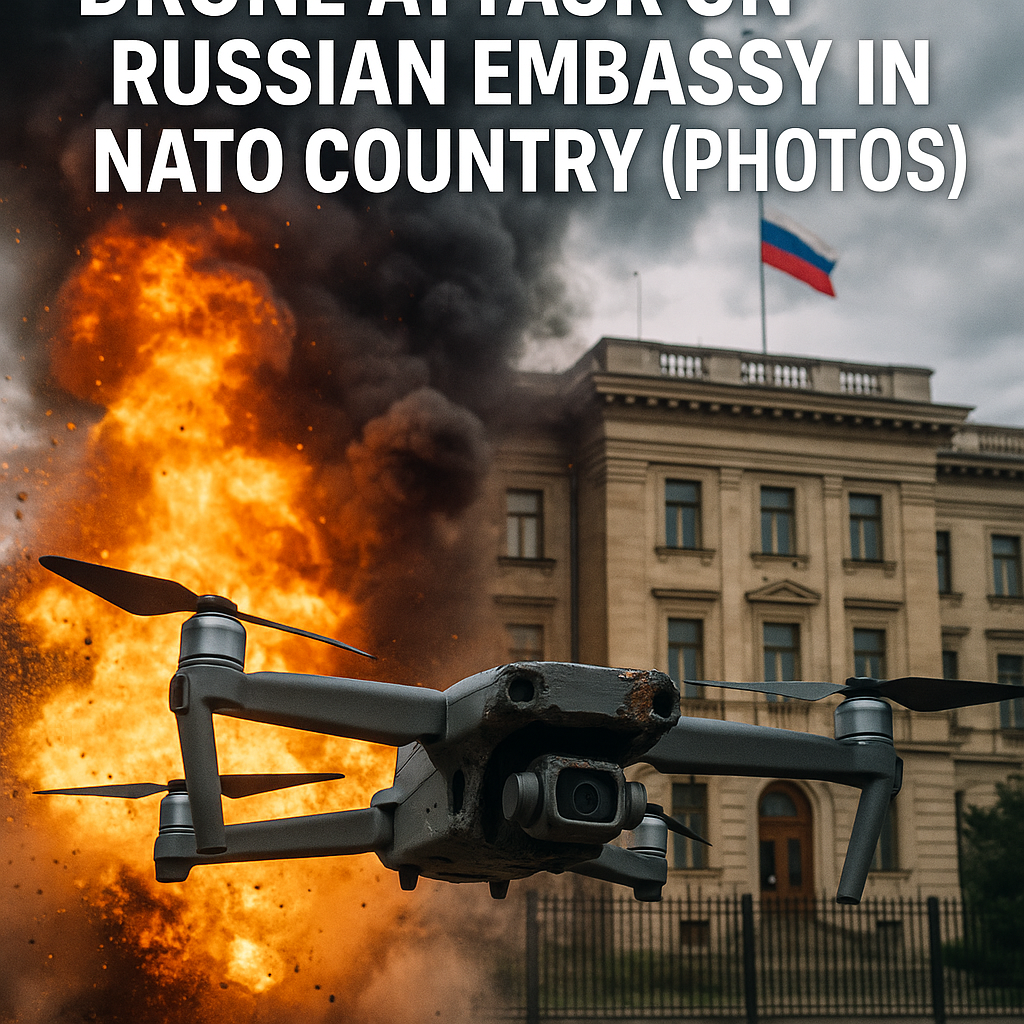
Romania has taken a bold stand by expelling a Russian consul in response to a provocative drone strike on its territory, emphasizing its commitment to national sovereignty and security. This decisive action not only highlights the escalating tensions in the region but also signals Romanias determination to protect its borders amid ongoing geopolitical strife.
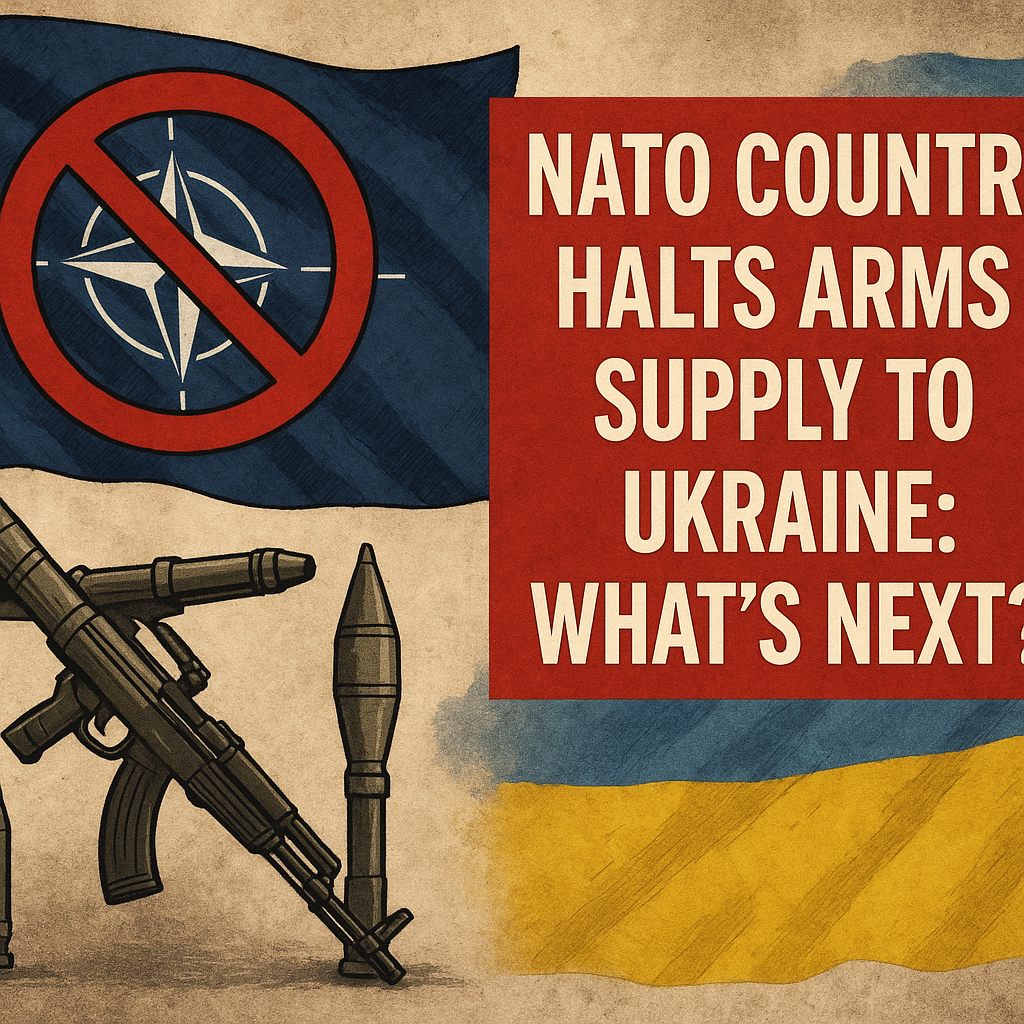
Hungarys new Prime Minister, Katalin Novák, is making headlines by firmly stating no to sending weapons to Ukraine, reflecting a careful balancing act between national interests and the complex web of regional alliances. This bold decision aligns with many Hungarians’ cautious sentiment, prioritizing safety and stability over military involvement in a conflict that feels distant from their doorstep.
As tensions rise, EU nations like Belgium and France are stepping up, summoning Russian envoys to send a united message: aggression won’t be tolerated. With diverse strategies in play, Europe stands firm in its commitment to support Ukraine and ensure lasting stability.
Discover how Ukraine is leveraging tactical advantages on the battlefield amidst a shifting conflict landscape, propelled by robust international support and innovative military strategies. Dive into the dynamics of resilience and power that are shaping the future of this ongoing struggle!
In a bold diplomatic move, Croatias president has declined the accreditation of Israel’s new ambassador, igniting a conversation about NATOs unity and the shifting views on the Israeli-Palestinian conflict. What does this mean for international relations? Dive in to explore the potential ripple effects!
Join us as Spanish Foreign Minister José Manuel Albares navigates the rocky waters of U.S. foreign policy, addressing the growing rifts with the Trump administration—particularly on NATO commitments and climate change—while advocating for a more collaborative and diplomatic approach.
“Is America’s isolationism leaving Europe in a bind? Former ECB chief Mario Draghi dives into the fraught consequences of Trump’s policies, spotlighting how they’re reshaping global alliances and Europe’s economic landscape.”
NATOs ambitious proposal for a Ukraine Tax is sparking lively debates among member nations about how best to support Ukraine in its struggle, revealing both the urgency of the situation and the potential economic challenges ahead. As leaders grapple with the implications, this bold initiative could redefine how countries contribute to collective security in a pivotal moment for European stability.