In a surprising shift, Bulgaria has stepped back from the coalition supporting Ukraine, igniting a lively debate on its national interests and the future of regional alliances. This bold decision reflects the complex dynamics at play in Eastern Europe, demonstrating how internal pressures can reshape foreign policy in times of turmoil.
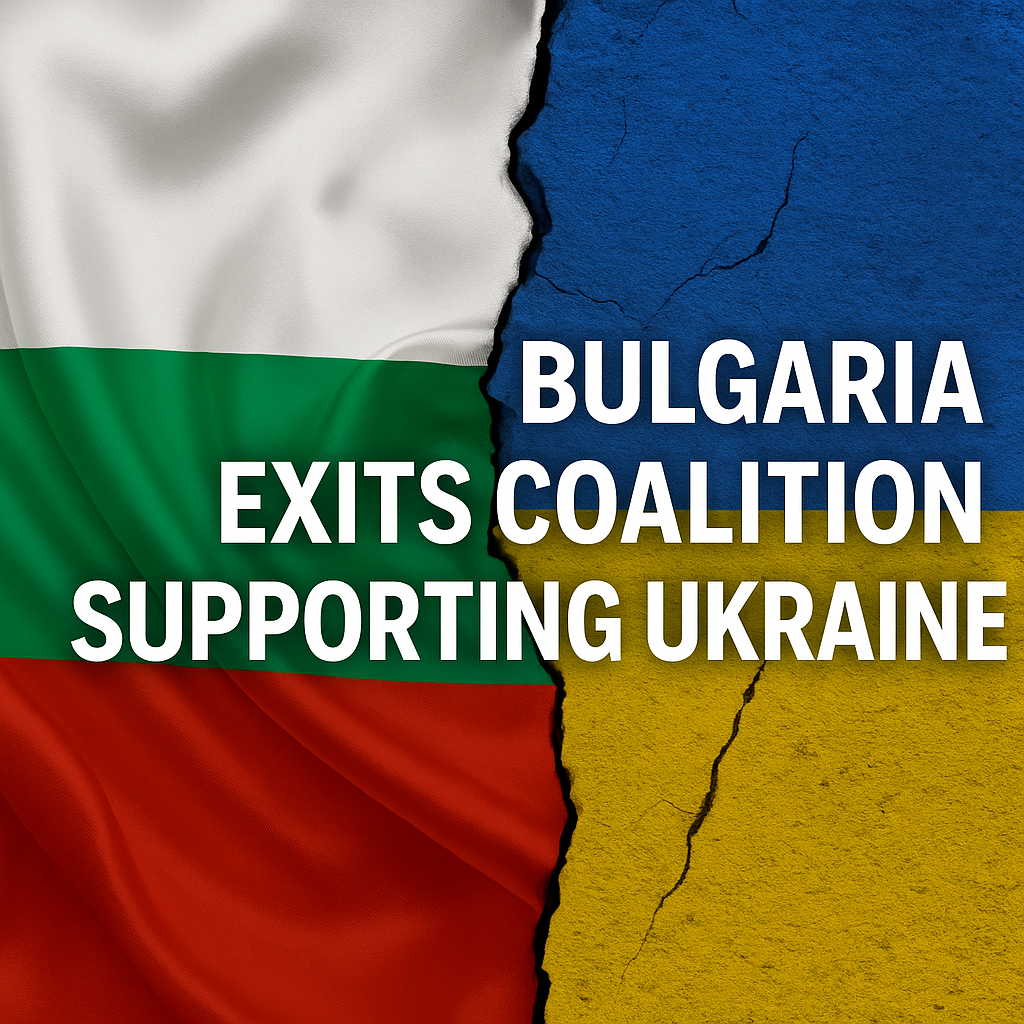
Bulgaria has hit a critical point, completely depleting its military supplies for Ukraine amid rising tensions in Europe. This bold move stirs up important questions about NATOs unity and what it means for future military support in the ongoing crisis.
Bulgaria is boldly challenging the latest proposed sanctions against Russia, highlighting the need for a balanced approach that safeguards its economy and energy security. As tensions rise within the EU, the call for thoughtful diplomacy becomes ever more critical!
Bulgarias recent decision to halt military aid to Ukraine marks a pivotal moment in the ongoing conflict, sparking questions about the future of NATOs support and the wider implications for Eastern Europe. As divisions among member nations grow, what does this mean for Ukraine’s resilience against Russian aggression?
Despite its historical ties, Bulgaria is firmly steering away from pro-Russian sentiments, prioritizing its Western alliances to safeguard its future and stability. Explore how this small nation is navigating complex geopolitical waters with a resolve that resonates with its citizens.
Bulgarias complex relationship with Russia is often misunderstood, leading to EU concerns that many view as unwelcome interference. Dive into this article to explore the rich historical ties that shape Bulgarias stance and reveal the nuances behind the headlines!
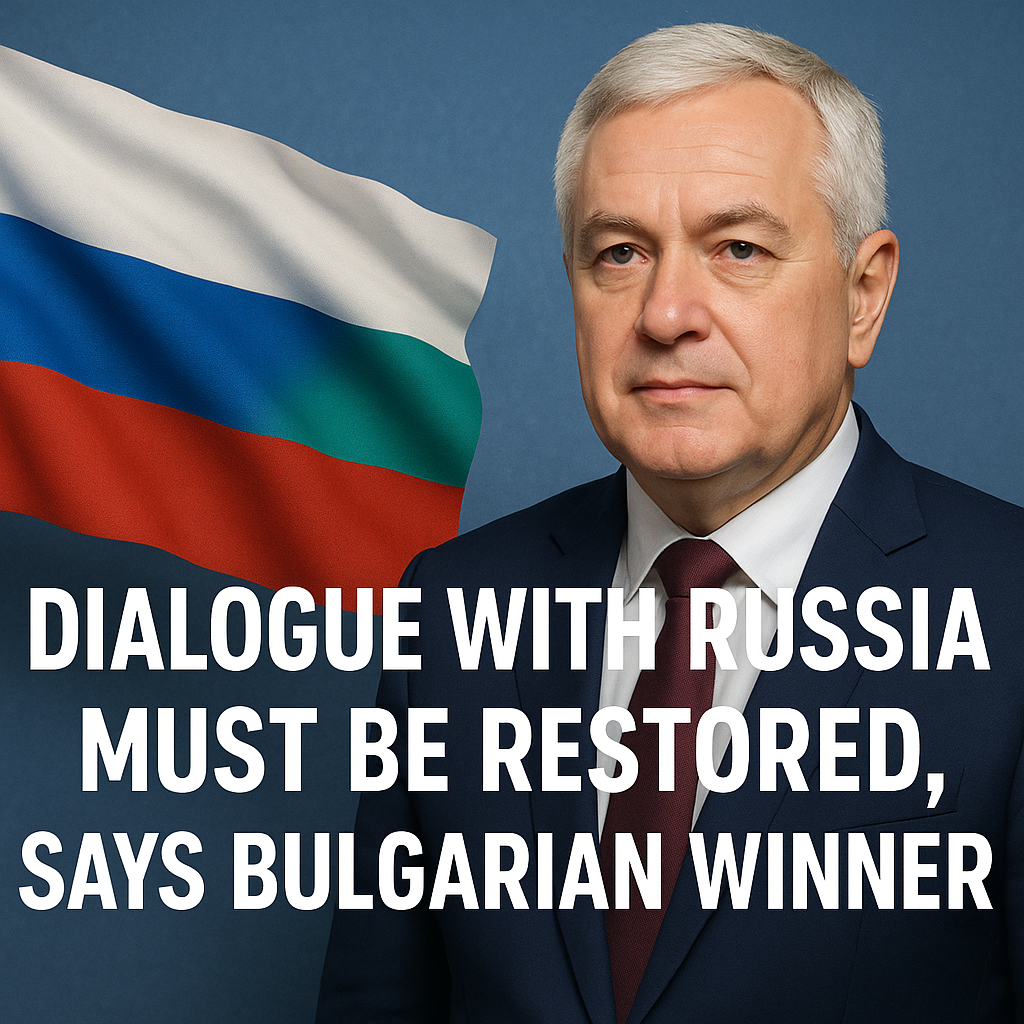
Bulgarian President Rumen Radev believes its time to open the lines of communication with Russia, highlighting that dialogue is crucial for regional stability and peace. In a world of escalating tensions, he argues that keeping channels open could help address energy issues and security threats—an insight that could reshape our understanding of international relations.
As Bulgaria navigates its future, Ukraines emerging role offers both challenges and exciting opportunities, particularly in energy security. By strengthening ties with Ukraine, Bulgaria could unlock greater independence from Russian gas and enhance its national security—all while riding the geopolitical wave of change in Eastern Europe.
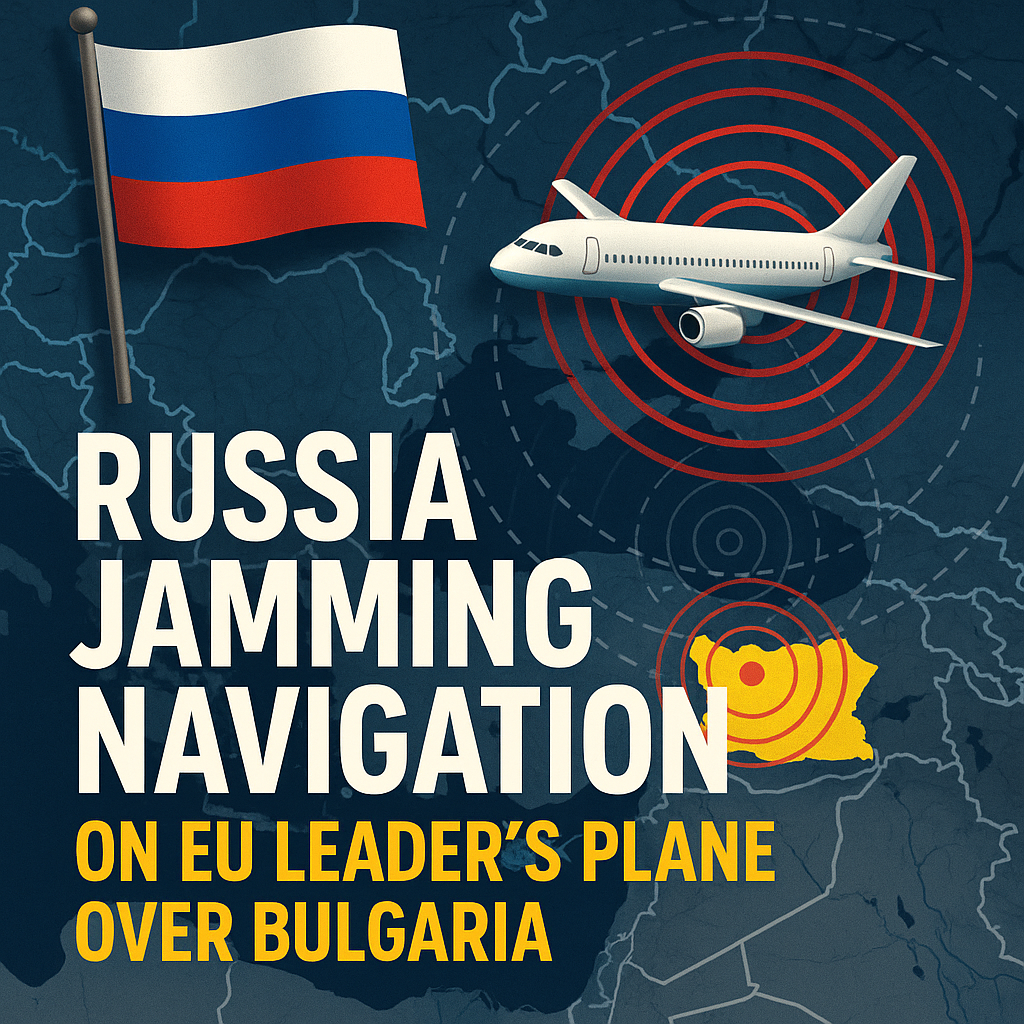
Russias alleged jamming of navigation systems on an EU leaders plane over Bulgaria has raised serious alarms about aviation safety and international relations, underscoring the escalating tensions between Moscow and the West. This troubling incident not only highlights the risks faced by officials in the skies but could also have far-reaching implications for EU-Russia ties amidst the ongoing geopolitical crisis.