In a bold move that could reshape Middle Eastern relations, the UAE is unlocking billions of frozen Iranian funds, coinciding with US efforts for a ceasefire. This unexpected decision may pave the way for renewed dialogue and a more stable regional future!
Could the latest Iran war deal finally bring the peace weve all been hoping for? As negotiations spark a mix of optimism and skepticism, the stakes are high—will this be the turning point for stability in the region, or just another missed opportunity?
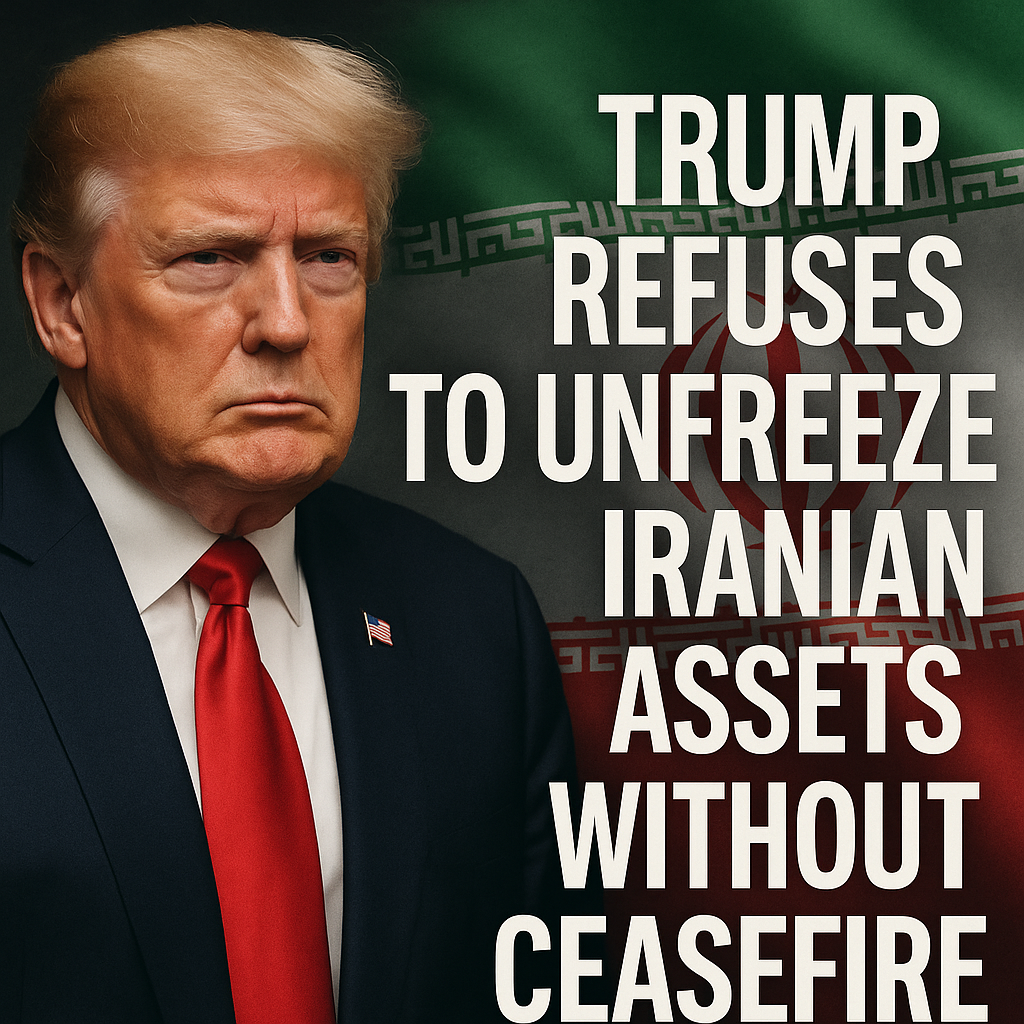
In a bold move that could reshape U.S.-Iran relations, former President Donald Trump insists that he wont unfreeze Iranian assets without a ceasefire. This stance underscores the complex web of diplomacy as both sides weigh the stakes in the volatile Middle East.
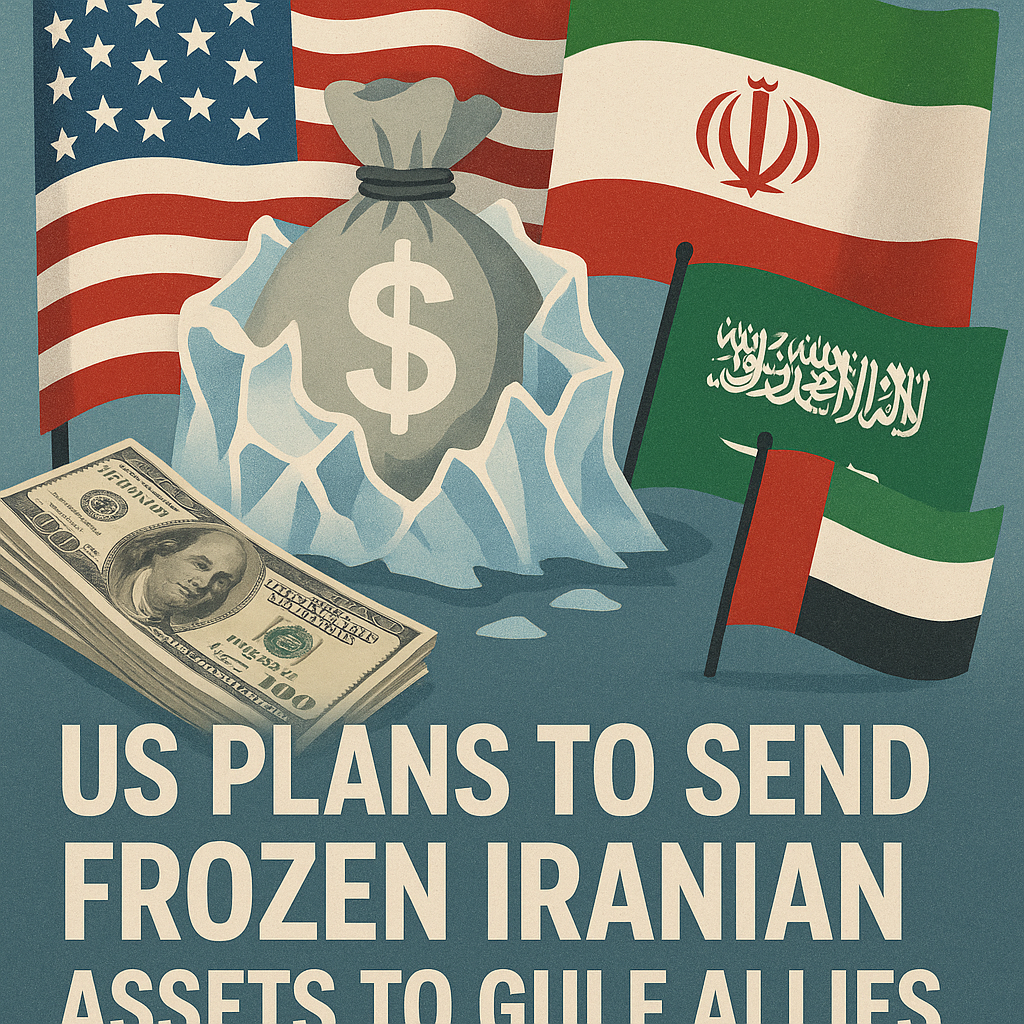
The U.S. is gearing up to send frozen Iranian assets to Gulf allies, a move that could reshape international alliances and raise eyebrows in diplomatic circles. As tensions with Iran persist, this bold decision aims to bolster regional economies while navigating a complex web of geopolitical ramifications.
In a promising turn of events, the U.S. and Iran have tentatively agreed to extend their truce for another 60 days, opening the door for potential dialogue and a glimmer of hope for regional stability. While challenges remain, this cautious step could be the key to easing tensions and fostering communication in a complex geopolitical landscape.
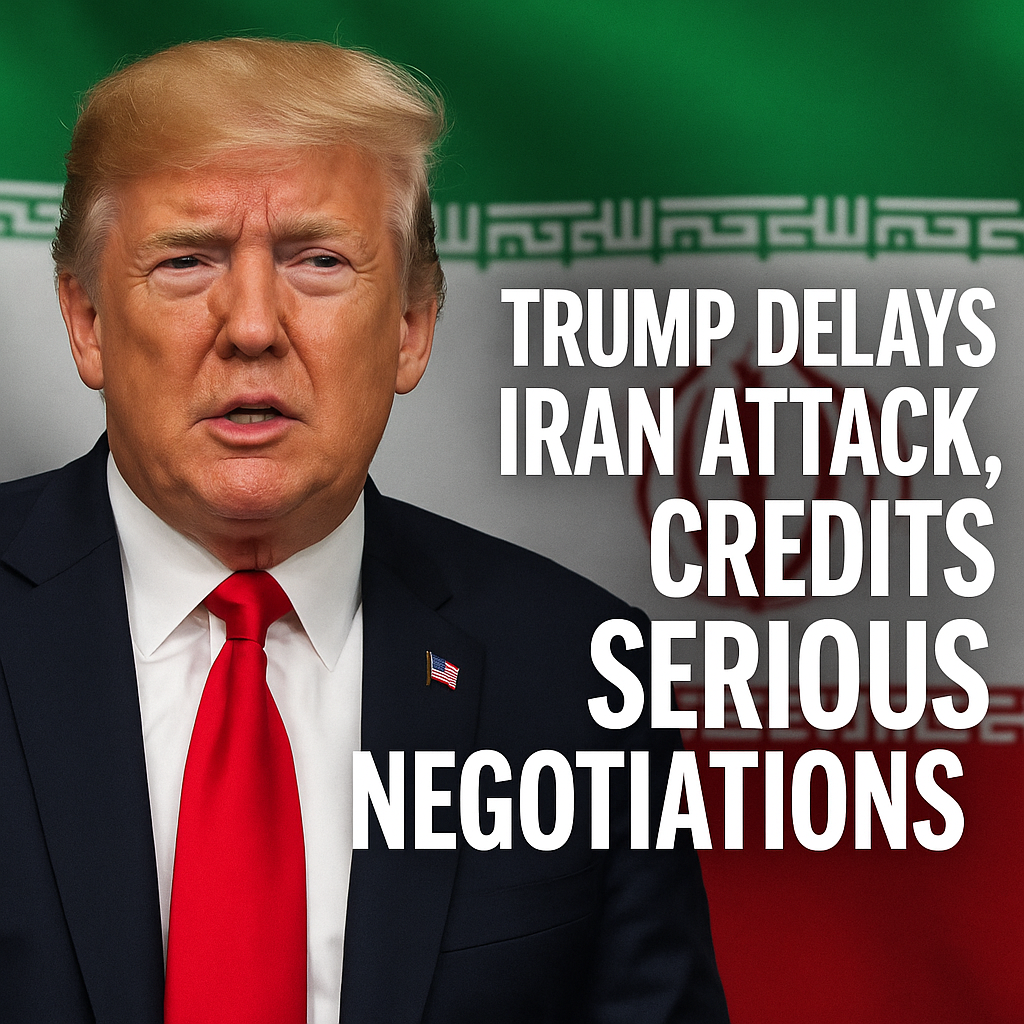
Former President Trump has pushed back potential military action against Iran, highlighting that serious negotiations are paving the way for a shift from conflict to diplomacy—could this be the turning point weve been waiting for?
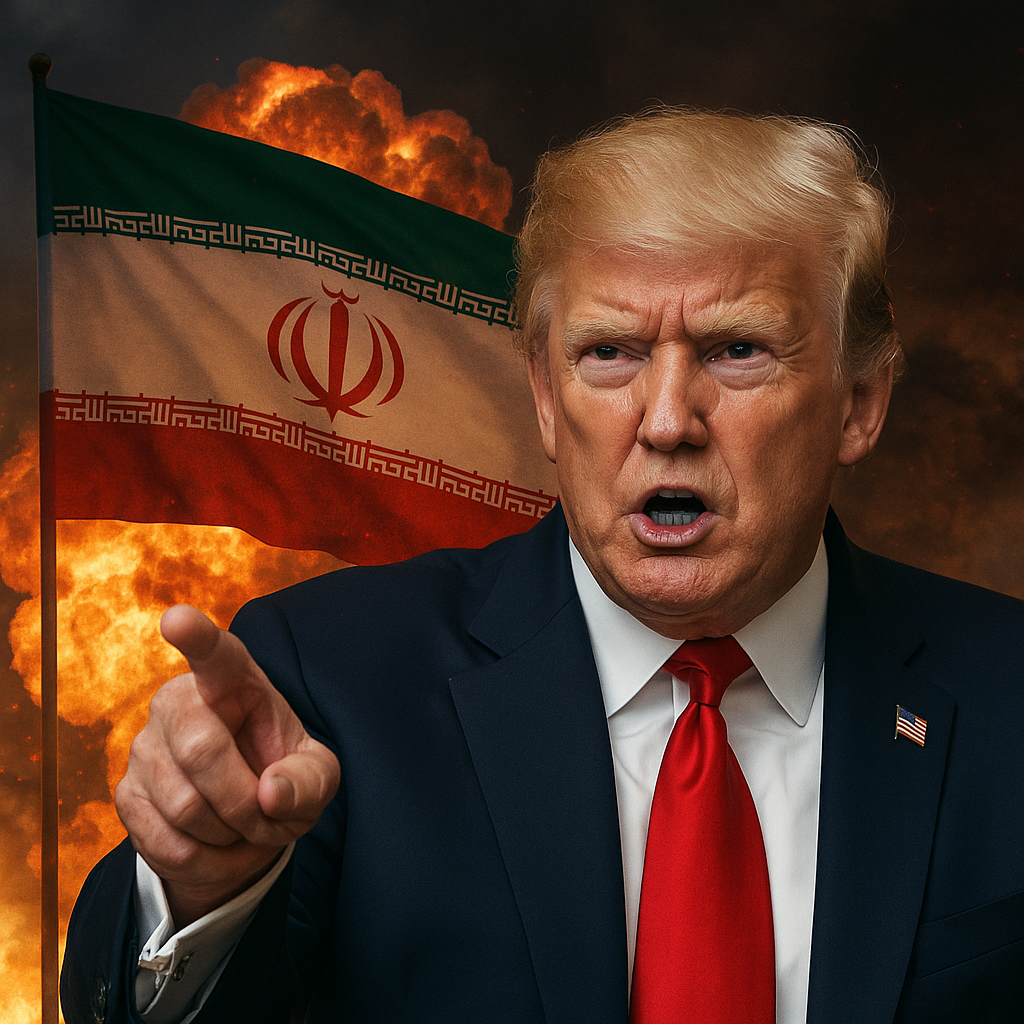
In a bold and provocative declaration, former President Trump warns Iran that if diplomatic talks falter, there could be nothing left of the nation—a stark reminder of the high stakes in the ongoing nuclear negotiations. As tensions rise, what does this hardened rhetoric mean for the future of Middle Eastern stability?
Former President Trump claims that efforts to remove Irans uranium stockpile are merely a PR tactic, adding fuel to the fire of an already heated debate on global security and diplomacy in the Middle East—how much is truly at stake?
In a bold move, Iran has decisively rejected the USs demand for a letter of surrender, highlighting the escalating tensions and showcasing its unwavering commitment to sovereignty amid complex geopolitical dynamics. As the standoff deepens, will this push Iran closer to strategic alliances with Russia and China?
As talks with Iran hit a dead end, former President Trump is weighing airstrikes, ramping up tensions in the Middle East and raising urgent questions about U.S. foreign policy. Could military action reignite a cycle of conflict, or will it finally assert the pressure needed for change?