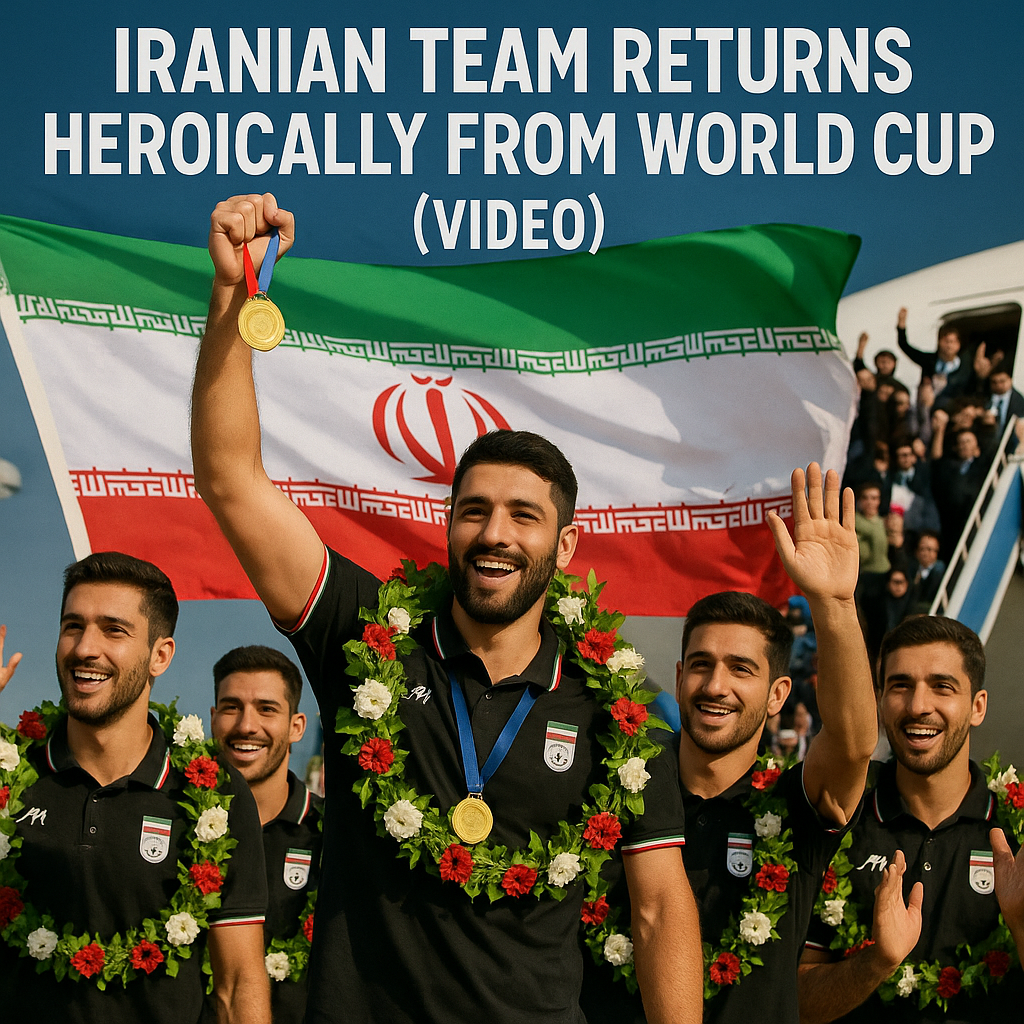
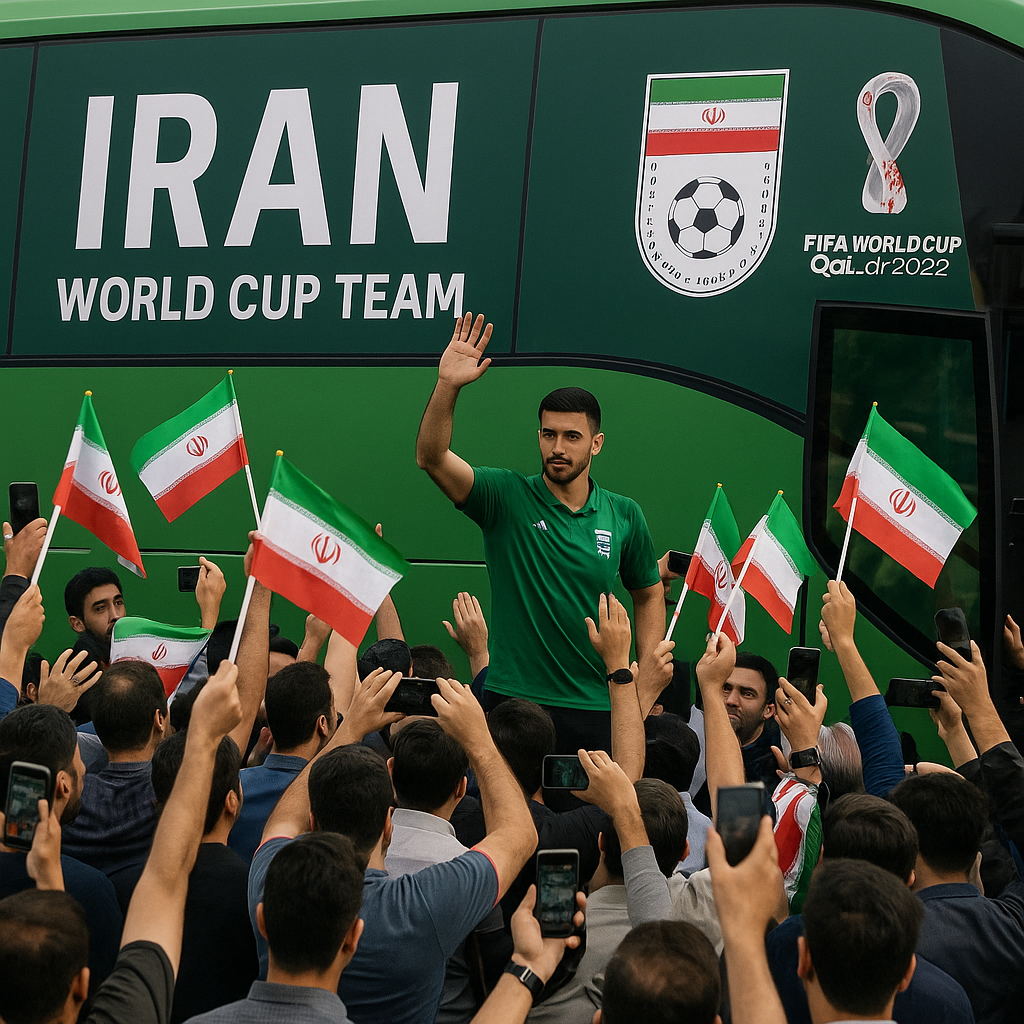
The Iranian national football team has returned home, not just as athletes but as symbols of resilience and hope, igniting a wave of pride and conversation about identity and change. Their emotional homecoming was met with roaring fans, celebrating a journey that transcended the pitch and echoed the dreams of a nation.
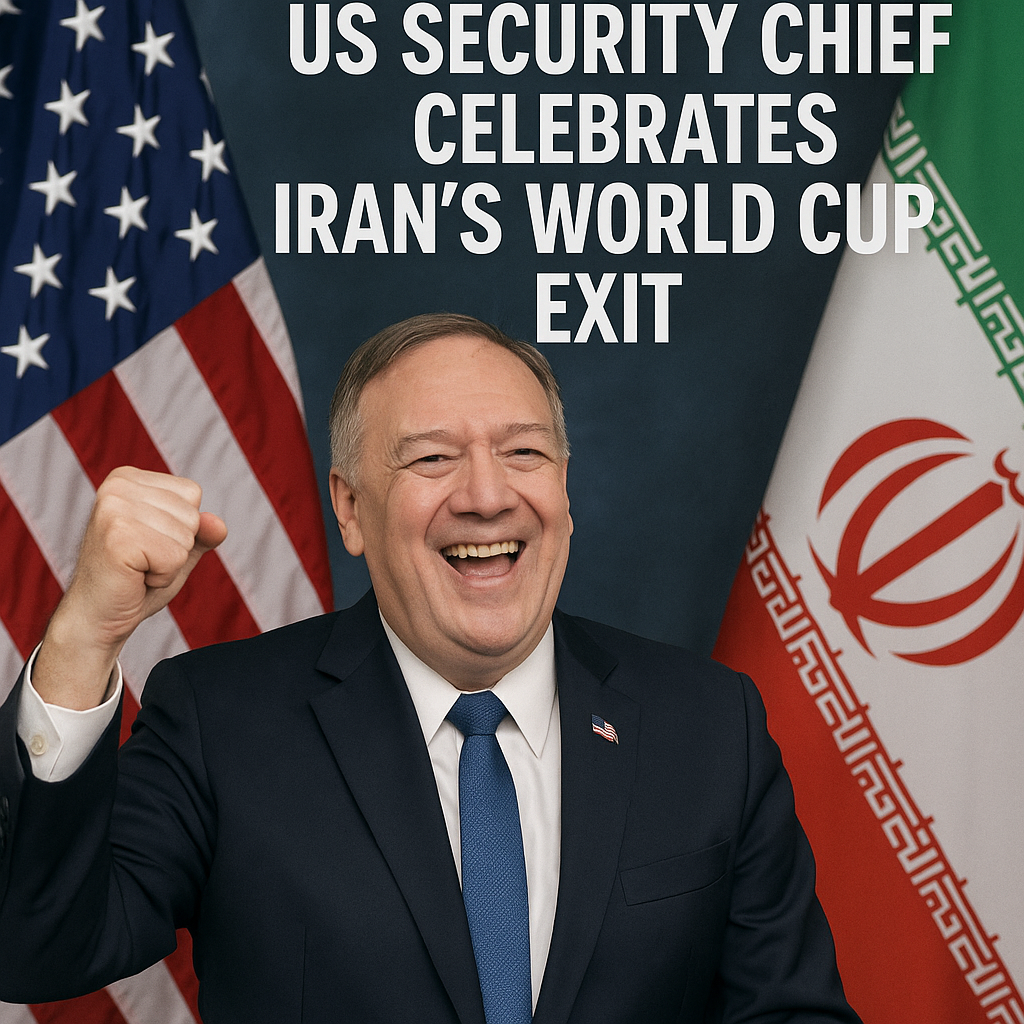
In a surprising twist of events, U.S. Homeland Security Secretary Alejandro Mayorkas couldnt hide his delight over Irans World Cup exit, highlighting how sports and politics often collide in the global arena. His comments spark a lively debate about whether celebrating a rivals defeat enhances national pride or undermines the spirit of sportsmanship.
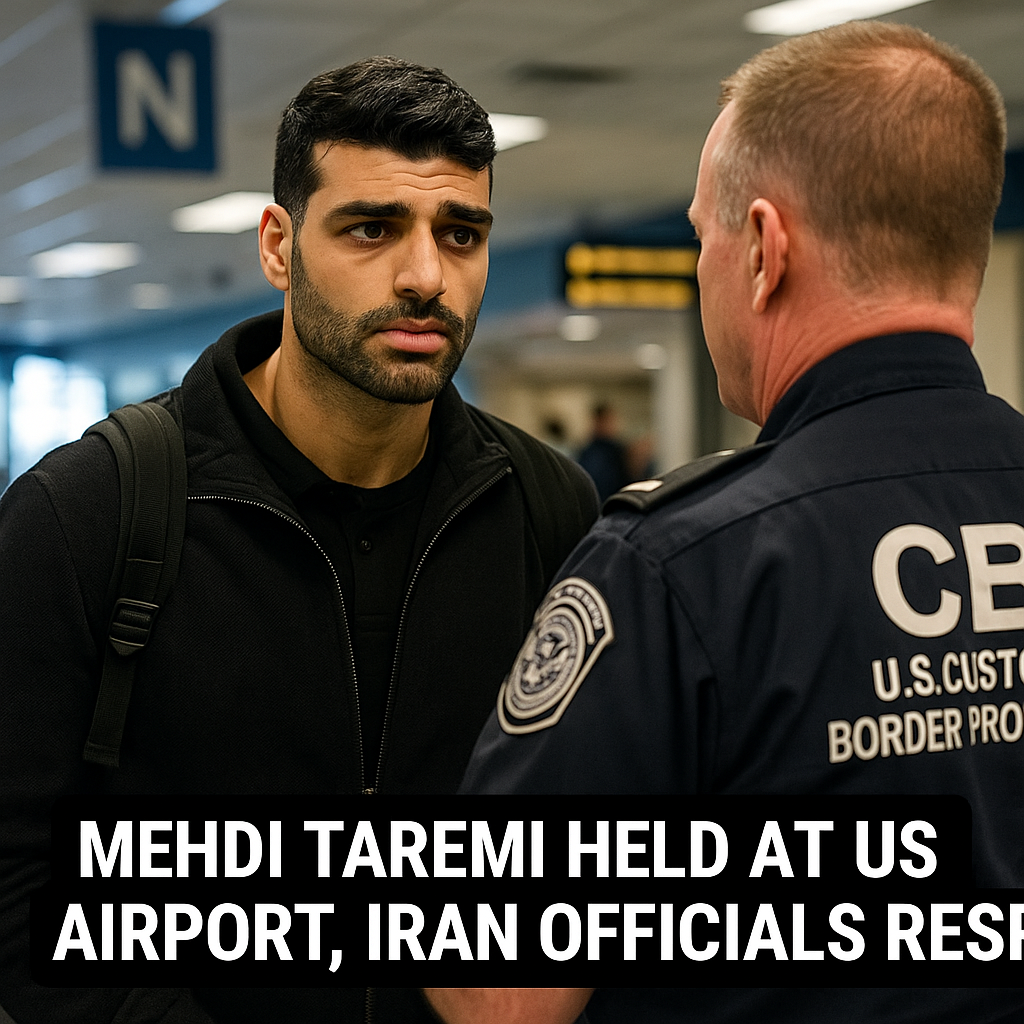
Mehdi Taremis recent detention at a US airport has ignited outrage from Iranian officials, shedding light on the tangled web of sports and politics that can impact international relations. As tensions rise, this incident not only affects the athlete personally but may also echo through diplomatic corridors.
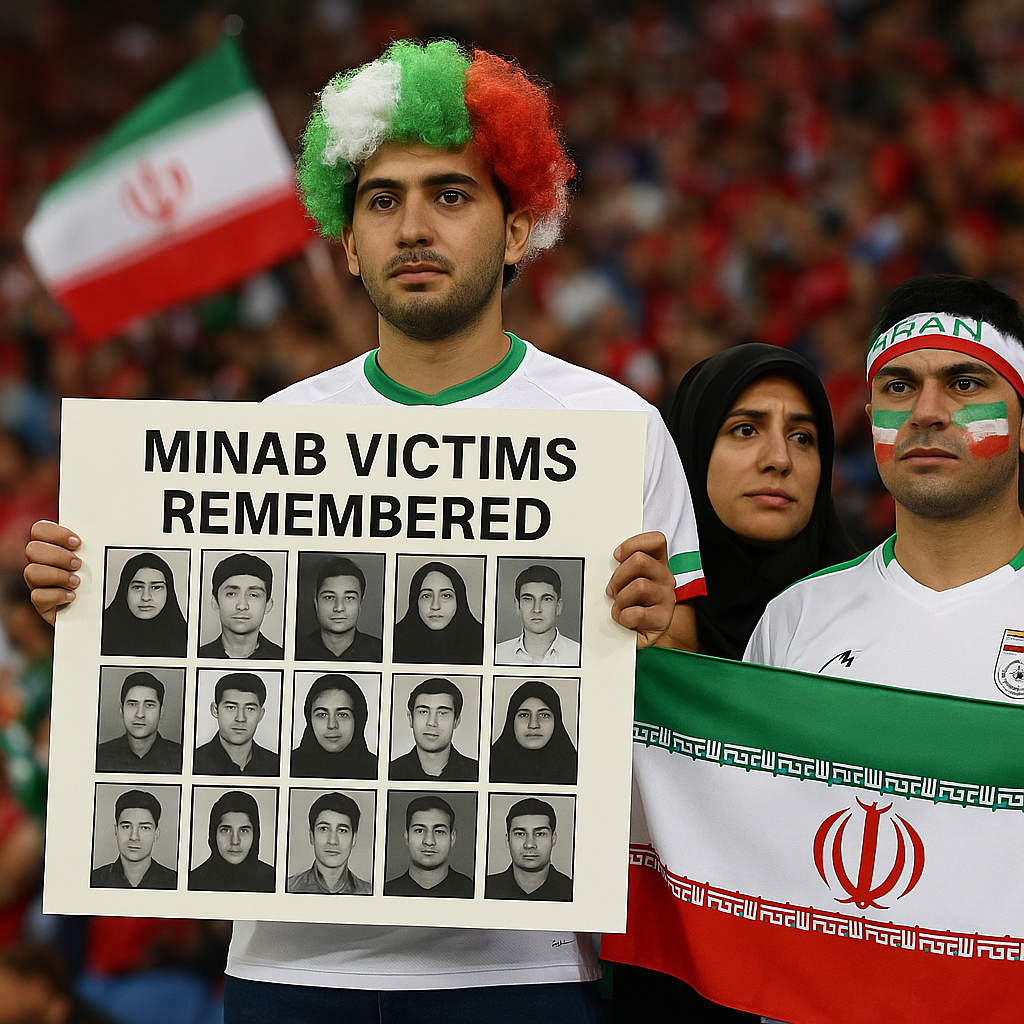
At the World Cup, Iranian fans didn’t just cheer for their team; they united in a heartfelt tribute to the Minab victims, turning the match into a powerful moment of remembrance and solidarity amidst their national struggles.
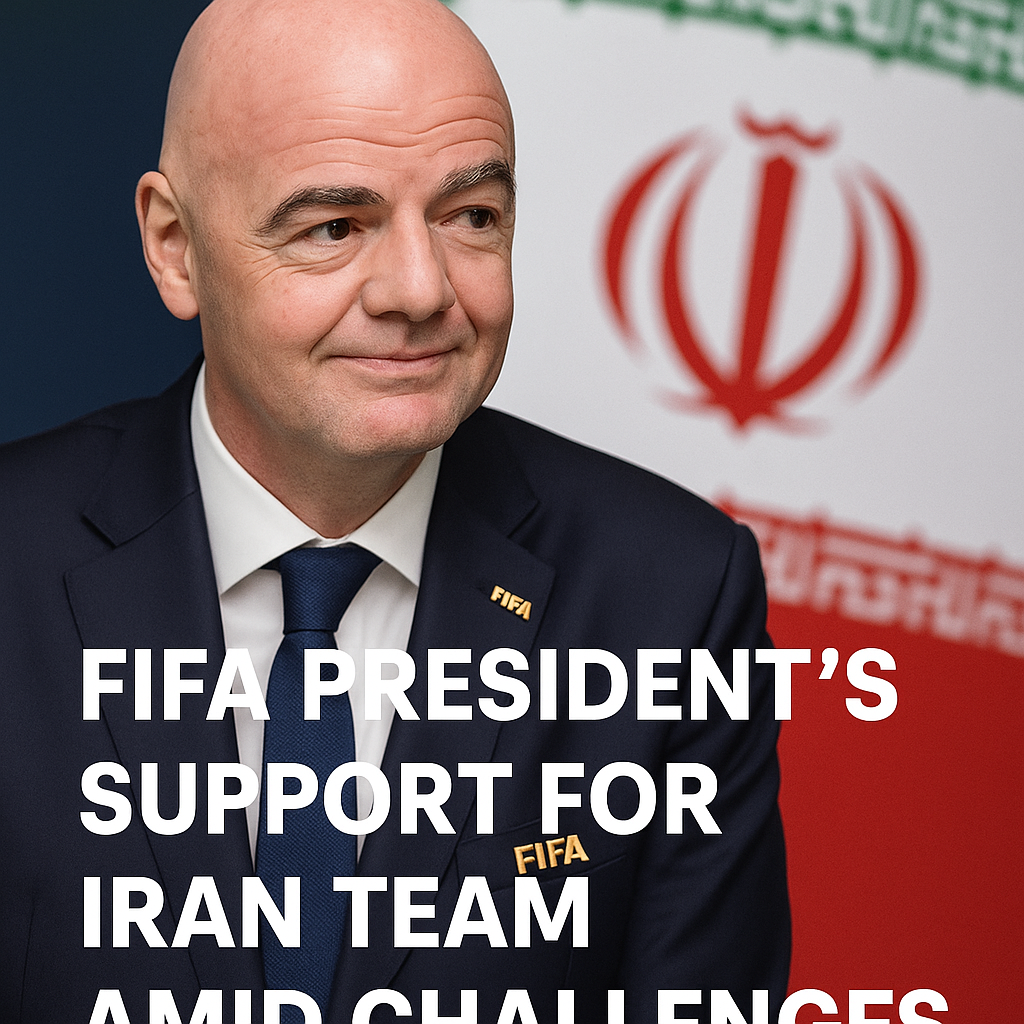
FIFA President Gianni Infantinos heartfelt support for Irans national football team shines a light on the team’s struggles amidst challenging socio-political conditions, proving that football can be a powerful bridge for dialogue and solidarity. His visit resonates deeply, reminding us all of the resilience of athletes in the face of adversity.
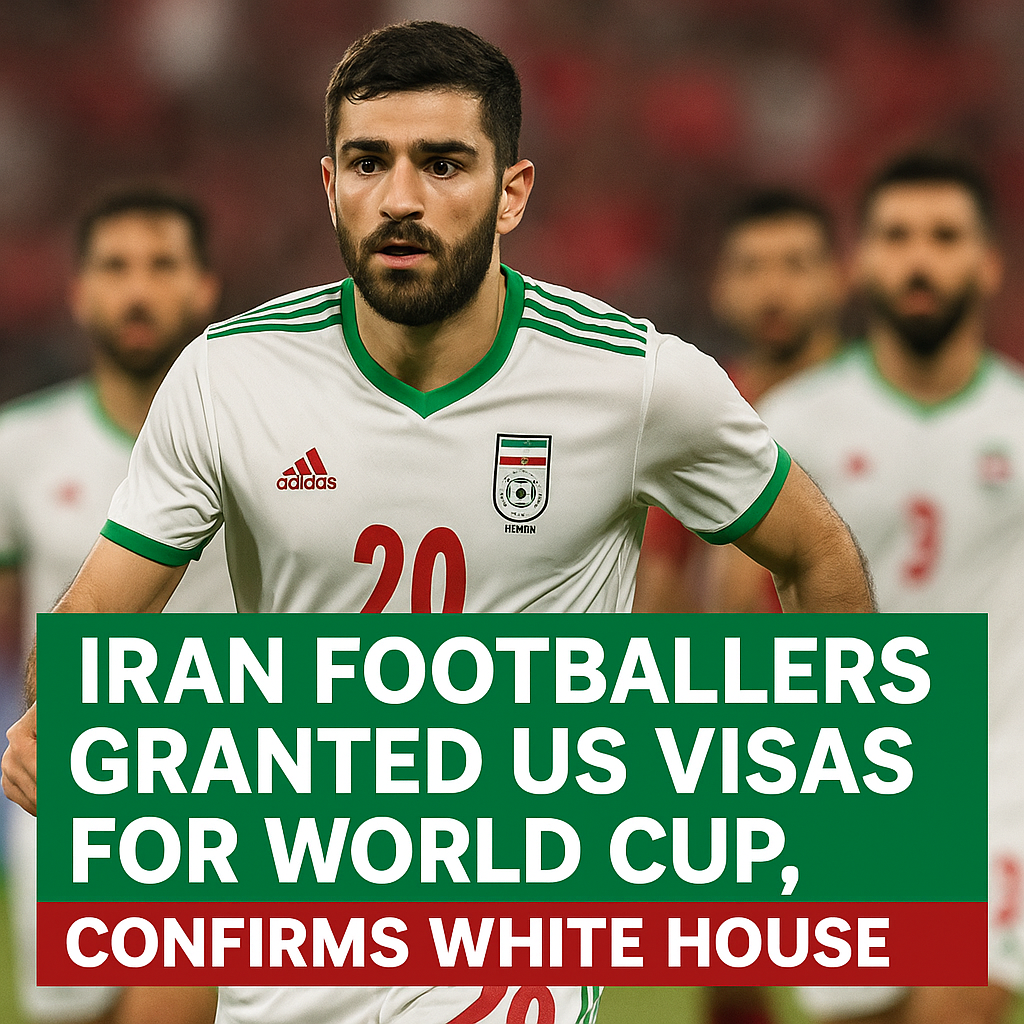
Exciting news! The White House has announced that Iranian footballers will receive U.S. visas to compete in the upcoming World Cup, sparking conversations about sports as a bridge across political divides. This is a golden chance for athletes to shine on the global stage and share their nations pride, even amid complexities in international relations.
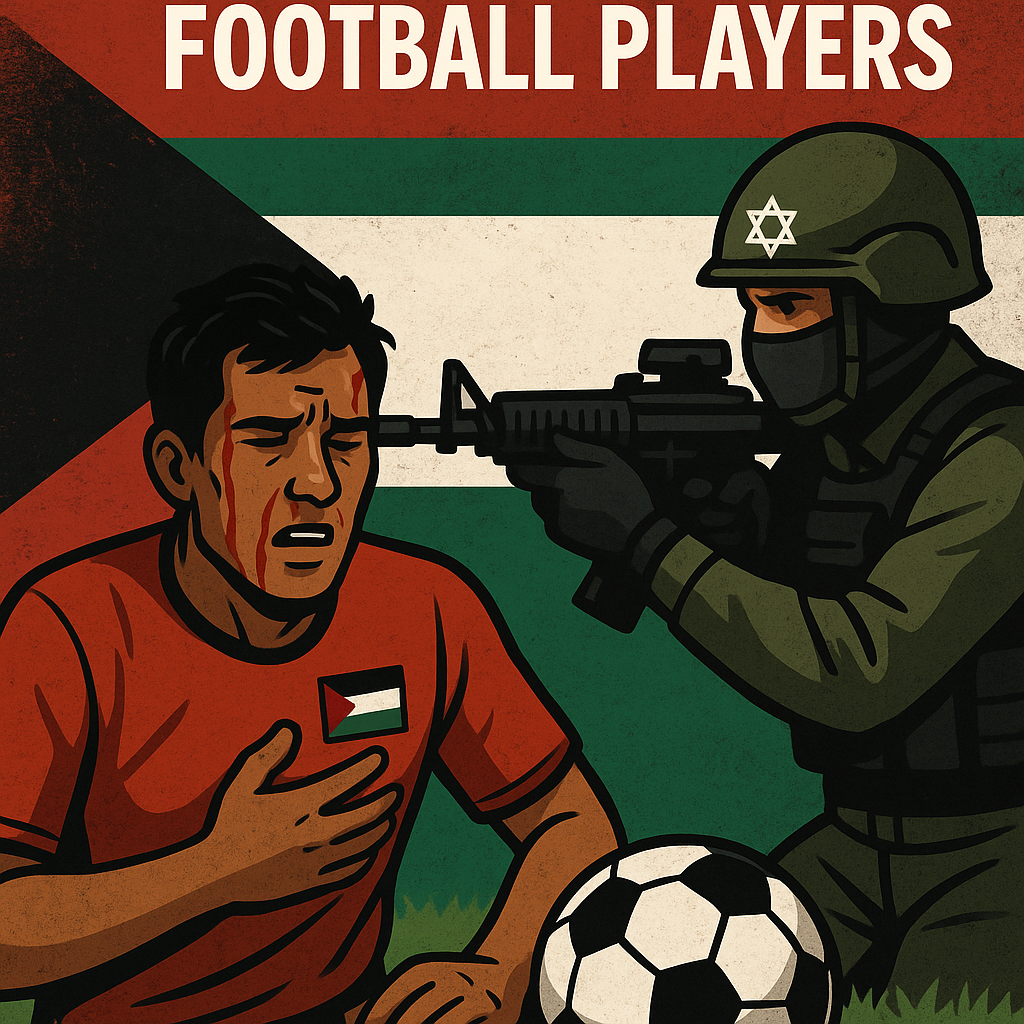
Palestine is raising alarms over claims that Israeli forces are deliberately targeting football players, igniting outrage and shining a spotlight on the crucial link between sports and identity in the region. As the community rallies against these actions, the world watches closely—will sports become a bridge or a battleground?
As the Iranian national football team gears up for the World Cup, passionate fans have flooded Tehran, waving flags and donning jerseys, uniting in joyous anticipation despite the countrys challenges. This spirited send-off is more than just about football—its a heartfelt expression of national pride and hope for a brighter future!
As the World Cup approaches, Irans football chief is urging a no insults guarantee aimed at protecting the Islamic Revolutionary Guard Corps, stirring up a complex debate about the intersection of sports, politics, and national identity in a region charged with tension. Join us as we dive into how this request reflects broader issues of human rights and freedom of expression on the global stage.
Palestinian Football Association President Jibril Rajoub made headlines at FIFA by rejecting an Israeli handshake, a bold statement that echoes the ongoing struggle for Palestinian rights and recognition in the world of sports. His powerful refusal has sparked diverse reactions globally, highlighting the complex intersection of sport and geopolitics.