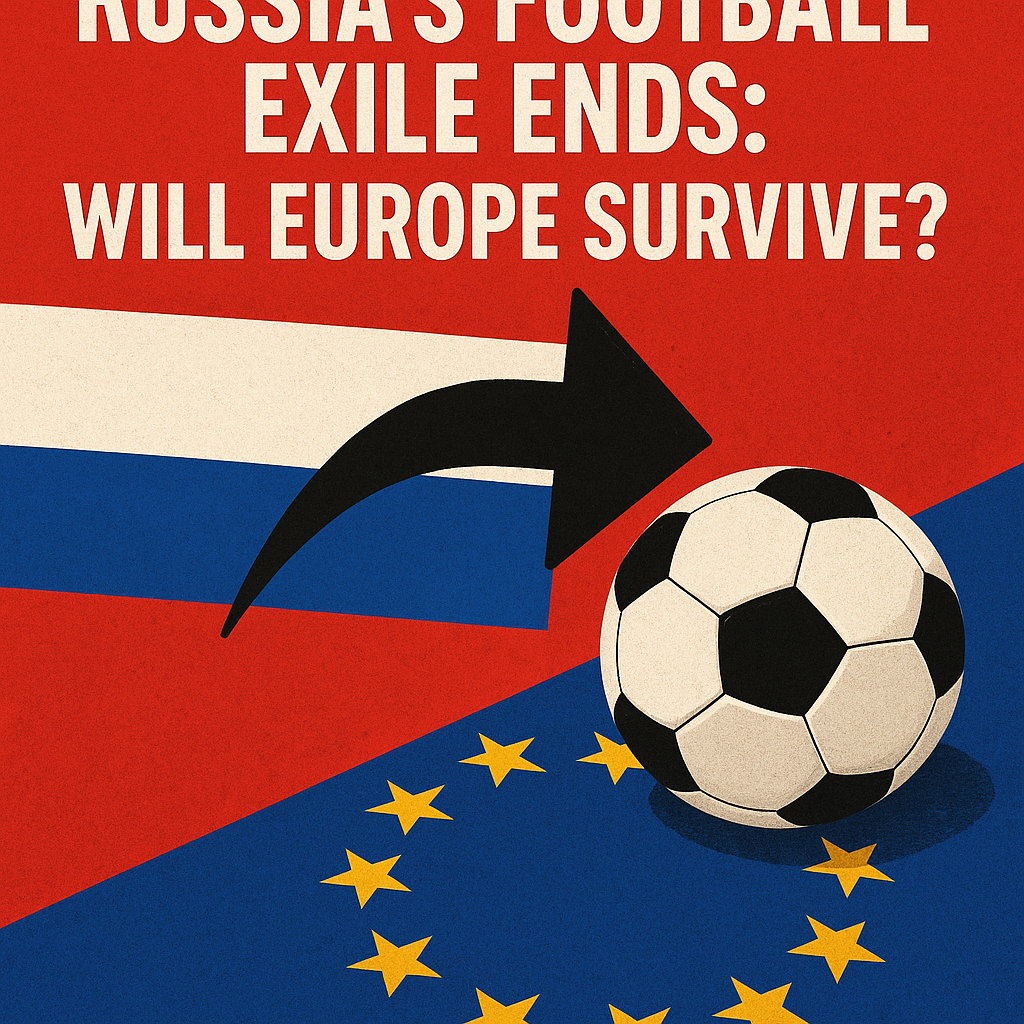
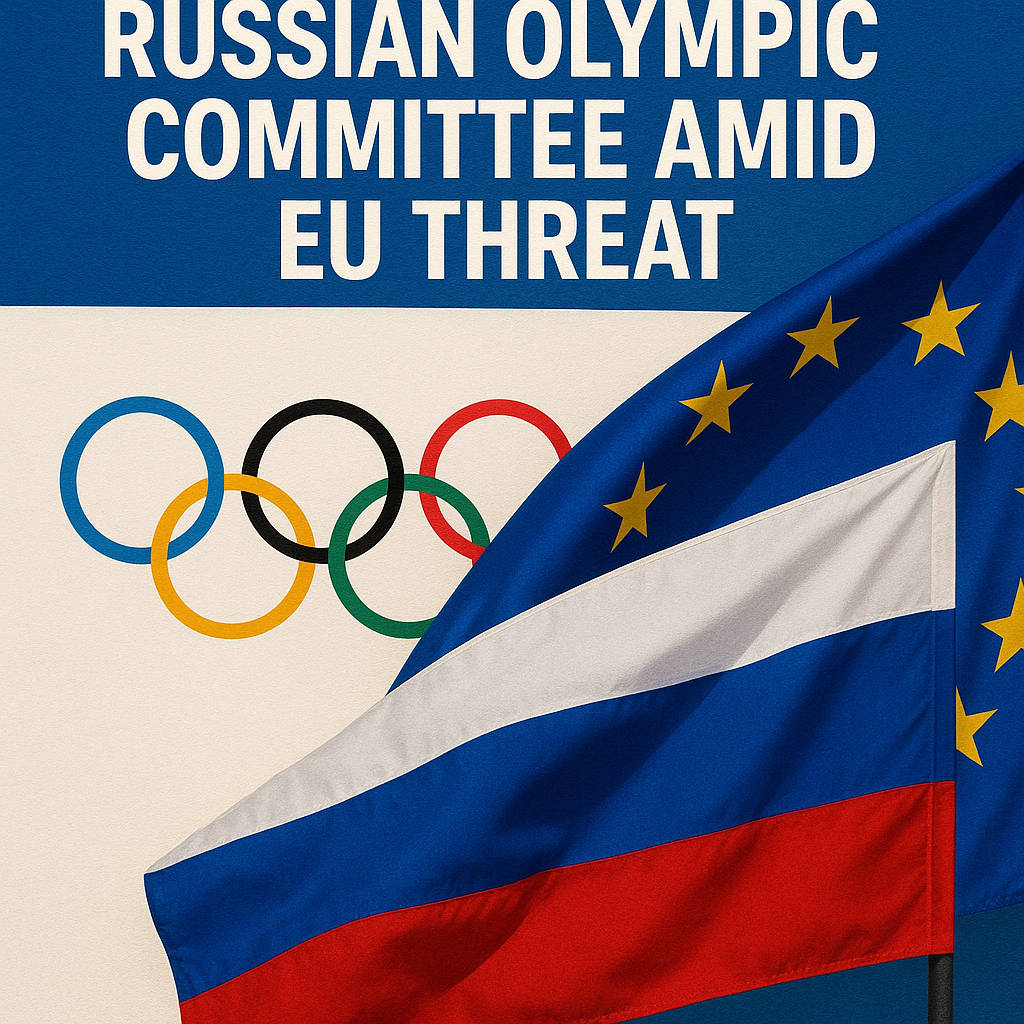
The International Olympic Committee is standing firm in its decision to reinstate the Russian Olympic Committee, igniting a heated debate amid potential EU sanctions. As the world of sports grapples with political tensions, the IOC champions inclusivity, arguing that athletes shouldn’t pay the price for their countries’ actions.
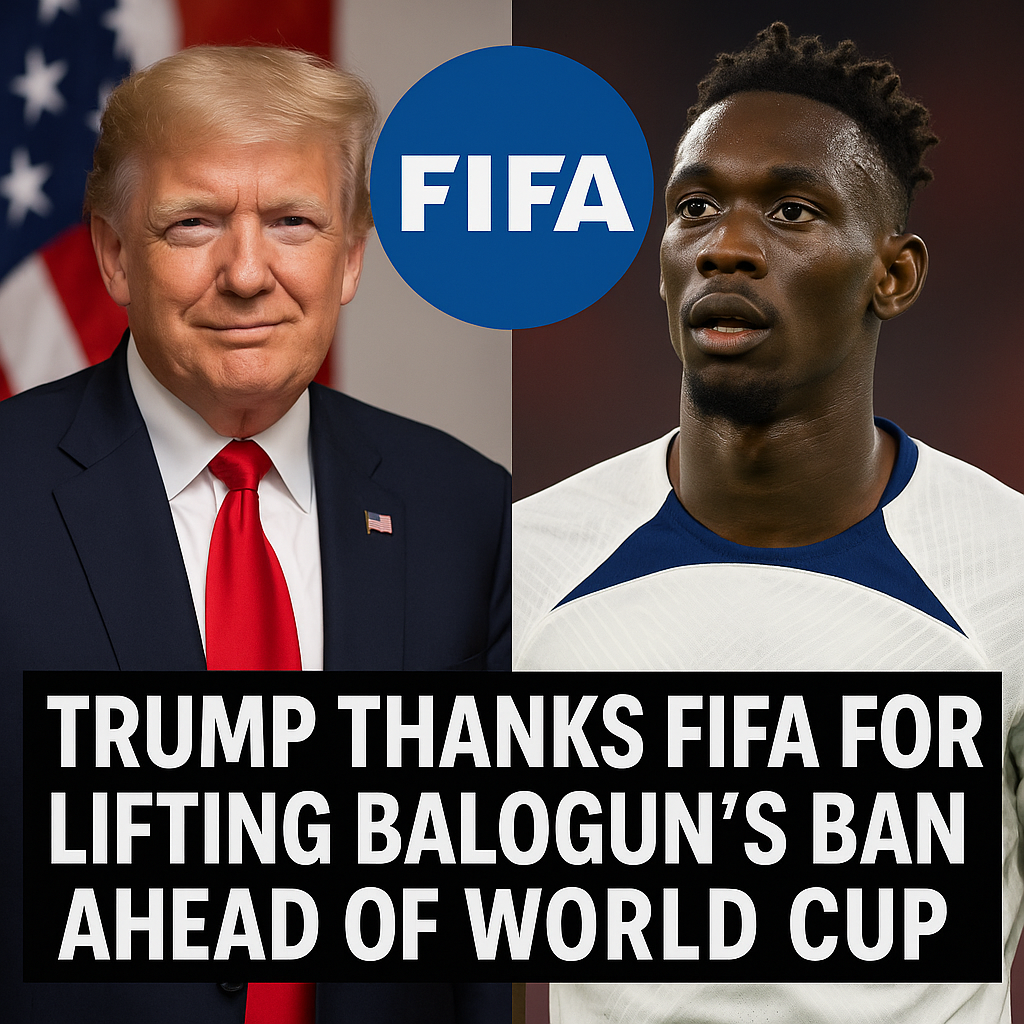
Donald Trump appreciates FIFA for lifting Baloguns ban, just in time for the World Cup—an exciting twist that brings together sports, politics, and national pride on a global stage!
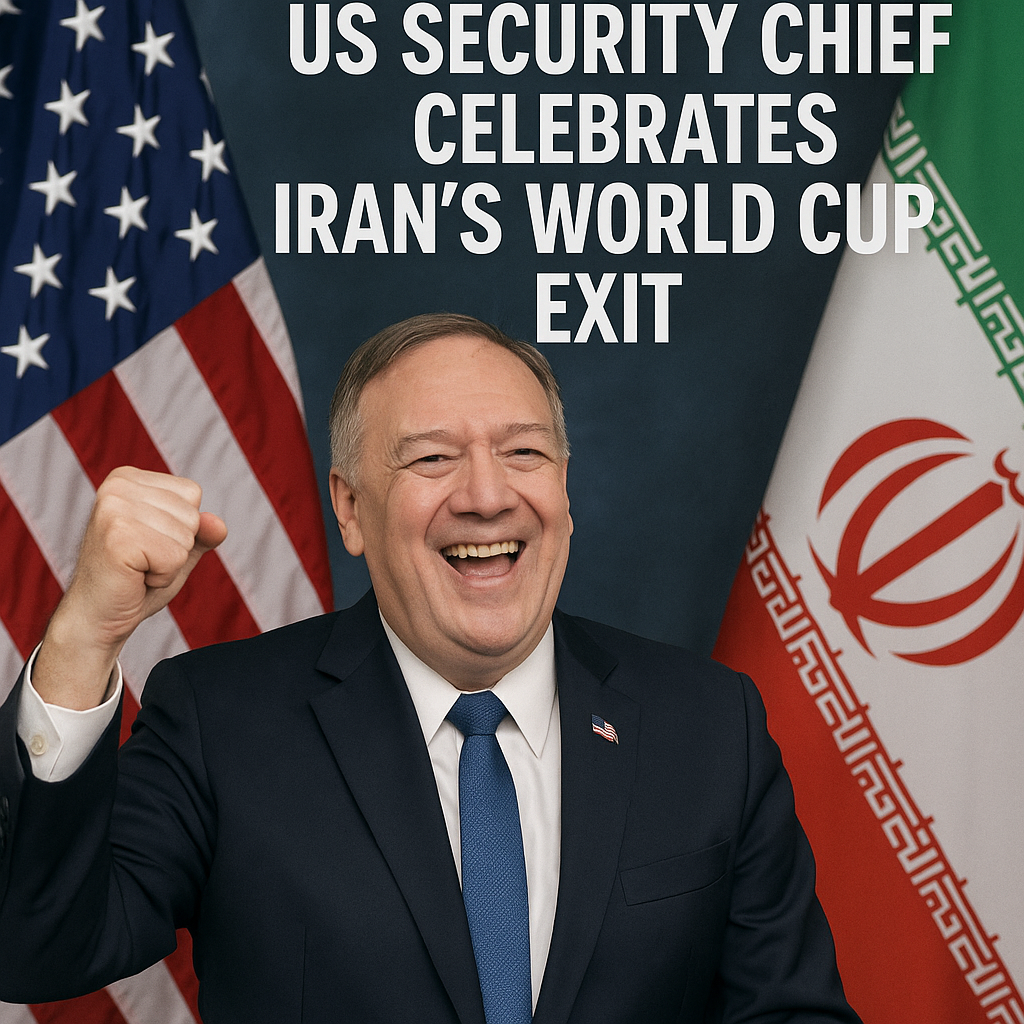
In a surprising twist of events, U.S. Homeland Security Secretary Alejandro Mayorkas couldnt hide his delight over Irans World Cup exit, highlighting how sports and politics often collide in the global arena. His comments spark a lively debate about whether celebrating a rivals defeat enhances national pride or undermines the spirit of sportsmanship.
Iran has hit back at FIFA, accusing the organization of turning a blind eye to discrimination faced by its fans during the World Cup—an issue that raises serious questions about fairness in global sports. With tensions simmering, many are asking: Can FIFA truly champion inclusivity when its own actions speak otherwise?
Exciting news in the world of sports! Russian fencers are now free to compete again, marking a pivotal moment for athletes and the vibrant spirit of competition, despite ongoing global debates.
As geopolitical tensions rise, Russian athletes find themselves caught in a web of delays and bans, sparking heated debates about fairness and the true spirit of sportsmanship. With emotional tolls mounting for these competitors, the call for a separation of sport and politics has never been more urgent.
Could Italy step in and fill the void left by Iran at the World Cup? As whispers of political tensions and civil unrest swirl around Irans participation, the beloved Italian team—armed with four World Cup titles and a passionate fanbase—may bring not just skill but also a powerful message of democracy and human rights to the tournament.