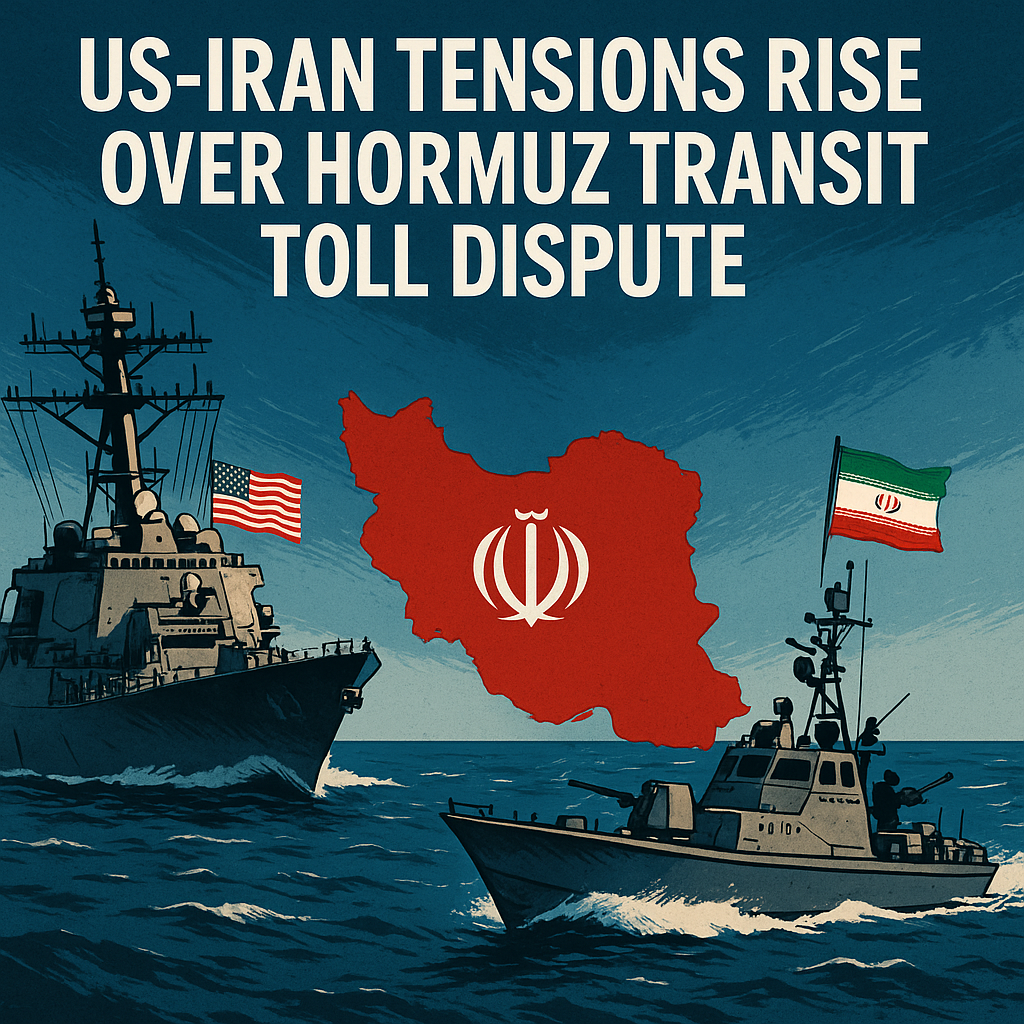
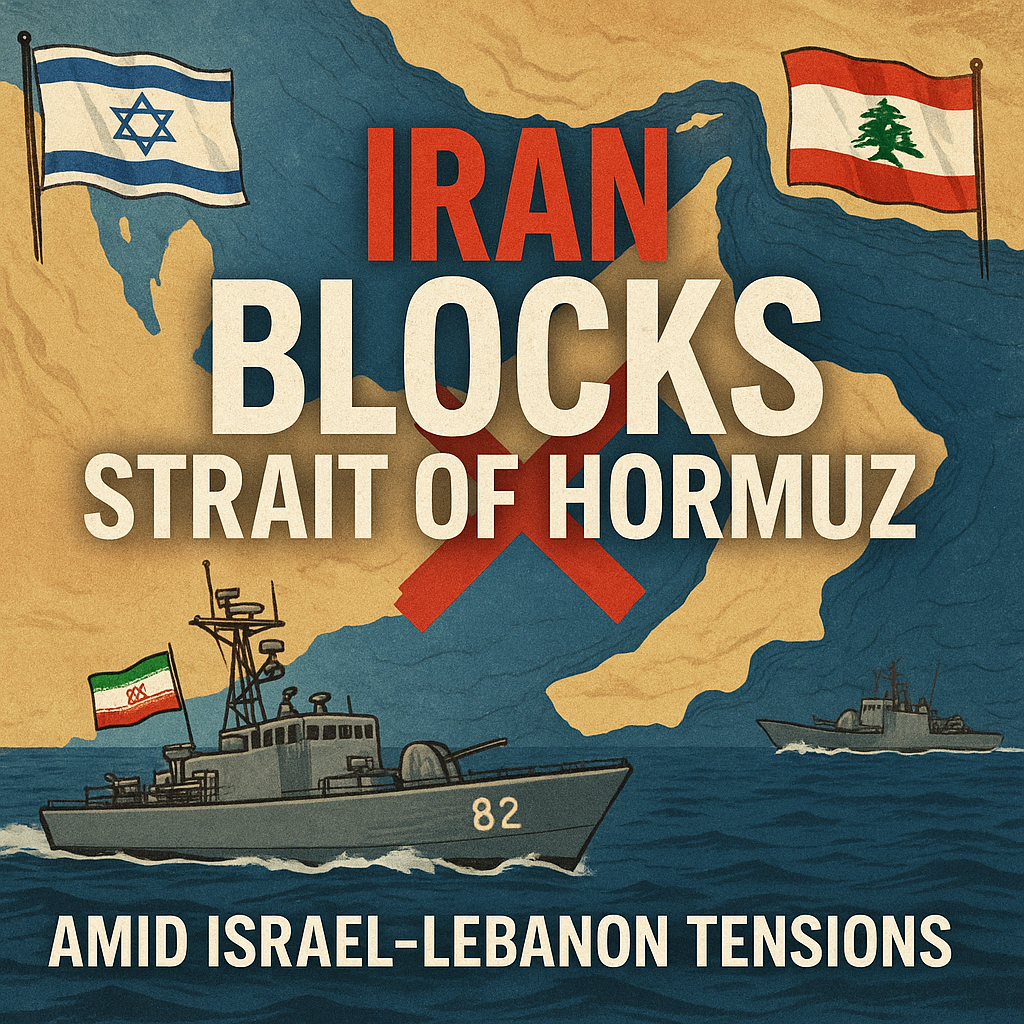
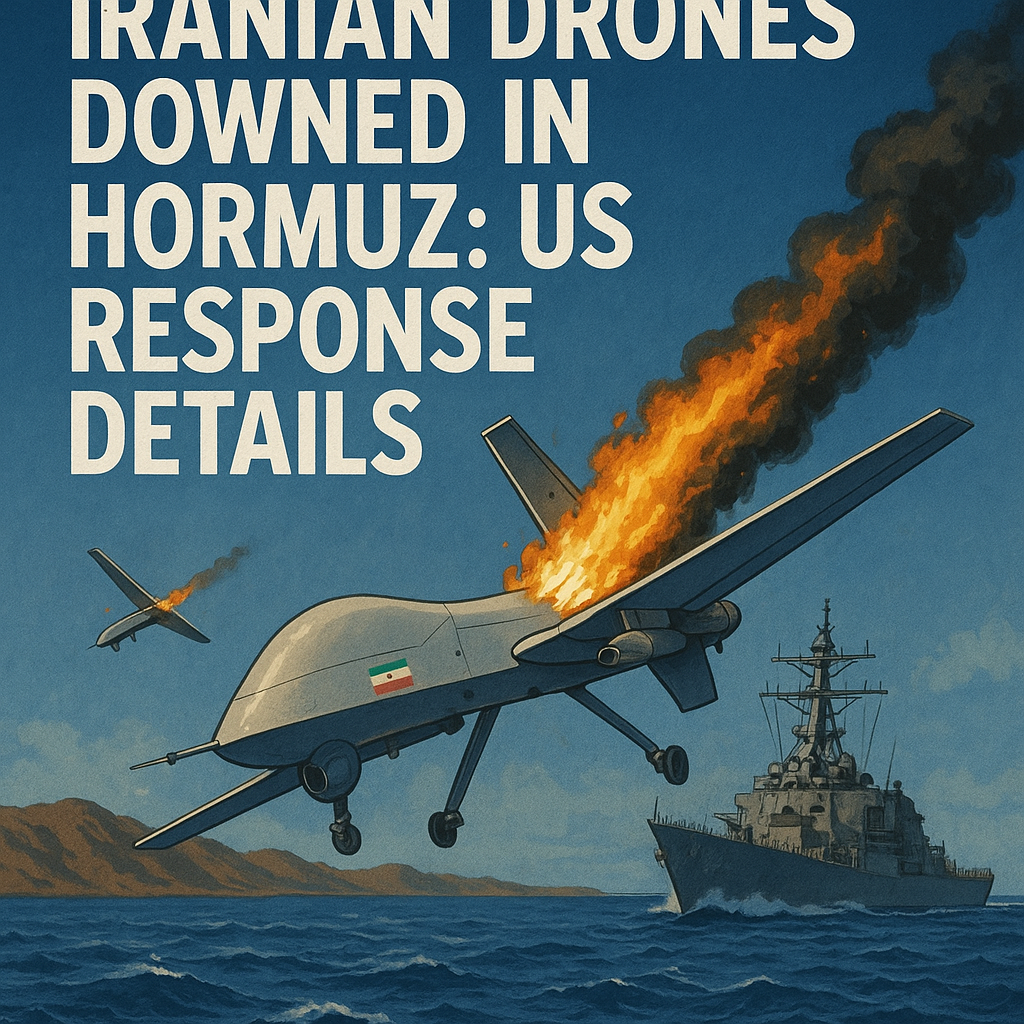
As tensions rise in the Strait of Hormuz, the U.S. is sending a stark warning to Iranian boats, stating it will shoot and kill if provoked. With 20% of the worlds oil passing through this crucial corridor, the stakes couldn’t be higher!
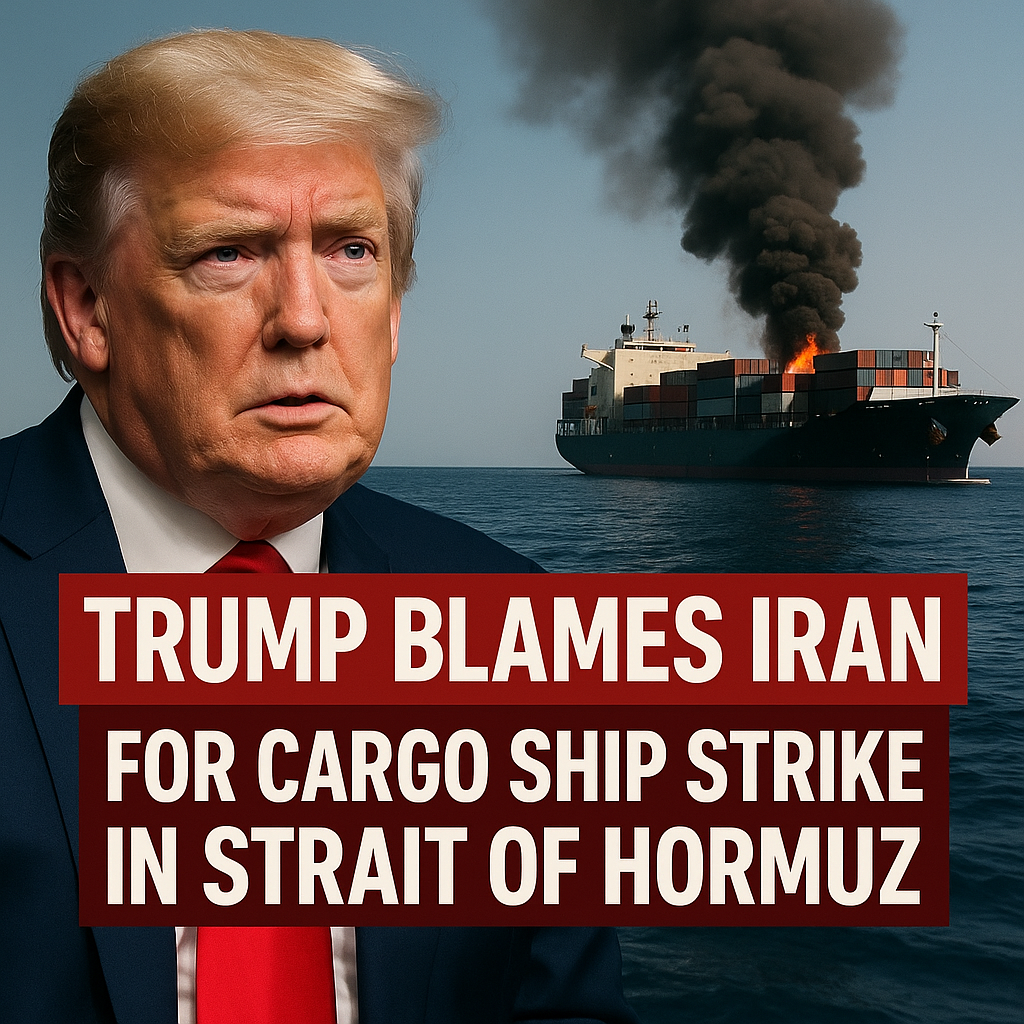
In a bold assertion, Donald Trump claims he, not Iran, is the one keeping the Strait of Hormuz under wraps, stirring up a storm in the already tense geopolitical waters. With a staggering 20% of the world’s oil passing through this critical chokepoint, the implications are huge for global trade and regional stability!
In a stirring twist to the saga in the Strait of Hormuz, the White House insists Irans recent ship seizures arent a breach of truce, igniting a vibrant debate about U.S.-Iran relations and regional stability. Dive into the complexities and consequences of these maritime maneuvers that have everyone talking!
The U.S. Navy has made a bold move by seizing an Iran-flagged ship trying to break through the critical Strait of Hormuz blockade, stirring up tensions in an already volatile region. With this crucial passageway influencing global oil shipping, the stakes couldn’t be higher—so what does this mean for the future of U.S.-Iran relations?
Tensions are on the rise as Irans military orders an Indian ship to divert from the crucial Strait of Hormuz, stirring concerns over maritime security and the geopolitical landscape of the Persian Gulf. With 20% of the world’s oil passing through this vital waterway, every incident here has the potential to ripple through global markets and international relations.
Tensions rise in the Strait of Hormuz as Iran asserts its right to impose passage limits—a vital move theyre framing as essential for national security. Discover the intricacies behind Irans defense and the ripple effects its creating in global waters!
Tensions are rising as Iran threatens to target ships in the strategic Strait of Hormuz, a crucial artery for global oil flows. With claims of defending national interests against perceived foreign aggression, this complicated standoff could have far-reaching implications for energy security and regional stability.
The reopening of the Strait of Hormuz has ignited a flurry of global reactions, stirring the pot in the ongoing U.S.-Iran tensions and raising questions about regional stability and the future of international oil trade. How will this vital maritime corridor shape the geopolitical landscape in the days to come?
In a bold statement, former President Trump advises NATO to stay away from the Strait of Hormuz, sparking a heated debate on military strategy and international alliances. What do you think—should NATO focus on its European roots, or is a presence in the Middle East essential for global stability?
Tensions are rising in the Middle East as the U.S. ramps up its efforts to monitor Iran-linked ships worldwide, aiming to safeguard vital shipping lanes and maintain regional security—will this shift reshape the geopolitical landscape?