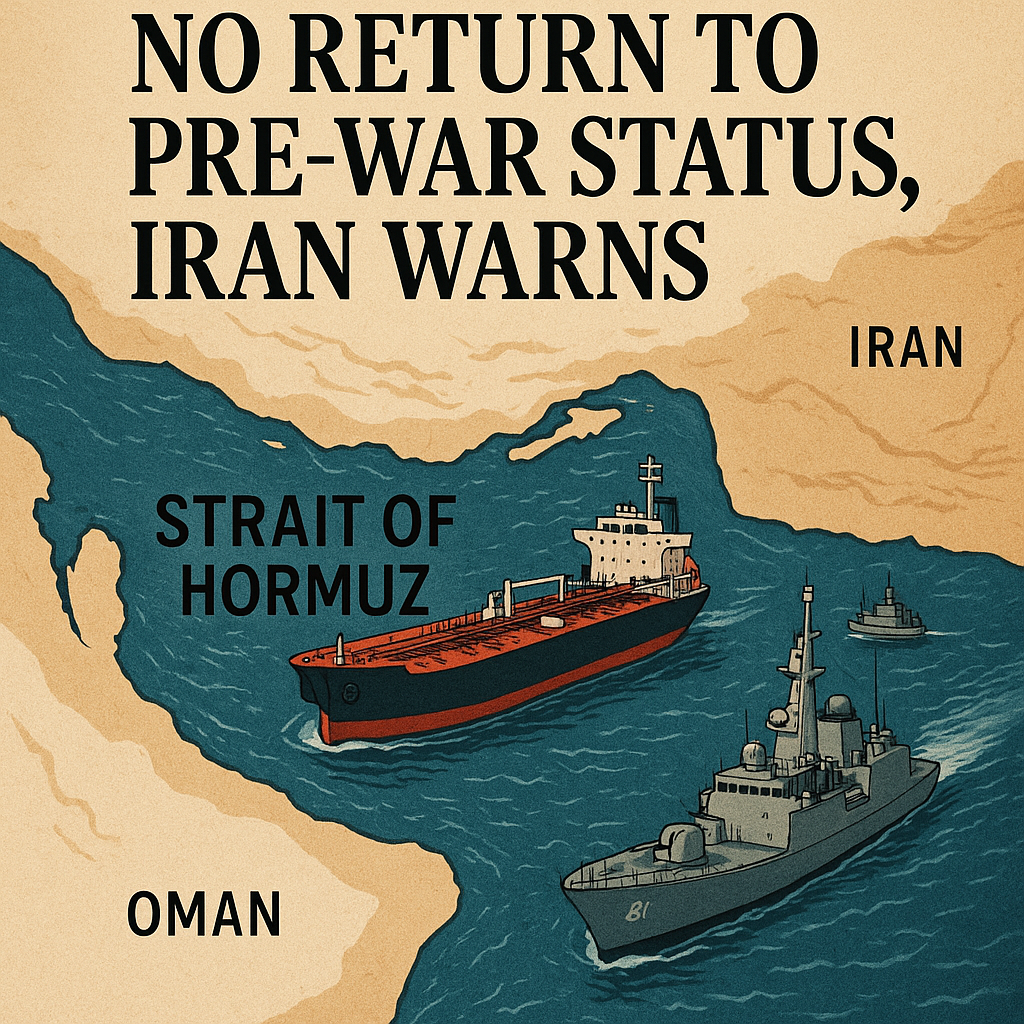
Iran is sending a strong message that the Strait of Hormuz won’t return to its calm pre-war days, highlighting the urgent need for regional cooperation in safeguarding this crucial corridor for global oil. With tensions rising, it’s clear that navigating these waters involves more than just military might—it calls for collaboration among neighboring nations.
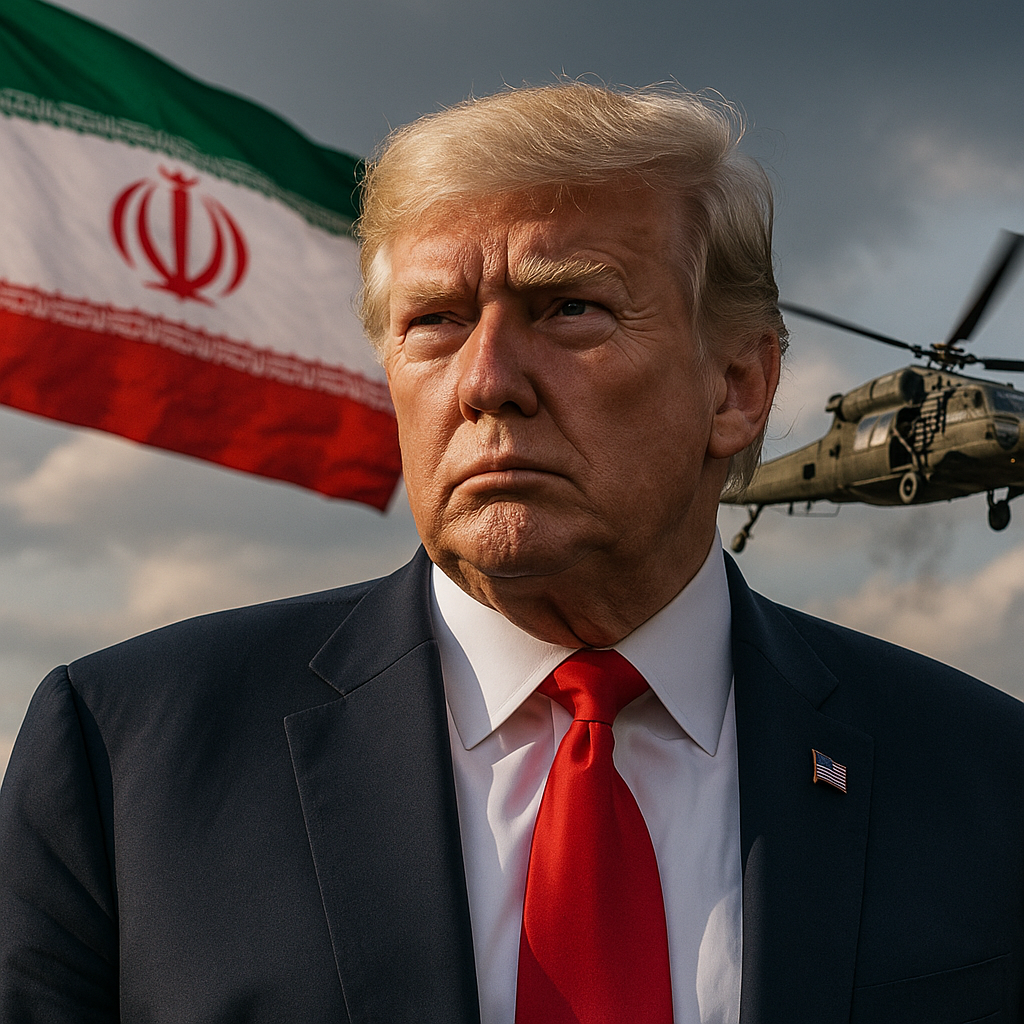
In a bold declaration on June 9, 2026, former President Trump committed to a decisive response following Irans downing of a U.S. helicopter, labeling it an act of aggression that demands action to protect American interests in a tense global landscape. As the situation unfolds, the stakes couldnt be higher for both U.S.-Iran relations and regional stability!
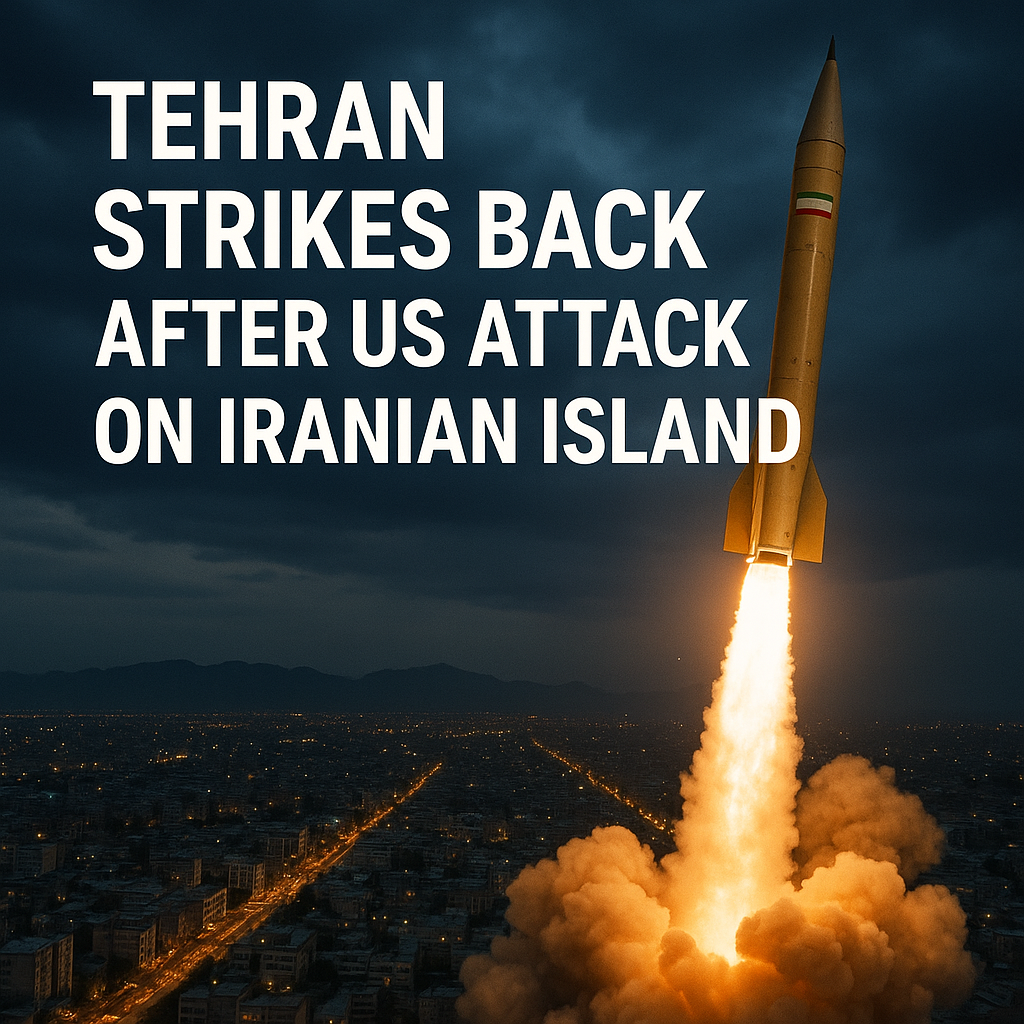
Tehran is making its stance clear following the U.S. airstrike on Qeshm Island, showcasing not only military readiness but a steadfast commitment to sovereignty. As tensions rise, Irans response is a rallying cry for allies in the region, highlighting a determined resistance against external aggression.
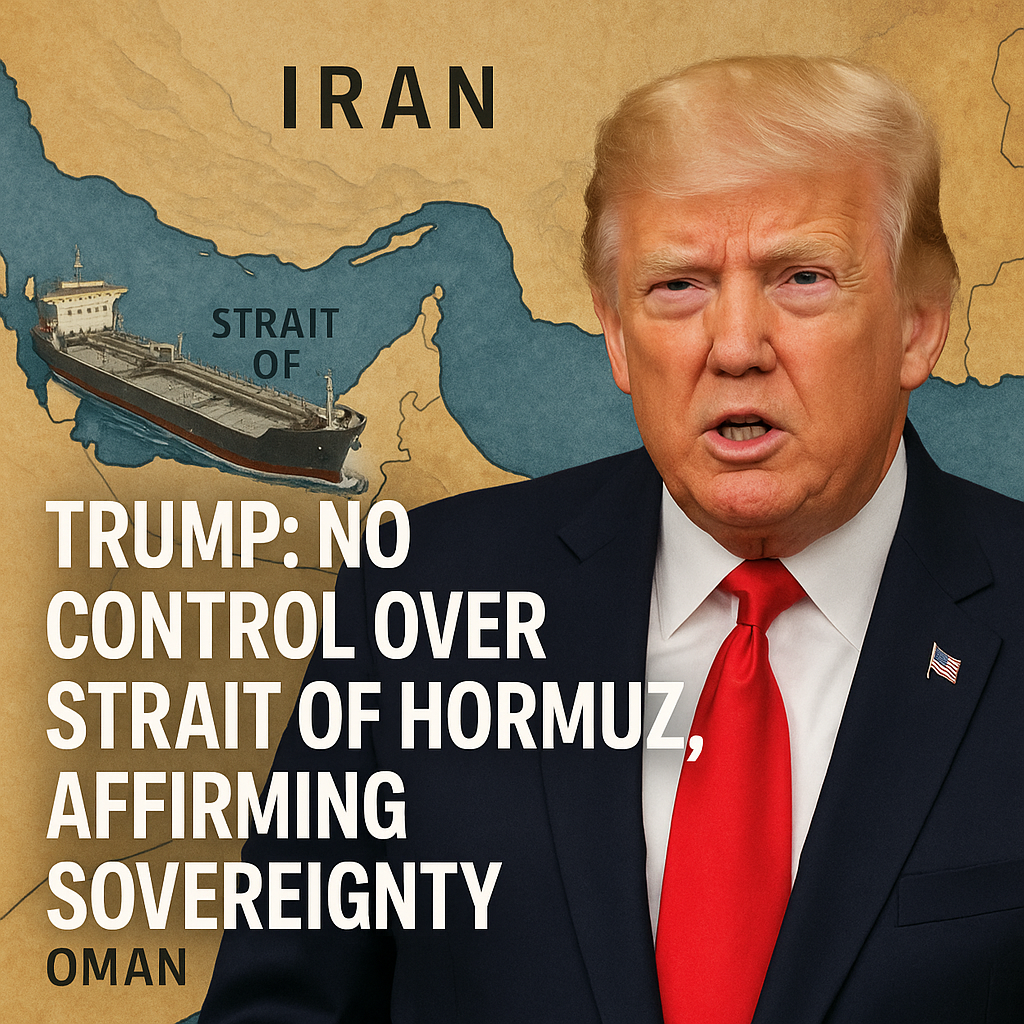
In his recent statement, Donald Trump boldly declared, No one will control the Strait of Hormuz, emphasizing Americas unwavering commitment to free maritime passage and stirring up crucial discussions on sovereignty and global stability. With this vital waterway responsible for about 20% of the world’s oil supply, Trumps remarks come at a time of heightened geopolitical tensions that could reshape our understanding of international relations.
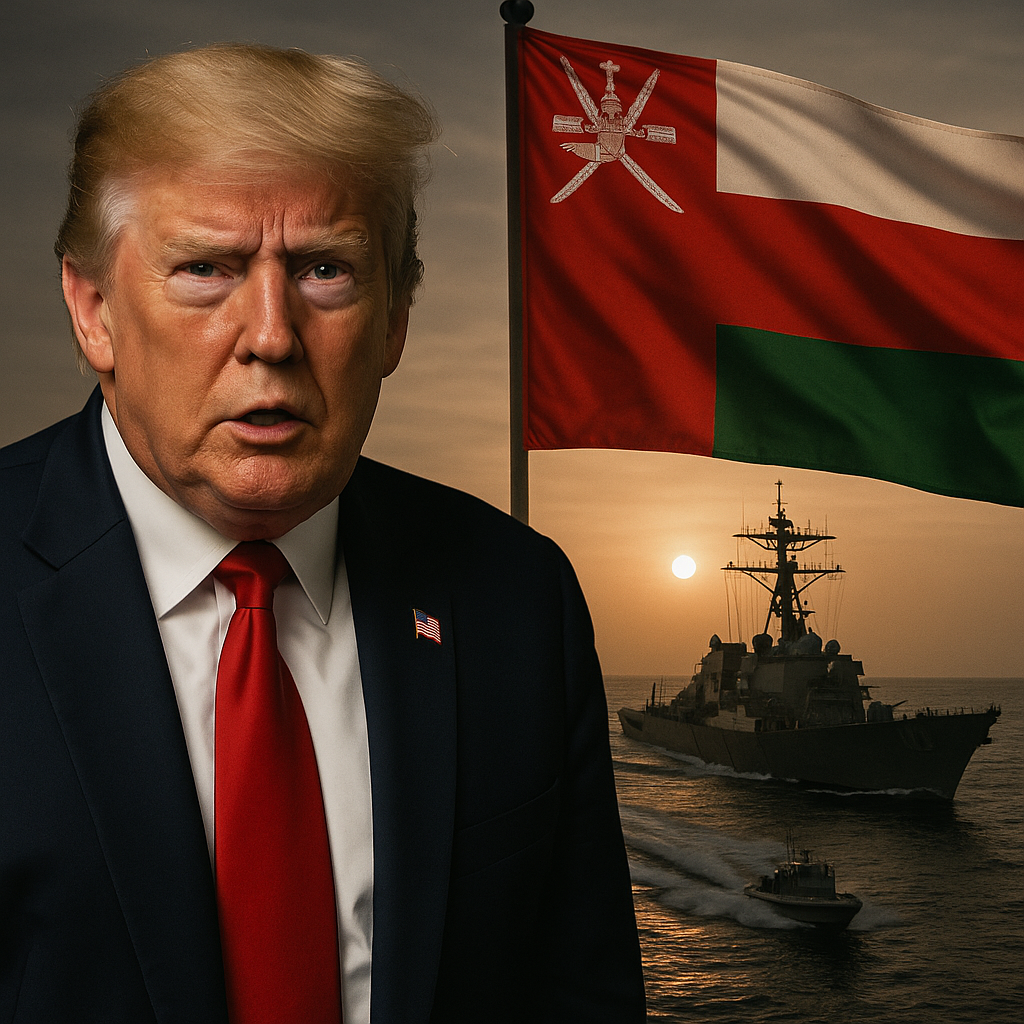
Tensions are heating up in the Strait of Hormuz as former President Trump hints at military action against Oman, sparking debate on the potential ripple effects for global oil supply and regional stability. Could this bold rhetoric be a game-changer, or is it a risk that may ignite an already volatile situation?
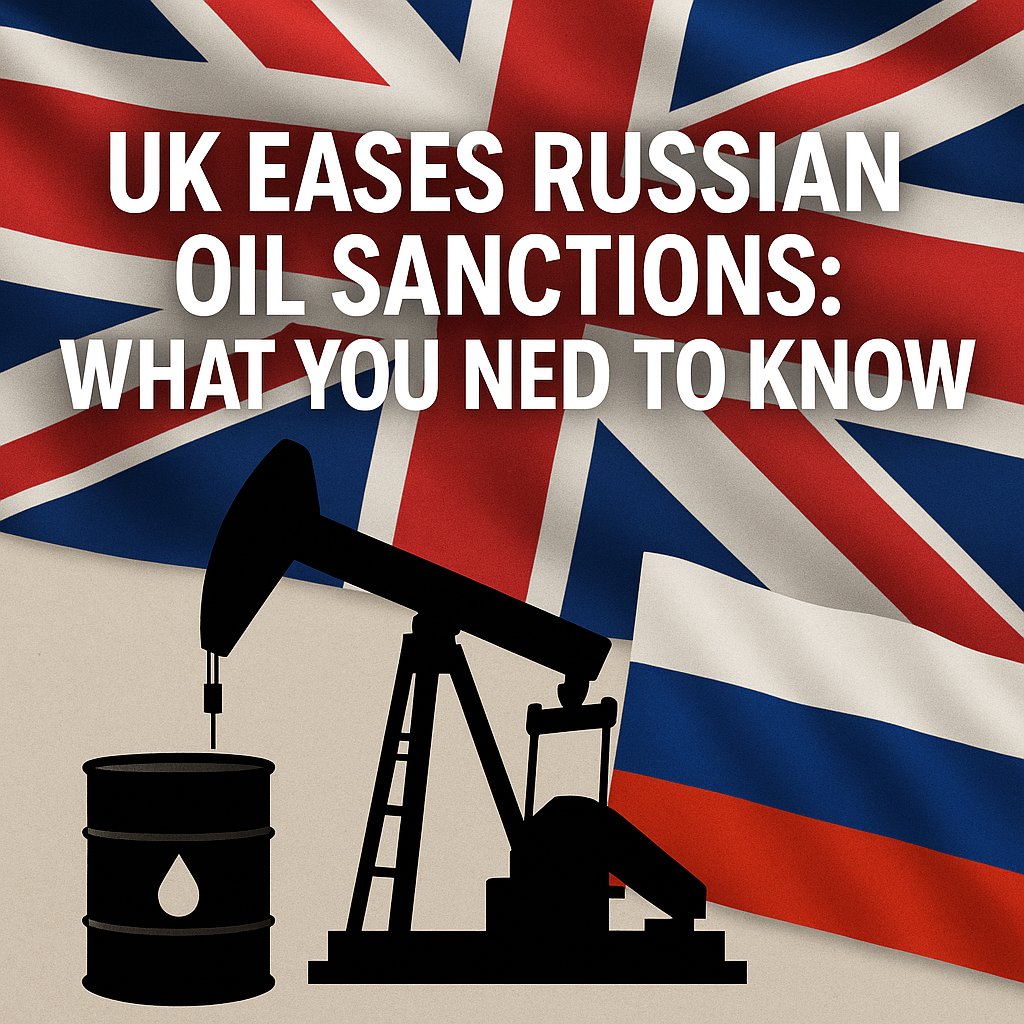
The UK is recalibrating its stance on Russian oil sanctions, navigating tough choices between energy security and geopolitical pressures—just when you thought the energy landscape couldnt get any more complex! Discover what this means for rising fuel prices and your wallet.
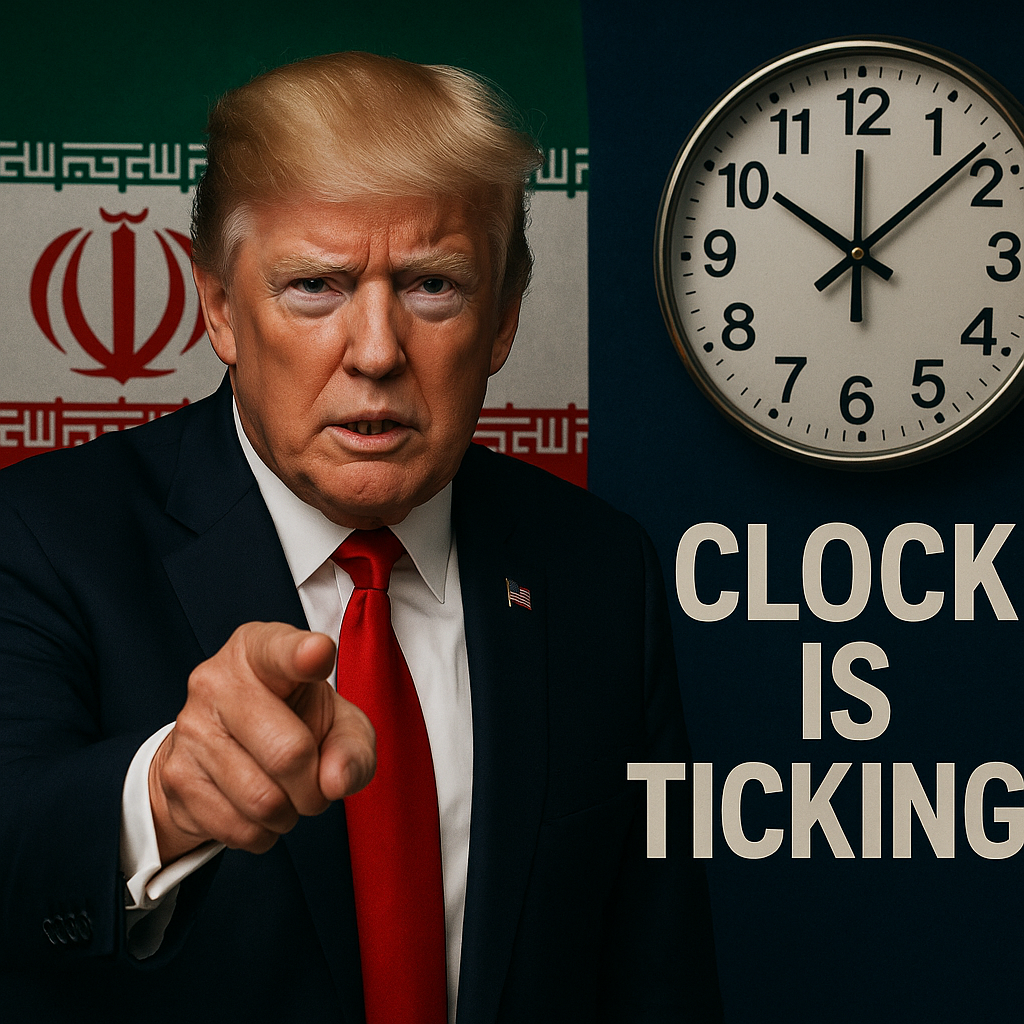
Trumps warning to Iran – the clock is ticking – sends ripples across the geopolitical landscape, highlighting the urgent need for action as tensions soar in the Persian Gulf. With looming concerns over Irans nuclear ambitions and aggressive maneuvers, the international community is on high alert for what comes next.
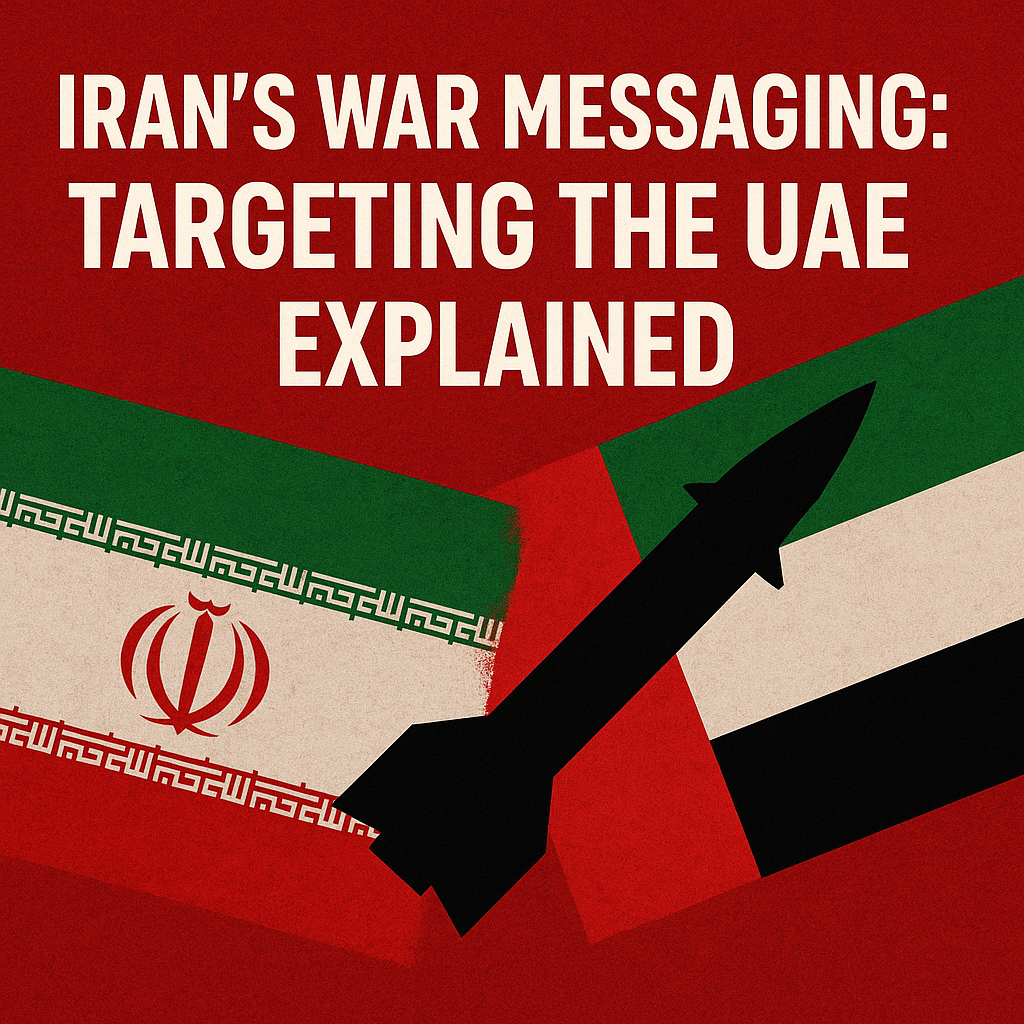
Irans recent war messaging towards the UAE is not just noise; it’s a complex play of historical rivalry and modern geopolitics, fueled by territorial disputes and shifting alliances. Delve into this fascinating dynamics where military maneuvers meet diplomatic nuance, revealing Tehrans urgent quest to assert its influence in a changing region.
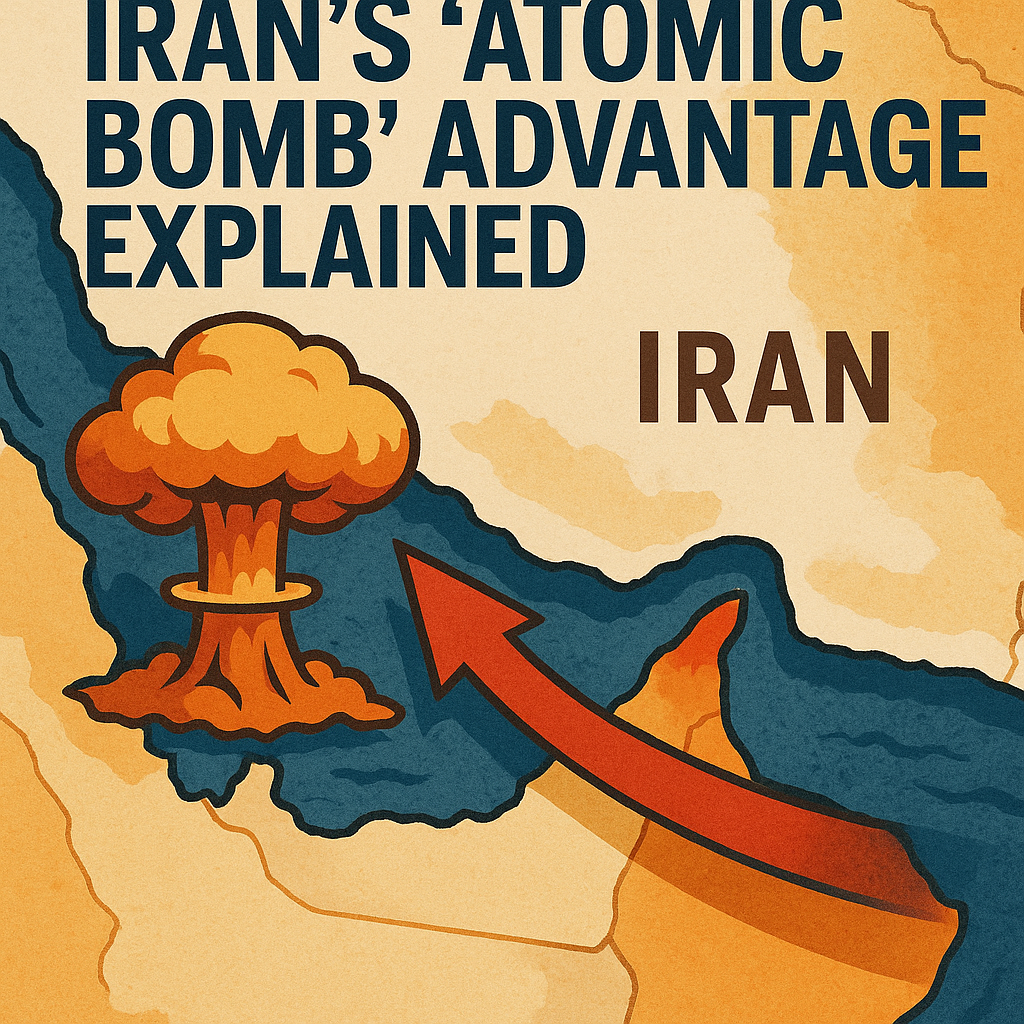
Discover the vital role of the Hormuz Strait, a strategic chokepoint for global oil trade, and how it intertwines with Irans military strategy and nuclear ambitions, making it a focal point of international tension. Join us as we unravel why Iran’s influence here is viewed by some as an atomic bomb advantage in the geopolitical landscape!
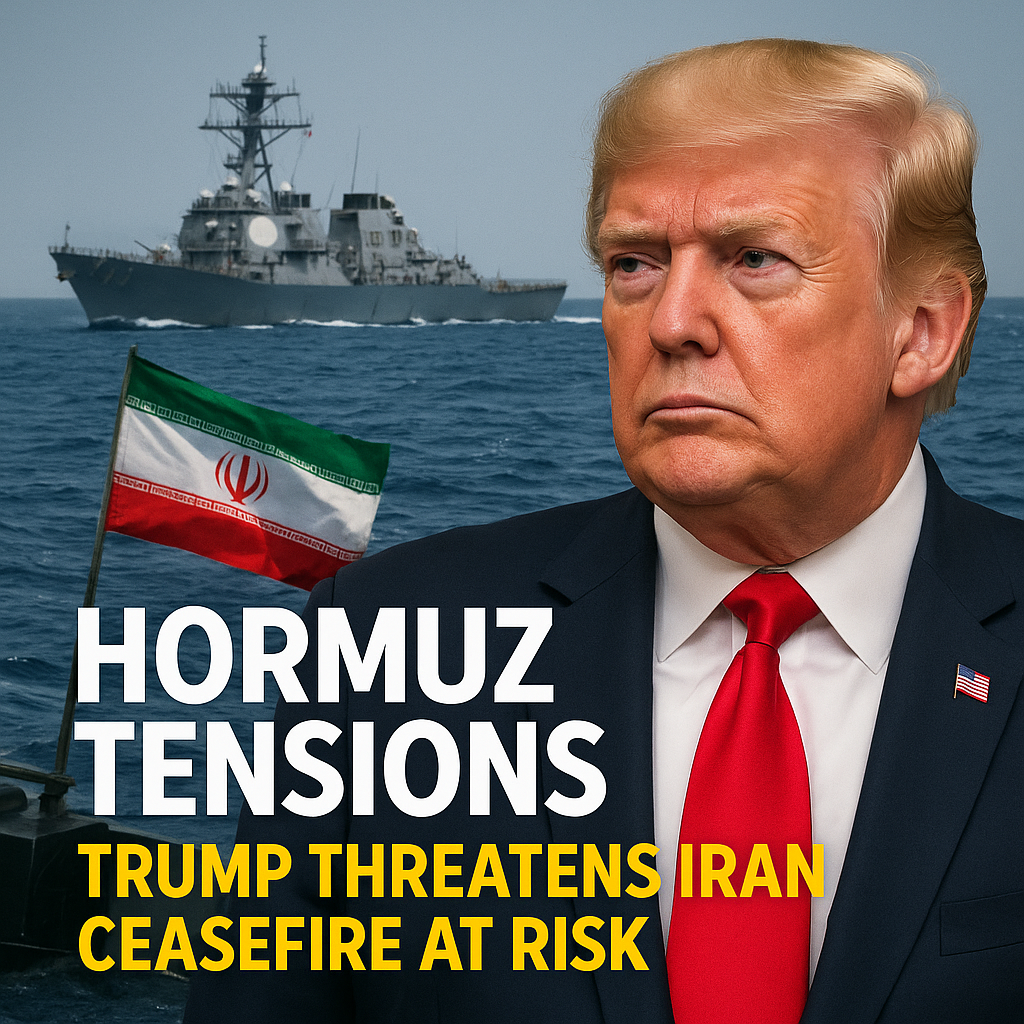
As tensions swirl in the Strait of Hormuz, Trump’s fiery threats toward Iran could shatter hopes for a much-needed ceasefire, leaving global oil markets and international diplomacy hanging by a thread. With both sides on high alert, the stakes couldnt be higher—are we headed for conflict or can diplomacy prevail?