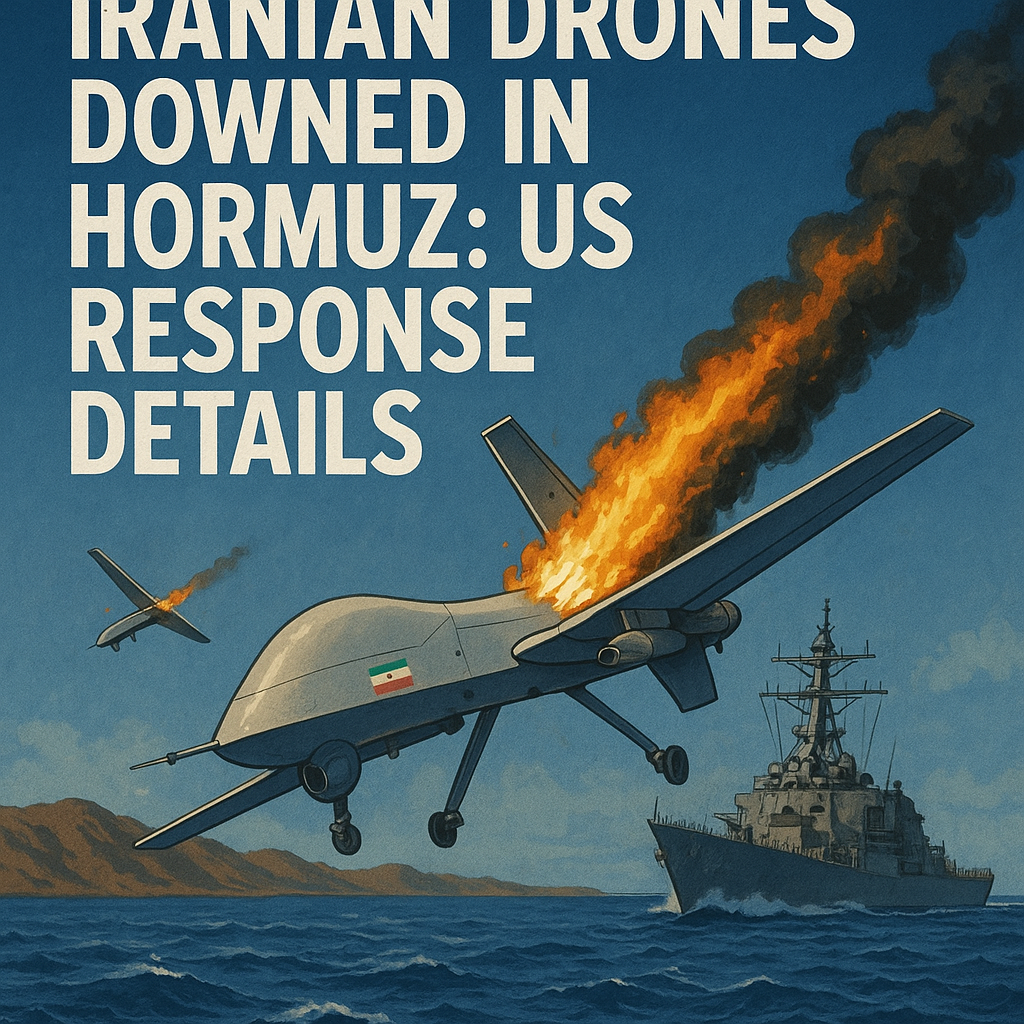
Tensions in the Middle East escalated dramatically as Iran launched missile strikes against U.S. forces, igniting critical questions about the future of diplomacy and stability in the region. Dive into the unfolding story and discover how these events reflect deeper motivations and a complex web of hostilities.
Are the U.S. and Israel playing a dangerous game by sabotaging talks with Iran? Former CIA analyst John Kiriakou suggests that their actions could not only derail peace efforts but also lead to escalating tensions in the region—what does this mean for the future of international relations?
Tensions in the Middle East are heating up as the U.S. responds to an Iranian helicopter shootdown with military action, igniting a flurry of reactions from around the globe—some cheering the move, while others warn of escalating conflict. Dive in to unravel the complexities of this high-stakes drama!
The U.S. is gearing up to send frozen Iranian assets to Gulf allies, a move that could reshape international alliances and raise eyebrows in diplomatic circles. As tensions with Iran persist, this bold decision aims to bolster regional economies while navigating a complex web of geopolitical ramifications.
In a bold move that has sent shockwaves through international waters, a U.S. fighter jet struck an Iranian-bound cargo ship, reigniting tensions in the already volatile Middle East. As diplomatic leaders respond to this provocative action, the delicate balance of power in the region hangs in the balance—what could this mean for the future of U.S.-Iran relations?
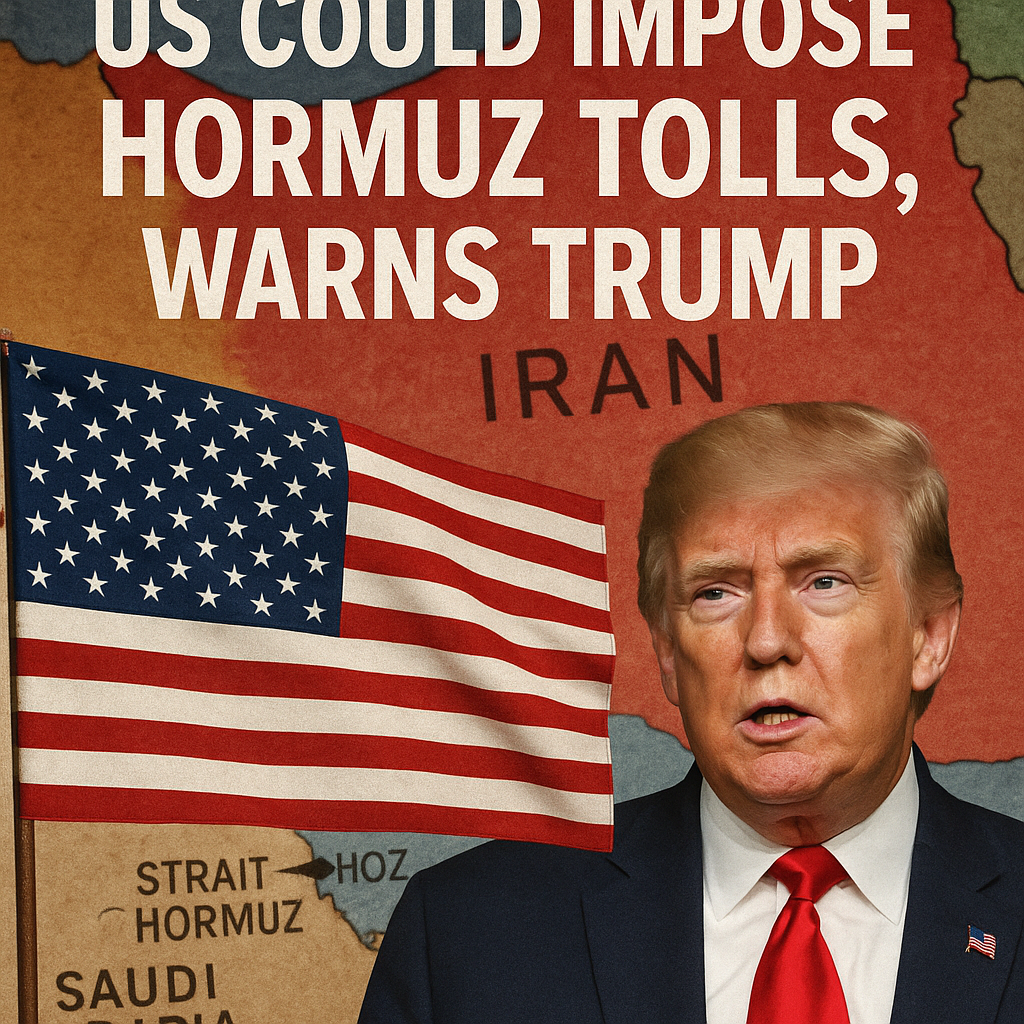
As tensions rise and talks stall, Iran is fortifying its hold on the pivotal Hormuz Strait, a crucial artery for global oil trade, leaving the world watching closely. With each military maneuver, Tehran is signaling its determination to protect its interests—what will this mean for regional stability?
In a promising turn of events, the U.S. and Iran have tentatively agreed to extend their truce for another 60 days, opening the door for potential dialogue and a glimmer of hope for regional stability. While challenges remain, this cautious step could be the key to easing tensions and fostering communication in a complex geopolitical landscape.
Iranian diplomat Ali Bagheri Kani is sounding the alarm on U.S. negotiating tactics, labeling them as detached from reality amid ongoing discussions about Irans nuclear program. As both nations grapple with their historical tensions, this critique sparks a critical conversation about the complexities of diplomacy and the importance of understanding each others perspectives.
Dive into the gripping saga of Trump’s tumultuous clash with Iran, a conflict that spiraled into chaos and reshaped international relations, revealing not just political tensions but the profound human toll behind the headlines. Discover how a single decision ignited a chain reaction of horror, drawing the world into an unsettling narrative thats far from over.
As regional tensions heat up, the U.S. is pressing the UAE to take a strong stand over Lavan Island, an Iranian-claimed territory in the Persian Gulf—could this be a pivotal moment for maritime security and geopolitical stability?