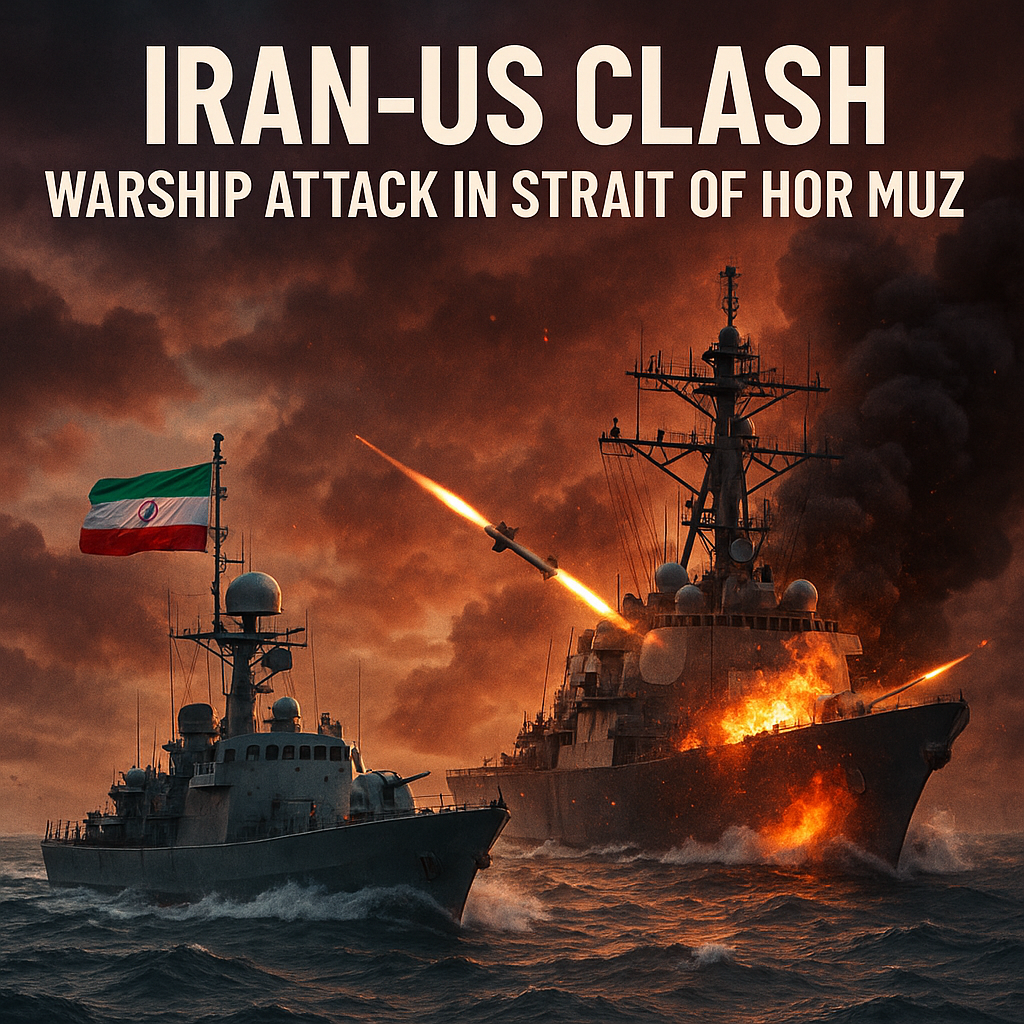
Tensions are boiling over in the Strait of Hormuz after a shocking warship attack, reigniting fears about safety in one of the world’s busiest shipping lanes. Dive into the heart of this escalating conflict, where competing narratives from Iran and the US reveal a tangled web of geopolitics and national pride.
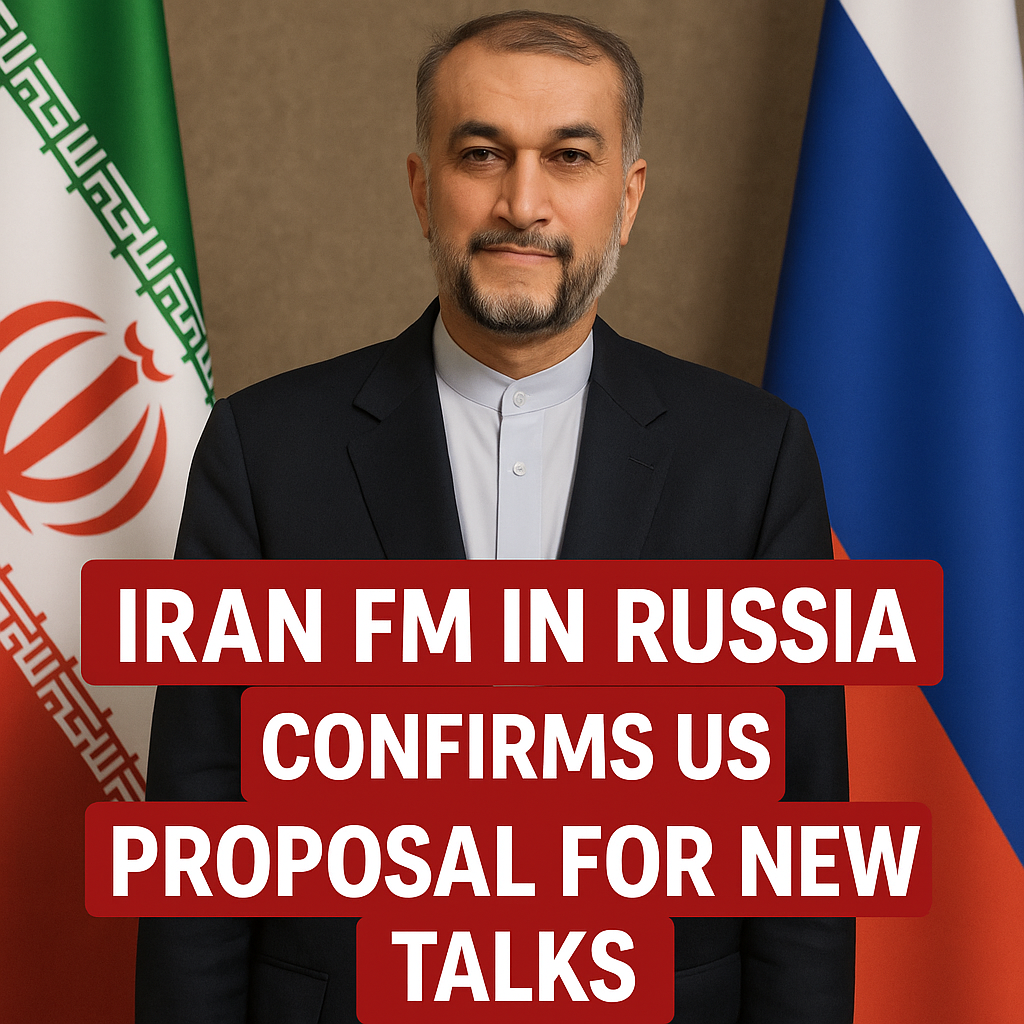
Irans Foreign Minister has just confirmed the U.S. proposal for fresh negotiations to revive the 2015 nuclear agreement—an intriguing development in an ever-shifting geopolitical landscape. Could this be the breakthrough we’ve all been waiting for? Let’s dive into what this means for international diplomacy!
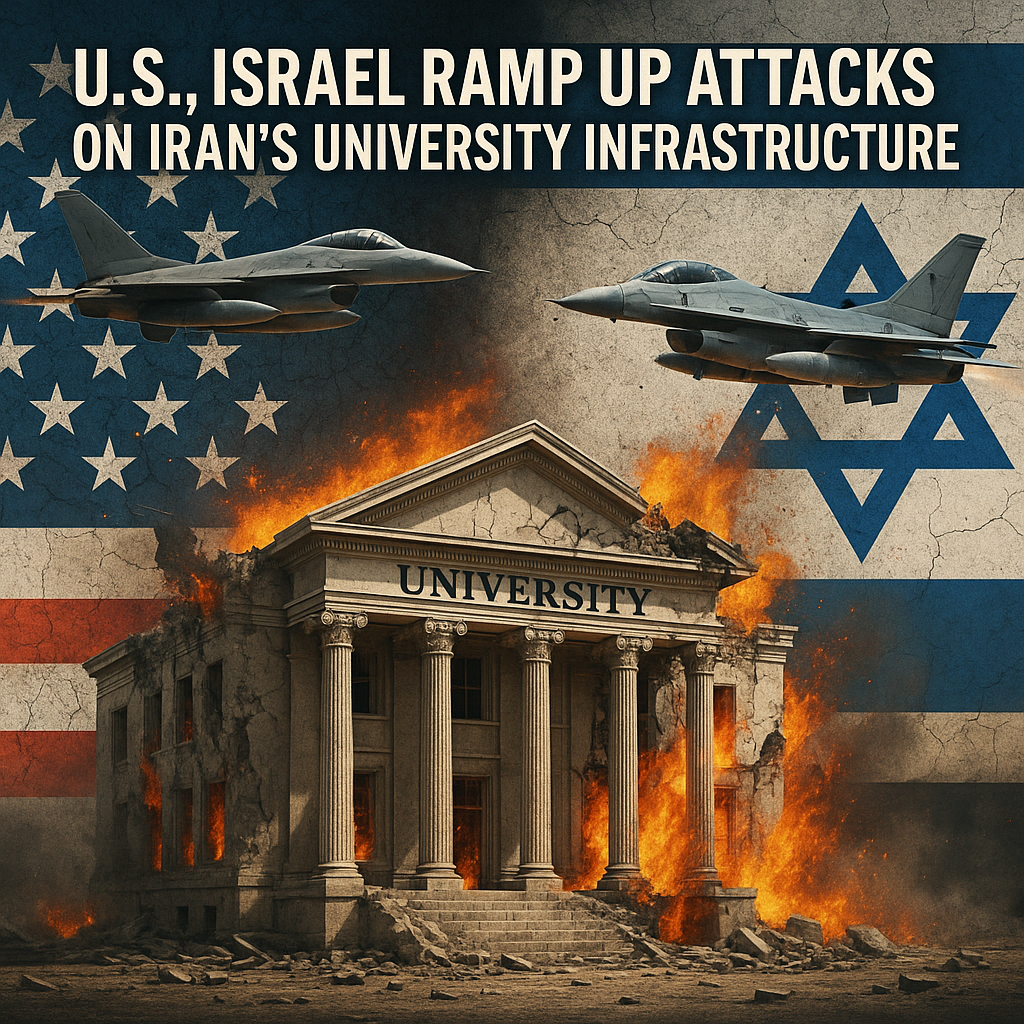
As tensions rise, the US and Israel are stepping up attacks on Irans universities, sparking urgent debates about the intersection of education and geopolitics. This unexpected shift not only threatens academic freedom but also raises critical questions about the future of Iran’s intellectual landscape.
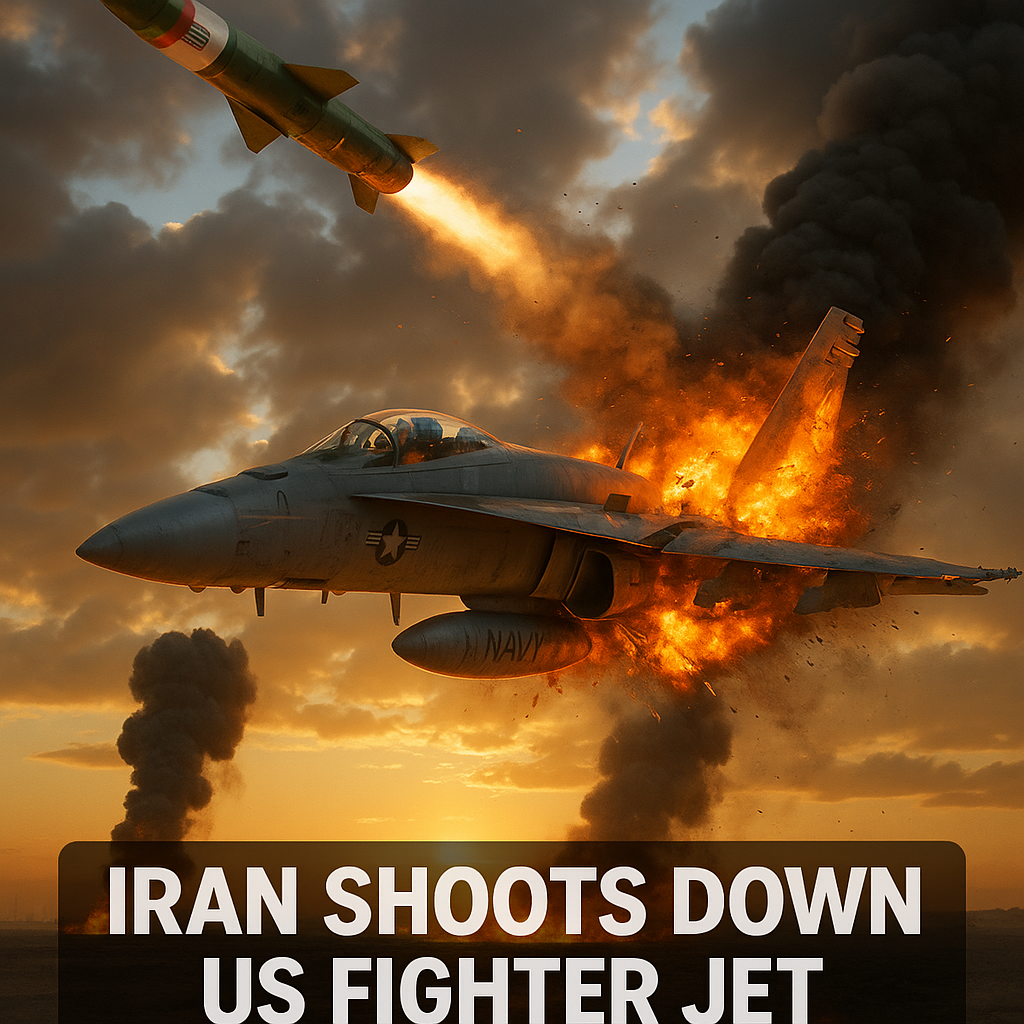
In a startling turn of events, Iran has shot down a US fighter jet amid ongoing oil strikes, igniting a firestorm of geopolitical tensions. This bold move not only raises alarms about military engagement but also threatens to shake up global energy supplies—could this be the tipping point for oil markets?
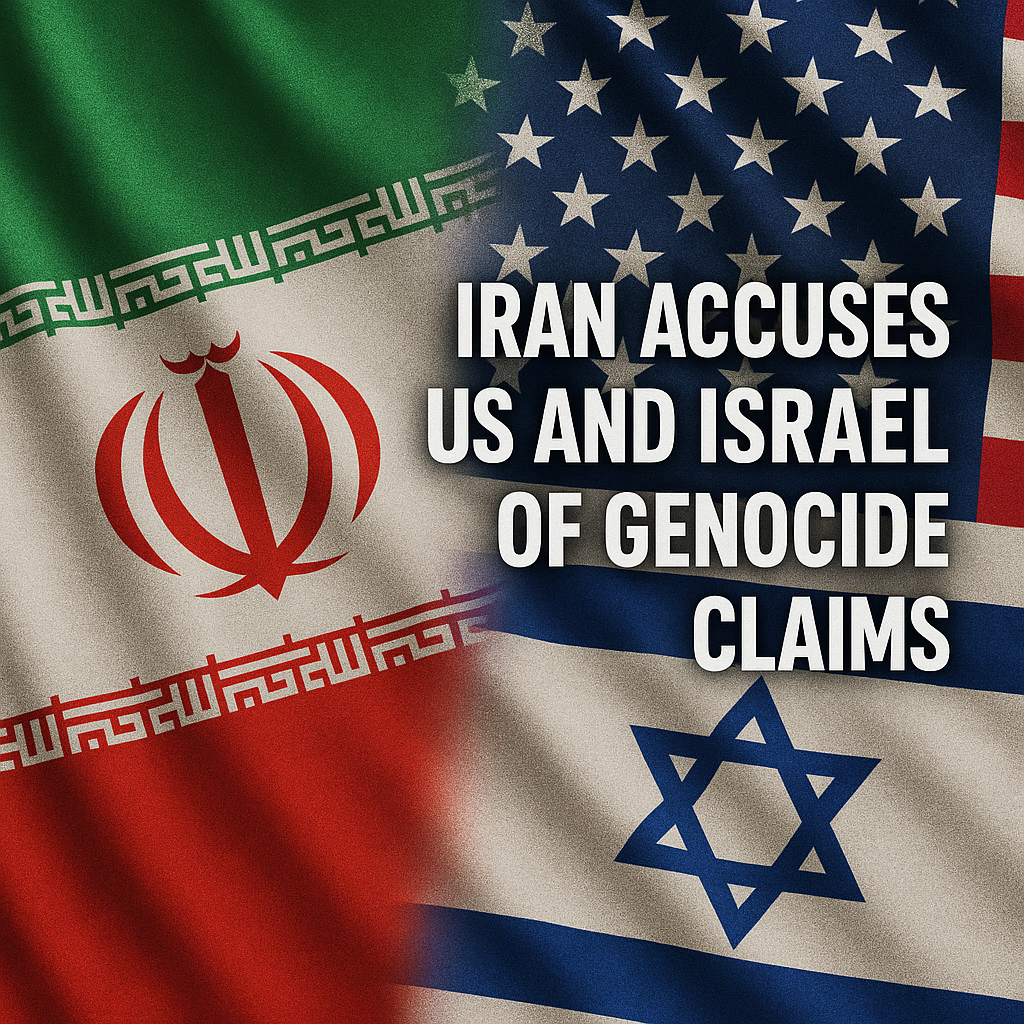
Tensions are soaring as Iran accuses the U.S. and Israel of committing genocide, stirring up a storm of reactions across the globe. This explosive claim adds yet another twist to the already intricate web of Middle Eastern geopolitics!
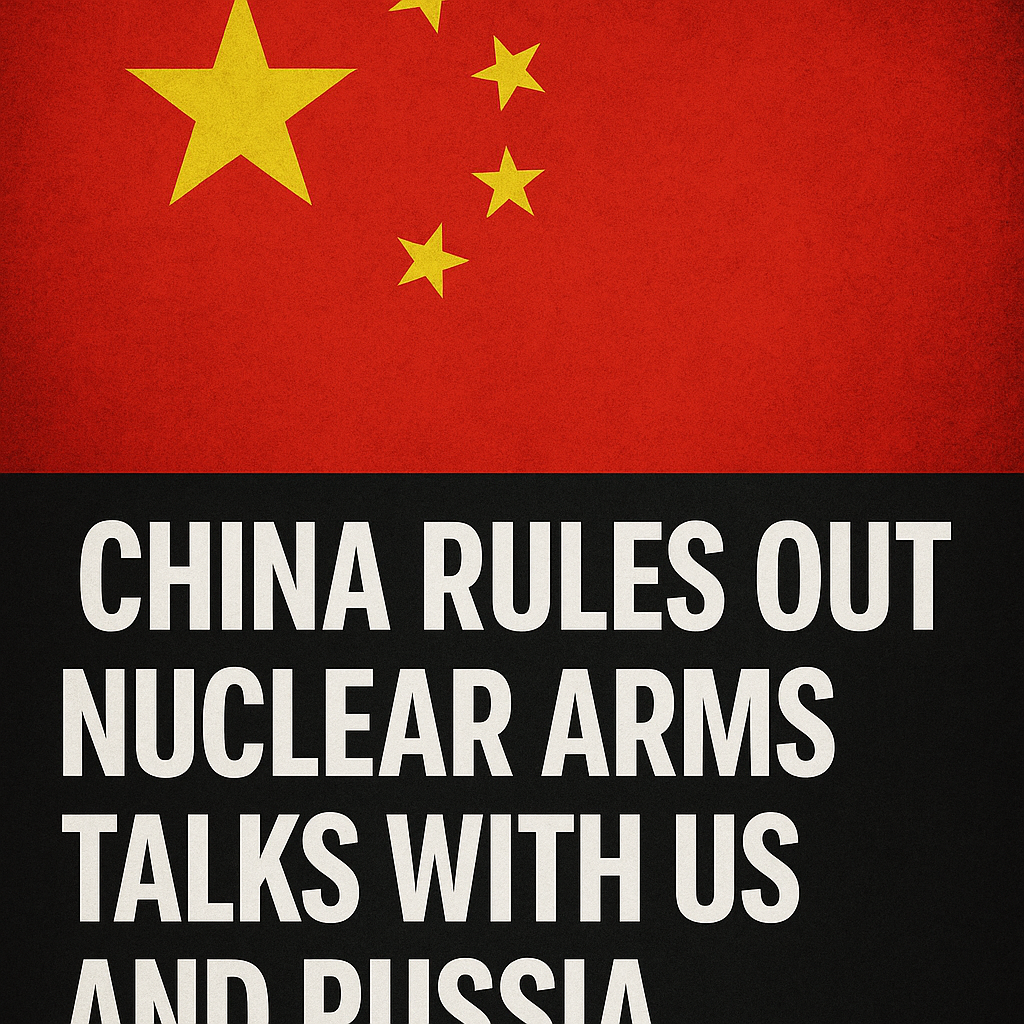
Chinas recent decision to sideline nuclear arms talks with the US and Russia is shaking up the geopolitical landscape, leaving many to wonder what this means for global security and diplomacy. With rising tensions and a focus on strategic power dynamics, this bold move signals a critical moment in international relations.