Trumps recent caution about a Hamas disarmament deal highlights the tangled web of complexities that international negotiations face in the Middle East—can we truly untangle these threads for peace? Dive in to explore the historical and political stakes involved!
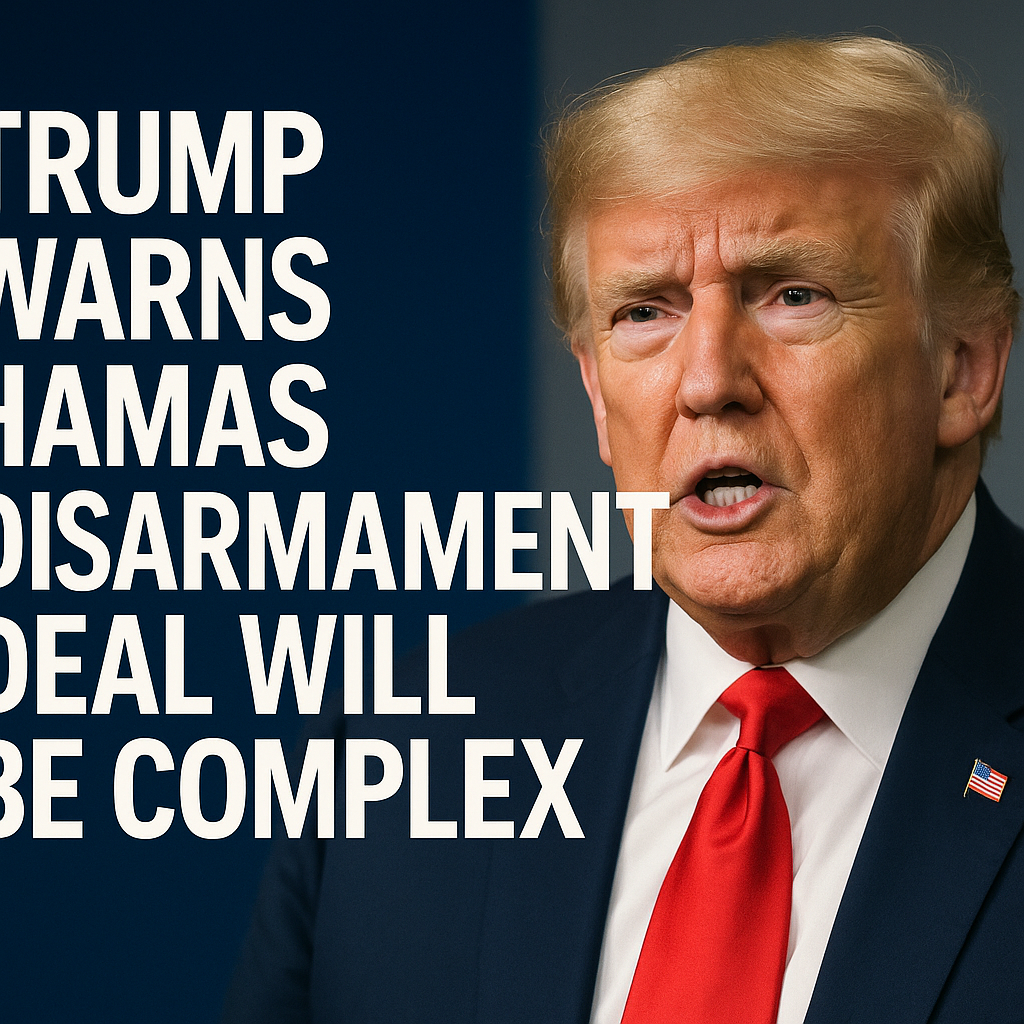
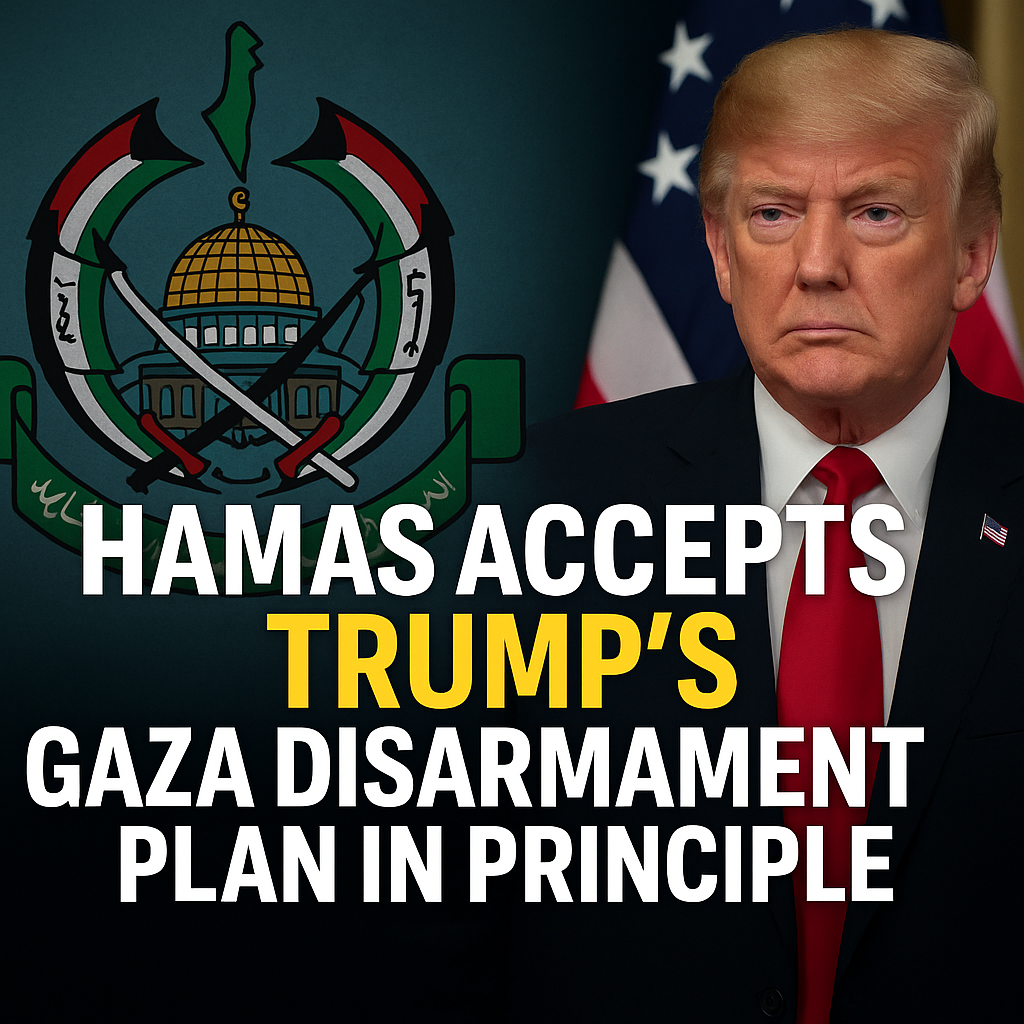
Hamas has taken a surprising leap by accepting Trump’s Gaza disarmament plan in principle, hinting at a potential shift in the regions long-standing conflict dynamics. Could this openness signal a new era for Israeli-Palestinian relations, driven by urgent economic needs and changing geopolitical tides?
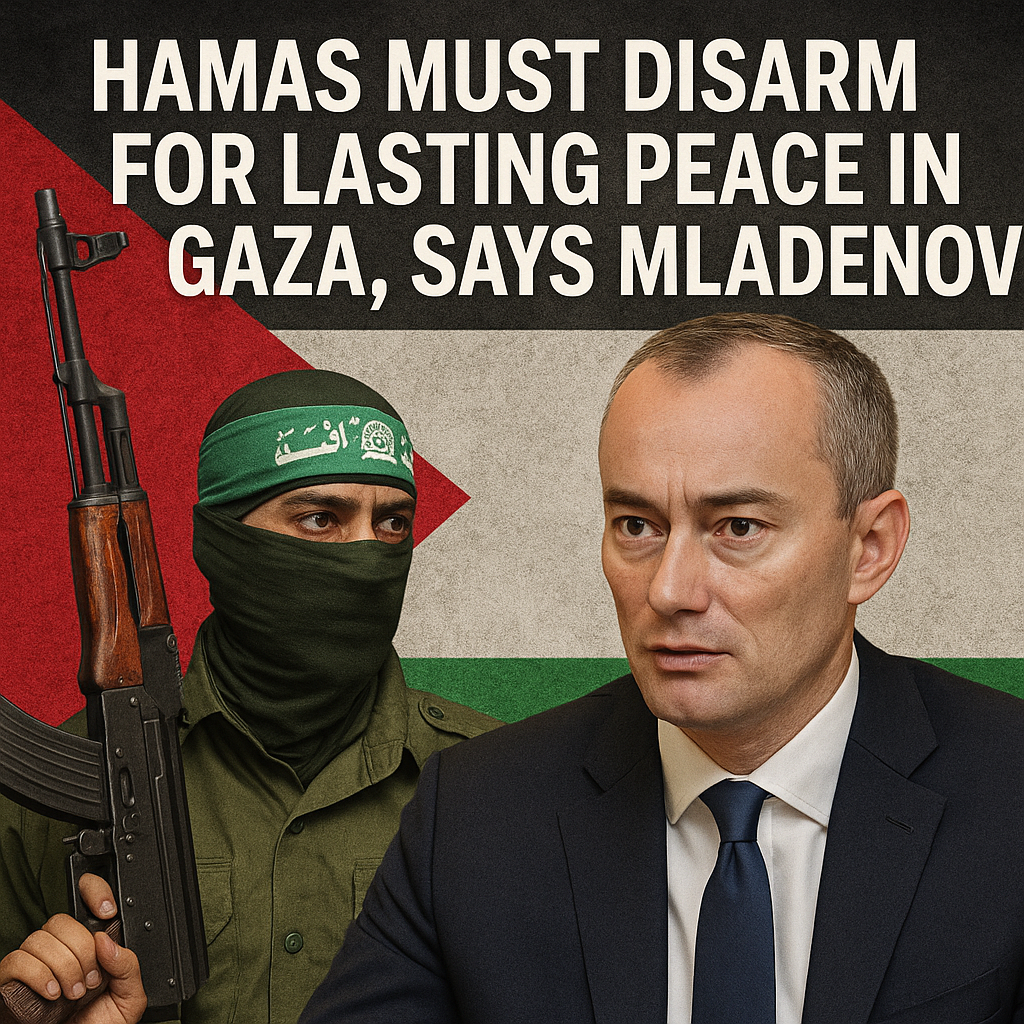
Former UN envoy Nikolay Mladenov insists that for lasting peace in Gaza, Hamas must disarm—pointing to this crucial step as the foundation for genuine stability and meaningful dialogue in a region yearning for resolution.
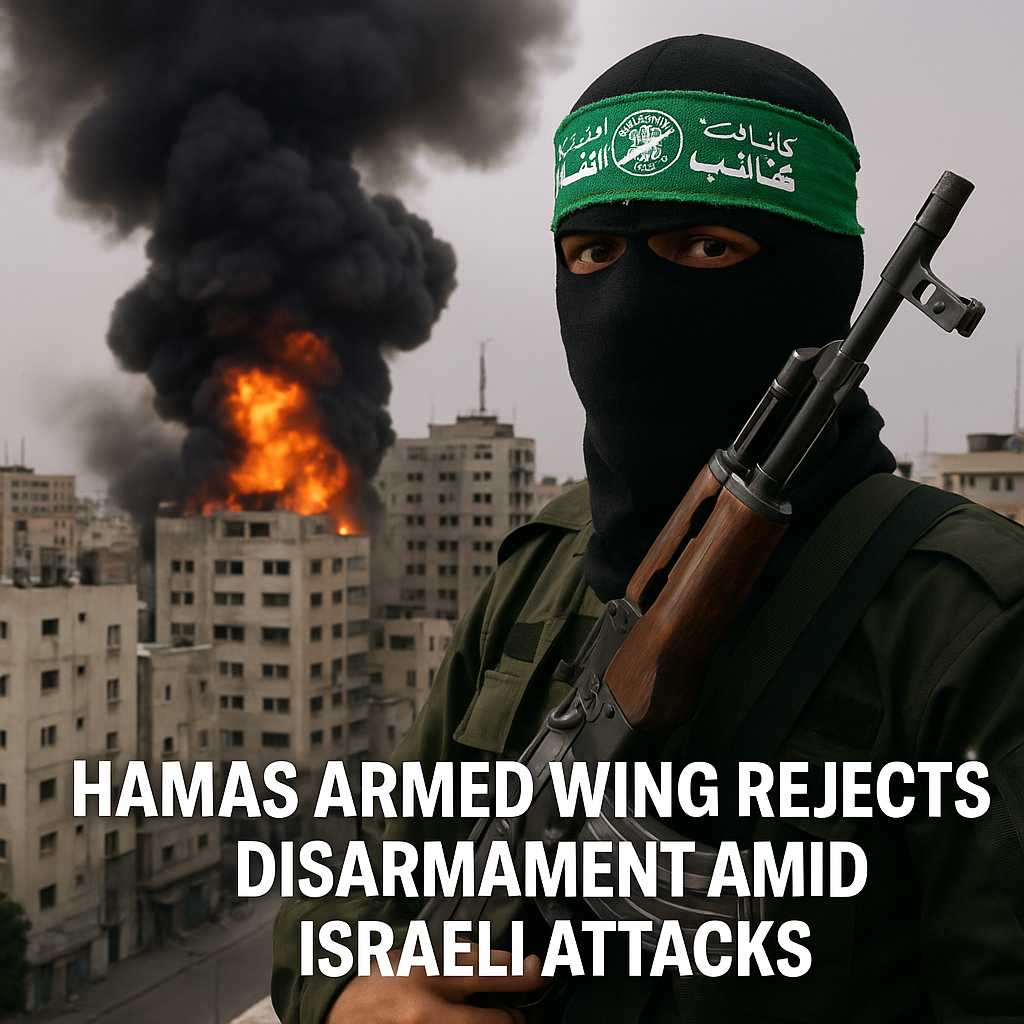
Hamas armed wing stands firm against disarmament, viewing it as unrealistic amidst ongoing Israeli attacks, sparking deeper tensions and complicating the already fragile path to peace. With both sides entrenched, the situation remains precarious, leaving many to wonder what it will take to break the cycle of violence.
Chinas recent decision to sideline nuclear arms talks with the US and Russia is shaking up the geopolitical landscape, leaving many to wonder what this means for global security and diplomacy. With rising tensions and a focus on strategic power dynamics, this bold move signals a critical moment in international relations.
As geopolitical tensions rise, former President Trumps bold initiative for a nuclear arms deal with Russia and China stirs debate, calling for a collaborative approach to ensure global security. Join us as we unpack the intricacies of this proposal and the diverse opinions it generates.
In a striking message that echoes across the Middle East, Hezbollahs leader Hassan Nasrallah firmly rejects disarmament demands, insisting instead on a ceasefire from Israel. As tensions rise and military actions escalate, his bold stance raises urgent questions about the future of peace and security in the region.