
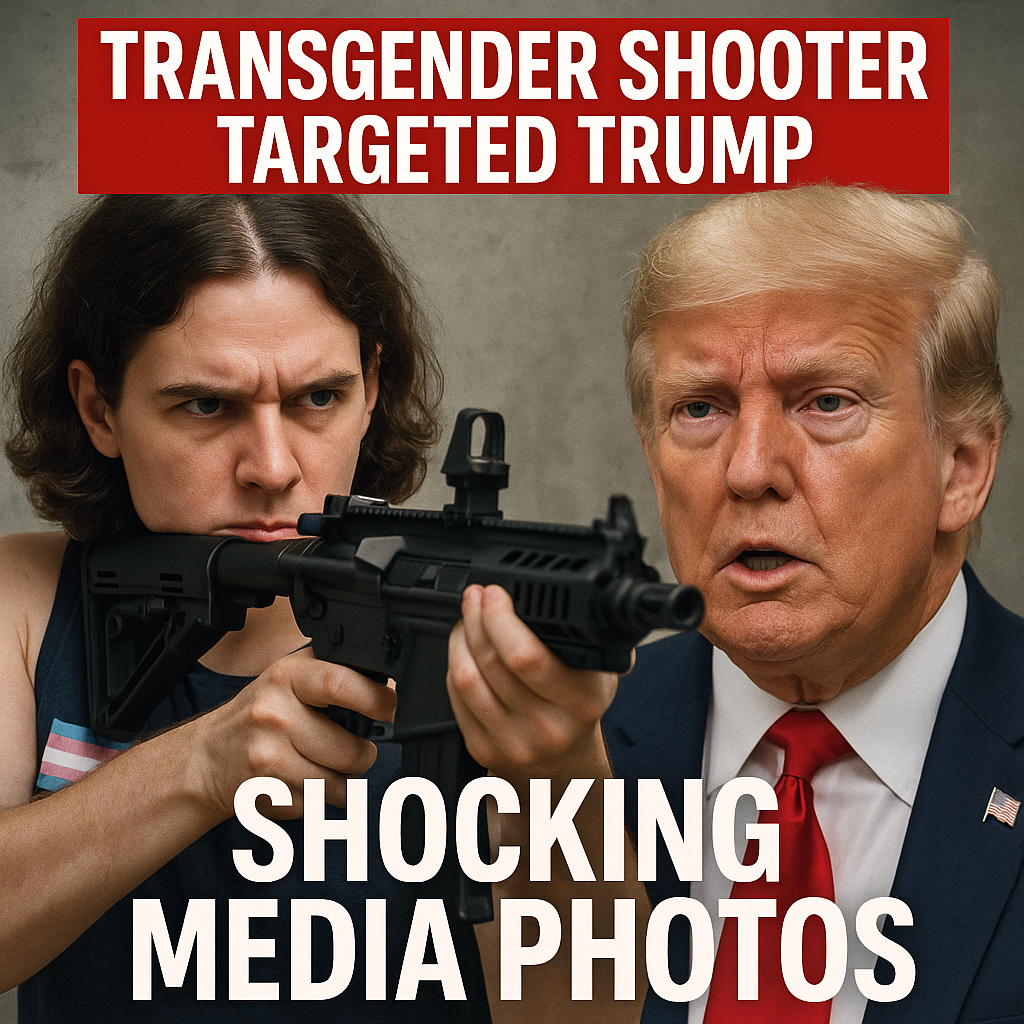
Transgender Shooter Targeted Trump: Shocking Media Photos

Transgender Shooter Targeted Trump: Shocking Media Photos
The recent events surrounding the transgender shooter who targeted former President Donald Trump have ignited intense discussions in society, showcasing the intersection between mental health, political volatility, and media ethics. As details unfold, it becomes essential to sift through the coverage to understand this complex issue better.

Context of the Incident
On a fateful day in Minnesota, a suspect reportedly identified as a transgender individual sought to carry out an attack aimed at Donald Trump. The incident has generated significant media attention, not only because of its shocking nature but also due to the heated discourse surrounding gender identity and violence. Reports from RT highlighted the shooter’s motivations and the apparent connection to the former president’s controversial political stance, which many believe has marginalized transgender individuals.


Moreover, the incident has raised questions about how the media portrays such sensitive topics. Images and narratives vary widely across news outlets, leading to differing interpretations of the shooter’s motivations. In analyzing this, it’s crucial to understand that mental health struggles can often precede violent actions, leading to calls for a more nuanced discourse around the shooter’s background.


Media Representation and Responses
The Role of Media in Shaping Public Perception
The representation of the shooter in the media has been characterized by a mix of shock and sensationalism. Several outlets, including Al Jazeera and Sky News, have framed the incident through the lens of political contention, focusing on the implications of a politically motivated attack. This approach may inadvertently fuel bias against transgender communities, as some commentators argue that the shooter’s identity should not overshadow the complexities of mental health.
Critics have pointed out that labeling the shooter primarily as a “transgender individual” can contribute to harmful stereotypes. Some social commentators argue that focusing on identity often leads to oversimplifications that do not account for the individual’s personal struggles or mental health condition. The RT report emphasized the necessity of addressing these violent tendencies from a broader perspective instead of narrowly attributing them to a person’s gender identity.
Diverse Viewpoints from Experts
Experts in mental health and social issues have expressed a myriad of opinions. Some argue that the media must take greater responsibility in depicting individuals involved in violent incidents. They advocate for a focus on mental health considerations rather than on identity markers that could perpetuate stigma against the transgender community.
On the other hand, some voices within the LGBTQ+ community have raised concerns about the implications of the shooter’s actions on public perceptions of trans individuals. They stress the need for context in discussions about violence and highlight that the majority of trans individuals are peaceful and do not engage in such harmful behaviors. This perspective seeks to clarify that the shooter’s actions should not reflect the broader transgender community.
What Lies Ahead: Need for Dialogue and Understanding
In light of this incident and the various reactions it has elicited, a key question remains: how can society foster a more constructive dialogue around mental health and violence? Addressing this complex issue requires both empathy and a commitment to understanding—rather than sensationalizing— the factors that contribute to such tragic events.
It is evident there are no simple answers. Public figures and influencers must be cautious about their narratives, recognizing the power words can have in shaping societal attitudes. In this ongoing dialogue, it is crucial to differentiate between individuals who struggle with mental health and those who engage in violence, regardless of their background.
Conclusion: Finding Common Ground
As society grapples with the ramifications of the shooter’s actions, it is vital to ground discussions in empathy and understanding, steering clear of oversimplified narratives. Balancing the portrayal of sensitive topics like these—while acknowledging the fortitude within both the mental health community and the trans community—will be essential in moving forward. Ultimately, recognizing the intersectionality of identity, mental health, and violence can help create a more compassionate and informed society capable of meaningful dialogue.















