
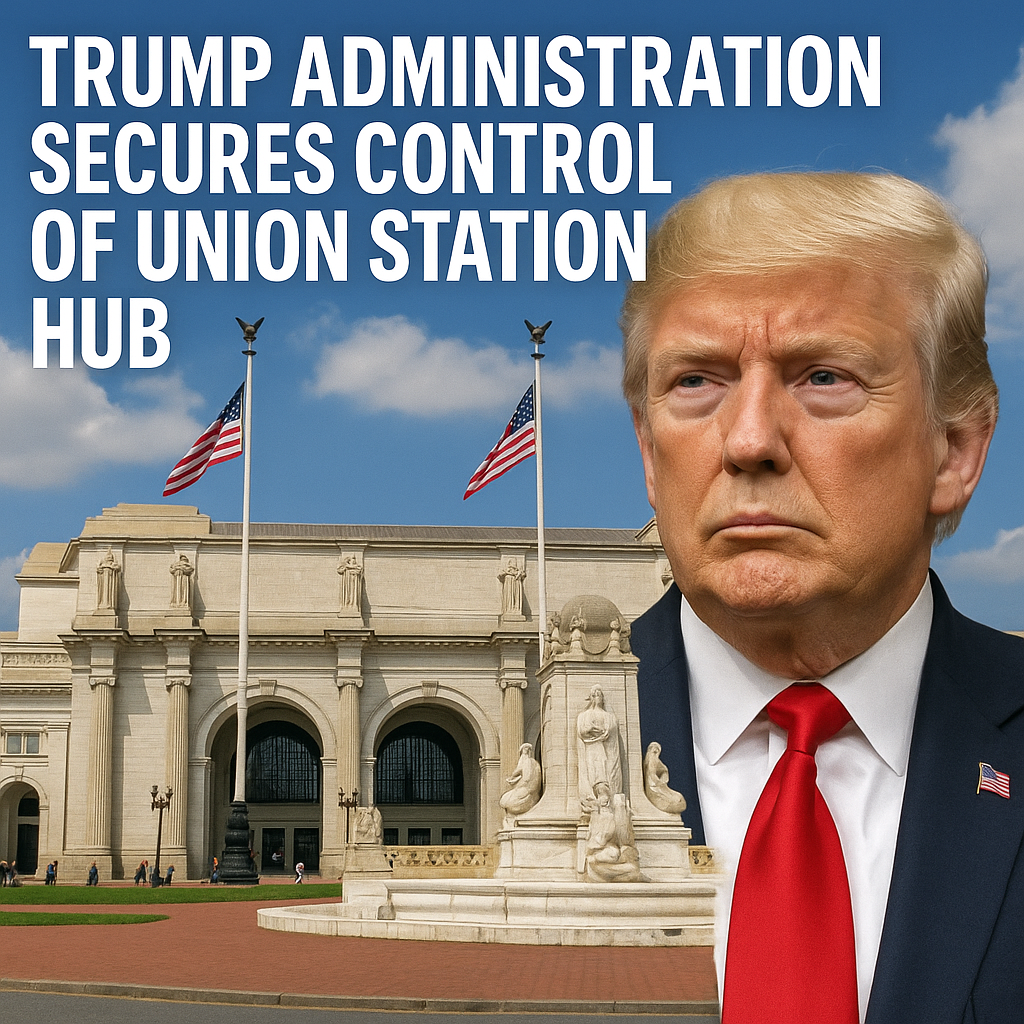
Trump Administration Secures Control of Union Station Hub

Trump Administration Secures Control of Union Station Hub
The recent announcement regarding the former Trump administration’s acquisition of control over Union Station has raised eyebrows and sparked debates across various sectors. As stakeholders assess the implications of this move, several perspectives emerge that highlight both potential benefits and concerns.

A Historic Transportation Hub
Union Station, a pivotal part of Washington D.C.’s transportation network, serves as a vital connection for Amtrak, regional trains, and various public transit lines. With millions of passengers annually traversing its corridors, the station’s management is of significant interest to urban planners, commuters, and local businesses alike.


According to Al Jazeera, the Trump administration’s control over the station is seen by some as a strategic move to enhance federal oversight of transportation infrastructure. Proponents argue that increased federal involvement could streamline operations and ensure better investment in maintenance and modernization efforts, which have been sorely needed in recent years.


However, critics worry about the political motivations behind this decision, pointing to potential ramifications for state and local governance. RT News highlights concerns that centralizing control may undermine local agencies’ abilities to address specific community needs, ultimately prioritizing federal directives over local input.
Diverging Perspectives on Federal Involvement
Supporters of the administration assert that federal oversight could lead to improved funding and revitalization plans aimed at enhancing the commuter experience. For instance, better facilities and upgrades to technology could make transit easier and more efficient. As urban infrastructure increasingly becomes a focus in policy discussions, the argument for federal investment aligns with a broader trend toward modernization.
Conversely, skeptics caution that such a shift could stifle regional innovation. Sky News provides insights into fears that the move could lead to a one-size-fits-all approach to transit management that may not serve the unique characteristics of each locality. The past track record of federal oversight has often led to projects that prioritize short-term goals over sustainable long-term strategies.
Key Considerations:
– Potential for Increased Investment: Advocates argue that federal control can funnel needed resources into Union Station for upgrades.
– Local Autonomy at Risk: Critics contend that the shift may weaken local agencies’ power and responsiveness, especially on issues closely tied to community needs.
Navigating Complex Stakeholder Interests
The complexities of managing a transportation hub like Union Station extend beyond political implications; they also encompass a diverse array of stakeholder interests. From commuters to local businesses and government agencies, each group has its own set of expectations and concerns.
Stakeholders representing commuters highlight that renovations should focus on increasing accessibility and streamlining transit options. With accessibility being a major priority in modern urban planning, improving connectivity between Union Station and other transit services is essential. Such upgrades could reduce congestion and lead to a healthier, more efficient commuting experience.
Local businesses, on the other hand, are attentively observing how federal control might affect economic opportunities. If the management process successfully revitalizes the station, businesses could thrive due to increased foot traffic and investment. However, there is a fear that excessive government control might lead to regulatory roadblocks, hampering entrepreneurial dynamism.
The contrasting viewpoints illustrate the delicate balance required to manage stakeholder expectations effectively. Developing a collaborative framework that incorporates diverse perspectives will likely be vital in promoting an inclusive approach to improvements at Union Station.
Conclusion: A Path Forward
As the dynamics around the Trump administration’s control of Union Station unfold, it is essential to recognize that this situation represents more than just a political maneuver. It embodies a crucial intersection of urban development, transit efficiency, and stakeholder engagement. While the potential for enhanced federal investment exists, it must be implemented with careful consideration of local needs and community feedback.
The future of Union Station is still uncertain, but what remains clear is the importance of collaborative dialogue among all players involved. Whether the focus will center on operational efficiency or an equitable representation of local interests will influence the trajectory of this iconic transportation hub for years to come. By weighing the multifaceted perspectives and navigating complex interests, the stakeholders at Union Station can hopefully create a brighter future for everyone relying on this vital resource.















