
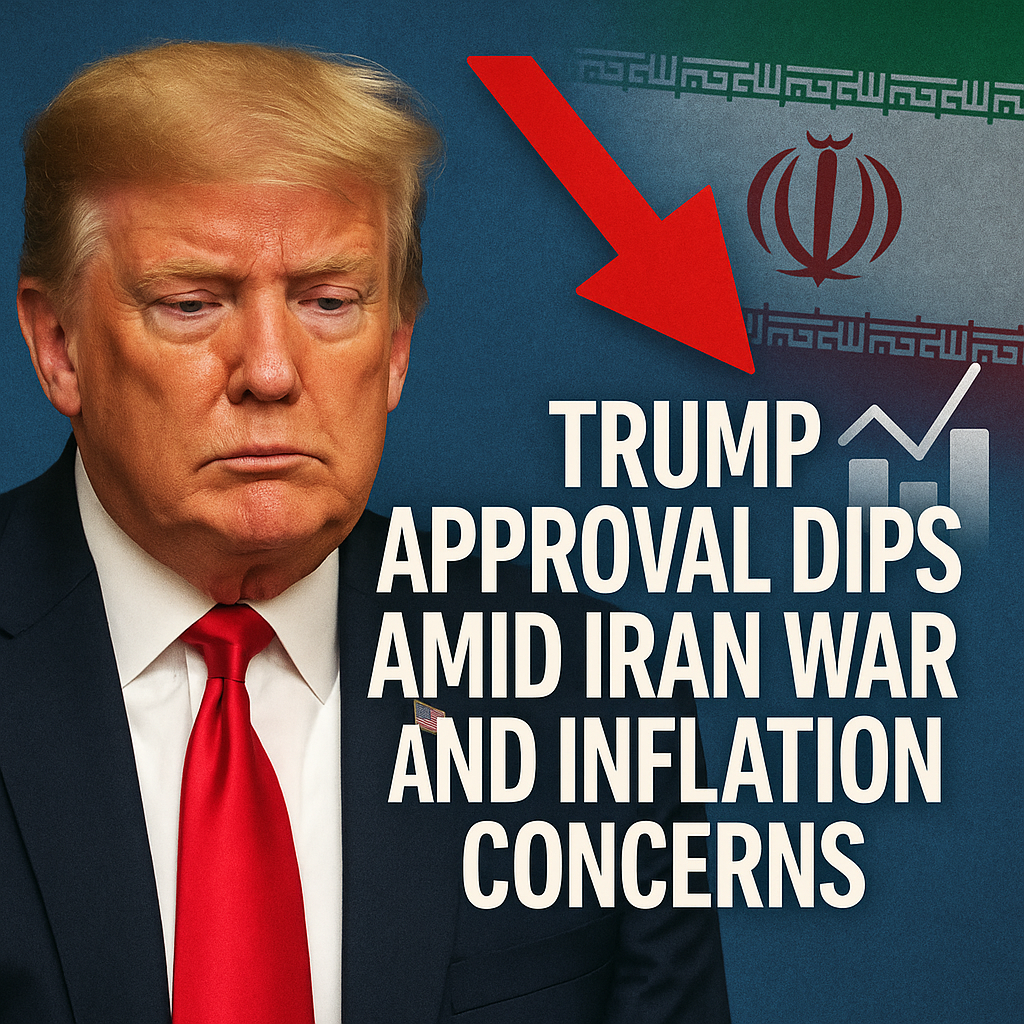
Trump Approval Dips Amid Iran War and Inflation Concerns

Trump Approval Dips Amid Iran War and Inflation Concerns
Former President Donald Trump’s approval ratings have seen a notable decline as the nation grapples with a renewed conflict in Iran and rising inflation. This dip highlights the complex interplay between foreign policy, domestic economic conditions, and public perception, reflecting a landscape that is anything but straightforward.

Understanding the Factors Behind the Approval Rate
As reported by Al Jazeera, recent polling data reveals that Trump’s approval has plummeted to record lows—falling significantly as unrest in Iran escalates. While Trump has historically utilized foreign policy events to rally his base, the current situation appears to be a double-edged sword. The growing tensions in Iran have sparked concerns over national security, which generally boosts a president’s approval among voters. However, the Gallup poll shows that his handling of both the ongoing Iran conflict and domestic economic issues, particularly inflation, is earning him low marks among the public.


The Iran Conflict: A Blame Game
Most analysts agree that Trump’s response to the Iran situation is critical. His administration’s policies have drawn mixed reactions. Some argue he has adopted a strong stance against aggression, potentially satisfying a segment of the electorate that prioritizes security. Yet, critics argue that his past actions—such as withdrawing from the Iran nuclear deal—have destabilized relations and contributed to the current turmoil.


A report from RT illustrates this dichotomy: while some constituents appreciate Trump’s hardline rhetoric, others point to the implications of military engagement and the historical ramifications of previous conflicts, warning that a reactive approach may lead to a cycle of violence that tarnishes his image further.
Additionally, the rising inflation rates, often debated in economic terms, manifest practically in everyday life. High prices for essential goods, culminating in dissatisfaction among voters, compel them to reassess their opinions about leadership effectiveness. A Sky News article highlights that many Americans view inflation as a direct reflection of presidential policies, and as prices creep up, loyalties waver.
Inflation as a Domestic Challenge
Inflation touches the fabric of daily life for many—filling grocery carts, fluctuating gas prices, and rent hikes all weigh heavily on the psyche of voters. Public sentiment tends to favor those perceived as capable of managing economic crises effectively. Here, Trump faces fierce criticism for not articulating a clear economic plan to address rising costs, which feeds into the perception of incompetence.
Polling data indicate that Americans prioritize economic stability, often sidelining foreign policy nuances unless they have immediate personal implications. This has led to a pronounced shift in how Trump is viewed, primarily among independent voters critical to his potential electoral success in 2024.
Polling expert insights suggest that the combination of international conflict and domestic economic issues creates a perilous landscape for political leaders. If voters believe that inflation is exacerbated by decisions made during Trump’s tenure, he risks losing support among constituents who may harbor paternalistic expectations regarding economic stewardship.
Surveyed Sentiments: Mixed Reviews and Future Implications
Despite the multifaceted challenges, varying sentiments still exist within Trump’s base. Supporters assert that his “America First” approach still resonates, viewing his critiques of government spending and foreign aid as valid. From this standpoint, Trump could still retain core support regardless of his current approval rating.
Conversely, dissenters within the Republican Party are voicing concern about Trump’s ability to unite the faction and extend his appeal beyond his committed core. A nuanced analysis shared by both Al Jazeera and RT suggests that as the conflict in Iran develops and inflation continues to sting American households, the pressure on Trump to deliver tangible results will increase.
Future ramifications could extend well beyond the 2024 elections. Should inflation persist alongside international instability, it may lead to broader questions about governance and accountability, shifting the dialogue for not just Trump but other potential candidates vying for leadership in a post-Trump era.
Conclusion: An Uncertain Road Ahead
In summation, the dip in Trump’s approval ratings amidst the Iranian conflict and inflationary pressures illustrates a multifaceted narrative reflecting the complexities of contemporary American politics. The tension between foreign policy and economic realities results in an electorate divided, facing an uncertain road as they consider the future of their leadership.
While it remains unclear how these dynamics will shift as events unfold, the intersection of these issues underscores the delicate balance political leaders must maintain to secure voter allegiance in tumultuous times. With crucial elections ahead, both Trump and his opponents must heed the lessons from the current climate that underscore not just national security but the pressing needs of constituents navigating a challenging economic landscape.















